How Much Does Insurance Pay for Roof Replacement in Georgia?
MEGA MEGA • November 16, 2026
Learn what affects a roof insurance payout in Georgia, including covered damage, deductibles, depreciation, policy limits, and estimate reviews.

If you are asking how much does insurance pay for roof replacement, there is no single standard payout. The amount depends on whether the roof damage is covered, your policy terms, the deductible, the insurer's estimate, and whether payment is based on replacement cost or actual cash value. A careful review of those parts can help you understand what the claim may cover-and what may remain your responsibility.
Request help with your roofing questions
How is a roof insurance payment calculated?
A roof claim payment usually starts with a decision about coverage. The insurer reviews the reported cause and the observed damage against the policy. If the loss is covered, the insurer estimates the reasonable cost of repairing or replacing the affected roof components under the policy terms. Your deductible and any applicable limits or depreciation then affect the amount paid.
That is why two homeowners with similar-looking roofs can receive different claim amounts. One policy may provide replacement cost coverage, while another may settle at actual cash value. The homes may have different deductibles, roof ages, damage, or coverage limits. The insurer may also determine that some items are repairable rather than requiring full replacement.
Think of the estimate as a starting point for understanding the decision, not as a guaranteed check for the entire project. Compare the insurer's scope and pricing with the roof's actual condition and the work needed. For a useful overview of how the process and roofing work fit together, see this guide to the roof replacement and insurance process.
What is the difference between replacement cost and actual cash value?
Replacement cost coverage generally refers to the covered cost to repair or replace damaged property with comparable materials, subject to the policy terms, deductible, and limits. Actual cash value generally accounts for depreciation. The policy language determines how the insurer calculates the loss, and policies can define these terms or apply them differently.
Some policies pay an initial amount based on actual cash value and may release recoverable depreciation after the covered work is completed and required documents are submitted. Other policies may settle the claim on an actual cash value basis, or impose special terms for older roofs. Do not assume that a first payment is the final payment or that depreciation will automatically be released. Ask the adjuster what the payment includes, what remains eligible, and what proof is required.
For example, imagine an insurer approves covered roof work at $12,000 before the deductible. If the deductible is $2,000, the initial covered amount before any depreciation or limits would be $10,000. If the policy also withholds $2,500 in recoverable depreciation, an initial payment could be lower, with a possible later payment after the policy requirements are met. This is only a simplified illustration; it is not a prediction of what any particular policy will pay.
Review the declarations page and the roof-loss provisions in your policy. If the terms are unclear, ask the insurer or a licensed insurance professional to explain how they apply to your specific claim. The National Association of Insurance Commissioners offers general consumer insurance information at its consumer information website; your policy and insurer remain the source for your actual coverage decision.
How do the deductible and policy limits affect the payout?
The deductible is the part of a covered loss that you are responsible for under the policy. It is generally subtracted from an approved covered amount, but the exact calculation and deductible type depend on the policy. A policy may have a fixed dollar deductible or a special deductible for certain losses. Check the declarations page and ask the insurer which deductible applies to the reported event.
For a simple example, if the approved covered amount is $9,000 and a $1,500 deductible applies, the amount remaining before other adjustments would be $7,500. If depreciation, a limit, or other policy provisions apply, the payment may differ. This arithmetic does not mean that the insurer has accepted the claim, approved all roof work, or agreed to pay that amount.
Coverage limits can also matter. A policy may set a maximum amount for a type of loss or apply conditions that affect payment. The amount an insurer approves is not automatically the same as a contractor's total proposal. Review the estimate line by line, and ask the insurer how any relevant limit, deductible, or exclusion was applied.
Which roof damage may be covered?
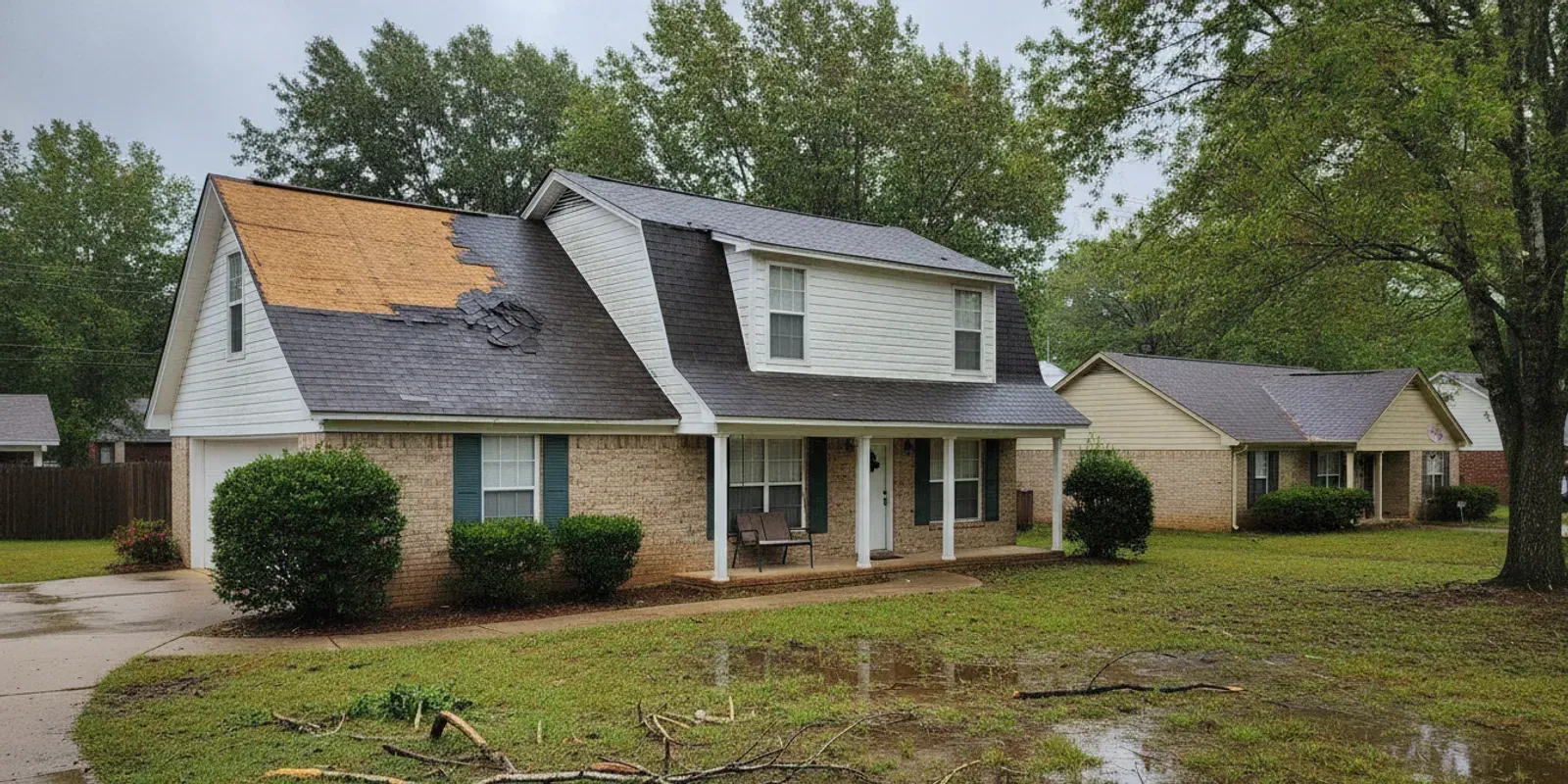
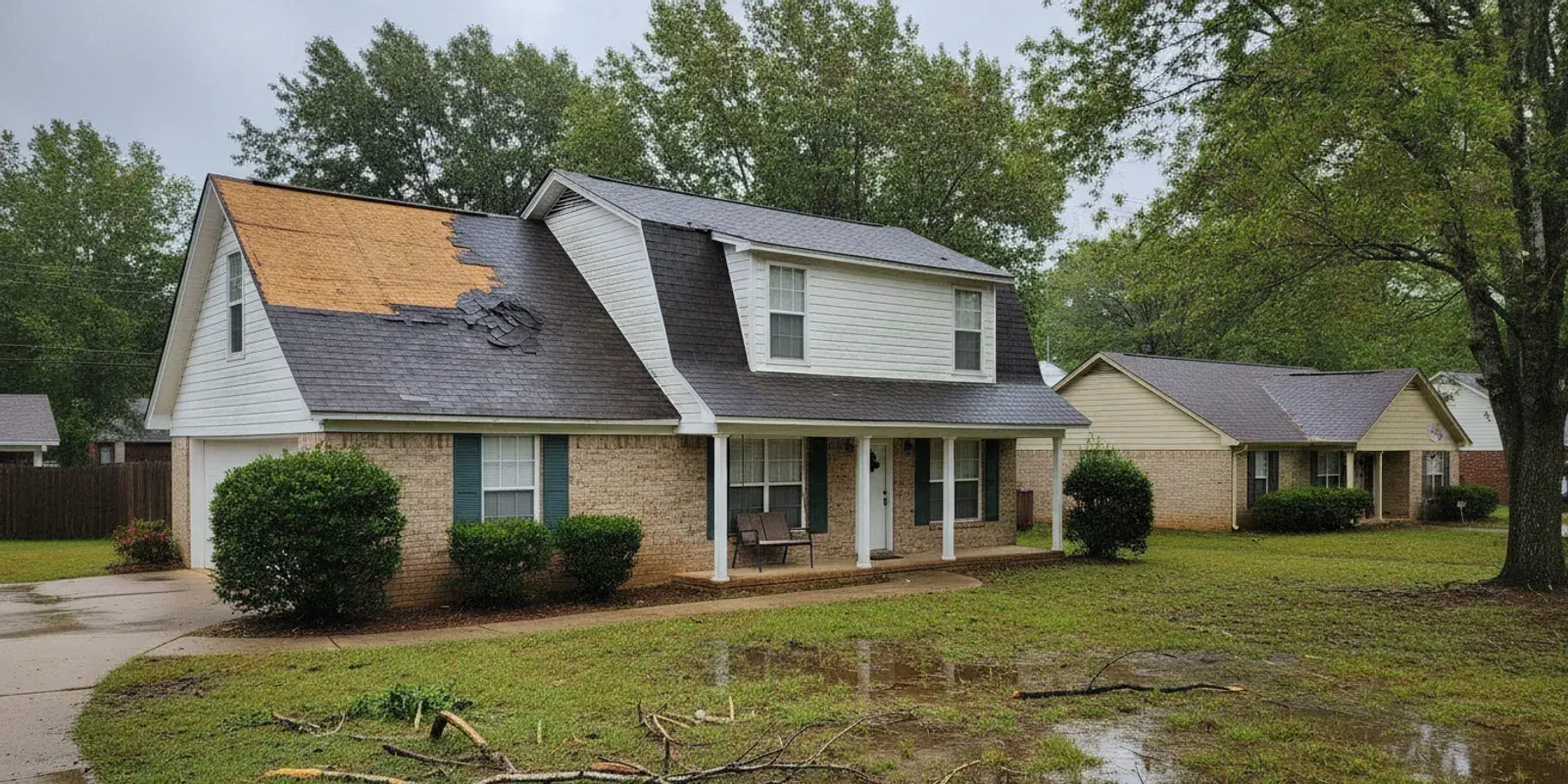
Coverage depends on the cause of damage and the policy, not simply on the fact that a roof needs work. A sudden event such as wind, hail, or a fallen branch may be treated differently from gradual deterioration, maintenance needs, or a roof that has reached the end of its useful life. Your insurer determines coverage using the policy, claim information, and inspection findings.
Do not assume that a storm occurring near the time a leak appears proves the storm caused the damage. Conversely, do not assume that an older roof cannot have a covered loss. Document what you observe and report the facts accurately. A roofer can describe visible roofing conditions and the work that appears necessary, but the insurer decides whether the policy covers the loss and how much it will pay.
If water is entering the home, take reasonable steps to protect people and belongings and reduce further damage without putting yourself at risk. Avoid climbing onto a wet or damaged roof. Keep photos from a safe location, note when the problem was noticed, and save receipts for reasonable temporary measures. The roof leak repair guide explains practical first steps, while a separate guide to avoiding roof repair scams can help you assess unsolicited offers carefully.
What should you compare in the insurer's estimate?
Read the estimate as a work description as well as a dollar figure. Confirm which roof sections and components are included, what quantity of material is listed, and whether the estimate calls for repair or replacement. A complete roof project may involve more than shingles, but each item should be tied to the actual roof and the insurer's coverage decision.
- Scope: Which slopes or roof areas are included? Are related items such as flashing or underlayment listed when relevant to the approved work?
- Measurements and quantities: Do the listed areas and material quantities appear consistent with the property? Ask how the measurements were obtained if something seems off.
- Materials and work: Does the estimate describe the type of work and materials needed to complete the covered repair or replacement?
- Pricing: Are labor, removal, disposal, and other applicable line items included? Ask the insurer to explain the basis for its pricing and any differences from a contractor's proposal.
- Payment status: Does the document show an initial payment, a deductible, depreciation, or a potential later payment? Ask what steps and paperwork apply to any withheld amount.
- Items not included: Is there a separate list of excluded, deferred, or disputed work? Ask for the reason and the process for submitting additional documentation.
A contractor's estimate and an insurer's estimate may use different formats or assumptions. A difference by itself does not prove that either figure is correct or incorrect. Ask for a clear explanation of the work needed and share relevant documentation with the insurer. If a hidden condition becomes visible during work, pause and document it; ask the insurer how to report newly discovered damage before assuming that it is covered.
What can you do if the estimate seems too low?
Start by identifying specific differences rather than focusing only on the total. For example, note a roof section that is missing, a measurement that appears inconsistent, or a repair item that does not match the observed condition. Take dated photos from safe locations, keep copies of the estimate and contractor's scope, and write down questions while the details are fresh.
- Request an explanation. Ask the adjuster to walk through the estimate, coverage decision, deductible, and any depreciation or limits.
- Gather relevant records. Organize photos, the insurer's estimate, contractor documentation, receipts for temporary mitigation, and any prior roof records you have.
- Ask how to submit new information. Follow the insurer's stated claim process and keep a record of when documents are sent and whom you contacted.
- Request another review when warranted. Point to the specific item or evidence you believe needs review. The insurer may inspect again or request more information.
- Use the policy's complaint or appeal options. If you remain concerned, review the insurer's formal process and consider contacting a licensed insurance professional or the appropriate state consumer insurance office.
A roofer can help explain the physical condition of the roof and prepare a work scope, but should not promise a coverage result or tell you to exaggerate damage. Keep communications factual. For more context on communicating about a roof claim, read Total Roof Solutions' roof repair advice and its guide to requesting insurance review for roof replacement.
What costs might remain your responsibility?
Even when a claim is approved, the insurer's payment may not cover every cost a homeowner expects. The deductible is one possible out-of-pocket amount. The homeowner may also be responsible for work that is not covered, optional upgrades, items outside policy limits, or the difference between the approved scope and work chosen beyond it. The policy, estimate, and written agreement determine the relevant amounts.
Before authorizing work, ask for a written proposal that clearly describes the work and price. Compare it with the insurer's approved scope, but do not assume that the insurer will pay a contractor's entire price. Ask the contractor to explain any difference in materials, quantities, or tasks. If you are considering a larger project than the covered repair, ask for the added work and cost to be shown separately.
Financing is a separate decision from insurance coverage. If you need to review payment options, Total Roof Solutions has information about financing for roof replacement. You can also compare expected project costs and the factors that affect them in this Georgia roof replacement cost guide. Neither resource can determine what your insurer owes under your policy.
How can Georgia homeowners prepare for a roof claim?
Good records make it easier to describe the condition and understand the claim file. Keep copies of your policy, roof installation or repair records, photos from before and after a storm if available, the insurer's estimate, and receipts for temporary protective work. Record the date you first noticed the damage and what you observed. Do not guess at the cause if you do not know it.
When speaking with the insurer, ask who is handling the claim, what the next step is, how to send documents, and when you should expect an update. Keep notes of calls and save written messages. If more damage appears or the roof condition changes, report it promptly and ask what to do. For service information, homeowners can review Total Roof Solutions' residential roofing services or request a free roofing estimate.
These steps are useful whether a claim is approved, partly approved, or denied. A clear record helps you ask focused questions, compare documents, and decide what to do next without treating a contractor's opinion as an insurance decision.
Call Total Roof Solutions to discuss your roof
Why can two estimates show different amounts?
Two estimates can differ because they describe different work, use different measurements, or were prepared at different points in the claim. One may include only visible damage noted during an initial review. Another may account for additional components or updated information. A higher total is not automatically proof that every line is covered, just as a lower total does not by itself show that necessary work was omitted.
Compare the documents item by item. Check that they refer to the same roof areas, quantities, and proposed outcome. If one estimate includes work that the other does not, ask what condition or policy basis supports that line. When an estimate uses a term you do not understand, ask the preparer to explain it in plain language. Keep the conversation focused on the roof condition, evidence, and written scope rather than on a target payout.
Roof shape and details can affect the work required. Valleys, penetrations, edges, flashing, and transitions may need attention as part of a repair or replacement. The relevance of each item depends on the actual structure and condition. A contractor can identify roof components and explain proposed work, while the insurer decides whether the cost is covered. If a scope differs, ask each party to explain the difference rather than assuming the numbers should match exactly.
What should you know before authorizing roof work?
Before signing a work agreement, make sure you understand who will perform the work, what the proposal includes, what is excluded, and how payment is expected. Ask whether the price is for the insurer-approved scope or includes additional work you requested. If the work scope may change after materials are removed, ask how additional conditions will be documented, priced, and discussed before proceeding.
Read any authorization or assignment paperwork carefully. Ask questions before signing if a document gives another party authority to communicate or receive payment, or if it describes obligations you do not expect. Do not sign a blank document. Keep a copy of agreements, change orders, invoices, and proof of payment. If you are uncertain about the legal effect of a document, consult a qualified professional before signing.
Ask how the contractor will protect the property during the project, handle debris, and communicate if weather or newly discovered conditions affect the schedule. Find out which materials and tasks are included in the written scope. For examples of completed projects, you can view Total Roof Solutions' roofing work. Use examples to understand the company's work, not as a substitute for a project-specific scope or an insurance coverage determination.
How can you keep the claim organized?
A simple claim file can save time when you need to ask about a payment or a document. Keep digital or paper copies in one place, and use clear file names that include the date and document type. A short timeline is also helpful: record when the damage was noticed, when you contacted the insurer, when inspections occurred, and when estimates or payments arrived.
- Save the policy declarations and relevant policy correspondence.
- Keep the claim number and contact details for the assigned adjuster.
- Store original photos and notes, and label copies by date and roof area where possible.
- Save each estimate version, contractor proposal, invoice, receipt, and payment record.
- Write down questions and the insurer's answers, including any promised follow-up or requested paperwork.
When sending documents, use the insurer's approved channel and retain proof that the materials were submitted. Ask whether the insurer needs a particular form, photograph, invoice, or completion record before it can review a request for additional payment. Avoid sending sensitive personal information through an unverified link or address. If a conversation is important, follow up with a brief written note so that you have a record of what you understood.
This organization does not guarantee a particular decision or make a non-covered item payable. It helps you understand what has been reviewed, identify unanswered questions, and avoid confusing an estimate with a final coverage determination. If timing, a denial, or a disagreement creates a serious concern, refer to your policy and seek guidance from an appropriate licensed or state consumer resource.
Frequently asked questions about roof insurance payments
Does insurance always pay to replace a storm-damaged roof?
No. The insurer reviews the cause of damage, the policy language, exclusions, deductible, and evidence. It may approve a repair, approve replacement, request more information, or determine that the loss is not covered. Ask for the decision and its basis in writing.
Will the insurer pay the full replacement cost up front?
Not necessarily. Depending on the policy, payment may be based on actual cash value at first, with some depreciation potentially recoverable after covered work is completed and documentation is provided. Ask what the initial payment represents and what conditions apply to any additional payment.
Can I choose my own roofing contractor?
Ask your insurer about its claim process and review your policy. Before choosing a contractor, get the proposed work and price in writing, check that the scope is clear, and avoid signing documents you do not understand. The insurer, not a contractor, makes the coverage decision.
What if I disagree with the insurance estimate?
Ask the adjuster to explain specific line items and submit relevant photos, measurements, or a contractor's written scope through the insurer's process. Keep copies and follow up in writing. If you still disagree, ask about the formal review options available under the policy or through the insurer.
What is the next step?
The amount an insurer pays for roof replacement in Georgia depends on the actual policy and claim, so review the estimate, deductible, depreciation, limits, and approved work together. If you need help understanding the roofing scope or want to request a project estimate, contact Total Roof Solutions or call the office to discuss your roof.
Choosing Roofing Materials for Georgia Heat and Storms: Best Roofing Materials for Residential Homes