Flat Roof Leak Repair: What to Do Before Calling
MEGA MEGA • November 18, 2026
Learn how to respond to a flat roof leak, protect your home or building, understand likely repair options, and prepare for a roofing assessment.

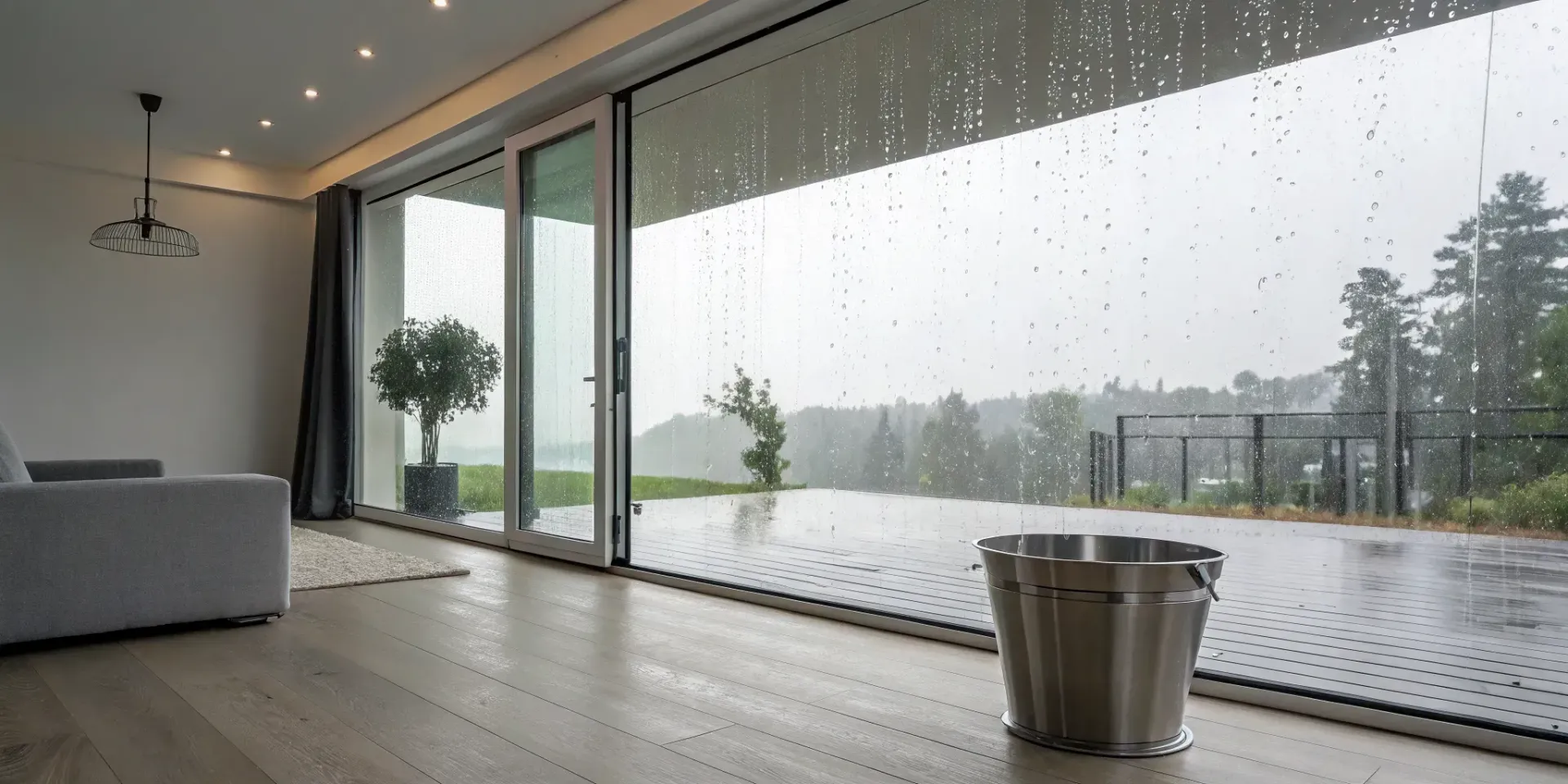
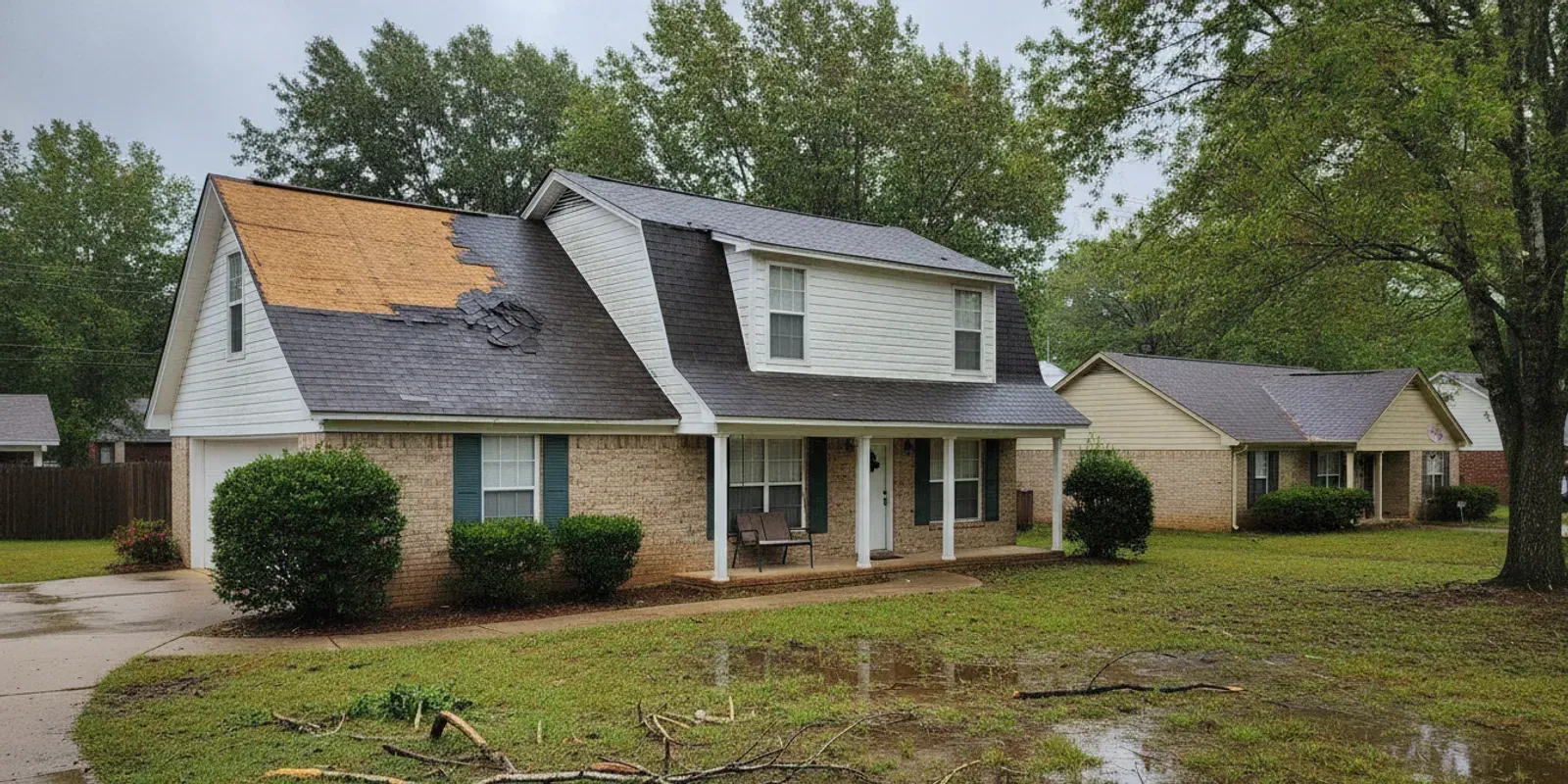
A flat roof leak repair issue can be confusing: water may travel through roof layers or along framing before it appears indoors. If you notice a ceiling stain, dripping, or damp materials after rain, first protect people and belongings. Do not climb onto a wet roof to look for the opening.
What signs may point to a flat roof leak?
Water inside is an important clue, but the place it appears may not be directly below the roof problem. Moisture can move along the roof deck, insulation, framing, or other layers, then show through a ceiling or wall at a distance. A mark may also become visible after a storm has passed, once moisture reaches the interior finish.
Look for changes you can observe safely from inside or from the ground:
- Brown or yellow stains that grow or darken after rain.
- Dripping, peeling paint, bubbling finish, or a ceiling area that appears to sag.
- Damp insulation or a musty smell in an accessible space, if you can check without disturbing materials or entering an unsafe area.
- Water near a roof penetration, wall transition, edge, or drain, when it is visible from a safe location.
- Water that remains pooled on a low-slope roof after rainfall, if the area can be seen without going onto the roof.
These observations suggest moisture, but they do not prove its source. Plumbing leaks, condensation, and other building conditions can produce similar marks. Note whether the symptom follows rain, plumbing use, or a particular weather pattern. A basic log of dates and conditions can help a roofing professional distinguish a recurring roof leak from other possibilities.
For an overview of immediate response, read flat roof leak help. If you want a separate guide to tracing water stains, see how to find a roof leak; remember that a stain is a clue, not a confirmed roof opening.
What should you do first when water appears indoors?
Start with personal safety, then limit interior damage. Water can make floors slippery and can create a hazard around electrical equipment. A wet or bulging ceiling may also be unstable. Do not try to diagnose the roof while standing under a sagging section.
- Keep clear of immediate hazards. If water is near a light fixture, wiring, an outlet, or an electrical panel, do not touch wet equipment or switches. Keep people away. Contact a qualified electrician or emergency service if there is an immediate electrical danger.
- Move people and belongings. If safe, move furniture, electronics, and valuables out of the affected area. Keep children and pets away from wet floors and any ceiling material that looks swollen or loose.
- Catch drips without taking risks. Place a container under a steady drip only if you can do so without standing under an unstable ceiling or reaching near electrical equipment. Use towels to limit spread. Avoid setting up electrical fans or other powered equipment in a wet area.
- Do not puncture a ceiling bulge. Wet drywall or plaster can be heavy and may release water or material unexpectedly. Avoid poking, cutting, or pressing it. A qualified professional can advise how to address a bulge safely.
- Document what you see. Take clear photos from a safe position. Note the date, recent weather, where water appeared, and whether it is active, intermittent, or stopped. Include a familiar object in a photo if that helps show the affected area's scale.
- Arrange an assessment. A prompt roofing evaluation can help determine whether the roof is involved and what repair is appropriate. Do not wait for a stain to grow before asking about an active leak.
For additional general guidance on preparing for roof work, Total Roof Solutions has roof repair advice for Georgia property owners. The priority in an active leak is still to keep clear of hazards and report the conditions you can observe.
Why should you stay off a wet flat roof?
A roof that looks flat is not necessarily a safe walking surface. Rain, algae, debris, or a roof coating can make it slippery. A weak or damaged section may not be obvious from above, and a low-slope roof can still have edges, skylights, drains, and openings that create fall or trip hazards. Carrying tools or trying to work in poor weather adds further risk.
Do not climb onto the roof during rain or while the surface is wet. Avoid stepping on any soft, bowed, or visibly damaged area, even after the weather clears. OSHA provides workplace safety resources that address fall hazards and work at height; its guidance is a reason to treat roof access as a safety issue, not a casual inspection. See OSHA safety information. A homeowner should not take on a roof-level inspection without appropriate training, equipment, and safe access.
Photos from the ground, a window, or a safe interior viewpoint are more useful than risking a fall. If the leak needs urgent protection, tell the roofing contractor what is happening and ask what can be done safely. Do not try to apply a temporary patch in unsafe weather.
What information should you gather before calling?
You do not need to find the roof opening yourself. A concise account of the symptoms helps the contractor plan the next step and ask useful follow-up questions. Write down what you know, and mark unknown details as unknown rather than guessing.
- Indoor location: Identify the room and the ceiling or wall area affected. Note whether there is a drip, stain, damp surface, or visible sag.
- Timing: Record when you first noticed the issue, whether it appeared during or after rain, and how long it lasted.
- Pattern: Say whether the leak occurs only in heavy rain, during wind-driven rain, or in more than one kind of weather. Do not assume the pattern proves a cause.
- Changes: Describe whether the mark has grown, a drip has become steady, or the area has dried and then returned.
- Roof and building context: Mention any recent roof work, known drainage concerns, nearby equipment or penetrations, or recent storm exposure if you know about it.
- Access and impact: Explain whether water is active, whether the space is occupied, and whether it is affecting electrical equipment, stored goods, or normal use of the building.
- Photos: Share interior photos and exterior views taken from the ground or another safe position. Do not climb up to get a better angle.
For example, “A new stain appeared in the back room about an hour after heavy rain on Tuesday; it is dry now, but a smaller spot showed up after the next storm” is more useful than “the roof is leaking somewhere.” It gives a professional a timeline without claiming a cause. If water is active or a ceiling is changing quickly, make that clear when you call. You can also read the business roof repair process guide for context on discussing a leak at a commercial property.
What might a professional check on a flat roof?
A roofing assessment should begin with your description and the roof system's visible condition. The professional may examine seams or laps, flashing, penetrations, drains, edges, and transitions between roof areas or materials. They may also consider whether water could be moving from one part of the roof to another before entering the building.
There is no one flat-roof material or single repair method. Systems and details differ, so a product or patch suitable for one roof may not be suitable for another. The contractor should identify the roof type and explain the suspected failure before recommending a repair. Learn more about common system differences in this commercial flat roofing guide.
Depending on what is found, the discussion might include a localized seam or flashing repair, work around a penetration, attention to a drain or water-management issue, or a larger repair area. These are possible categories, not a diagnosis. The right scope depends on the actual roof condition, materials, access, and extent of moisture or damage.
Ask the contractor to explain what was observed and how the proposed work addresses it. If the suspected source cannot be confirmed on the first visit, ask what evidence is available, what remains uncertain, and what next step would narrow it down. A visible defect may be unrelated to the indoor stain, and an intermittent leak may not be active during an appointment. Clear notes and photos can help, but they do not replace an on-roof assessment by a qualified professional.
How can the leak pattern help guide the conversation?
A pattern can help a roofer decide what to investigate, even though it cannot identify the source on its own. Describe exactly what you observed and avoid treating a timing clue as a diagnosis.
- Water appears only during heavy rain. Note whether the rain was accompanied by wind and which side of the building was exposed. Wind-driven rain may reach details that stay dry in lighter conditions, but the observation alone does not identify a failed seam or flashing.
- A stain appears hours after rain ends. Record the delay and whether the ceiling was already damp. Water can take time to travel through building materials, so the delay does not rule out a roof issue.
- A drip appears near a roof drain or equipment. Tell the roofer what is nearby and whether the water is limited to one interior area. Do not go onto the roof to check a drain or move equipment.
- The symptom returns in roughly the same place. Compare dates and weather and share photos from each event. Recurrence helps describe the issue, but water can travel along hidden layers, so the visible location may not mark the entry point.
For example, suppose a stain appears in a hallway after two separate storms, while the room above the roof penetration remains dry. That record tells the contractor about recurrence and location without asserting that the penetration is the cause. Likewise, a one-time drip after a storm is worth reporting, but it may take further evaluation to distinguish a roof opening from plumbing or another source. Let the professional connect the clues to the roof's construction and condition.
When might a repair be enough, and when is broader work discussed?
A targeted repair may be reasonable when the roof system is otherwise serviceable and the source can be addressed locally. Widespread deterioration, repeated leaks, or several failing areas may lead to a discussion of broader work. One stain or one leak does not, by itself, show that the entire roof must be replaced.
A localized repair
A localized repair might address a damaged seam, flashing detail, roof penetration, or limited area of covering. Ask where the work will take place and how the proposed materials suit the existing roof. It is also fair to ask whether nearby details show similar wear and whether any of them need action now or can be monitored.
A broader repair or replacement discussion
If problems appear in multiple areas, or the roofing system has widespread wear, a small patch may not address the whole concern. Ask what conditions support a larger scope and whether the proposal separates urgent work from optional or future work. A clear explanation should connect observed conditions to the recommended work rather than relying only on a general statement that the roof is old.
For an overview of the decision, see this guide to roof repair versus replacement. Residential roof work and commercial low-slope work are not identical; property owners can review the residential roof repair service information or the commercial roofing material guide above to understand which conversation fits their building.
How can you evaluate a flat roof repair recommendation?
Before approving work, make sure the proposal is specific enough to understand. You should be able to tell what area is included, what the work is intended to address, and what is not included. If water affected interior finishes or stored contents, clarify whether the proposal covers roofing only or other work too.
- What roof condition or evidence points to the proposed repair location?
- What exactly will be repaired, and what materials or method are planned?
- Is the work limited to one spot, or are connected areas included? Why?
- Are there other conditions that need attention now, and which can be monitored?
- How will the property be protected while work is underway?
- What should I watch for afterward, and whom should I contact if water returns?
- Does the written estimate separate roofing work from interior repairs or other services?
Compare proposals by scope and explanation, not just by the final number. Two estimates may cover different repair areas or materials. If a contractor recommends replacing a large section, ask which observations support that size and what a smaller repair would leave unresolved. A written scope makes it easier to compare the same work and keep records.
For context on estimate preparation, review the information about free roof estimates. Costs depend on the roof system, access, materials, extent of damage, and required work. A general online price cannot diagnose your roof or guarantee a particular quote.
What should you know about insurance and leak damage?
Insurance coverage depends on the policy, the cause of damage, and the insurer's review. Do not assume every leak or repair will be covered. Photograph visible damage, keep relevant paperwork, and ask your insurer about reporting requirements if you are considering a claim.
Keep the repair assessment separate from the coverage decision. A roofing contractor can describe roof conditions and proposed work; the insurer determines coverage under the policy. Ask what work is needed now to protect the property and what can wait for the insurer's direction. Keep estimates, photos, messages, and claim notes together so you can refer to the same details during each conversation.
If you want to learn more about Total Roof Solutions' work, browse examples of roofing projects. Examples can provide context, but the condition and needs of your building still require their own assessment.
When should you seek urgent help?
Contact a roofing professional promptly when water is actively entering, the wet area is expanding, or a roof-related opening may leave the building exposed to more rain. Seek emergency assistance for immediate hazards such as electrical danger or an unstable ceiling. Do not climb up to apply a patch in unsafe weather.
If the leak has stopped, follow up rather than assuming the problem is gone. A leak that appears only during certain rainfall may return in the next storm. Water may also remain in roof or ceiling materials after the visible drip ends. Keep observing the affected area from a safe position, and tell the contractor whether the symptom recurred. This is more useful than treating a dry stain as proof that the roof has repaired itself.
Homeowners who are unsure how to assess a contractor's recommendation can review this guide to roof repair warning signs and safer steps. Use it as a prompt for clear questions and written details, not as a substitute for a professional evaluation of the roof.
How should you follow up after a flat roof repair?
Once the work is complete, keep a copy of the written scope and any notes about the repair area. Ask what was completed, whether the contractor found conditions beyond the original concern, and whether there are limits to the repair. If photos of the work are available, save them with the estimate and your earlier interior photos. A simple record makes it easier to compare the roof's condition over time.
After the next rainfall, check the previously affected indoor area from a safe position. Look for new drips, a stain that grows, or dampness returning. Do not climb onto the roof to verify the repair. If water returns, note the date and weather, take a photo, and contact the contractor with the repair information. An intermittent symptom may require another evaluation, and a clear timeline can help guide it.
It is also useful to distinguish a completed repair from a broader maintenance concern. If the contractor identified nearby aging seams, drainage concerns, or other areas to watch, ask how those observations should be tracked and what change would justify another call. Do not assume that monitoring means ignoring new active water. Report a fresh leak or rapidly changing interior damage promptly.
Frequently asked questions about flat roof leak repair
Can I patch a flat roof leak myself?
Roof work carries fall and surface hazards, and an incompatible patch may complicate later work. Do not attempt a repair if the surface is wet, damaged, or unsafe. A professional can identify the roof system and determine whether a compatible localized repair is appropriate.
Why is water showing up far from the leak?
Water can travel along roof layers, framing, or other building materials before it reaches an interior surface. The stain's location is useful information, but it does not prove that the opening is directly above it.
Does standing water always mean the roof is leaking?
No. Pooling water is a condition worth documenting and discussing, but it does not by itself establish the source of an interior leak. Drainage, roof design, and system condition all need to be considered.
Can a small ceiling stain wait?
A small stain may indicate a leak that appears only in certain weather. Note whether it grows or returns after rain and arrange an assessment. Treat active water, a changing ceiling, and nearby electrical hazards as more urgent.
What should I do if water returns after a repair?
Record when it returns, where it appears, and the weather conditions. Contact the contractor with the repair details and photos so the issue can be reassessed. Water appearing indoors does not necessarily mean the original repair location was the only contributing area.
Call to discuss a flat roof leak
When water appears, keep people safe, limit interior exposure, and record what you observe; a qualified roofing assessment can help identify an appropriate next step.



Choosing Roofing Materials for Georgia Heat and Storms: Best Roofing Materials for Residential Homes