What to Expect During Roof Replacement: A Georgia Timeline Guide
MEGA MEGA • November 17, 2026
Learn what to expect during roof replacement, from preparing your home and tear-off to installation, cleanup, weather delays, and the final walkthrough.

A roof replacement is a major project, but knowing what to expect during roof replacement can make the work easier to plan for. Most residential replacements take about one to three days, though roof size, design, weather, material delivery, and any repairs found beneath the old shingles can change the schedule. Expect a busy worksite, loud periods during tear-off and nailing, and some disruption around your home. A little preparation and clear communication can help you and your household feel ready.
Talk with a roofing professional
What should you confirm before the project starts?
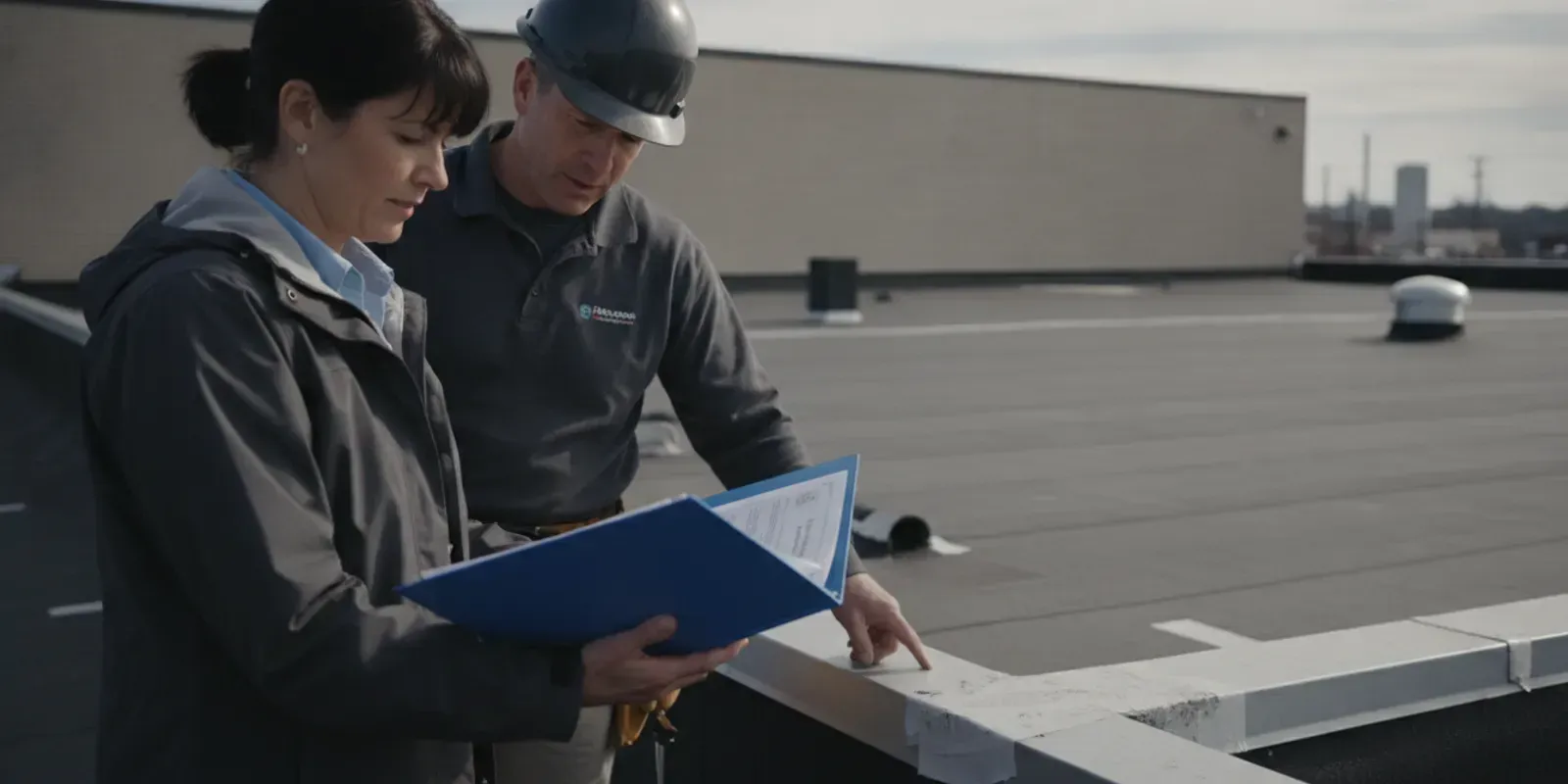
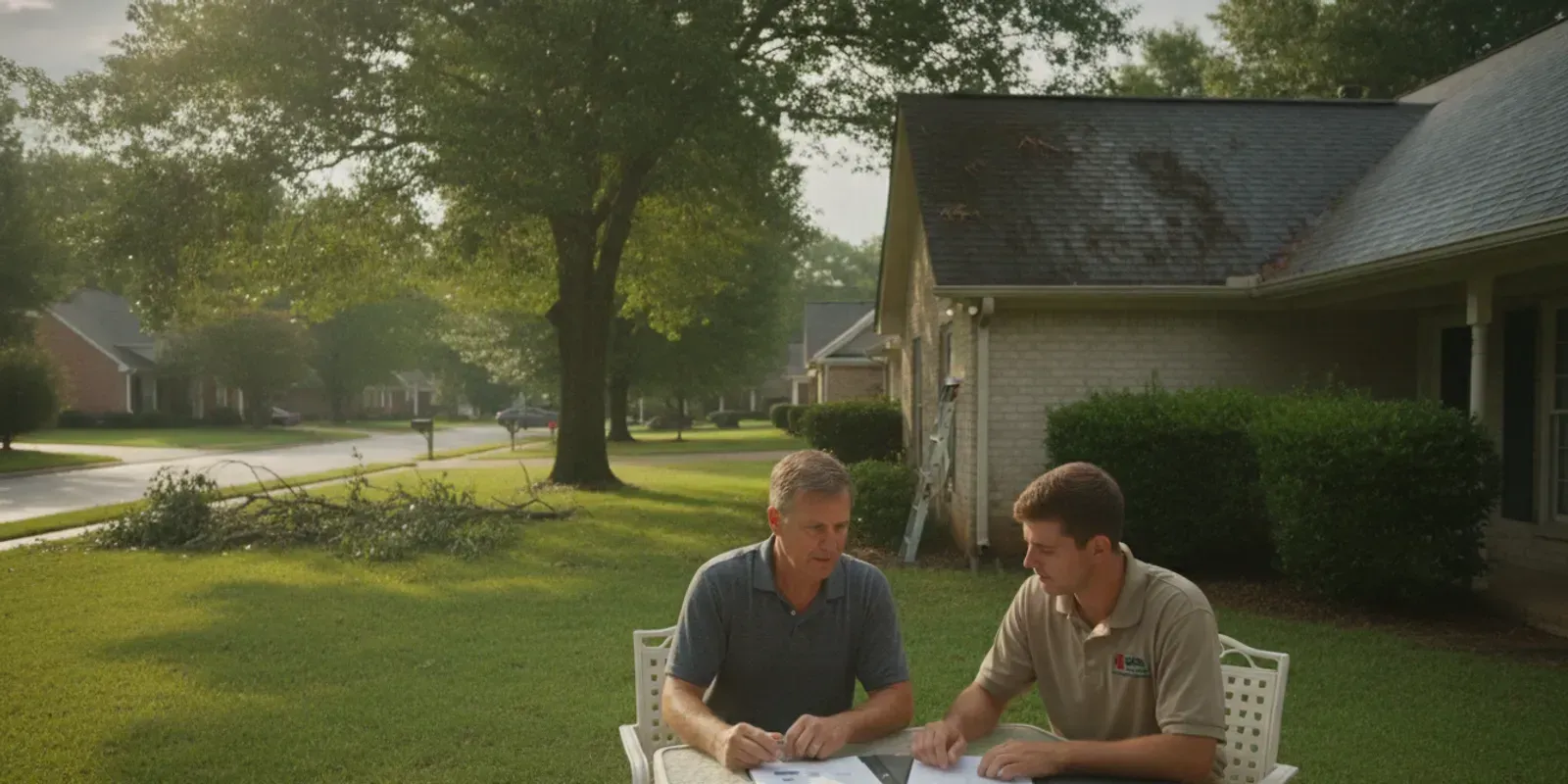
Before work begins, make sure you understand the planned scope and how the crew will communicate with you. Your written estimate or project documents should explain the roof work, the materials and components included, the expected sequence, and the terms that apply. Ask what is excluded, too. If you are comparing estimates, the roofing process step by step guide can help you think through the stages and questions to raise.
Confirm practical details with your roofing contractor ahead of time:
- Schedule: Ask for the anticipated start date, approximate duration, and how you will hear about changes. A one-to-three-day timeline is common for residential replacement, not a promise; complex roofs and unexpected conditions may take longer.
- Access: Ask where workers and delivery vehicles will enter, where materials may be staged, and which areas should stay clear.
- Protection: Discuss how the crew plans to protect landscaping, outdoor equipment, and the areas around the house.
- Scope changes: Ask how the contractor will explain any concealed damage or additional work before proceeding.
- Questions and updates: Agree on the best contact method and who to reach if you have a concern while work is underway.
If you have not settled on the work scope, review the company’s residential roofing services and bring specific questions to your estimate conversation. The aim is to know what has been agreed to, not to guess how a crew will handle details that are specific to your roof.
How can you prepare your home and family?
Roof work happens above and around the house, so preparation is mostly about access, noise, and protecting belongings. You usually do not need to empty every room. Still, it helps to secure fragile items and clear work areas before the crew arrives.
- Move vehicles: Park away from the driveway and the areas where a delivery truck, work vehicle, or debris container may need access. Follow the contractor’s instructions about where to park.
- Clear outdoor items: Move patio furniture, grills, planters, toys, and tools away from the home where practical. Ask the contractor which areas need to be open.
- Protect fragile belongings: The work can cause vibration. Consider taking down delicate wall hangings or objects on shelves, especially in rooms directly beneath the roof.
- Plan for noise: Tear-off and installation involve repeated movement and tool use. If anyone works from home, studies, or needs quiet, consider arranging a quieter place for those hours.
- Keep children away from the work zone: Set clear boundaries around ladders, tools, materials, and debris. Children should not enter the work area.
- Make a pet plan: Dogs and other noise-sensitive pets may be unsettled by activity overhead. Keep them indoors or away from the work area, and consider a quieter location if they are likely to be distressed.
- Secure gates: Let the crew know about pets, locked gates, or other access needs before the start.
Ask whether you should move anything from a specific porch, garage, or side yard rather than assuming the crew will handle it. If a room has a known ceiling issue or a particularly delicate fixture, mention it before the work starts. These practical details make it easier to prepare without disrupting more of your home than necessary.
What happens on the first morning?
The crew typically arrives, sets up the work area, and reviews access and safety arrangements. Materials and equipment may arrive before or during the scheduled work. Your contractor may ask you to confirm that vehicles and personal belongings have been moved. If you have a question about a delivery, staging area, or route around the home, ask the project contact before work is underway.
Once the site is set up, the crew begins the agreed work. There may be activity on the roof and around the ground-level perimeter. Stay clear of ladders, tools, and areas where materials are being carried or dropped. Do not walk beneath active work or try to retrieve something from the work zone without speaking to the crew.
You do not generally need to supervise every task. You do need a reliable way to reach the contractor if there is a concern or a decision to discuss. If you will be away, confirm who can contact you and how. Keep your phone available for questions about the work, especially if the contractor needs to explain a condition uncovered after tear-off.
What happens during tear-off?
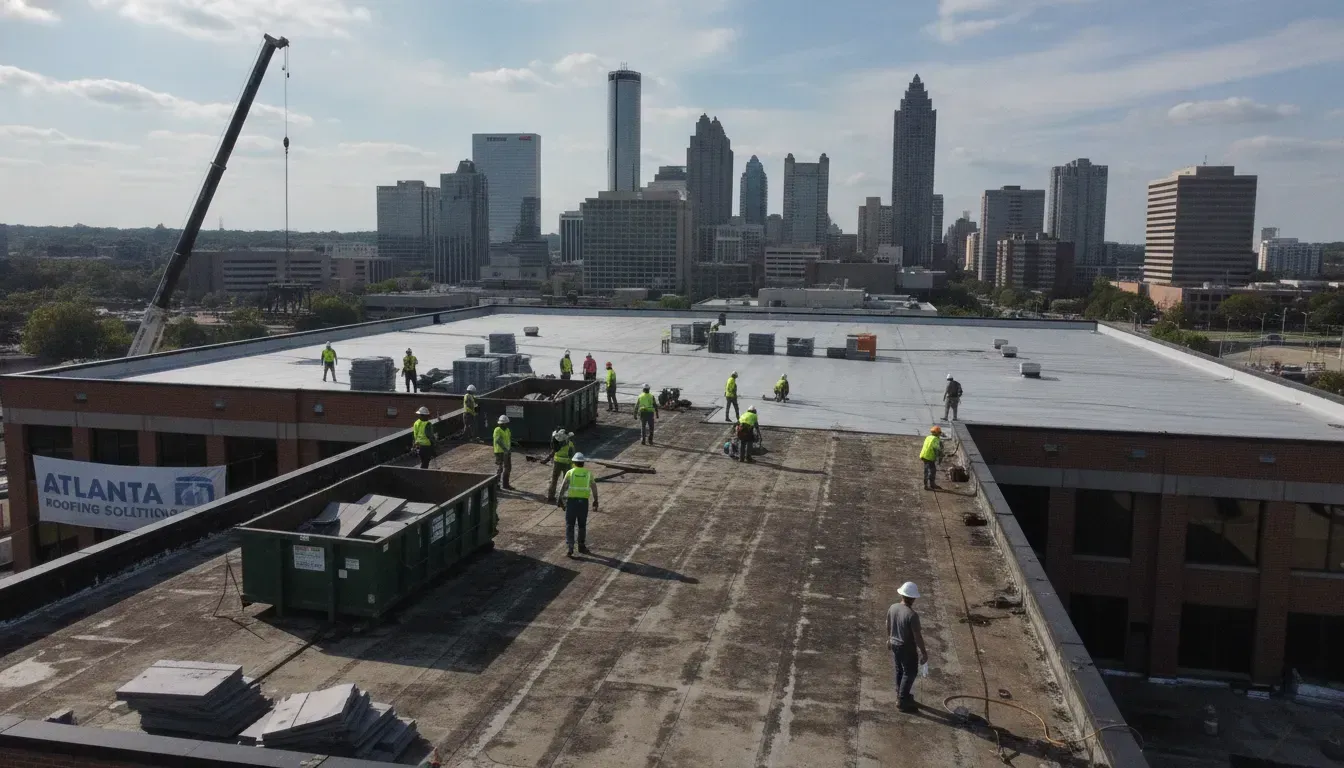
Tear-off is the removal of the existing roofing material in the areas included in the project. It is often one of the noisiest parts. Workers remove old shingles and related materials, and debris is brought down to a designated collection area. You may hear banging, footsteps, and movement on the roof. Some vibration inside the house is possible.
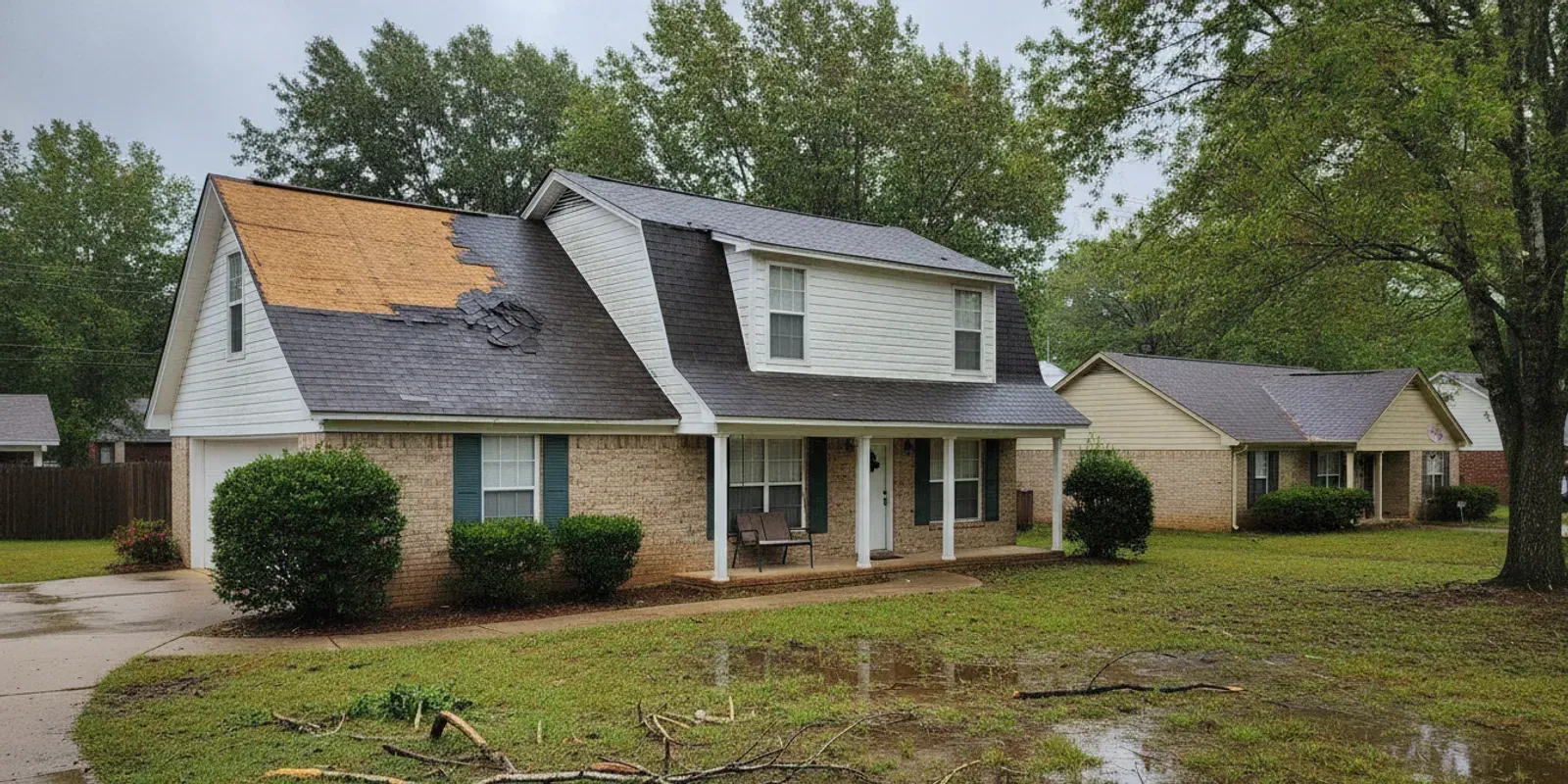
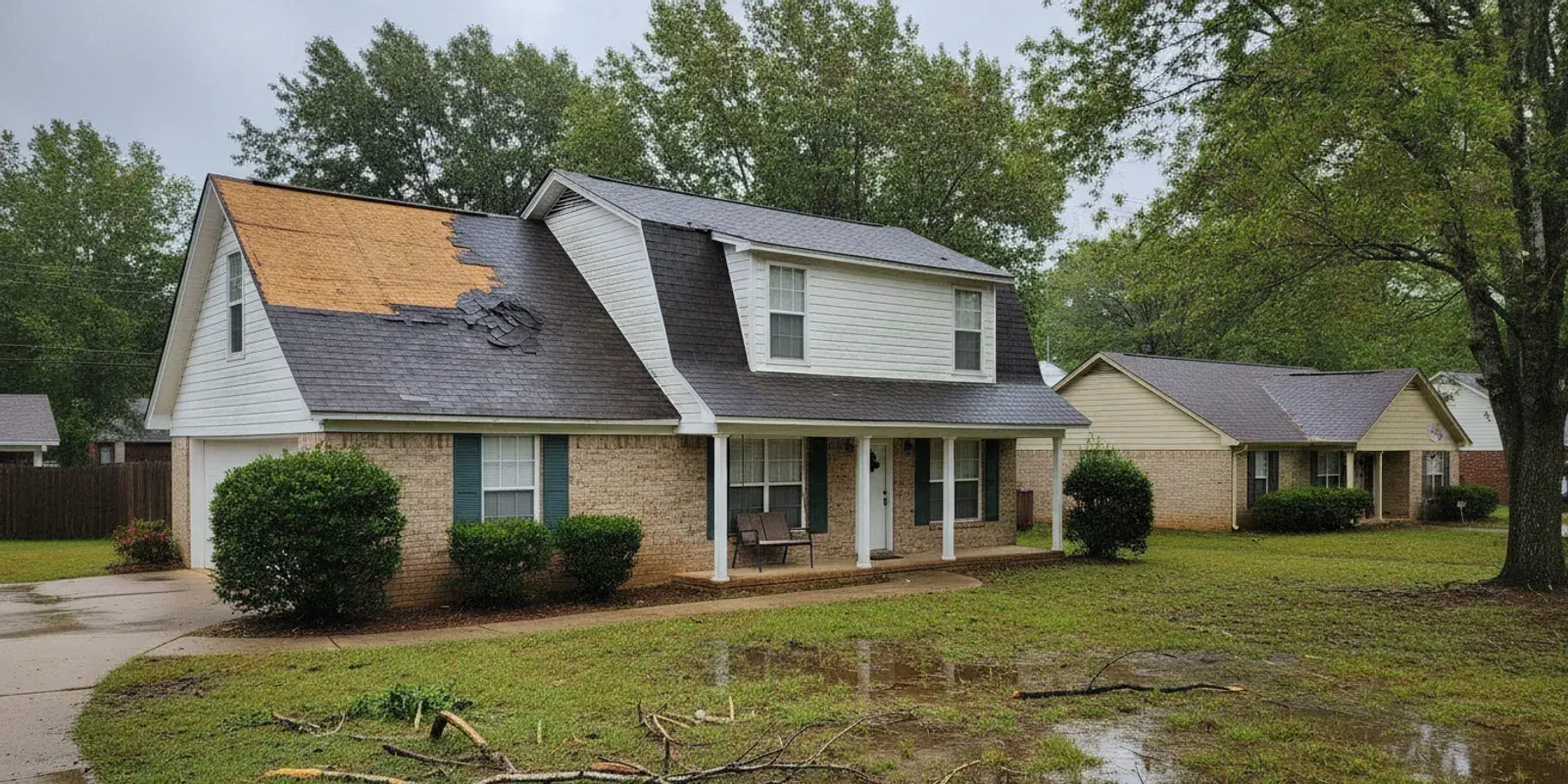
As material is removed, the crew can see the roof deck more clearly. If they find damaged or deteriorated sections, that condition may need attention before new roofing goes on. The right next step depends on what is found and the terms of your project. Ask the contractor to explain the location, proposed work, and any scope or cost implications before approving a change. Avoid assuming that a hidden condition is included or excluded until you check the agreement.
Homeowners sometimes worry when the roof surface is temporarily open. Ask how the crew will manage exposed areas if work pauses or weather changes. A contractor should explain the job-specific plan. The process and any protective measures will depend on the roof, the conditions, and the work schedule.
How is the new roof installed?
After removal and any agreed deck work, the crew installs the components in the project scope. On an asphalt shingle roof, this may include underlayment and shingles, along with the necessary roof-edge, flashing, and ventilation details specified for the job. The exact products and sequence depend on the roof design and the estimate. Use your written scope to check what is included instead of relying on a generic list.
Roofing work involves repeated handling of materials and tools, so this stage can also be noisy. The crew moves across the roof and works through the planned areas. A roof with multiple slopes, valleys, penetrations, or other details may require more careful work than a simple roof shape. Ask the contractor to explain how the scope addresses roof features such as vents, chimneys, or skylights if they apply to your home.
If you are still considering roofing materials, the article on choosing roofing materials for Georgia weather offers a framework for comparing options. The material selected for your project should be the one documented in your agreement, not an assumption based on a sample or a conversation from earlier in the planning process.
How can Georgia weather affect the schedule?
Roof work takes place outdoors, so rain, wind, and other changing conditions can affect when a crew can safely work and when materials can be installed. Georgia weather can shift, and a forecast is useful for planning but cannot guarantee the conditions at the roof. The National Weather Service provides local forecasts and weather alerts; your roofing contractor should explain how conditions may affect the work on your home.
If the forecast changes, ask whether the start date, daily work plan, or expected finish has changed. A pause can be frustrating, but it is better to get a clear update than to assume the crew is proceeding on the original schedule. Ask what happens to exposed sections and when you should expect the next status update. The details depend on the job and the conditions, so do not rely on a general online timeline as a guarantee.
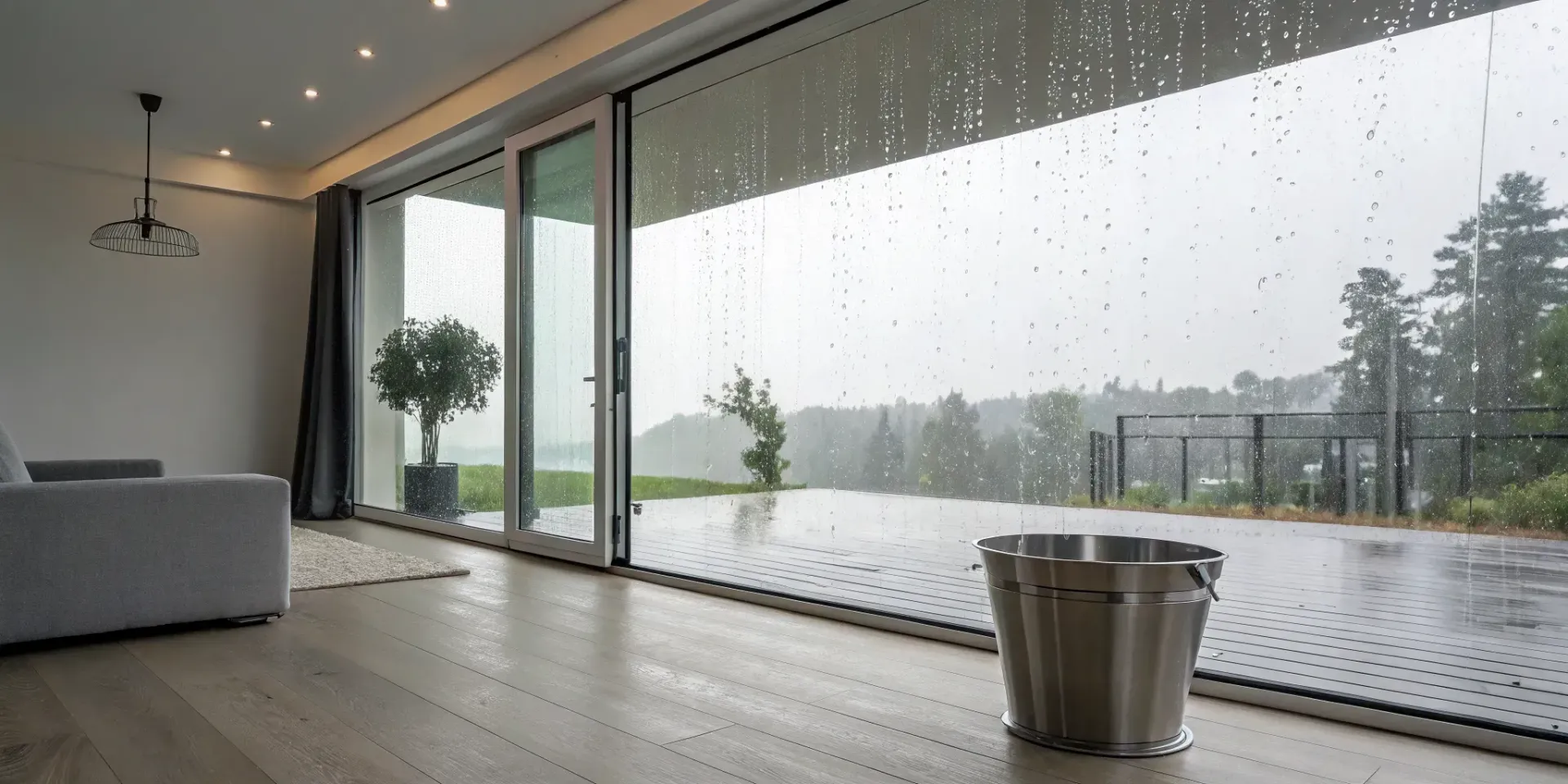
Before work begins, consider discussing how your contractor will notify you about weather delays and who will make that contact. If you notice a leak or another urgent concern during or after a storm, explain what you see and where it is happening. Total Roof Solutions also has information on what to do first with a roof leak in Georgia.
What should you expect around the house during the work?
Expect active work around the property and keep a safe distance from the crew. Roof replacement may involve noise, foot traffic, material handling, and debris collection near the house. The exact setup varies. Keep children and pets away, do not move equipment or materials, and follow any instructions about which doors or paths to use.
Check in with your contractor if you need to enter or leave through an area near the work. If you have a delivery, scheduled appointment, or access need, communicate it early. Residents who work from home may find the loudest periods difficult for calls. If possible, plan important calls away from the house or at a time the contractor expects the work to be quieter. Do not count on a precise noise schedule unless your project contact has provided one.
It can also help to let household members know that the job site is not a place to watch from underneath the roof edge. If you want to see progress, ask the project contact how to do so safely. Do not climb a ladder or walk onto the roof to inspect work yourself.
How does cleanup and the final walkthrough work?
At the end of the project, the crew should address the work area and remove project debris according to the arrangements for your job. Cleanup may include collecting leftover materials and checking the ground around the home. Ask what cleanup is included and whether you should expect any follow-up visit. If you see debris or have a concern, tell the project contact promptly and identify the location.
Take time to review the completed work with the contractor or project representative. The walkthrough is your chance to confirm that the agreed scope appears complete and ask about anything you do not understand. Useful questions include:
- Were any changes made to the original scope, and where are they documented?
- What roofing components were installed, and what care or maintenance should I know about?
- Are there any remaining items or follow-up work, and when should I expect an update?
- What paperwork, product details, or warranty information applies to my project?
- Who should I contact if I notice a concern after the crew leaves?
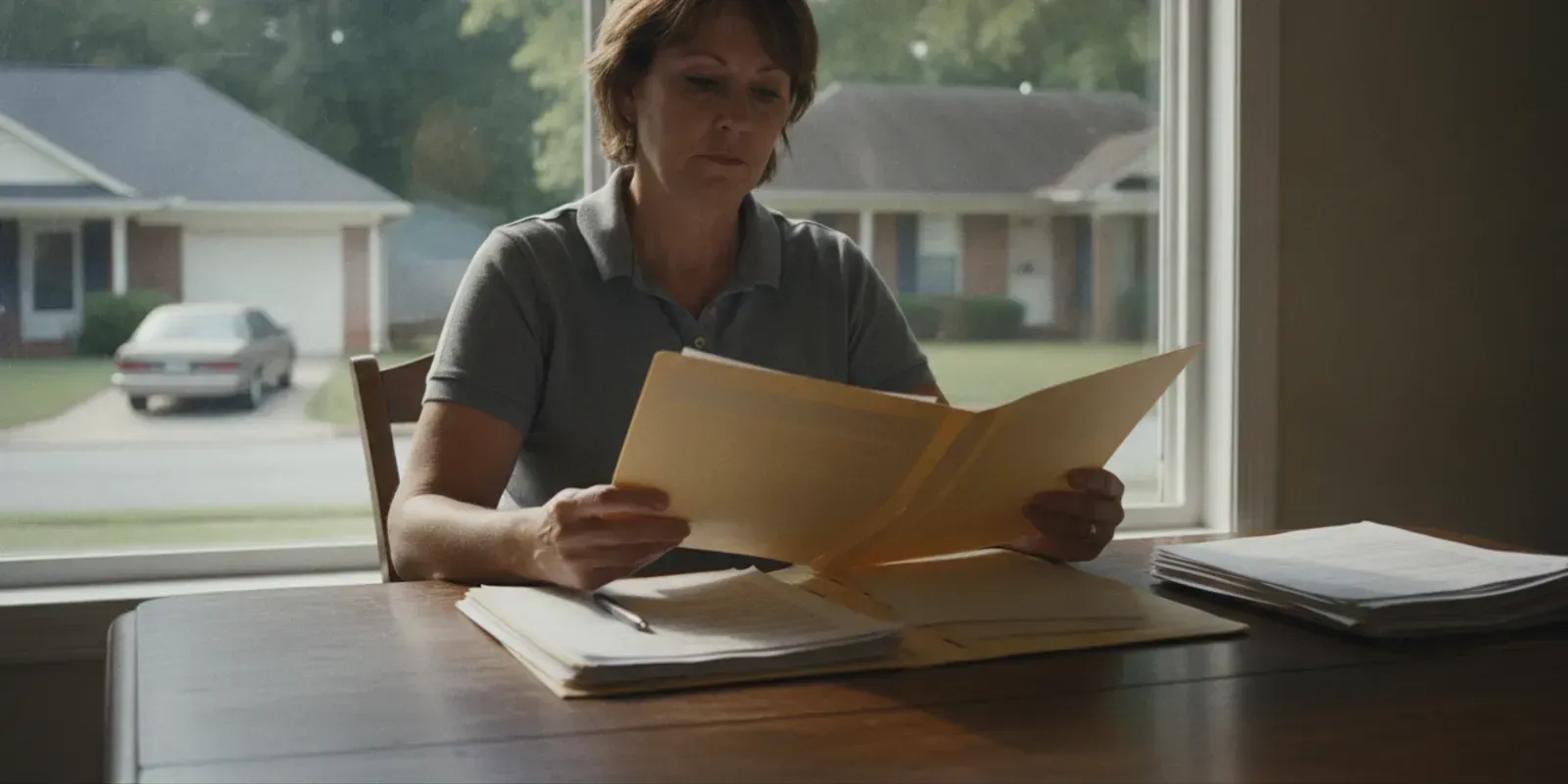
Keep your estimate, agreement, change documentation, and project communications together. If you are uncertain what a document means, ask the contractor to explain it rather than interpreting it from a checklist written for another home. You can also look at examples of Total Roof Solutions’ work to get a sense of the kinds of roofing projects the company shares.
How long does roof replacement usually take?
A residential replacement commonly takes about one to three days, but the schedule depends on the specific roof and project conditions. Roof size and shape, the number of details, material availability, weather, and repairs discovered during tear-off can all affect timing. A simple roof may progress differently from a complex roof with multiple slopes and features. Ask for the anticipated range for your own project and how schedule changes will be communicated.
It is also useful to distinguish the on-site work from the full planning process. The installation days are only one part of a replacement. Decisions about scope and materials, scheduling, delivery, and weather can affect when work starts and when it is fully finished. For more on planning the larger project, see this guide to how long it takes to replace a roof.
What should you ask before approving the work?
Good questions are specific to your roof and written scope. Before the crew arrives, make sure you can answer these:
- What materials and work are included in the estimate?
- Where will materials, vehicles, and debris be placed?
- What should I move or protect before the start?
- Who is my contact during the project, and how will I receive updates?
- How will the contractor discuss concealed damage or other changes?
- How might weather affect the schedule, and how will exposed areas be managed if work pauses?
- What does the final cleanup and walkthrough include?
If you are comparing bids, review the scope line by line rather than comparing only a total price. The article on roof replacement costs in Georgia explains factors that can shape a project estimate. You can also ask about available roofing financing information if payment options are part of your planning.
Frequently asked questions about roof replacement
Do I need to leave my home while the roof is being replaced?
Many homeowners remain at home, but the work can be loud and there will be an active work area around the house. Whether staying is comfortable depends on your household, schedule, and sensitivities to noise. If you plan to leave, make sure the contractor can reach you and knows how to handle any questions that need your attention.
Should I move everything out of the attic?
Ask your contractor whether attic access or protection is needed for your particular project. You generally do not need to clear every indoor space, but it is sensible to secure fragile items and discuss stored belongings if the attic is directly beneath the work area or has a known concern.
Can rain delay roof replacement?
Yes. Rain and other weather conditions may change the work schedule. Ask your project contact how weather updates will be shared and what steps apply to exposed areas on your roof. The plan depends on the job and current conditions.
What if the crew finds damage beneath the shingles?
Ask the contractor to explain what was found, where it is, and what work is recommended. Confirm how the proposed work affects the scope and cost before approving a change. Keep the explanation and any revised agreement with your project documents.
Roof replacement is easier to navigate when you know the general sequence, prepare the areas around your home, and have a clear way to ask questions. Your contractor can give you the schedule and job-specific details that a general guide cannot, so confirm the plan before work begins and speak up whenever something is unclear.
Choosing Roofing Materials for Georgia Heat and Storms: Best Roofing Materials for Residential Homes