Gutter Guard Installation Guide for Atlanta Homeowners
MEGA MEGA • November 23, 2026
Schedule a free gutter guard consultation in Atlanta. Learn about gutter guard installation types, costs, step-by-step methods, and whether DIY or...

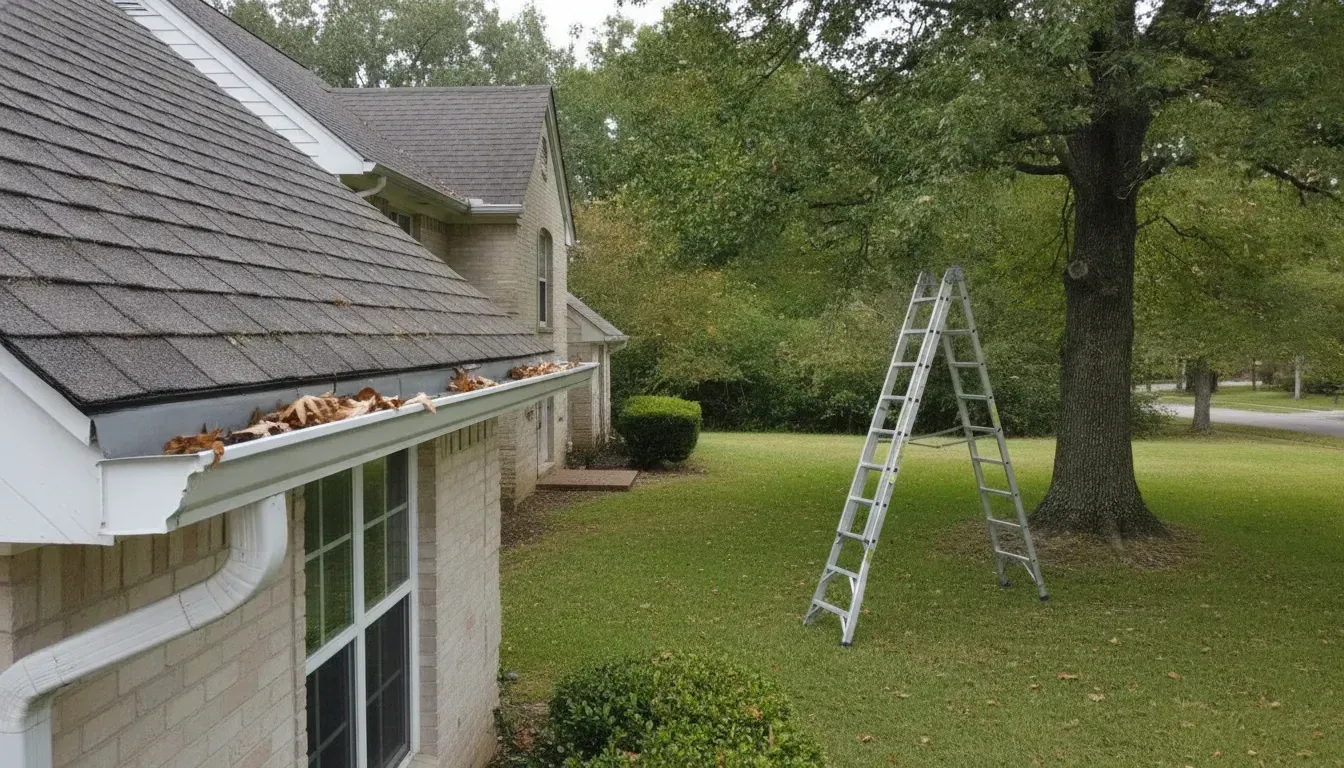
Rainwater overflowing from blocked gutters can quickly rot your fascia boards and damage your roof sheathing. This constant, unmanaged moisture often seeps down into crawlspaces, causing expensive wood decay, structural damage, and mold. Homeowners who ignore these early warning signs face high repair bills when the next heavy storm hits the Atlanta area.
But before you buy any new gutter materials or climb onto your roof, you should understand how these systems protect your home. You will want to see how different designs perform and how they handle heavy Georgia downpours and thick pine needles. To make the right choice for your property, let's explore What Are Gutter Guards and Why Do You Need Them? as the path begins with
What Are Gutter Guards and Why Do You Need Them?
The basic function of gutter covers
What are gutter guards? These systems act as a safe cover over your water channels. They let rain flow through but keep leaves, pine needles, and twigs out. Planning a professional gutter guard installation is a smart way to protect your home.
These covers come in many styles, like mesh, screen, or foam. They block big debris from getting into your channels while letting water pass through freely. This simple step keeps your home's water systems working well all year. Our local gutter services help keep your channels clean so they can protect your roof and walls.
Without guards, you must clean your gutters many times a year. Cleaning these channels by hand is a hard chore that can be unsafe for you. Guards keep birds, squirrels, and bugs from nesting in your channels. With these covers in place, you can make your yearly home care much more simple.
How clogged channels cause water damage
Proper water control is key to keep your Georgia home safe and dry. A well-built and clean system is needed to prevent water damage, as noted by the NCSU extension service. Without these covers, your home's gutters can fill up with leaves and twigs in just one season. When rain has nowhere to go, it spills over and pools next to your home.
This pooling water can cause great harm to your concrete foundation. Over time, the wet soil shifts and cracks start to form. These issues are costly to fix and can make your home unsafe. Proper drainage is key to keep your structure strong.
Also, clogged channels damage the fascia board and roof sheathing, as discussed in a UC ANR guide on gutter care. When wet leaves sit against your roof line, wood rot sets in quickly. This decay can spread to your attic and roof deck. Fixing this rot needs a lot of work and costly parts.
Hidden fire risks and mold issues
Clogged gutters can also cause big moisture issues in crawlspaces or basements. When water cannot flow away, it leaks into the lower levels of your house. This extra moisture leads to mold growth and wood decay. These problems hurt your clean indoor air and your wood support beams.
Dry leaves and pine needles are also a big risk. If these items sit in your gutters, they can catch fire fast from a stray spark. This dry debris is a real fire hazard that can expose your whole roof line to flames. Keeping your gutters clear of dry leaves helps protect your home from fire risks during hot dry spells.
Types of Gutter Guards: Which One Is Right for Your Home?
Adding gutter guards is a smart step to protect your roof and home from water damage. Before you start your gutter guard installation, you must choose the right style for your home. Each style handles leaves, twigs, and pine needles in its own way. Some types are easy to set up on your own, while others need a pro.
Popular design options
Foam inserts fill the gutter to block leaves. Brush guards look like giant pipe cleaners and sit inside the channel. Both styles are low in cost and simple to place, but they have major drawbacks. You must replace foam and brush guards every year or two because they rot or trap small dirt. They also need manual cleaning at least once a year.
Screens and micromesh covers offer a better path. Screen guards have small holes that let water through but block larger debris. Micromesh is even finer, made of woven steel that stops tiny pine needles and sand. Adding these guards or strainers can help keep debris from clogging gutters, lowering your gutter chores. Studies from the North Carolina Cooperative Extension show that well-designed gutter systems keep water flowing.
Reverse-curve guards use surface tension to guide water. The water clings to the curved metal and flows into the gutter, while leaves slide off the edge. These guards are durable but need a precise slope to work right. If the slope is off, water can flow past the gutter and pool near your home.
Comparing cost and ease of use
Gutter guard costs vary by style, home size, and how hard they are to fit. Parts cost from $0.50 to $7.00 per foot. Plastic screens and foam sit at the low end, while steel micromesh and metal covers cost more.
Type. | Materials. | Cost/ft. | DIY Difficulty. | Best For.
Foam Inserts. Foam plastic. $0.50 - $1.50. Easy. Quick DIY fixes.
Brush Guards. Nylon and wire. $0.50 - $2.00. Easy. Temporary debris blocking.
Screen/Mesh. Plastic or aluminum. $0.50 - $1.50. Medium. Standard leaf blocking.
Micromesh. Stainless steel. $1.50 - $4.00. Medium. Fine pine needles.
Reverse-Curve. Metal or steel. $3.00 - $7.00. Hard. Heavy leaf areas.
Choosing the best fit
The right choice depends on your local trees and how much time you want to spend on ladders. If you have big oak or pine trees, thin foam or brush guards will not last long. They clog fast and need constant care. For most Georgia homes, stainless steel micromesh offers the best mix of strength and flow.
If you want to avoid constant climbs to clear your gutters, think about hiring a team. Expert gutter guard installation ensures the system fits tight and slopes right. A poor fit can ruin your gutters and cause major water damage to your roof. You can contact an expert for a gutter installation and repair quote to keep your home safe and dry.
Gutter Guard Installation Costs: What to Expect
Getting gutter guards is a smart way to protect your home. But before you start, you should know what the setup will cost. The total price depends on the size of your house and the type of guards you choose. A good gutter management system is key to keeping moisture out of your roof and walls.
Material costs by guard type
Most homes in the United States have about 200 linear feet of gutters. For a house of this size, material costs often range from $100 to $1,400 or more. Your final bill will depend on the strength of the guard style you buy.
Basic plastic screens or aluminum mesh are the lowest cost choices. These simple screens cost about $0.50 to $1.50 per linear foot. They keep out big leaves, but small debris can still slip through.
If you want better guards, you can choose steel screens or micromesh. These materials cost about $1.50 to $4.00 per linear foot. They do a better job of blocking pine needles and fine dirt.
The strongest option is a full gutter guard or cover. These solid covers cost about $3.00 to $7.00 per linear foot. They offer the best defense against all types of clog hazards.
Labor and installation factors
While buying the parts is the first step, labor is also a major cost factor. A professional gutter guard installation ensures that the guards fit tight and work well. Professional installers charge for their time, tools, and safety gear.
Several things can change the price of your installation project. For instance, two-story homes need more labor than ranch houses because workers must climb higher. Steep roof slopes and hard-to-reach gutters also make the work take longer.
The current state of your gutters also matters. If your gutters are sagging or bent, workers must fix them before they put the guards on. In some cases, you may need a full gutter installation and repair in Atlanta before adding guards.
Long-term value of your investment
Paying for guards now can save you a lot of money down the road. Clogged gutters can cause big moisture issues in crawlspaces or basements, leading to wood decay and mold. Fixing this home damage costs much more than a set of guards.
Without guards, you must clean your gutters several times a year. If you hire help, those cleaning fees add up fast. Over a few years, the cost of gutter guard installation is often lower than paying for constant gutter cleanings.
Guards also make your home much safer. You will not have to climb tall ladders to scoop out wet leaves and muck. This cuts the risk of falls and keeps you safe on the ground.
How to Install Gutter Guards: Step-by-Step Overview
Putting in gutter guards takes careful prep, a snug fit, and tight screws to keep your system clean. While a DIY gutter guard installation can be done, proper fit is needed to protect your roof and home.
Essential prep work
Before you start, you must clean your gutters. Remove all leaves, twigs, and muck from the troughs. Check for loose brackets, sagging parts, or rust. This is a good time to get gutter installation and repair in Atlanta if you find deep damage.
Good gutter care with a guard is needed to protect your roof health. A clean system lets water flow away from your roof edge. Putting in guards will stop leaves from blocking the flow. In fact, a study shows that putting in guards can prevent debris from clogging gutters and save you time on yearly care.
When you leave your gutters clogged, the damage can spread fast. Heavy muck can break your fascia boards and damage the roof sheathing. In dry areas, dried leaves and pine needles in your gutters also pose a serious fire risk. A study shows that clogged gutters can damage fascia and allow fire to spread to the roof edge.
The step-by-step process
Putting guards on your home is easy when you follow the right steps. Here is how to handle your gutter guard installation from start to finish.
- Clean and check the gutters. Clear out all leaves and muck, then wash the troughs with a hose. Look for leaks, sagging parts, or loose brackets that need repair before you add the guards.
- Measure and cut the guards. Measure the length of your gutter runs to find out how much material you need. Use tin snips or a hacksaw to cut the guards to size so they fit snug.
- Secure the guards in place. Slide the guards under the shingles or clip them to the outer edge. Use screws or clips to hold them tight based on the guard type.
- Test the water flow. Run water from a hose into the gutters at the highest point. Watch the water flow to make sure it passes through the guards and drains without spilling.
- Perform a final check. Watch your gutter guards during and after the first heavy rain. Check that the water goes into the gutter and does not splash over the edge.
Post-installation checks
Once your guards are on, you should check them often. While guards block most leaves, they help but do not replace the need for regular cleaning. You will still need to clear small dust and seeds that may sit on top of the screens over time.
To keep your system in top shape, check your gutters at least once a year. You should also check them after major storms or heavy winds. This makes sure the guards did not shift and are still tightly held to your gutters.
DIY vs Professional Gutter Guard Installation
Choosing how to protect your gutters is a big step. Many people try to save money by doing the work themselves. But hiring an expert is often the best choice for long-term safety and value. The right path depends on your home, your skills, and the type of guard you choose.
Best cases for DIY projects
A DIY job can work well on some homes. If your home has a single story and a flat yard, the work is much safer. Simple guards like foam, brush, or screens work best for DIY since you can buy them at local stores. They slide into place without special tools and are a good choice if you want a fast, low-cost project.
But simple guards have clear limits. You must remove and clean foam or brush guards at least once a year, and they also trap seeds and dirt. Because of this, you must replace them every year or two. This constant upkeep can be a hassle for many homeowners. As the NC State Extension notes, these guards complement rather than replace the need for regular cleaning.
Challenges of high-pitch roofs
Complex homes make DIY work unsafe and hard. Houses with two or more stories need very tall ladders that are hard to move. If your roof is steep, walking on it is unsafe without proper safety gear. In these cases, professional help is the best way to prevent dangerous falls.
Benefits of expert installation
Premium systems like micromesh and under-shingle guards need professional tools. Installing them wrong can void your roof warranty or cause leaks under your shingles. Experts know how to set the guards at the correct angle so water flows freely. They also have access to high-quality materials that are not sold in local stores. For the best results, look for trusted gutter installation and repair in Atlanta to get a secure fit.
Safety is another huge benefit of hiring an expert, as a gutter guard installation takes hours on a ladder. Professional installers have the right safety gear and training to prevent falls. They also inspect your gutters first to fix any sagging or damage. This inspection ensures your system works well for years to come. In the end, professional work gives you peace of mind that DIY options cannot match.
Maintaining Your Gutter Guards After Installation
Gutter guards are a great way to keep your home safe from clogs. A new gutter guard installation can save you a lot of time on home chores. But do not think you can forget about upkeep. They help a lot, but they are not hands-free.
Why periodic upkeep is still needed
Guards are built to block leaves, twigs, and pine needles. Still, some fine dirt and small debris can slip through the mesh over time. A guide from NCSU Extension notes that guards complement rather than replace the need for periodic cleaning. You will still need to check them to keep water flowing well.
You should check your gutters on a regular schedule. Experts suggest that you inspect your gutters yearly and after major weather events. It is also smart to look at them after high winds. Heavy rain and wind can pile wet leaves on top of the guards. If debris sits there, water cannot enter the gutter.
Common gutter guard problems to watch for
Even with guards, a few common issues can occur. You should look for these key warning signs:
- Debris buildup: Leaves and pine needles can rest on top of the guards and block water.
- Sagging parts: Heavy snow or branch impacts can cause the gutters or guards to bend.
- Gaps and cracks: Over time, sections can shift and leave small gaps where pests enter.
- Ice dams: In winter, frozen water can back up and form thick ice ridges along the roof edge.
Checking your downspouts and drainage
Checking the guards is only part of the job. Downspouts must be clear too. To protect your home, water should drain at least 10 feet from the foundation. This is a key safety guideline backed by research from NCSU. Plastic or metal pipe extensions can help carry this water far away.
To make this chore simple, use a plan. A clear gutter inspection checklist will help you track each task. If you find sagging spots or gaps, you can call in a professional team to fix them. Taking care of small repairs now will protect your home for many years to come.
Frequently Asked Questions
Do I need to clean gutters before installing gutter guards?
Yes, you must clean your gutters and downspouts fully before your gutter guard installation. Any left-over leaves or twigs will keep the guards from fitting right and can trap water against your house. Cleaning first helps you find leaks or sagging spots that need repair. According to the North Carolina State University Extension, a clean gutter system is key to protect your home from water damage.
Can I install gutter guards myself?
Yes, DIY gutter guard installation is possible if you have basic tools and a strong ladder. Still, working up high on a ladder carries big safety risks. A pro setup ensures the guards fit tight and do not ruin your roof warranty. If you make a mistake, water might back up under your shingles. According to the University of California, clogged or bad gutter systems can damage your fascia boards and roof wood.
How much does gutter guard installation cost?
The cost of your gutter guard installation depends on your home size, roof shape, and the type of guard you choose. Simple plastic mesh screens cost much less than heavy steel guards. While DIY setups cost less upfront, pro work includes the cost of cleaning, adjusting, and sealing your gutters first. This ensures the guards work right and protect your home for many years to come.
Do gutter guards prevent all leaf clogs?
No gutter guard can block all debris or stop the need for basic cleaning. Small pine needles or seeds might still get inside or sit on top of the mesh. However, guards do stop major clogs that block water flow and damage your roof. According to the North Carolina State University Extension, you should still check your gutters once a year.
Ready to protect your home with gutter guards?
Clogged gutters can lead to costly water damage on your roof and foundation because trapped storm water has nowhere to go during heavy rains. Leaving this common issue alone only makes the risk of mold growth and wood rot worse, which will cost much more to repair later on. Our professional gutter services team can install strong guards quickly, saving you from the risky chore of climbing tall ladders to clean out messy debris.
Ready to protect your home? Our expert team is ready to help you find the right gutter guard system for your Georgia house. Call (470) 333-7863 today to schedule a free gutter consultation and secure your property.