The Ultimate Commercial Flat Roofing Guide
Stephen Griswell • April 20, 2026
TPO, EPDM, PVC, Modified Bitumen—the terminology alone can feel overwhelming when you start researching a new roof. It’s easy to get lost in the technical details, but choosing the right system doesn't have to be complicated. Each of these materials was designed to solve specific challenges, whether it's reflecting the intense Georgia sun, resisting chemicals from rooftop vents, or standing up to heavy foot traffic. Our goal is to demystify the process. This guide breaks down the most common types of commercial flat roofing in simple terms, explaining the key advantages of each so you can match the right material to your building’s unique needs and budget.
Key Takeaways
- Choose the right material for your building : The best commercial roofing system depends on your specific situation, so weigh factors like budget, climate, and building use when selecting between options like energy-efficient TPO, durable EPDM, or chemical-resistant PVC.
- Proactive maintenance is your best defense: You can significantly extend your roof's lifespan by scheduling regular professional inspections, keeping drainage systems clear of debris, and addressing small leaks immediately before they cause widespread damage.
- A quality installation is non-negotiable: Your roof's long-term performance relies on expert installation, so always hire a licensed, insured, and experienced contractor who provides strong workmanship warranties to protect your investment.
What Are My Commercial Flat Roofing Options?
Choosing the right material for your flat roof is one of the most important decisions you'll make for your commercial property. The best option depends on your building's specific needs, your budget, and the local climate here in Georgia. A durable, well-installed roof protects your investment, inventory, and daily operations from the elements. As a certified commercial roofing contractor, we work with a variety of high-performance materials designed for longevity and efficiency. Understanding your choices is the first step toward making a smart investment that will protect your property for decades. Let’s walk through the most common and reliable flat roofing systems so you can feel confident in your choice. Each material offers a unique set of benefits, and one is likely the perfect fit for your building.
EPDM Rubber Roofing
Often called "rubber roofing," EPDM (Ethylene Propylene Diene Monomer) is a top contender for commercial buildings. This single-ply membrane is made from a durable, synthetic rubber material that stands up incredibly well to wear and tear. Because it comes in large sheets, an EPDM roof has fewer seams, which means fewer potential spots for leaks to develop. It’s also lightweight, which reduces stress on your building’s structure. With some EPDM roofs lasting for 50 years or more and warranties often extending up to 30 years, it’s a smart, long-term investment for property owners who prioritize durability and a straightforward installation process.
TPO Thermoplastic Roofing
If energy efficiency is high on your priority list, TPO (Thermoplastic Polyolefin) is an excellent choice. This single-ply roofing membrane is known for its reflective surface, which bounces sunlight and UV rays away from your building. This helps keep your property cooler during hot Georgia summers and can lead to significant savings on energy bills. Beyond its energy-saving benefits, TPO is also highly resistant to fire, wind, and punctures. Its durability and cost-effectiveness have made it one of the most popular flat roofing materials for commercial properties across the country.
PVC Single-Ply Membrane
PVC (Polyvinyl Chloride) roofing is another fantastic single-ply membrane, especially for certain types of businesses. Like TPO, it’s highly reflective and can block up to 90% of the sun's harmful rays, making it a great option for improving energy efficiency. What sets PVC apart is its exceptional resistance to chemicals, oils, and fats. This makes it the ideal roofing material for restaurants, food production facilities, and any building where rooftop vents might expel greasy or oily vapor. Its welded seams create a watertight bond, offering superior protection against leaks and moisture.
Modified Bitumen Systems
Modified Bitumen (Mod Bit) is a multi-layered roofing system that combines traditional asphalt with modern rubber or plastic polymers. This blend creates a thick, durable, and flexible membrane that can handle a lot of stress. One of its biggest advantages is its ability to withstand heavy foot traffic, making it a great choice for buildings where maintenance crews frequently access rooftop HVAC units or other equipment. Modified Bitumen roofs are also known for their reflective surfaces, which can help lower cooling costs, and their layered design provides excellent protection against leaks and punctures.
Built-Up Roofing (BUR)
Built-Up Roofing, or BUR, is the classic "tar and gravel" roof you’ve likely seen on many commercial buildings. It’s one of the oldest and most trusted roofing methods for a reason. This system is constructed with multiple layers of asphalt (bitumen) and reinforcing fabrics (felts), then topped with a layer of gravel or other aggregate. This multi-layer construction makes BUR systems incredibly durable, waterproof, and resistant to damage. While they require minimal upkeep, regular inspections are a good idea. For property owners looking for a time-tested, tough, and easy-to-repair roofing solution, BUR remains a solid choice.
Weighing the Pros and Cons of Each Roofing Material
Choosing the right material for your commercial flat roof is one of the most important decisions you'll make for your property. Each option comes with its own unique set of benefits and drawbacks, and the best choice often depends on your specific needs, budget, and local climate. Think about factors like your building's structure, how much foot traffic the roof will get, and your long-term energy efficiency goals.
Making an informed decision now can save you from costly repairs and headaches down the road. A durable, well-installed roof protects your investment, keeps your tenants or employees safe, and can even lower your utility bills. As you explore these materials, remember that the quality of the installation is just as crucial as the material itself. Working with an experienced team ensures your new commercial roofing system performs as it should for years to come. Let’s break down the most common options so you can feel confident in your choice.
EPDM: The Pros and Cons
EPDM, a synthetic rubber membrane, is a go-to choice for many commercial buildings. Its biggest advantage is its simplicity. It comes in large rolls, which means fewer seams and a faster installation process. This reduces the chances of leaks and lowers labor costs. EPDM is also lightweight, so it doesn't add much stress to your building's structure, and it often comes with warranties of up to 30 years.
The main drawback is its color. EPDM is typically black, causing it to absorb heat and potentially increase your cooling costs during hot Georgia summers. However, this can be managed by adding a light-colored, reflective coating to the surface, which helps improve its energy efficiency.
TPO: The Pros and Cons
TPO is a single-ply roofing membrane that has become incredibly popular for its balance of performance and cost-effectiveness. It’s known for being highly durable and resistant to punctures, fire, wind, and UV radiation. Because TPO is naturally reflective (usually white or light gray), it’s a fantastic energy-efficient option that helps keep your building cooler and reduces air conditioning expenses.
The seams are heat-welded together, creating a strong, waterproof bond that holds up well against the elements. While TPO is a reliable material, its installation requires specialized equipment and expertise to ensure the welded seams are perfect. That’s why it’s so important to hire a contractor who has proven experience with TPO systems.
PVC: The Pros and Cons
PVC is another excellent single-ply membrane, prized for its strength and longevity. Like TPO, PVC roofs are typically white and highly reflective, capable of blocking up to 90% of the sun's harmful UV rays. This makes them a top-tier choice for energy savings. PVC is also exceptionally resistant to chemicals, grease, and fire, making it a great fit for restaurants or industrial facilities that have exhaust vents on the roof.
The seams are also heat-welded for a watertight seal, providing long-lasting protection. The primary consideration with PVC is that it can sometimes be a more expensive option upfront compared to TPO or EPDM, but its durability and low maintenance needs often make it a worthwhile long-term investment.
Modified Bitumen: The Pros and Cons
Modified Bitumen is an asphalt-based roofing system that comes in rolls and is installed in layers. This multi-layer approach makes it thicker and more robust than many single-ply membranes, offering superior durability and resistance to punctures. If your roof experiences regular foot traffic for maintenance on HVAC units or other equipment, Modified Bitumen is a solid choice because it can handle the wear and tear.
Modern versions often come with cool-roof surfaces that reflect sunlight, helping to lower energy costs. While it’s a tough and reliable system, the installation process can be more complex, sometimes involving torches, hot asphalt, or cold adhesives, which requires a skilled and safety-conscious installation crew.
Built-Up Roofing (BUR): The Pros and Cons
Built-Up Roofing, often called "tar and gravel" roofing, is the classic, time-tested option for flat roofs. It’s constructed on-site with multiple layers of roofing felt, hot tar (bitumen), and a top layer of gravel or other aggregate. This layered construction creates a thick, durable, and seamless barrier that offers excellent protection against water and weather.
BUR systems are known for their long lifespan, often lasting 20 years or more with regular upkeep. They are also relatively easy to repair and require minimal maintenance. The main downsides are the weight of the material, which may not be suitable for all building structures, and the installation process, which can be messy and produce strong odors.
Key Factors for Selecting Your Commercial Roof
Choosing the right roof for your commercial building is a big decision that impacts your budget, maintenance schedule, and even your energy bills for years to come. It’s not just about picking a material; it’s about finding a complete system that works for your specific property. To make the best choice, you need to consider several key factors, from your building’s architecture to the local weather patterns here in Georgia. Thinking through these elements will help you partner with your contractor to select a roof that protects your investment and gives you peace of mind.
Your Building's Structure and Load
First, take a look at your building itself. Is it a sprawling warehouse or a multi-story office complex? The design and structural capacity of your property play a huge role in determining the best roofing system. Most commercial buildings have flat or low-slope roofs, which simplifies the installation process. As Atlanta Roofing Specialists note, "Flat roofing systems offer predictable installation costs with fewer variables than complex pitched designs." This design also provides practical space for HVAC units and other equipment. You’ll need to confirm that the roofing material you choose, along with any rooftop equipment, doesn’t exceed your building’s load-bearing capacity.
Local Climate and Weather
Here in the Atlanta area, we get our fair share of intense sun, high humidity, and heavy rain. Your roof needs to be tough enough to handle it all. The right material will stand up to years of UV exposure without cracking and effectively channel rainwater away to prevent pooling and leaks. For example, reflective materials like TPO and PVC are fantastic for deflecting the hot Georgia sun, which can help lower your cooling costs. Other options like EPDM are incredibly durable and flexible, easily handling temperature shifts. Choosing a material suited for our climate is a critical step in ensuring your roof has a long, effective lifespan.
Budget and Long-Term Costs
While the initial price tag is important, it’s only one part of the equation. A truly cost-effective roof is one that delivers long-term value. Some materials may have a higher upfront cost but save you money over time with lower maintenance needs and a longer lifespan. As the experts at Great Lakes Roof point out, "most flat roof materials last far longer than other, more traditional roofing systems, saving you money on repairs and replacements." When you get a quote, make sure you’re looking at the total cost of ownership, including installation, maintenance, repairs, and the roof’s expected service life.
Energy Efficiency Goals
Did you know your roof can have a major impact on your building's energy consumption? A well-insulated, reflective roof keeps your building cooler in the summer, easing the strain on your HVAC system and reducing your utility bills. These "cool roofs" are a popular choice for their energy-saving benefits. Furthermore, flat roofs are ideal for other green initiatives. As Mint Roofing highlights, "Flat roofs offer excellent insulation properties and allow for the installation of solar panels, making them highly energy-efficient." If sustainability and lower operating costs are priorities for your business, be sure to discuss energy-efficient options with your commercial roofing contractor.
Common Mistakes to Avoid When Choosing
One of the biggest mistakes a building owner can make is focusing solely on price while overlooking the quality of the installation. A top-tier roofing material will fail if it’s not installed correctly. According to Hauk Roofing, "The most common flat roof problems stem from poor installation or neglected maintenance." To avoid this, it’s essential to hire a reputable, certified contractor with proven experience in commercial roofing. Don’t be afraid to ask for credentials, look at past projects, and confirm they are fully licensed and insured. Investing in a quality installation from a trusted team is the best way to protect your property.
How to Hire the Right Commercial Roofing Contractor
Choosing a commercial roofing contractor is one of the most important decisions you'll make for your property. The right partner will not only install a durable, high-quality roof but also provide peace of mind and protect your investment for years to come. A great contractor acts as a guide, helping you select the best materials and providing transparent communication from the initial inspection to the final walkthrough. To find a trustworthy professional, focus on a few key areas: credentials, experience, warranties, and overall professionalism.
Confirm Licensing and Insurance
First things first, ensure any contractor you consider is properly licensed and insured. This is non-negotiable. A valid license proves they meet state and local requirements to perform the work. More importantly, comprehensive insurance protects you, your property, and their workers from any accidents that might happen on site. A reputable company will have the necessary certifications and insurance and should be happy to provide you with documentation. Don't just take their word for it; ask for proof of general liability and worker's compensation insurance before signing any contracts.
Look for Relevant Experience
Experience is critical, especially with the complexities of commercial roofing systems. Look for contractors who have been in business for several years and have a proven track record with projects similar to yours. Ask to see a portfolio of their completed commercial roofing work and check for online reviews or testimonials. A contractor with deep roots in the community, like our team at Total Roof Solutions, demonstrates stability and a long-term commitment to their clients. Their experience means they’ve likely encountered and solved almost any roofing challenge imaginable.
Understand the Warranties
Understanding the warranties offered is crucial for protecting your investment. There are typically two types of warranties: one from the material manufacturer that covers defects in the roofing material itself, and one from the contractor that covers workmanship. A quality contractor will stand behind their work with a strong workmanship warranty. Be sure to ask for the specifics of both warranties in writing. You should know exactly what is covered, for how long, and what actions might void the warranty. This transparency is a key indicator of a trustworthy company.
Assess Their Professionalism
You can learn a lot about a contractor from your very first interaction. Pay attention to their communication style, responsiveness, and attention to detail. When they come to assess your property, they should conduct a thorough inspection, not just a quick glance from the ground. A true professional will carefully evaluate your roof's condition, listen to your concerns, and provide a detailed, personalized plan. They should be able to explain their recommendations clearly and answer all your questions without pressure. This initial assessment sets the tone for the entire project.
How to Extend Your Commercial Roof's Lifespan
Your commercial roof is a significant investment that protects your entire property, from the structure itself to the assets inside. The best way to get the most out of that investment is through consistent, proactive care. A little maintenance goes a long way in preventing costly repairs and premature replacement. By following a few key practices, you can add years to your roof’s life, ensure it performs correctly, and maintain your peace of mind. Think of it as a simple checklist to keep your building safe, dry, and secure.
Schedule Regular Inspections
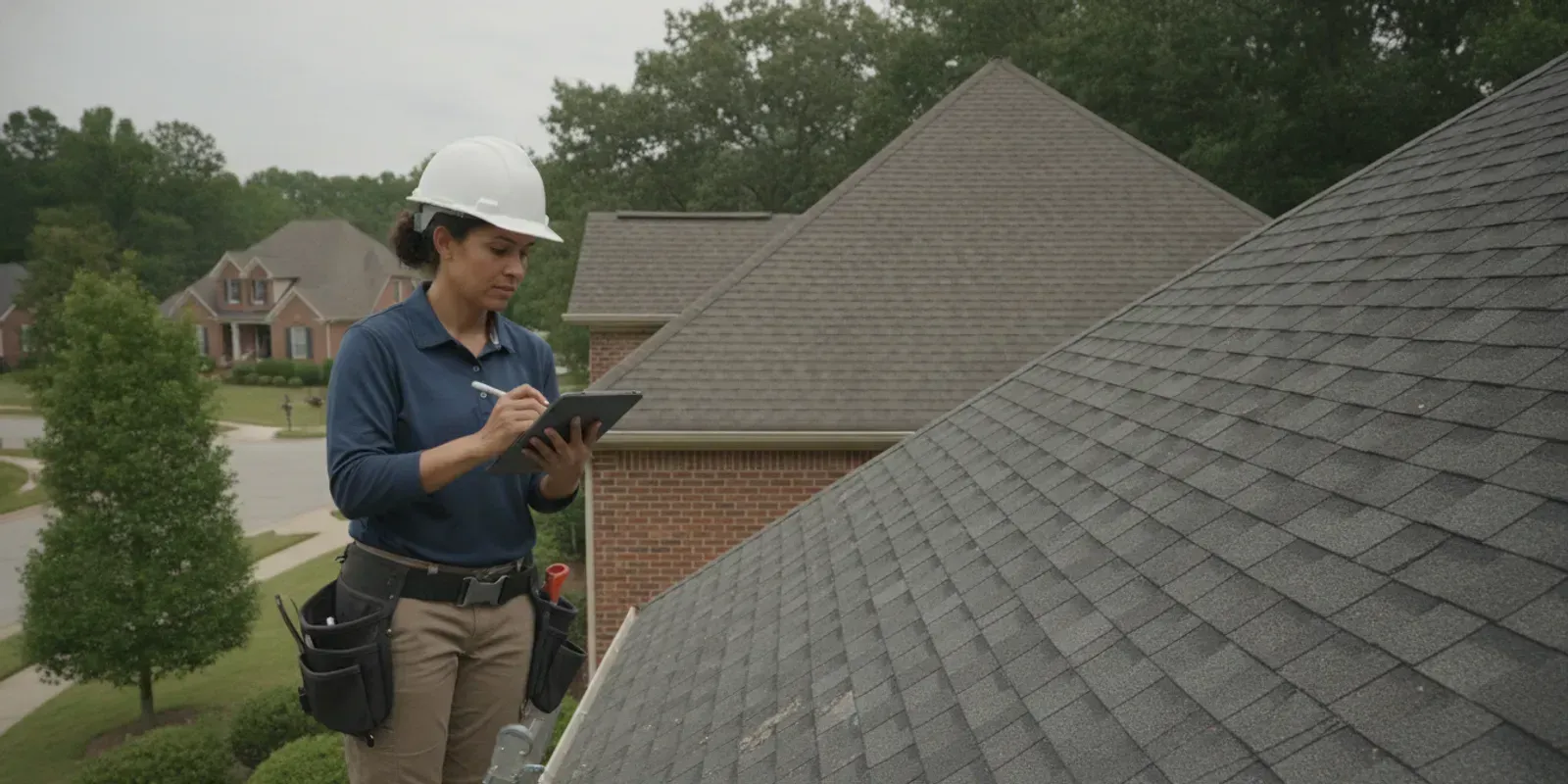
Catching a small problem before it becomes a major disaster is the smartest way to manage your property. That’s why scheduling regular professional inspections is so important. We recommend having your commercial roof inspected at least twice a year, ideally in the spring and fall, and after any significant weather event like a hailstorm or high winds. A trained professional can spot subtle signs of wear and tear, check for failing seals around vents and flashing, and identify potential weak spots you might miss. Staying proactive with inspections is the most effective strategy to protect your building and reduce long-term costs.
Keep It Clean and Drained
Flat roofs are effective, but they need a clear path for water to escape. Debris like leaves, branches, and dirt can accumulate and clog your drains, leading to standing water. This pooling, or "ponding," puts constant stress on the roofing membrane and seams, accelerating wear and increasing the risk of leaks. Regularly clearing your roof and ensuring your drainage systems are working properly is a simple but critical task. Clean gutters and downspouts are your roof’s best friend, efficiently channeling water away from the building and preventing it from becoming a destructive force.
Address Leaks Immediately
A small leak is never just a small leak. It’s a warning sign. Water can travel, and by the time you see a drip inside, moisture may have already saturated insulation, compromised the roof deck, or started to affect the building’s structural components. Ignoring a leak, even a minor one, allows the damage to spread, leading to much more complex and expensive repairs down the road. As soon as you notice any sign of a water intrusion, from a ceiling stain to an active drip, it’s crucial to call a professional. Promptly addressing leaks is essential to maintaining your roof’s integrity and protecting your property.
Consider a Professional Maintenance Plan
The easiest way to handle all of these tasks is to leave them to the experts. A professional maintenance plan takes the guesswork out of roof care and ensures nothing gets overlooked. With a plan, a team of trained technicians will manage your inspections, debris removal, and minor repairs on a set schedule. This consistent attention helps identify potential issues before they escalate, ensuring the longevity of your roof. Working with a certified and experienced team like ours gives you confidence that your property is in good hands, allowing you to focus on your business while we focus on protecting it.
Common Problems with Commercial Flat Roofs (and How to Solve Them)
Flat roofs are a practical and popular choice for commercial buildings, but their unique design comes with a specific set of challenges. Unlike pitched roofs that use gravity to shed water, flat roofs require a bit more attention to perform their best. Most issues that arise are entirely preventable with the right approach. Understanding these common problems and knowing how to address them will help you protect your investment, avoid business interruptions, and keep your building safe and dry for years to come. The key is shifting from a reactive mindset to a proactive one, where maintenance and regular checks are part of your routine.
Handling Weather Damage
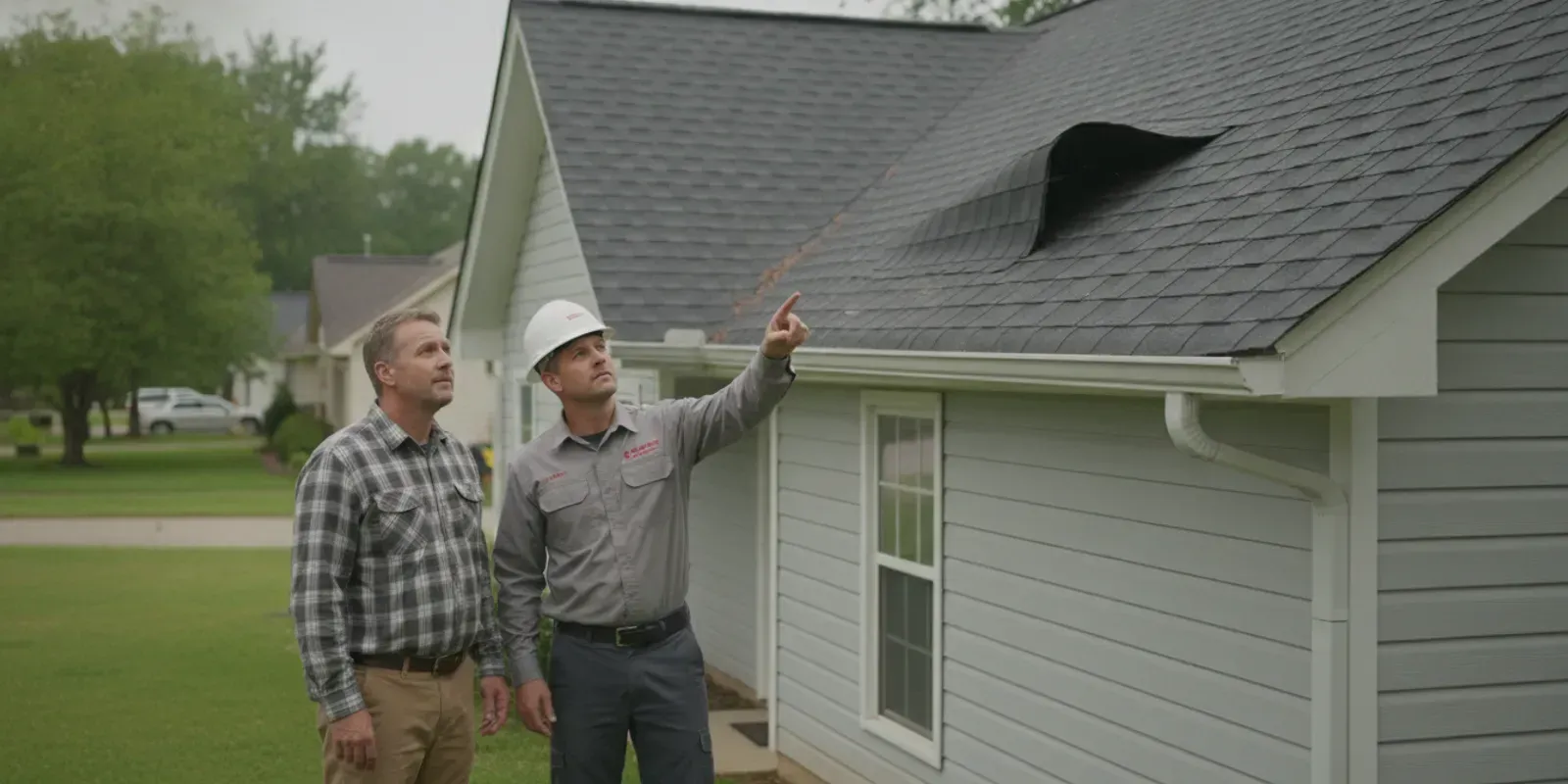
Here in Georgia, our roofs face everything from intense summer sun and heavy downpours to the occasional hailstorm. While modern flat roofs are built to be tough, this constant exposure can take a toll. Flat roofs are slightly more prone to pooling water than pitched roofs, and standing water is a primary cause of leaks and material degradation. After a major storm, it’s a good idea to check for blisters, cracks, or punctures in the roof membrane. Catching this damage early can be the difference between a simple patch and a major interior repair. A professional inspection can identify weather-related weak spots before they become serious leaks, ensuring your commercial roofing system remains secure.
Preventing Drainage Issues
Proper drainage is everything for a flat roof. Since the slope is minimal, the system relies on drains, scuppers, and gutters to direct water away from the surface. When these components get clogged with leaves, dirt, and other debris, water has nowhere to go. This standing water adds significant weight to your roof structure and accelerates wear and tear on the roofing materials. Consistent oversight is necessary to prevent costly repairs and interior water damage. The solution is simple: keep your drainage systems clear. Regularly removing debris, especially during the fall, ensures water can flow freely off the roof. For a more comprehensive approach, professional maintenance can keep your gutters and drains in optimal condition.
Protecting Against Wear and Tear
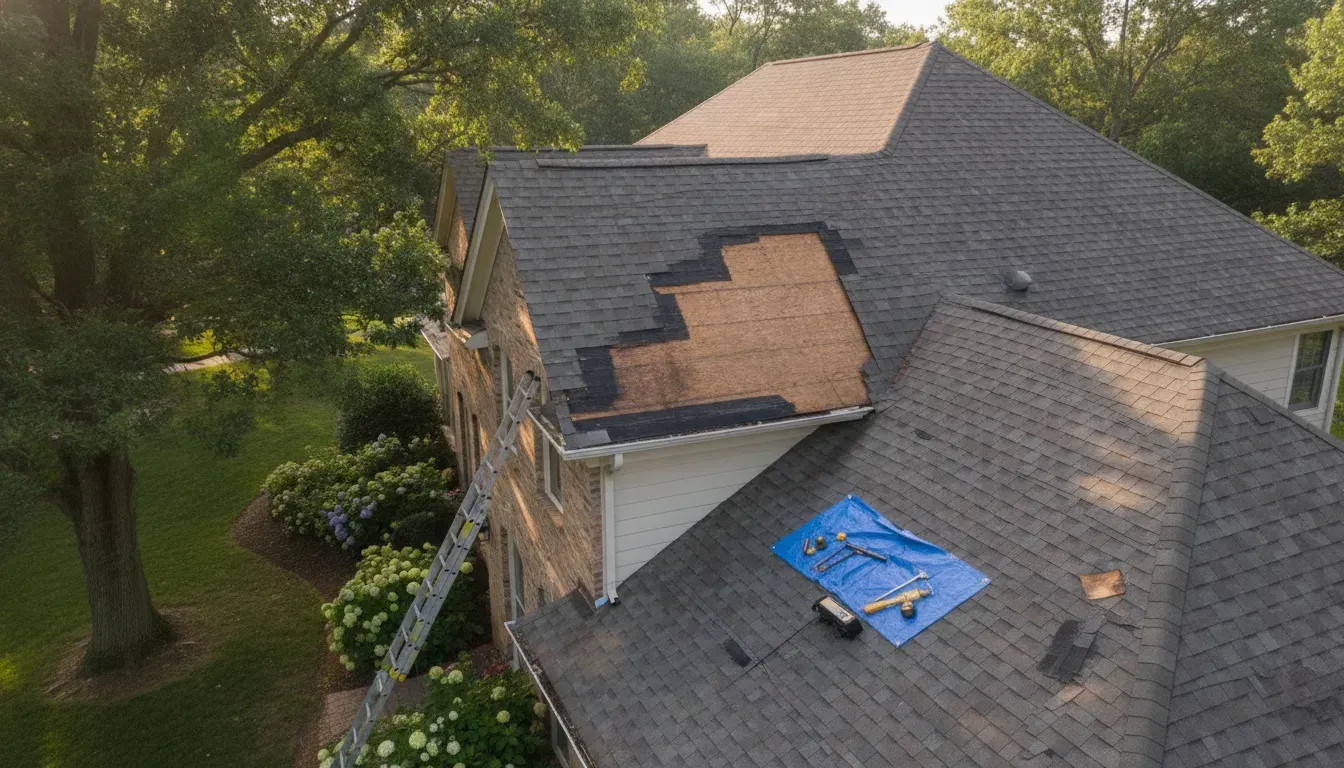
Over time, every roof experiences general wear and tear from UV radiation, foot traffic, and fluctuating temperatures. However, many of the most common flat roof problems actually start with poor installation or neglected maintenance. An improperly installed membrane can have weak seams that pull apart, while a lack of upkeep allows small issues to grow. To protect your roof for the long haul, start with a quality installation from a certified team. From there, a regular maintenance plan is your best defense. A professional can spot thinning materials, deteriorating sealants, and other early signs of wear, addressing them before they compromise your entire roofing system. Choosing an experienced contractor ensures your roof is built to last from day one.
Is It Time to Replace Your Commercial Roof?
Deciding whether to repair or replace your commercial roof is a major decision for any property manager or business owner. While a repair might seem like the more affordable option now, it can sometimes be a temporary fix for a much larger problem. Understanding the difference between normal wear and critical failure can save you from costly emergency repairs, protect your inventory and equipment, and prevent disruptions to your business. A full replacement is a significant investment, but it also offers long-term security and can even improve your building's energy efficiency. Let's walk through the key signs that indicate your roof might be due for a replacement, the structural red flags you can't ignore, and how to weigh the costs of repairing versus starting fresh.
Key Signs of Aging and Wear
Every roof has a lifespan, and eventually, it will show its age. One of the most common signs is persistent leaks. While flat roofs can be more susceptible to pooling water, frequent or widespread leaks are a clear signal that the roofing membrane is failing. You should also look for visible damage like large cracks, significant blistering, or bubbles across the surface. These indicate that moisture is getting trapped within the roofing layers. Sometimes, the problem isn't age but an improper initial installation. If the wrong type of roof was installed for your building's specific use, it can lead to premature wear and tear that simple repairs can't fix. A thorough inspection of your commercial roofing system can determine if these issues are isolated or signs of a system-wide failure.
Red Flags: Structural Warning Signs
Some warning signs go beyond surface-level wear and point to deeper, structural problems. If you notice any sagging, dipping, or soft spots when walking on the roof, it’s a serious red flag that moisture has compromised the underlying deck or insulation. Pay attention to water stains on your interior ceilings or walls, as this shows water has penetrated every layer of the roof. A good guideline to follow is the 25% rule: if more than a quarter of your roof is damaged, a full replacement is almost always the more cost-effective and safer choice. Attempting to patch such extensive damage can lead to an uneven roof surface, trap more moisture, and put your building’s structural integrity at risk.
Repair vs. Replace: A Cost Analysis
When you’re facing constant repair bills, it’s time to analyze the long-term costs. While a full replacement has a higher upfront price tag, it can be the smarter financial move over time. Think of it as an investment in your property’s future. A new, properly installed commercial roof not only eliminates the headache of recurring leaks but also improves your building's energy efficiency, which can lower your monthly utility bills. Modern roofing materials offer better insulation and reflective properties, keeping your building cooler in the summer. Plus, a new roof comes with a solid warranty, giving you peace of mind that you won't be facing unexpected roofing expenses for years to come.
Related Articles
- Selecting the Ideal Flat Roof System for Atlanta Businesses
- 5 Types of Roofing System: A Complete Comparison
- Best Eco-Friendly Home Roofing Options? | Total Roof Solutions
Frequently Asked Questions
Which flat roofing material is the best? There isn't a single "best" material for every building; the right choice really depends on your property's specific needs. For example, if your top priority is energy efficiency, a reflective TPO or PVC roof might be the perfect fit. If your building has a kitchen with rooftop vents, the chemical resistance of PVC is a major advantage. The best approach is to think about your budget, how the building is used, and your long-term goals, then discuss those factors with a professional contractor to find the ideal match.
How long can I expect a new commercial roof to last? The lifespan of a commercial roof varies quite a bit based on the material, but most modern systems are designed to last for 20 to 30 years, and some can even last longer. The key factors that influence longevity are the quality of the initial installation and how well the roof is maintained. A roof that is regularly inspected and kept clear of debris will always outlast one that is neglected, regardless of the material.
How do I know if I need a simple repair or a full replacement? A repair is usually the right solution for isolated damage, like a puncture from a fallen branch or a leak in a specific, contained area. However, if you're dealing with widespread issues like persistent leaks in multiple locations, large sections of blistering, or visible sagging, it's likely time for a replacement. A good rule of thumb is that if more than a quarter of your roof is compromised, a replacement is the more sensible and cost-effective long-term solution.
Why is professional installation so important for a flat roof? Unlike sloped roofs that use gravity to shed water easily, flat roofs have a very complex job. They rely on perfectly sealed seams and a precise drainage system to prevent water from pooling and causing damage. An improper installation can lead to weak seams, poor drainage, and trapped moisture, which are the root causes of most premature roof failures. Investing in an experienced, certified installer ensures your roof is set up to perform correctly from day one.
What are the most obvious signs of a drainage problem? The clearest sign of a drainage issue is standing water, often called "ponding," that remains on your roof more than 48 hours after it rains. You should also look for clogged drains, scuppers, or gutters that are visibly overflowing with leaves and other debris. Inside, you might notice water stains on the ceiling or walls near the roof's drainage points. Keeping your drainage system clear is one of the most important maintenance tasks for any flat roof.