Roof Repair Advice: What Georgia Property Owners Should Do
MEGA MEGA • October 21, 2026
Get practical roof repair advice for Georgia homes and buildings, from safe first steps and repair choices to estimates, insurance records, and follow-up.

Good roof repair advice starts with two priorities: keep people safe and prevent a small roofing problem from getting worse. For Georgia property owners, the right next step depends on what you can see, whether water is entering, and whether the roof is residential or commercial. A careful record and a clear description of the problem can help you decide whether to monitor, request a repair, or discuss a larger project.
Request a roof repair estimate
What should you do first when you suspect roof damage?
Do not climb onto the roof to investigate. Even a roof that looks dry can be slippery, and loose materials or weak areas may not be visible from the ground. Keep people away from the affected area inside and outside, especially if a ceiling is sagging or pieces of roofing may fall.
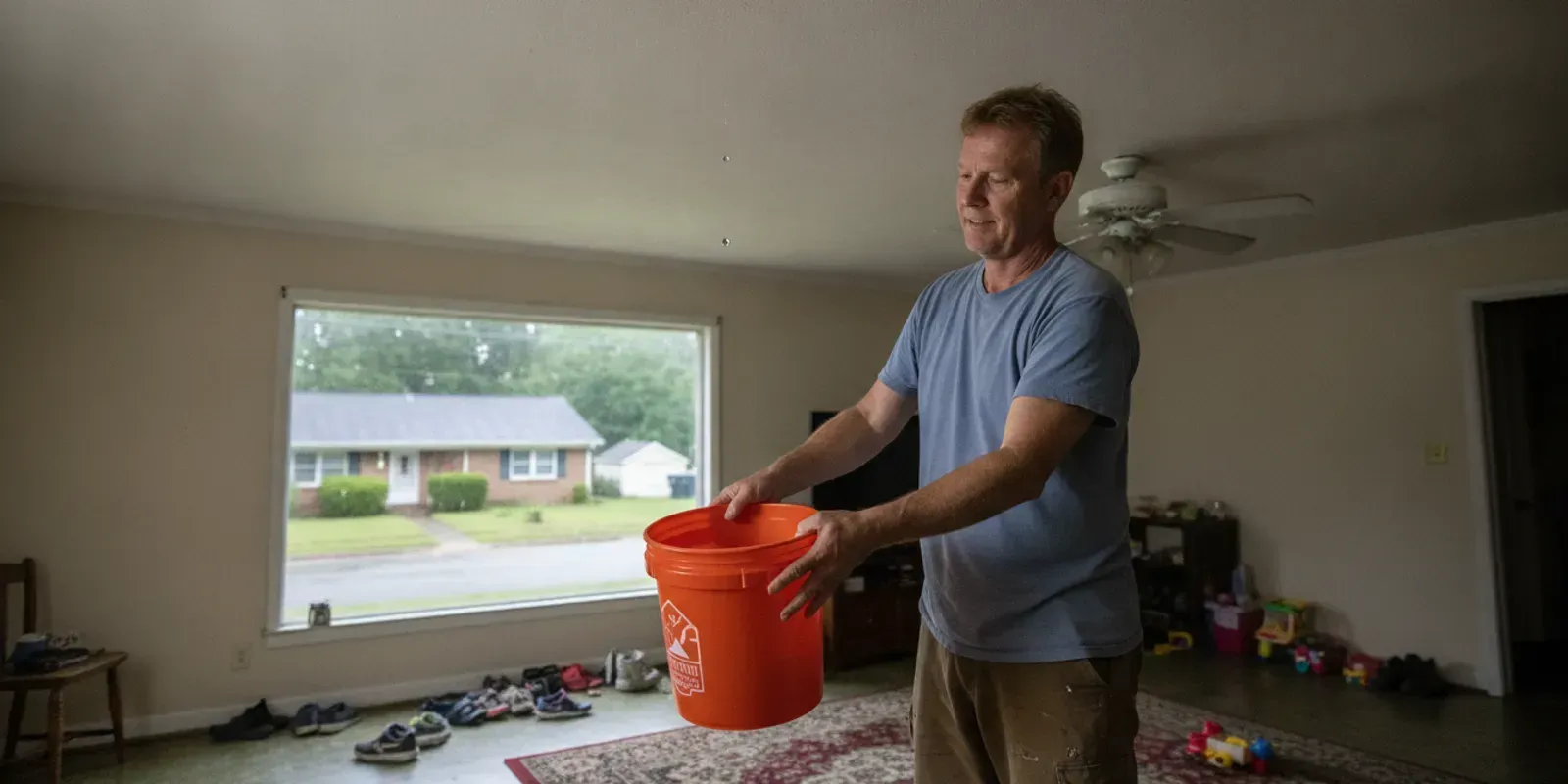
Start with a ground-level look from a safe place. Note the side of the building, the room or area affected, and what changed. If you see water inside, place a container beneath a drip only if it is safe to do so. Move belongings out of the way. Avoid touching wet electrical fixtures or standing water near electrical equipment; if there is a risk, leave the area and contact the appropriate professional.
Take photos from a safe location, both indoors and outdoors. Record the date and weather conditions, and note whether the issue appears during steady rain, wind-driven rain, or after a storm. These details help a roofing professional understand the situation without requiring you to diagnose the roof yourself. If you need broader guidance on locating indoor clues, see this step-by-step guide to finding a roof leak.
Make the record specific enough to be useful. Instead of writing only âbedroom leak,â note which bedroom, where the stain is in relation to a window or outside wall, and whether the drip begins right away or after rain has continued for a while. If the problem is intermittent, record the days it appears and the conditions you noticed. Do not treat these observations as a diagnosis: they are clues a professional can compare with the roof and building conditions.
For a business, add the room's function and any immediate operational concern. For example, note whether water is near stock, a customer area, a machine, or an electrical panel. A property manager can also list the unit or tenant who reported the issue and who can provide access. A concise, consistent report helps avoid sending a contractor to the wrong location or asking occupants to repeat the same information.
Which warning signs deserve prompt attention?
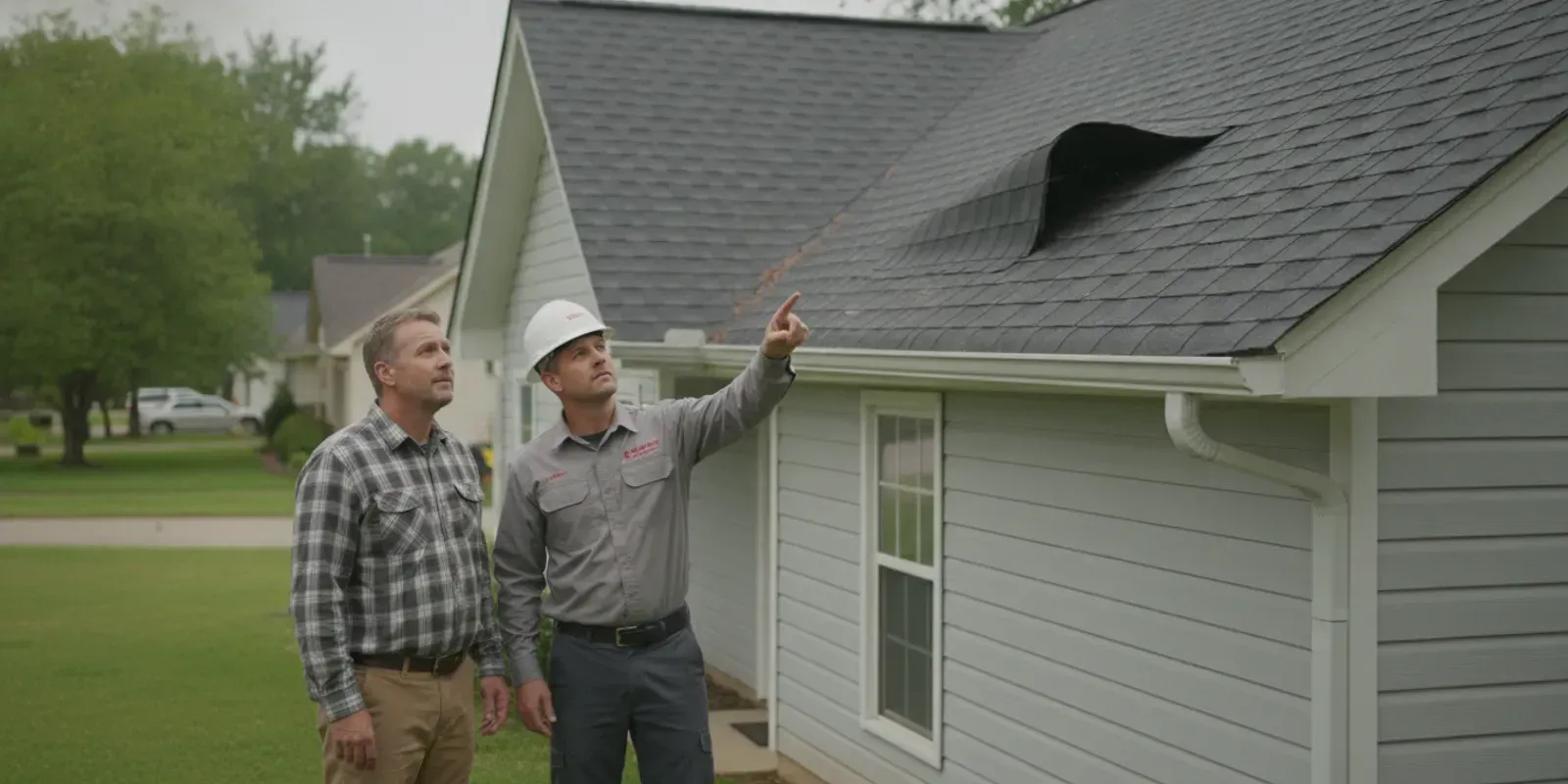
Some signs are visible from the ground or inside the building. Look for ceiling or wall discoloration, a sagging ceiling, missing or curling shingles, and water entering the building. The Colorado Roofing Association's roof maintenance, repair, and replacement guide describes these as signs that a roof may need attention. They are reasons to seek an assessment, not proof of a specific cause.
Other clues can include damp insulation or interior finishes, recurring water marks, or roofing material found on the ground after high winds. On commercial properties, pay attention to repeated interior leaks, water near equipment or inventory, and changes in ceiling tiles. A single symptom does not tell you exactly where water is entering. Water can travel before it becomes visible indoors, and a roof has several transitions and penetrations that may need evaluation.
Use urgency as a guide:
- Immediate safety concern: A ceiling is actively sagging, water is close to electrical components, or material appears unstable. Keep people clear and seek appropriate urgent assistance.
- Active leak: Protect contents if safe, document the water, and contact a roofing professional promptly to discuss temporary protection and a repair assessment.
- Visible exterior change without an indoor leak: Record what you can see from the ground and arrange an assessment, particularly if shingles are missing or curling.
- Old stain with no current moisture: Photograph and monitor it, but do not assume the issue is resolved until the source and any resulting damage have been considered.
Do not let a dry day create false confidence. Some water entry appears only when wind drives rain from a particular direction, while a small leak may not show indoors until water has traveled along a surface. Conversely, an old stain can remain after the source has stopped. Describe what happened and when; let an assessment determine whether the roof, flashing, drainage, or another building component needs attention.
After a storm, avoid sorting through fallen roofing material if it is sharp, unstable, or near power lines. If you can photograph it safely without handling it, include an object nearby for scale only if doing so does not require approaching a hazard. If weather is continuing, focus on keeping people away and protecting the interior rather than trying to inspect or patch the roof.
What can you safely do before a roofer arrives?
Focus on protecting people and property, not performing a roof repair. Put a bucket under a safe-to-reach drip, move furniture or stock, and use towels to limit spread on a floor. If water is accumulating in a ceiling, do not puncture or press on it; a weakened ceiling can fail without warning. Keep children, customers, and employees out of the affected area.
Do not use a ladder or walk on shingles, especially during rain, after a storm, or when the roof is steep. Avoid applying sealant, nailing down loose material, or pulling off shingles. An improvised patch can create a fall risk, conceal the original problem, or make later assessment harder. Temporary coverings also need to be secured safely; if you cannot do that from the ground, ask a professional about appropriate temporary protection.
Gather useful information instead. Take a wide photo showing the affected roof area, if visible from the ground, and closer photos of interior stains. Write down when the leak began, whether it is continuing, and what weather preceded it. If you have records of prior roof work, repairs, or product information, set them aside. Do not delay contacting a contractor just to gather every document.
When you call, prepare a short description in this order: property address and building type; where the problem appears; whether water is entering now; when it began; and any known recent roof work or storm conditions. This keeps the first conversation focused. If you are unsure of a term, describe what you see rather than guessing at the component or cause.
For a multi-occupant building, choose one person to coordinate reports. Ask occupants to share the time, room, and visible symptom, but do not ask them to climb up or move ceiling materials. A single contact can collect details, confirm access arrangements, and communicate whether the condition changes while an appointment is pending.
How do you decide between a repair and a replacement?
A repair is often considered when the problem is limited and the surrounding roof remains serviceable. Replacement may be discussed when damage is widespread, problems recur in multiple areas, or the roof's overall condition makes isolated repairs a poor long-term fit. These are decision factors, not a diagnosis or a promise that one option is right for every roof.
Ask the roofer to explain what they observed, which area they recommend addressing, and how they reached that recommendation. Clarify whether the proposed work is a temporary measure, a targeted repair, or part of a larger replacement. If the roof cannot be evaluated fully from a safe initial review, ask what further assessment is needed and why.
For more background on the tradeoffs, read Total Roof's guide to balancing roof repairs and replacement. A separate asphalt shingle lifespan guide can help you understand why age is one consideration, but age alone does not establish that a roof must be replaced.
Situation What to ask about Practical next step
One limited area shows a problem Can the affected area be repaired, and what condition are the adjacent materials in? Request a written scope for the proposed repair.
Problems recur or appear in several places Could there be a broader issue, and what evidence supports the recommended scope? Ask for findings by area and compare repair with replacement options.
Active water entry after weather Is temporary protection needed before permanent work can be planned? Protect the interior safely and contact a roofer promptly.
Commercial roof with disruption to operations How will access, affected spaces, and work sequencing be handled? Identify a site contact and document affected rooms, equipment, or inventory.
A useful comparison is about scope and consequences, not just the bottom-line number. If you receive more than one proposal, compare the described work, materials, areas included, cleanup, and any stated exclusions. Ask what conditions could change the scope once work begins. The roof replacement cost factors guide explains why roof characteristics and project details can affect estimates.
Think through the decision in stages. First, ask whether the immediate issue can be contained safely and whether a temporary measure is needed. Next, ask what the assessment says about the affected area and nearby components. Then compare the proposed repair with the condition and expected needs of the rest of the roof. If a larger project is recommended, ask which observations support that recommendation and whether a limited repair remains an option with clearly explained tradeoffs.
A repair proposal may be easier to compare when it identifies the location and the components to be addressed. A replacement proposal should make clear what portions of the roof are included and whether related items, preparation, and cleanup are part of the scope. Avoid comparing a small, localized repair with a whole-roof project as if they were equivalent alternatives. Ask the contractor to explain what each option is intended to accomplish and what it does not address.
What should a roof repair estimate explain?
A clear estimate should let you understand what the contractor proposes to do and what is outside the scope. Read it for the location of the work, the repair approach, materials or components involved, and any assumptions that could affect the final work. If a line item is unclear, ask for it to be explained in plain language before approving the project.
Consider asking these questions:
- What condition did you observe, and where is it located?
- What work is included, and what is explicitly excluded?
- Are you proposing a temporary measure or a permanent repair?
- Could concealed conditions change the work, and how will those changes be communicated?
- How will the work area and debris be handled?
- What should I watch for after the repair, and whom should I contact with a concern?
Do not assume two estimates cover identical work because they use similar labels. One may address a limited area while another includes additional components or preparation. Ask each contractor to identify the work area and explain differences. A written explanation makes it easier to decide what fits the property's needs and budget.
It can help to mark the estimate with three categories as you read: work clearly included, items that need clarification, and conditions that may change the scope. For example, âreplace damaged shingles in the identified areaâ may not answer whether related flashing or underlayment will be examined or addressed. Ask rather than infer. If the contractor expects to discuss a change after opening an area, find out how you will be informed and asked to approve any additional work.
Check that the document distinguishes immediate stabilization from the final repair when both are proposed. A temporary measure may reduce exposure while a longer-term plan is arranged, but it is not automatically the same as resolving the underlying condition. Ask what each step is intended to accomplish, what remains to be done afterward, and whether a separate written scope will follow.
For a residential home in McDonough or the surrounding area, you can review residential roof repair services and the company's examples of completed roofing work as you prepare questions. Commercial property owners can also read this guide to the business roof repair process for planning considerations.
How should you handle a possible insurance claim?
When damage may be related to a covered event, document what you observe and contact your insurer to ask about the policy's process. Keep photos, dates, messages, estimates, and receipts together. Do not assume that visible damage guarantees coverage, and do not authorize work based on a promise that an insurer will pay a particular amount.
Ask the roofer to describe observed conditions and proposed work. Keep the contractor's scope separate from the insurer's coverage decision; the insurer determines coverage under the policy. Avoid signing documents you do not understand or agreeing to assign benefits without first understanding the terms. For hail-related questions, see this guide to roof damage and insurance claims.
For urgent water entry, ask about temporary protection while the claim is being considered. Keep records of any emergency work and communicate with the insurer about the process. Good records support a clearer conversation, but they do not guarantee a particular claim outcome.
A simple claim file can prevent details from getting scattered. Keep a dated timeline, original photos, copies of contractor communications, the estimate, and receipts for any work or materials. Save the insurer's instructions and note whom you spoke with and when. If you send documents, record what you sent and keep a copy. This organization does not decide coverage, but it makes it easier to answer follow-up questions accurately.
Report observed facts rather than conclusions. âWater appeared near the hallway ceiling after the storm on Tuesdayâ is more useful than asserting a technical cause you have not confirmed. If a contractor and insurer describe different scopes, ask each to clarify its own assessment and process. Do not assume one estimate automatically changes the other party's decision; coverage and repair recommendations are separate questions.
What changes when the roof is on a commercial building?
Commercial repairs involve the building and the people who use it. Before work is scheduled, identify who can approve access, who needs updates, and whether a specific area must remain open. Record where water is affecting operations, equipment, inventory, or tenant spaces. Share those priorities with the contractor so that the scope and timing can be discussed.
Do not assume that a commercial roof uses the same materials or repair approach as a house with asphalt shingles. Roof system, drainage, penetrations, access, and the use of the space below all matter. Ask the contractor to identify the system being assessed and explain how the proposed work addresses the reported condition. Total Roof's commercial flat roofing guide offers additional context for property decision-makers.
For a business, a practical repair plan should also clarify how workers will access the roof, which interior areas may be affected, and how updates will be shared. For multi-tenant sites, name one point of contact to collect observations and pass along status updates. These steps help prevent conflicting reports and make it easier to confirm that the reported areas were addressed.
Before work, consider making a short site handoff list:
- Access: Identify the person who can arrange entry and explain any site-specific access procedures.
- Priority areas: Mark rooms, tenant spaces, or operational areas where water has been reported.
- Protection needs: Note equipment, inventory, or furnishings that may need to be moved or covered from inside.
- Communication: Choose one contact to receive updates and share them with affected occupants.
- Closeout: Confirm which reported areas were addressed and who should receive the work record.
This planning is useful even when a repair is small. A leak above an active work area may require a different access or scheduling conversation than one above an unused space. Ask what the contractor needs from the property representative, and do not promise that a space can remain in use until the work plan has been discussed.
How can you reduce the chance of a repeat problem?
After repairs, keep the estimate, invoice, photos, and any notes about the work together. Ask what conditions to monitor and whether the roofer recommends a follow-up check. If a stain returns or a new leak appears, report it promptly and include the date, weather, and location. A recurrence does not automatically mean the earlier work failed; the cause may be elsewhere, so ask for an assessment rather than guessing.
Make a habit of observing the roof and drainage from the ground. Look for changes such as displaced or curling shingles and keep gutters and downspouts in mind when noting where water is collecting. Avoid climbing up for routine checks. If you want to understand how components such as flashing and roof transitions factor into a repair, ask the contractor to point out the relevant area and explain it using safe, accessible photos.
When you are comparing repair options or planning for a larger project, gather the same information each time: the location of the concern, the observed signs, any history of prior work, and whether the issue is active. That consistent record supports a more useful discussion and helps you compare recommendations on their actual scope.
After the next rainfall, observe from inside and from safe ground-level locations whether the same symptoms return. Do not use that observation as a substitute for a professional assessment if water reappears. Add the date and location to your record, take a new photo from a safe position, and contact the contractor with a concise description. If the symptom is in a different room or appears under different weather conditions, mention that as well; the change may be useful context.
Keep repair records where a future owner, property manager, or maintenance contact can find them. Include the date, work area, documents, and any monitoring guidance. For commercial properties, add the site contact and affected tenant or department. A well-kept file is especially useful when the same building changes hands or the person coordinating maintenance changes.
Request a free roofing estimate
Frequently asked questions about roof repair advice
Should I wait for the leak to get worse before calling?
No. If water is actively entering, or you see missing materials, a sagging ceiling, or other concerning changes, take safe steps to protect people and belongings and contact a roofing professional. Waiting for more damage can make the issue harder to manage.
Can I put a tarp on my roof myself?
Do not climb onto a roof to install a tarp. Roof access can be hazardous, and a covering that is not secured correctly may create additional risks. Ask a roofing professional whether temporary protection is appropriate and how to arrange it safely.
Does a ceiling stain mean I need a new roof?
Not by itself. A stain is a reason to investigate the source and assess any related damage, but it does not establish the condition of the entire roof. Ask for the observed evidence and the reason behind any repair or replacement recommendation.
What information should I give a roofer when I call?
Share the property location, whether it is a home or commercial building, the area affected, when the problem began, and whether water is entering now. Mention any recent weather and prior repairs if known. You do not need to identify the technical cause before asking for help.
Should I approve a repair before I hear from my insurer?
Ask your insurer how to proceed and clarify what work is needed to protect the property while a claim is considered. Coverage decisions belong to the insurer, and urgent safety or water-entry issues may require prompt attention. Understand the proposed work, its purpose, and any financial responsibility before authorizing it.
How can you take the next step?
Start with a safe observation, document what you can see, and be clear about whether the problem is active. Then ask a roofing professional to explain the condition, the proposed scope, and any alternatives in terms you can compare. Total Roof Solutions serves residential and commercial properties in McDonough and surrounding Georgia areas; contact the team when you are ready to discuss a roof repair estimate.