A Guide to the Business Roof Repair Process
Stephen Griswell • April 13, 2026
That faint water stain on the ceiling tile. The musty smell you can’t quite place. These are the subtle signs that your commercial roof might be in trouble. For many property managers and business owners, these first clues trigger a wave of uncertainty. What’s causing it? How bad is the damage? Who should you call? This guide is your clear, straightforward answer to those questions. We will walk you through everything you need to know, starting with how to spot problems inside and out. From there, we’ll cover your repair options, how to choose a trustworthy contractor, and what to expect during the entire business roof repair process, giving you the confidence to tackle any issue head-on.
Key Takeaways
- Stay ahead of problems with regular checks: Routinely look for interior water stains, exterior wear, and structural sagging. Catching issues early is the most effective way to prevent expensive repairs and protect your property.
- Vet your contractor thoroughly : A quality repair depends on a qualified team. Confirm they are licensed and insured, ask for commercial roofing references, and always request a detailed, itemized estimate before signing a contract.
- Look beyond the initial price tag: When deciding between a repair and a replacement, consider the long-term value. A decision based on your roof's actual condition and the frequency of past issues will be more cost-effective than one based on age alone.
How to Spot Commercial Roof Problems
As a business owner, your roof is one of your most important assets, protecting everything and everyone inside. Catching potential problems early is the best way to prevent small issues from turning into costly disasters that disrupt your operations. While a professional inspection is always the most thorough approach, you can keep an eye out for several key warning signs yourself. Knowing what to look for can save you significant time, money, and stress.
The first clues often appear where you least expect them, starting from inside your building and extending to the roof's surface and underlying structure. By regularly checking these three areas, you can stay ahead of potential damage and keep your property secure. Let’s walk through the specific signs that tell you it’s time to call in a professional.
Check for Interior Damage
Often, the first sign of a roof leak isn’t a dramatic drip from the ceiling. It’s much more subtle. Keep an eye out for water stains on ceiling tiles or walls, which can look like yellowish or brownish rings. You might also notice peeling or bubbling paint, which indicates moisture is getting trapped underneath. A persistent musty smell is another red flag, as it often points to hidden mold or mildew growth caused by a slow, undetected leak. These seemingly minor issues can escalate quickly, damaging inventory, harming sensitive equipment, and creating an unhealthy environment for your team and customers. Addressing them promptly is key to preventing a major disruption to your business.
Inspect the Exterior
A quick visual scan of your roof's exterior can reveal a lot about its condition. Look for obvious signs of wear and tear on the roofing membrane, such as cracks, blisters, or punctures. Pay close attention to the areas around vents, pipes, and skylights. The flashing, which seals these joints, can often pull away or deteriorate, creating a direct path for water to enter. Also, check your drains and gutters for blockages. If you see standing water on your roof long after it rains, it’s a clear sign of a drainage problem. A well-maintained commercial roofing system should shed water effectively, so pooling water is a problem that needs immediate attention.
Identify Structural Issues
Beyond surface-level damage, it’s important to be aware of potential structural problems. One of the most serious signs is visible sagging or dipping in the roof deck. This indicates that the underlying structure may be weakened, possibly from prolonged water damage or a heavy load. If you notice areas where water consistently pools and fails to evaporate after 48 hours, it could be a symptom of a structural issue. In some cases, you might even hear unusual creaking or popping sounds during periods of high wind. These are not issues to ignore. Structural problems compromise the integrity of your entire building and require an immediate professional assessment to ensure safety and prevent a potential collapse.
Understanding Your Commercial Roof Repair Options
When your commercial roof has a problem, knowing your repair options helps you make a clear-headed decision that protects your investment and keeps your business running. Not every leak or sign of wear requires the same solution. The right approach depends on the urgency, the cause of the damage, and your long-term goals for the property. From sudden storm damage that demands an immediate response to the slow wear and tear that a good maintenance plan can address, each scenario has a corresponding repair strategy.
Understanding these differences is key. An emergency repair focuses on stopping a critical failure right now, while preventive maintenance is about avoiding those emergencies altogether. Storm damage restoration is a specialized process that often involves insurance claims, and other repairs might target issues specific to your roof type, like ponding water on a flat roof. By familiarizing yourself with these commercial roofing services, you can work with your contractor to choose the most effective and cost-efficient path forward, ensuring your building remains safe, dry, and operational. This proactive mindset not only saves you from costly future repairs but also minimizes disruptions that could affect your bottom line. It puts you in control of your property's health.
Emergency Roof Repair
An emergency roof repair is for those worst-case scenarios that just can’t wait. Think of a major leak flooding your workspace after a storm or significant structural damage that compromises the safety of your building. These situations require immediate action to prevent further damage to your property and inventory. When you call for an emergency service, you should expect a rapid response, day or night. A professional team will arrive quickly to conduct a full inspection, clearly explain the problem, and implement a fast, effective fix to secure your building. The primary goal is to stop the immediate threat and stabilize your roof until a more permanent solution can be planned.
Storm Damage Restoration
After a severe weather event like a hailstorm or high winds, your roof might have damage that isn’t immediately obvious. Storm damage restoration is a comprehensive process that goes beyond a simple patch. It starts with a thorough inspection to identify all points of failure, from cracked shingles to compromised flashing. A roof failure can severely disrupt business operations, making a swift and complete restoration essential. This process often involves documenting the damage for insurance claims, and working with a contractor who has experience with adjusters can make a world of difference. The focus is on returning your roof to its pre-storm condition and ensuring it’s ready to withstand future weather.
Preventive Maintenance
The most effective way to handle a roof repair is to stop it from being needed in the first place. Many building owners underestimate the value of routine maintenance, but a proactive approach can save you from expensive repairs and operational headaches down the road. A preventive maintenance plan involves scheduled inspections, cleaning debris from drains and gutters, and addressing minor issues like small cracks or loose seals before they escalate. By catching these small problems early, you can extend the life of your roof, maintain its performance, and avoid the sudden, costly surprises that can bring your business to a halt.
Specialized Repair Solutions
Commercial roofs, especially flat or low-slope systems, face unique challenges. Issues like standing water, seam failures, and long-term UV degradation require specialized repair solutions that go beyond general fixes. For example, ponding water can add immense weight and stress to your roof structure, while failing seams can create widespread leaks. An experienced contractor will know how to address these specific problems with the right materials and techniques. They can also manage the complexities of commercial projects, from pulling the correct permits to installing proper drainage systems that prevent water from accumulating in the first place.
How to Choose the Right Commercial Roofing Contractor
Finding the right partner for your commercial roof repair is one of the most important decisions you’ll make. The quality of the contractor directly impacts the quality and longevity of the repair. A great contractor brings expertise, clear communication, and peace of mind to the project. To make sure you’re hiring a true professional, focus on a few key areas: their qualifications, the way they answer your questions, and any potential red flags.
Verify Their Qualifications
Before you sign any contracts, do your homework. A reputable contractor should be fully licensed, bonded, and insured to operate in Georgia. Beyond the basics, look for a team that specializes in commercial roofing, as the materials, techniques, and building codes are very different from residential projects. Ask for references from other local property managers or business owners they’ve worked with. Certifications from major manufacturers, like being an Owens Corning Platinum Preferred contractor, are also a strong indicator of skill and reliability. These credentials show the team has met high standards for craftsmanship and professionalism, giving you confidence in their work.
Ask the Right Questions
A good contractor will welcome your questions and provide clear, confident answers. Open communication is essential for ensuring you receive quality service that fits your budget and timeline. Come prepared with a list of questions for any potential hire. You might ask about the specific materials they recommend for your roof type, their projected timeline for the project, and how their crew handles safety protocols. Also, ask for a detailed, itemized estimate so you know exactly what you’re paying for. Their willingness to discuss these details openly is a great sign of a transparent and trustworthy partner.
Watch Out for Red Flags
Just as important as knowing what to look for is knowing what to avoid. Be cautious of any contractor who uses high-pressure sales tactics or provides a vague, non-itemized quote. Given the current skilled labor shortage in the industry, you should also be wary of any company that can’t speak to the experience and training of its crew. Another major red flag is a contractor who recommends a full roof replacement based only on its age, without performing a thorough inspection first. A true professional will always conduct a detailed assessment of your roof's actual condition before suggesting a course of action.
What Determines the Cost of Commercial Roof Repair?
When you’re managing a commercial property, unexpected expenses are never welcome. A roof repair can feel like a major hit to your budget, but the final price tag isn’t arbitrary. Several key factors come together to determine the total cost of a commercial roof repair, and understanding them can help you plan and make smarter decisions for your property.
Think of it like this: repairing a small tear in a simple, flat roof is very different from addressing widespread water damage on a large, complex roof with multiple HVAC units and vents. The materials used, the extent of the problem, and the labor required all play a significant role. Getting a clear picture of these variables is the first step toward protecting your investment. A professional assessment will break down these elements, giving you a detailed estimate so you know exactly what you’re paying for. This transparency helps you compare quotes and choose a contractor who offers real value, not just the lowest price. Ultimately, investing in a quality commercial roofing repair protects your building, its contents, and your peace of mind.
Your Roof's Material and Design
The type of roof over your head is one of the biggest factors in repair costs. Materials like TPO, EPDM, metal, and modified bitumen each have their own specific repair processes and material costs. For example, patching a puncture on a single-ply membrane roof is often more straightforward and less expensive than repairing seams on a metal roof. The design of your roof also matters. A simple, flat, open roof is easier to work on than a sloped roof or one cluttered with pipes, vents, and skylights. Each penetration point is a potential source for leaks and requires careful, detailed work to seal properly, which adds to the labor time and overall cost.
The Severity of the Damage
It’s no surprise that the extent of the damage directly impacts the repair bill. A minor issue, like sealing a few loose flashing points, is a relatively quick and affordable fix. However, if problems are left unaddressed, they can escalate quickly. A common issue like ponding water can seem minor at first, but over time it can lead to saturated insulation, deck rot, and serious structural damage. Catching problems early through regular inspections is the best way to avoid these larger, more expensive repairs. A proactive approach not only saves you money but also extends the life of your roof and improves your building's overall performance.
Labor and Project Timeline
The cost of labor is a major component of any roof repair estimate. This cost reflects the skill, experience, and safety training of the roofing crew. In an industry facing a shortage of skilled labor, hiring a team of qualified professionals is more important than ever. An experienced crew works efficiently, adheres to safety standards, and ensures the repair is done right the first time, preventing future issues. The project timeline is also influenced by factors like the roof's accessibility, the complexity of the repair, and weather conditions. A trusted contractor like the team you'll find when you learn about us will provide a clear timeline and keep you informed throughout the process.
What to Expect During the Roof Repair Process
Once you’ve chosen a contractor, the commercial roof repair process begins. Knowing what to expect can make the entire experience smoother and less stressful for you and your team. A professional roofing project isn’t just about fixing a leak; it’s a structured process designed to protect your building for years to come. From the first look at the damage to the final handshake, each step plays a vital role in the success of the repair.
The process generally follows four key phases: a thorough inspection, careful planning, efficient execution of the work, and a forward-thinking maintenance plan. This structured approach ensures that nothing is overlooked and that your business operations face minimal disruption. Let’s walk through what each stage involves so you can feel confident and prepared.
The Initial Inspection
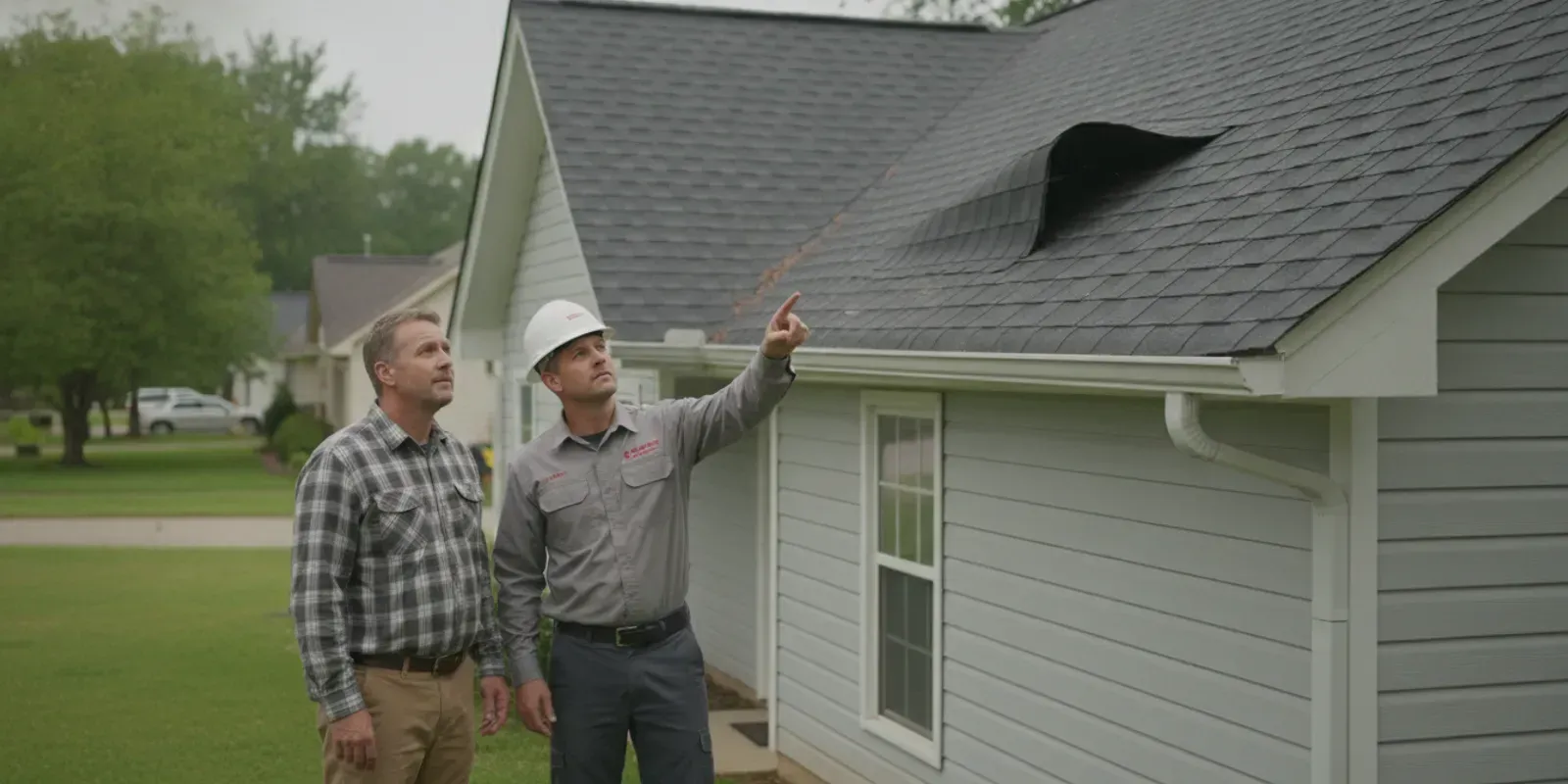
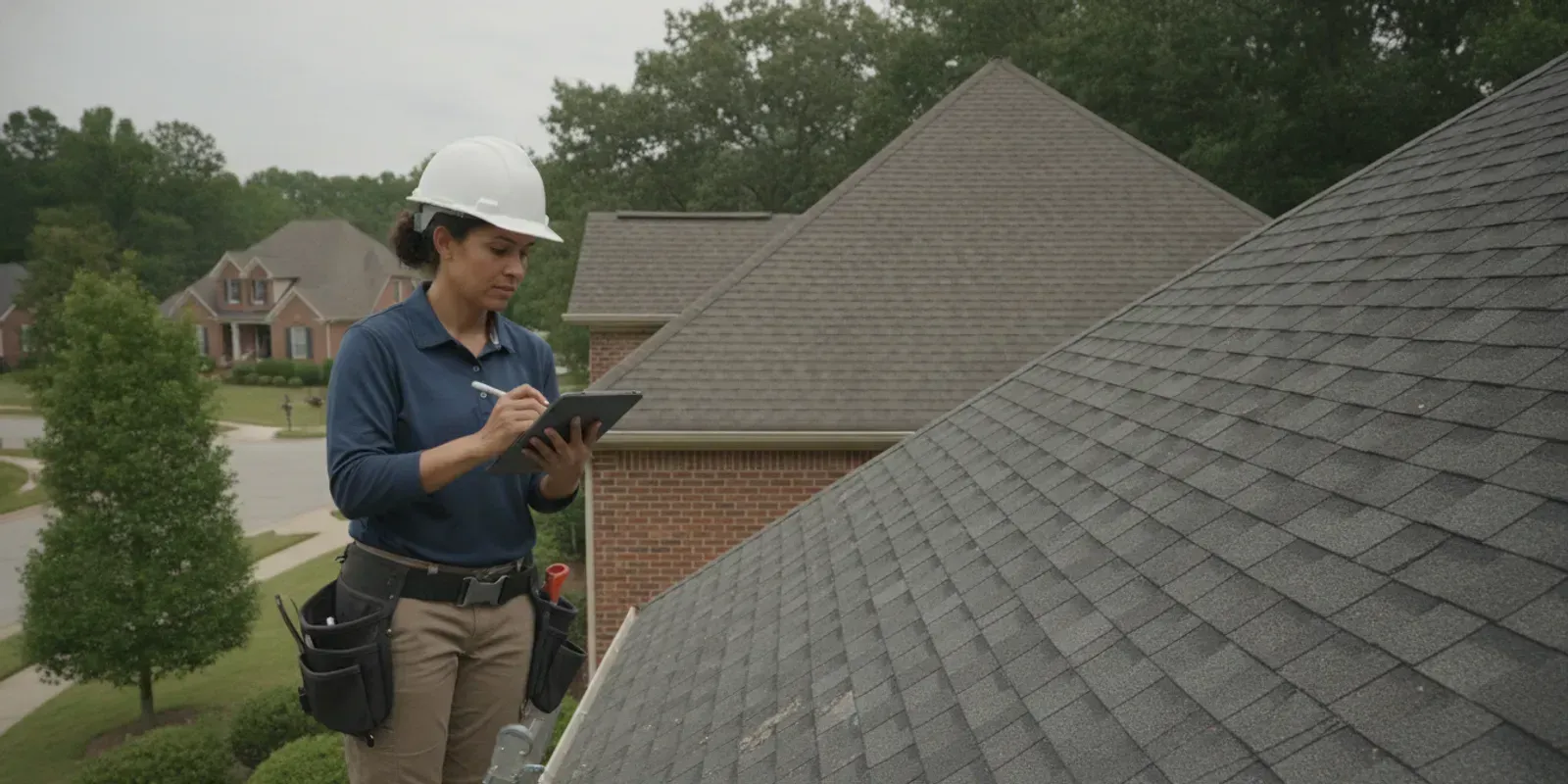
The first step is a comprehensive assessment of your roof. A qualified technician will visit your property to identify the extent of the damage, find the root cause of the problem, and evaluate the overall condition of your roofing system. Regular inspections and upkeep help you catch problems early, keep repair costs manageable, and even extend your roof’s useful life by identifying concerns well before they become expensive emergencies. During this visit, the inspector will document their findings with photos and detailed notes, giving you a clear picture of what needs to be addressed. This isn't just a quick glance; it's a detailed diagnosis that forms the foundation for a successful commercial roofing repair.
Planning the Repair
After the inspection, your contractor will develop a detailed repair plan. This is more than just a price quote; it’s a strategic roadmap for restoring your roof. Investing time and resources into a well-planned roofing strategy can reduce unexpected costs, enhance energy efficiency, and improve overall building performance. Your plan should outline the specific work to be done, the materials that will be used, a projected timeline, and a transparent cost breakdown. This is your opportunity to ask questions and ensure the proposed solution aligns with your budget and business needs. A clear plan helps manage expectations and ensures everyone is on the same page before any work begins.
Completing the Work
With an approved plan in hand, the repair work can start. The roofing crew will prepare the site, taking care to protect your property and ensure a safe work environment. Throughout the project, a good contractor will communicate with you regularly, providing updates on their progress and addressing any unexpected issues that may arise. This phase is where a roof asset management strategy, which involves tracking your roof's age and condition, proves its worth by guiding efficient and effective repairs. The goal is to complete the work with high-quality craftsmanship, minimal disruption to your daily operations, and a clean job site once the project is finished.
Post-Repair Maintenance Plan
A successful repair doesn’t end when the crew packs up. The final step is establishing a plan for ongoing care. To protect your investment, business owners must prioritize regular maintenance and timely roof repair to prevent potential issues from compromising the roof’s integrity. Your contractor should provide you with all the necessary warranty information and offer a preventive maintenance program. This proactive approach helps you stay ahead of future problems, extends the life of your roof, and ensures your building remains protected. When you work with our team, you can trust that we’re committed to the long-term health of your roof.
Common Myths About Commercial Roof Repair
When it comes to your business’s roof, what you don’t know can definitely hurt you. Misconceptions about commercial roof repair often lead to delayed action, bigger problems, and much higher costs. Let's clear up a few common myths so you can make smart, confident decisions for your property. Believing the wrong thing about your roof can be an expensive mistake, but understanding the truth helps protect your investment and gives you peace of mind.
The "Wait and See" Approach
It’s tempting to ignore a small leak or a few missing shingles, hoping the problem isn't serious. Many property owners put off repairs, thinking they can wait it out. This is one of the biggest reasons small issues turn into major structural damage. A minor leak can quickly lead to ruined insulation, mold growth, and compromised structural integrity. Addressing problems as soon as you spot them is always the most cost-effective strategy. A professional commercial roof repair can stop the damage in its tracks and prevent a small fix from becoming a full-blown crisis down the road.
The Dangers of DIY Repairs
Trying to fix a commercial roof yourself to save a few dollars might seem like a good idea, but it often backfires. Without the right training, tools, and safety equipment, you risk causing more damage or, even worse, injuring yourself. A professional assessment can determine if a simple repair can extend your roof's life for several more years, saving you from a premature replacement. Professional roofers know how to properly diagnose the root cause of an issue and apply a lasting solution that maintains your warranty and protects your property.
Skipping Regular Inspections
Forgetting about your roof until it starts leaking is a reactive approach that almost always leads to expensive emergencies. Regular inspections are your first line of defense. Think of them like a routine check-up for your building. Scheduling professional check-ups helps you catch problems when they are small, manageable, and much less expensive to fix. This proactive maintenance not only keeps repair costs down but can also significantly extend the life of your roof, ensuring it continues to protect your business effectively for years to come.
How to Budget for Commercial Roof Repairs
A sudden roof repair can feel like a major financial setback for any business. But with a little foresight, you can turn a potential crisis into a manageable expense. Planning for roofing costs isn't just about saving for a full replacement down the line; it's about creating a smart, proactive strategy that protects your building and your budget from unexpected hits. By thinking ahead, you can ensure you have the resources ready when you need them, avoiding disruptions to your operations and giving you peace of mind. Here’s how you can get started.
Create a Dedicated Repair Fund
Setting aside money specifically for your roof is one of the smartest financial moves a property owner can make. Think of it as a dedicated savings account for your building's most important asset. Instead of scrambling to find funds when a leak appears, you’ll have a reserve ready to go. A well-planned roofing strategy reduces unexpected costs and keeps your business running smoothly. You can build this fund by allocating a small percentage of your annual revenue or a fixed amount based on your roof’s age, material, and condition. This proactive step ensures that when you need commercial roofing services, the decision is based on necessity, not on last-minute financial stress.
Factor in Preventive Maintenance
Your budget shouldn't just cover emergency repairs; it should also include the cost of regular, preventive maintenance. Think of it as the difference between an oil change and an engine replacement. Routine inspections and upkeep help you catch small issues before they become expensive disasters. Studies on the life cycle of roofing show that proactive maintenance can significantly extend the service life of a roof. Scheduling regular check-ups with a trusted contractor makes these costs a predictable line item in your annual budget, rather than a surprise expense that drains your resources. This approach not only saves money but also helps your roof last longer.
Get a Detailed Estimate
When a repair is needed, a vague quote won’t do you any favors. To budget accurately, you need a detailed, transparent estimate that breaks down every aspect of the job. This document should clearly outline the costs for materials, labor, permits, and any other associated fees. A thorough estimate allows you to compare offers effectively and understand exactly what you’re paying for. It’s also wise to partner with experienced professionals who can help you handle insurance documentation and work with adjusters if the damage is covered. When you work with a team you trust, you can be confident that the scope of work is clear and the budget is sound.
Repair or Replace? How to Make the Call
Deciding whether to patch up your roof or invest in a full replacement is one of the biggest decisions a property owner can make. It’s not just about the immediate cost; it’s about the long-term health of your building and your budget. A quick fix might solve today’s problem, but it could lead to bigger, more expensive issues down the road. On the other hand, a premature replacement means spending money you might not have to. The right choice depends on a careful evaluation of costs, your roof's current state, and your future business goals.
Analyze the Costs
When you're looking at a repair estimate versus a replacement quote, it’s easy to focus on the bottom line. A repair is almost always cheaper upfront. But it's important to consider the total cost of ownership. If your roof requires frequent repairs, those costs can add up quickly, sometimes surpassing the price of a replacement over time. Investing in a well-planned commercial roofing strategy can reduce these unexpected expenses and even improve your building's energy efficiency. Think about how often you've had to call for service. If it's becoming an annual event, a replacement might be the more financially sound decision for the long haul.
Consider Your Roof's Age and Condition
Many people assume that an old roof automatically needs to be replaced, but age is just one piece of the puzzle. Many replacement decisions are made based on a roof's age rather than its actual condition. A 15-year-old roof that has been meticulously maintained might be in better shape than a 7-year-old roof that has been neglected. Widespread issues like extensive water damage, large areas of worn materials, or structural problems often point toward replacement. A thorough inspection from a team with decades of experience is the best way to get a clear picture of your roof's health and what it truly needs.
Think Long-Term
Your roof is a critical asset that protects everything under it. Choosing the right long-term solution is key to ensuring the safety of your building and its occupants. A new roof can significantly reduce the risk of water damage, mold growth, and structural failure. While a replacement is a larger initial investment, it provides peace of mind and predictable performance for years to come. Opting for high-quality, durable materials can also lead to lower maintenance needs and better energy performance, delivering greater value over the life of the roof. This forward-thinking approach protects your property and supports your business's continued success.
Related Articles
- 5 Types of Roofing System: A Complete Comparison
- 24 Hour Emergency Roof Repair: What to Do First
- Key Factors in a Commercial Roof Replacement
- Are Gutter Guards Worth the Cost? A Homeowner's Guide
Frequently Asked Questions
How often should I get my commercial roof inspected? For most commercial properties, a professional inspection twice a year is a great rule of thumb, typically in the spring and fall. This allows a professional to check for any damage that may have occurred during the harsh winter or summer months. It's also smart to schedule an inspection after any major weather event, like a severe hailstorm or high winds, just to be safe. Regular check-ups are the best way to catch small issues before they become serious problems.
What makes commercial roofing so different from residential roofing? The biggest difference comes down to design and materials. Most commercial buildings have flat or low-slope roofs, which require specialized materials like TPO or EPDM membranes to handle drainage properly. Residential roofs are typically steep and use materials like shingles. Commercial roofs also tend to have more complex features, such as HVAC units, vents, and pipes, that all need to be sealed perfectly, making the work more specialized.
Can a small, slow leak really cause that much damage? Absolutely. It’s easy to underestimate a minor drip, but that water is often just the tip of the iceberg. Once moisture gets beneath the roof's surface, it can saturate the insulation, rot the underlying roof deck, and create the perfect environment for mold and mildew to grow. Over time, this hidden damage can compromise the structural integrity of your building, turning a simple fix into a massive and expensive project.
How long does a typical commercial roof repair take? The timeline really depends on the scope of the work. A simple patch on a small puncture might only take a few hours, while a more extensive repair involving saturated insulation could take several days. Factors like the size of the damaged area, the type of roofing material, and even the weather can influence the schedule. A good contractor will give you a clear and realistic timeline upfront and work efficiently to minimize any disruption to your business.
My roof is getting old. Does that automatically mean I have to replace it? Not at all. While age is certainly a factor, the actual condition of your roof is far more important. A well-maintained, 15-year-old roof could easily be in better shape than a neglected 8-year-old one. A professional inspection will reveal the true health of your roof. If the damage is isolated and the rest of the system is sound, a high-quality repair can often extend its life for several more years.