Exterior House Painting and Roof Protection in Georgia
MEGA MEGA • October 15, 2026
Plan exterior house painting that protects your roof. Learn Georgia prep, shingle safeguards, contractor coordination, and when to ask a roofer for help.

Exterior house painting can refresh siding and trim, but the work also puts ladders, tools, paint, and foot traffic near your roof. Protecting the shingles starts with planning: identify fragile roof areas, keep equipment off the roof, control debris and overspray, and coordinate any needed roof repairs before painting begins.
Talk with our team about your roof and exterior project
How can you protect your roof during exterior house painting?
Keep the roof out of the work zone wherever possible. Ask the painting crew to plan ladder placement, protect gutters and roof edges, collect debris, and report any damage instead of trying an improvised repair.
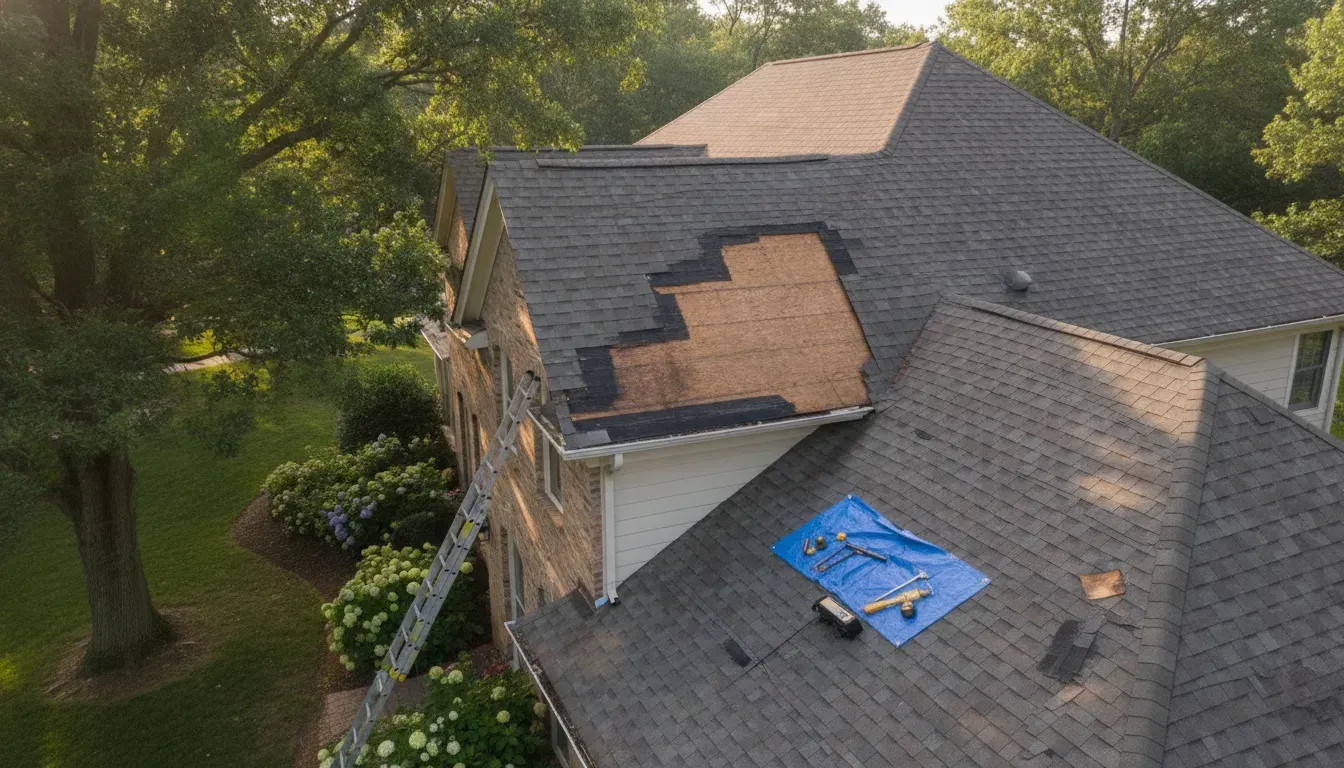
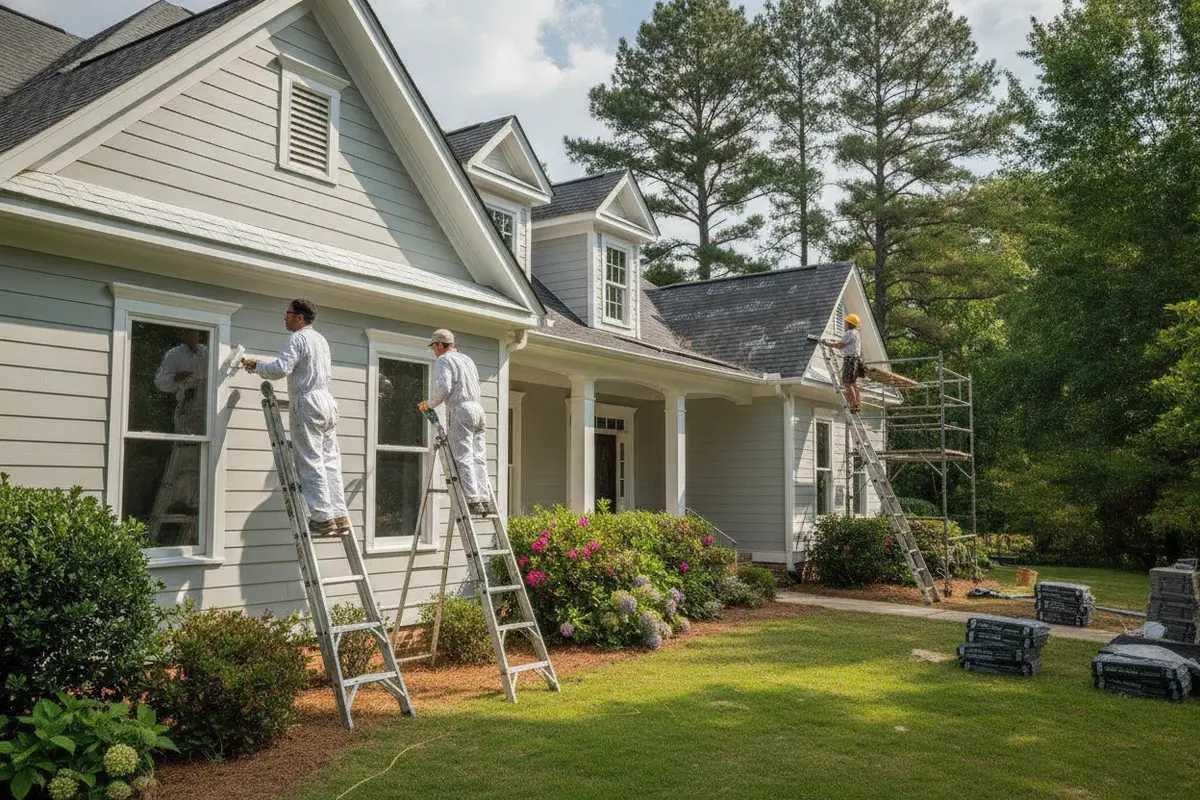
Most exterior painting happens on siding, trim, fascia, and other surfaces around the roofline. Yet these areas connect. A ladder pressed against a gutter can bend it, a careless step can dislodge a shingle, and scraping debris can collect in valleys or drains. A short walkthrough before work begins helps everyone understand where the roof is vulnerable.
Start by identifying the roof type and condition. Many Georgia homes have asphalt shingles. Older, brittle, lifted, or recently repaired shingles deserve extra care because pressure or dragging equipment can worsen existing wear. If you already see a leak, missing shingles, loose flashing, or damaged gutters, address that concern before a painting crew sets up.
Agree on a few simple boundaries with the contractor:
- Do not use the roof as a staging area for paint cans, tools, ladders, or debris.
- Keep ladders on stable ground and use a suitable stand-off or other method to avoid crushing gutters, where appropriate.
- Do not drag hoses, extension cords, or protective coverings over shingle surfaces.
- Keep paint, solvents, and wash water away from roof drains, valleys, and landscaping.
- Tell you promptly if anyone notices a loose shingle, puncture, dented gutter, or other change.
The right precautions depend on the building and the work. A two-story home with steep roof planes needs a different access plan from a low ranch with wide eaves. If the crew believes roof access is necessary, ask why, how they will protect the surface, and whether a safer access method is available.
What should you check before the painters arrive?
Document roof and gutter conditions before setup. A clear starting record makes it easier to distinguish pre-existing wear from anything that happens during the project.
Walk around the home from the ground, preferably on a dry day. Look for obvious signs such as a sagging gutter, a downspout pulled away from the wall, shingle pieces on the ground, or stains on soffits and fascia. Do not climb onto a roof to check it. A ground-level look cannot diagnose every roof issue, but it can help you decide what to flag and where to ask for professional input.
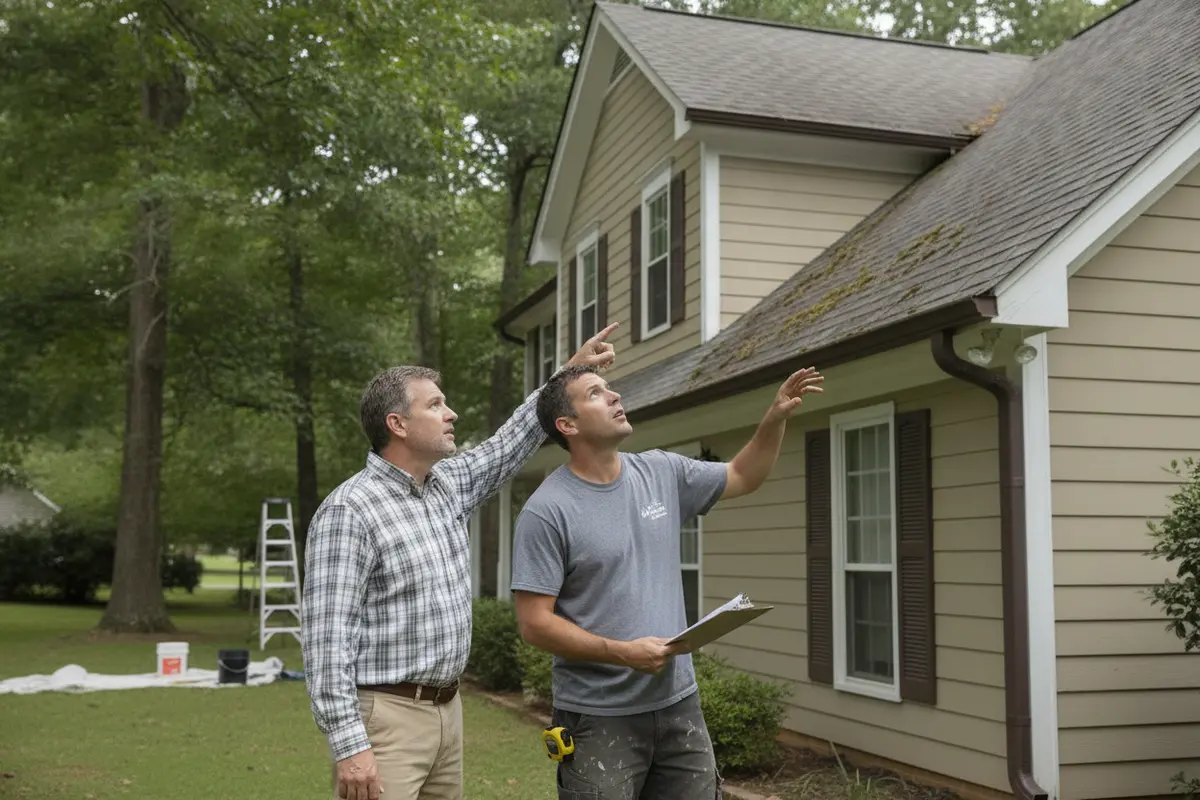
Take dated photos of each side of the home, especially roof edges, gutters, downspouts, trim, and any existing damage. Include a wider view to show the location, then take a closer photo if it is safe to do so from the ground. Share the images with the painting contractor and keep a copy for your own project file.
Then review the scope of work. Ask the painting contractor whether the project includes scraping, pressure washing, sanding, caulking, or replacing trim near the roofline. Each method can create a different concern. Pressure washing should not force water under shingles or into attic vents. Scraping and sanding can send chips or dust onto shingles and into gutters. Replacing fascia may require careful work at the roof edge.
When you have a roof concern, arrange for a qualified roofer to assess it rather than asking the painting crew to judge whether a roof defect is harmless. A roof professional can explain whether a visible issue calls for repair or further evaluation. Total Roof Solutions provides residential roof repair and residential roofing services for homeowners with roof-related needs.
 How should ladders, paint, and cleanup be managed around a roof?
Plan access and cleanup as carefully as the painting itself. Ladders should be positioned for stable access without crushing gutters or resting on delicate roof features.
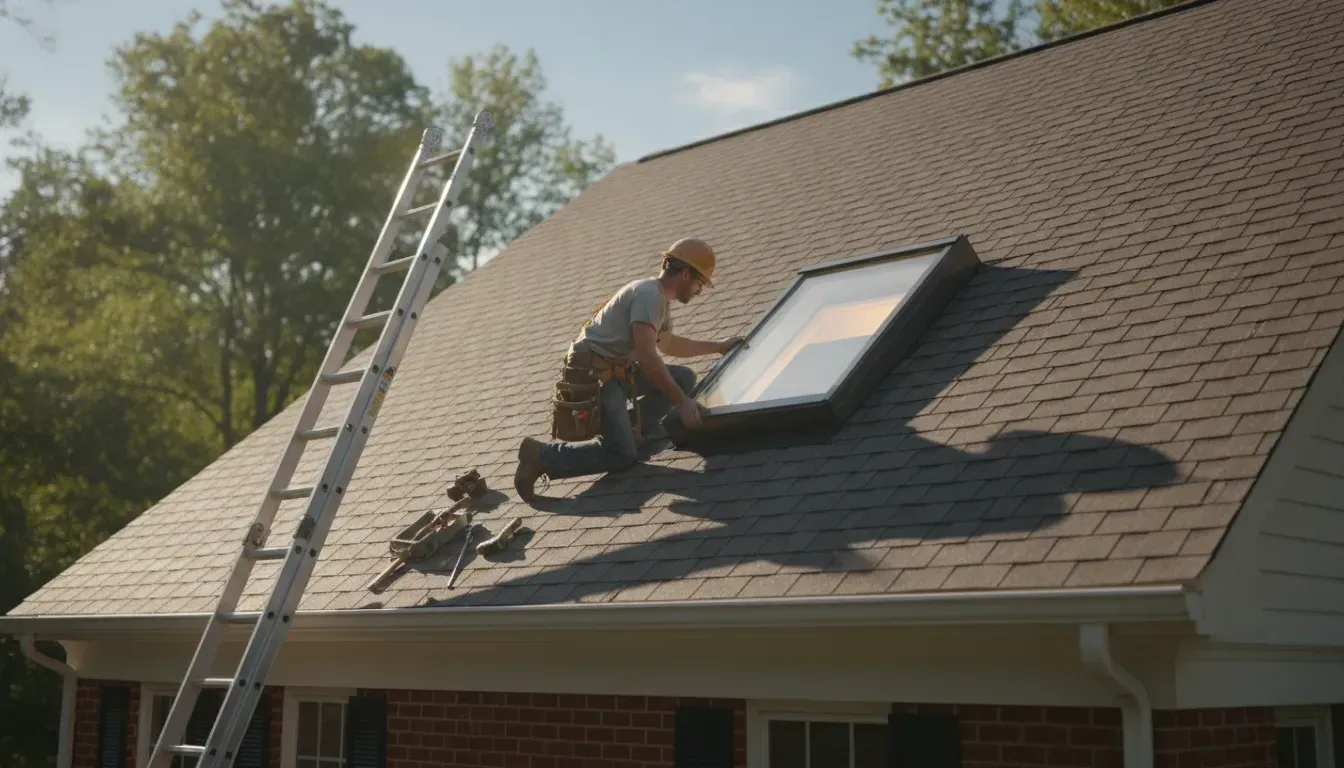
Ask where ladders will be placed and how workers will reach upper trim, fascia, and soffits. A ladder should not be set on an unstable surface or leaned carelessly against a gutter. The contractor should select equipment and placement suited to the height and shape of the home. Do not direct a worker to climb onto a roof or use a setup that seems unsafe.
Protective coverings can help contain paint and debris, but they should not be pulled tightly across shingles, block ventilation, or trap moisture. Make sure coverings are secured in a way that does not require walking on the roof. If wind picks up, the crew should check that tarps and loose materials cannot lift or scrape across the roof surface.
For scraping or sanding, agree on how chips and dust will be collected. Use ground cloths near the walls and keep gutters from becoming a catch-all for debris. After work, check that downspouts discharge normally and that no paint flakes or construction scraps remain in roof valleys or drainage paths. Do not reach onto the roof to retrieve an item; ask the crew or a roofing professional to handle it safely.
Paint overspray is another reason to establish boundaries. Discuss masking and spray direction before application, especially near roof edges, vents, skylights, and neighboring surfaces. If the project uses a spray application, confirm how the crew will shield the roof and how they will address accidental overspray. Never scrape or use a harsh chemical on shingles without professional guidance, since an aggressive cleanup could cause more damage than the paint itself.
Roof and gutter systems are connected, so remember the drainage path. Gutters carry water from the roof away from the building. If painting work bends a gutter, clogs an outlet, or leaves material in a downspout, the next rain can reveal a problem. A basic post-work look from the ground can spot visible issues; more serious concerns deserve a professional assessment.
Which painting tasks create the most roof-related risks?
Work close to the eaves, gutters, and roof penetrations needs the clearest plan. The risk is usually not the fresh paint on the wall; it is how workers and materials reach the work and what falls or gets washed onto the roof.
Painting tasks and practical roof precautions
- Painting task: Scraping or sanding near eaves. Possible roof or drainage concern: Chips and dust can land on shingles or collect in gutters. Practical precaution: Use ground protection, collect debris, and check gutters and drainage paths after work.
- Painting task: Painting fascia and soffits. Possible roof or drainage concern: Ladders or tools may press against gutters or roof edges. Practical precaution: Plan stable access and avoid using gutters as a ladder support.
- Painting task: Pressure washing siding. Possible roof or drainage concern: Water can reach roof edges, vents, or openings if directed improperly. Practical precaution: Discuss pressure and spray direction; keep water from being driven beneath shingles.
- Painting task: Spray application near rooflines. Possible roof or drainage concern: Overspray may reach shingles, vents, flashing, or skylights. Practical precaution: Agree on masking and spray control before application.
- Painting task: Fascia or trim replacement. Possible roof or drainage concern: Work at the roof edge can expose or disturb nearby materials. Practical precaution: Clarify who handles any roof-related issue and when a roofer should assess it.
- Painting task: Cleanup and equipment removal. Possible roof or drainage concern: Loose debris, coverings, or hoses can snag or scrape roof surfaces. Practical precaution: Remove materials carefully and complete a ground-level final walkthrough.
Use the table as a conversation starter, not a substitute for site-specific judgment. A painting contractor should explain how the crew will protect the home for the actual scope. If the roof is steep, aging, or visibly damaged, it may be sensible to get roofing advice before the crew begins work near it.
Should you repair or replace a roof before painting the exterior?
Resolve active roof problems before cosmetic work whenever practical. A leak, loose flashing, or damaged roof edge can affect newly painted surfaces and complicate the order of work.
Start with the condition, not an assumption that a roof must be replaced because painting is planned. If the roof is performing well and there are no visible issues, the painting project may simply need sensible protection and careful access. If you have an active leak, missing shingles, a damaged section, or water staining inside, ask a roofer to assess it before the painting schedule is finalized.
For an older asphalt shingle roof, age alone does not tell the full story. The condition of the shingles, roof details, ventilation, and evidence of leakage all matter. Our guide to how long asphalt shingles may last explains factors that affect service life, while our article on repairing a roof versus replacing it can help you understand the decision points.
If a roofing project is already planned, coordinate it with the painting work. In many cases, it is sensible to complete roof replacement or repairs first, then paint adjacent trim and siding after roof work is complete. That sequence can reduce the chance that roofing materials, tools, or installation activity affect a fresh finish. However, the best sequence depends on the specific work; confirm it with both contractors.
For a replacement, discuss timing, access, debris control, and protection of siding and landscaping with the roofer. If you are weighing the project budget, this roof replacement cost breakdown explains why roof scope and home details affect estimates. Total Roof Solutions also shares roof replacement financing information for homeowners considering payment options.
Do not ask a painter to cover or conceal a roof problem as part of surface preparation. A fresh coat on fascia cannot stop water entering at flashing, and paint is not a roof repair. If there is uncertainty about the source of moisture, get the roof and wall conditions assessed before sealing or painting over the evidence.
 How can you coordinate the roofer and painting contractor?
Give each contractor a clear scope and agree on the order of work. A brief coordination conversation can prevent crossed expectations about who protects, repairs, or reports a roof-related issue.
Before the project, share your photos and describe any leaks, prior repairs, or areas of concern. Tell both contractors what other work is scheduled. Ask the painter to identify any planned roof access and the roofer to flag nearby surfaces that should be protected during repair or replacement. If one contractor notices damage outside their scope, ask them to document it and contact you rather than making an unapproved change.
These questions can keep the discussion focused:
- Which surfaces are included in the painting scope, and which are excluded?
- Will the crew need to access the roof, and what safer alternatives are available?
- How will ladders, tarps, paint, wash water, and debris be kept away from shingles and gutters?
- Who should be contacted if a worker finds a loose shingle, leak, or damaged flashing?
- Should roof repairs or replacement happen before painting, and how will the schedule be coordinated?
- What will the final walkthrough cover, including gutters and downspouts?
Put important answers in writing, even if the plan is simple. Confirm the work dates, access expectations, cleanup responsibilities, and how unexpected findings will be handled. This does not need to become a complicated contract negotiation; clear communication helps avoid assumptions when crews are on site.
If you are comparing roofing contractors for a separate roof project, ask about the proposed scope, materials, cleanup, schedule, and how they will communicate changes. You can review examples in Total Roof Solutions' project gallery and learn more about the company’s work in Henry County or Georgia communities.
How can you complete a final roofline walkthrough?
Check the work area from the ground before the crew packs up. A planned walkthrough gives you and the contractor a chance to notice visible issues while the people who did the work are still present.
Walk the same sides of the home you photographed before painting. Compare the roof edges, gutters, downspouts, fascia, and trim with your starting pictures. Look for paint spots, loose masking, scraps, or new dents that are visible from a safe position. If the crew used ground cloths, ask them to collect the coverings and debris rather than dragging anything across shingles or pulling material off a roof edge.
Then check the drainage route. Confirm that gutter openings and downspout outlets are not visibly blocked by tape, paint chips, or other project waste. If water is being used for cleanup, ask where it was directed and make sure it has not been discharged into an area where it can enter the home. Do not climb a ladder or reach over an edge to inspect an uncertain spot; mark its location and ask the contractor to review it safely.
Record concerns promptly with a photo and a brief written note describing the location. For example, “new dent at the front-left gutter corner” is more useful than a general note that the roofline looks different. Ask the painting contractor to document what they observe and explain how an item outside their scope will be addressed. If it appears to involve a shingle, flashing, or roof leak, contact a roofer rather than asking the painter to improvise a repair.
What should you do if paint or debris gets onto the roof?
Pause and assess from a safe location before anyone attempts cleanup. Do not climb up, scrape shingles, or apply solvents to remove paint without knowing what the roof material can tolerate.
Take a photo from the ground if the affected area is visible and tell the painting contractor promptly. Ask what product was used and what cleanup method they propose. For paint on shingles, vents, or flashing, consult a roofing professional before using abrasives, pressure washing, or chemical cleaners. Some methods can remove protective granules, loosen shingles, or affect roof components.
If you find a damaged gutter, loose shingle, or new water stain after the work, note the location and timing. Keep records of the before-and-after photos and any messages with the contractors. If water is actively entering the home, protect belongings and arrange appropriate professional help; avoid putting yourself at risk by climbing onto a wet or steep roof.
For concerns about older paint during preparation, do not assume that scraping or sanding is safe. If you suspect lead-based paint, review the Georgia EPD lead-based paint guidance and ask the painting contractor what precautions apply to the property and work method.
After cleanup, check the home again from the ground during the next rain if conditions allow. Look for unusual overflow, water stains, or drainage changes, but do not treat one observation as a full roof diagnosis. If a leak or visible defect appears, contact a roofer for a proper assessment.
Ask Total Roof Solutions about a roof concern
Frequently asked questions about exterior house painting and roofs
Can painters walk on asphalt shingles?
Routine exterior painting should not require workers to walk on the roof. Walking on shingles can cause damage, particularly when the surface is hot, brittle, steep, or already worn. Ask why roof access is needed and whether another access method will work. A qualified roofing professional can advise if roof access is necessary for roof-specific work.
Should gutters be covered while a house is painted?
Protecting gutters from paint and debris can make sense, but coverings should not block drainage for an extended period or create a hazard. Ask the painting crew how they will mask the gutters, secure the covering without damaging the roof edge, and remove it promptly. Check that downspouts and outlets are clear after the work.
Can pressure washing damage a roof?
Pressure washing aimed at shingles or roof openings can dislodge material or push water where it should not go. Exterior cleaning should be planned around the surface being cleaned and the roofline above it. Discuss spray direction and pressure with the contractor, and do not use a pressure washer on roof shingles unless a qualified professional has recommended an appropriate method.
Is it better to paint before or after roof replacement?
When roof replacement is already planned, completing the roof work before painting nearby trim or siding is often a practical sequence because installation involves tools, material handling, and cleanup near the roof edge. The right schedule depends on the scope and site. Ask both contractors to coordinate dates and explain how they will protect finished surfaces.
What if I see a roof leak while preparing to paint?
Do not paint over water stains or assume caulk will solve the source. Document the location, protect items indoors if needed, and ask a roofer to assess the roof and related details. Resolve the cause before finishing nearby surfaces so the new paint is not exposed to the same moisture problem.
How can you plan a safer exterior painting project?
Protecting a roof during exterior house painting comes down to preparation, careful access, and coordination. Record existing conditions, keep ladders and materials off vulnerable roof areas, manage debris and drainage, and address roof defects before they affect the finished exterior.
If you have a roof concern before your painting project, contact Total Roof Solutions to discuss the next step. A clear assessment can help you coordinate the work and protect the home’s roof and exterior surfaces.