Choosing Roofing Materials for Georgia Heat and Storms: Best Roofing Materials for Residential Homes
MEGA MEGA • November 12, 2026
Compare shingles, metal, tile, and slate for Georgia homes. Learn how heat, storms, roof structure, upkeep, and budget shape a lasting choice.

Choosing the best roofing materials for residential homes in Georgia means looking beyond color and curb appeal. Heat, heavy rain, wind, occasional hail, roof shape, and the home's structure all affect which option is practical. Asphalt shingles are common, but they are not the only choice. The right decision depends on how a material fits your home, your priorities, and the full roofing system around it.
Talk with a roofing professional about your home
What matters most when choosing a roof for Georgia weather?
Start with the conditions your roof must handle, then consider the roof itself and your plans for the property. A material that works well on one home may be unsuitable for another if the roof has a different slope, framing, drainage pattern, or ventilation setup.
Georgia homeowners should weigh several factors together:
- Heat and sun: The roof receives repeated exposure to strong sun and warm weather. Ask how the proposed material and color fit the home and whether the roof assembly has suitable ventilation.
- Rain and drainage: Materials must be installed as a system that sheds water. Roof slope, valleys, penetrations, flashing, and gutters matter along with the surface covering.
- Wind and hail: Storm exposure makes installation quality and the exact product specification important. Ask what the selected system is rated for and what the manufacturer requires.
- Roof structure: Some coverings are heavier than others. The roof framing and existing layers must be evaluated before selecting a material that adds load.
- Maintenance and serviceability: Consider how the roof will be inspected, repaired, and maintained over time, not just how it looks on installation day.
- Budget and ownership plans: Compare the full installed project and expected upkeep with how long you expect to own the property.
There is no single material that is automatically best for every Georgia house. A careful assessment should account for the home's specific roof and for what the owner values most: lower initial cost, a particular appearance, durability, or less routine upkeep.
Which residential roofing materials should you compare?
Asphalt shingles, metal, tile, and slate are familiar residential options, but they differ in weight, appearance, installation needs, and cost. The Consumer Reports roofing buying guide notes that asphalt shingles are the most common residential roof covering in the United States, while roofing materials range from metal to natural slate. That makes shingles a useful baseline for comparison, not an automatic answer for every house.
Asphalt shingles: a familiar choice for many homes
Asphalt shingles are widely used on residential roofs and come in a range of styles and colors. Their familiarity can make them a practical option to discuss when a homeowner wants a conventional pitched-roof appearance. Product choices vary, so compare the precise shingle line and system being proposed rather than treating all shingles as identical.
Ask for the manufacturer's product information and installation requirements. Find out how the contractor plans to address underlayment, flashing, ventilation, and roof edges. Those details affect how the whole roof is put together. If you are comparing a shingle replacement, review the home's current condition and the scope of work, not simply a price per square.
Shingles may be a sensible fit when the existing roof structure and slope are appropriate, the homeowner wants a familiar look, and the project plan suits the budget. If comparing options, Total Roof Solutions has additional information on what affects asphalt shingle life expectancy and cost considerations for replacing an asphalt roof.
Metal roofing: consider the complete system
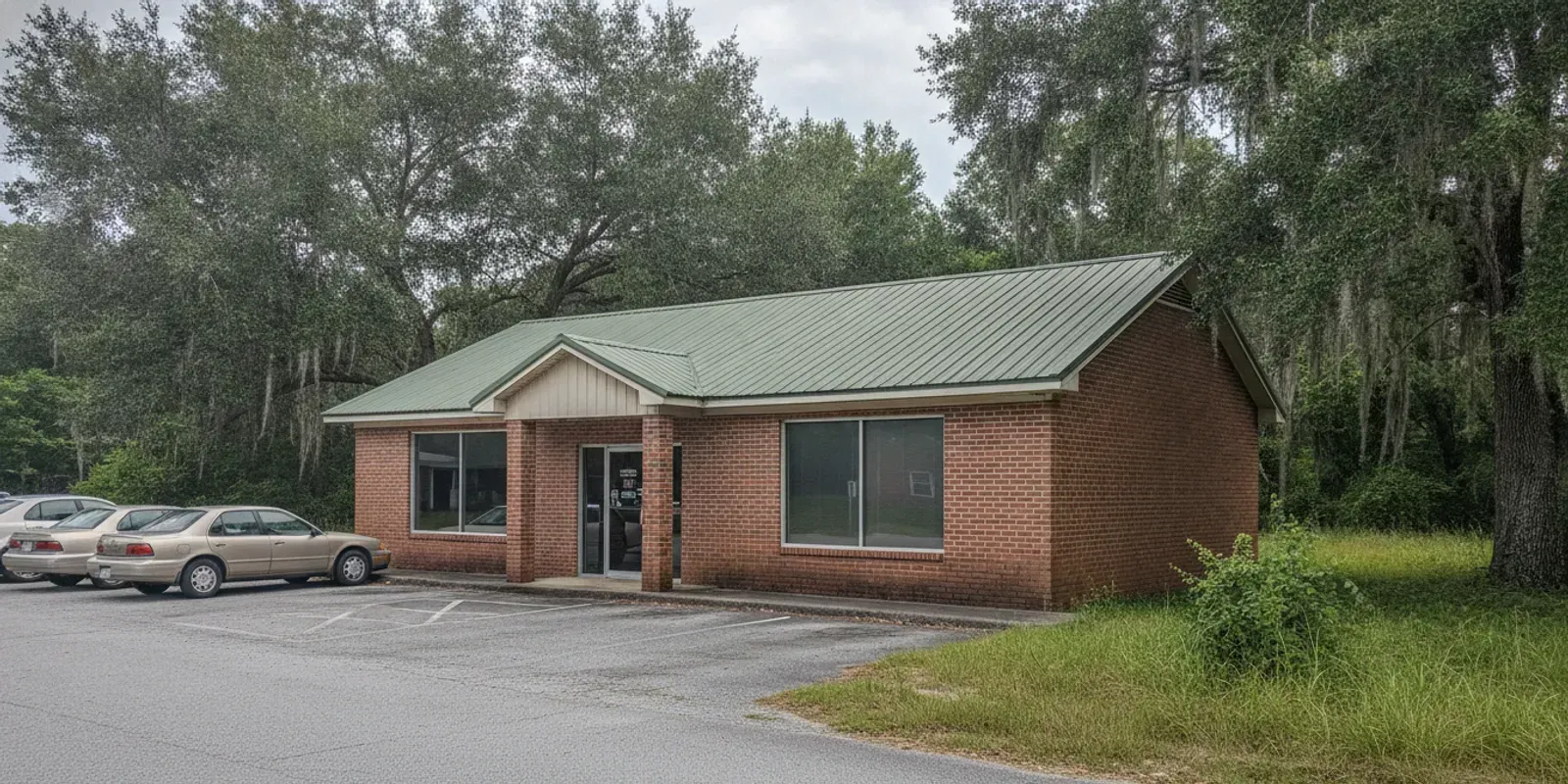
Metal roofs come in different profiles and systems. The appearance can vary from panels to products designed to resemble other roof coverings. A quote should identify the material and system, explain the installation method, and specify how seams, edges, penetrations, and transitions will be handled.
Do not assume that the word “metal” alone tells you how a roof will perform or what it will cost. The product, roof geometry, details, and workmanship all matter. Ask whether the existing structure is suitable and what maintenance or repair considerations apply to the specific system. Also compare how the finished roof will look alongside the home's exterior.
Metal may be worth evaluating if its appearance and system requirements fit the house and the owner is comfortable with the project cost and installation details. It should be compared using a written, system-specific proposal, not a broad category label.
Tile and slate: distinctive coverings with added considerations
Tile and natural slate offer distinct appearances and can be durable when properly selected and installed. They also bring structural and installation questions that need careful attention. Their weight can be a major consideration, so do not assume that a roof framed for another covering can support them without evaluation.
Ask whether the structure is suitable, what preparation or reinforcement would be needed, and whether the contractor has experience with the proposed material and roof details. Discuss how the material will be sourced and repaired if a piece is damaged. The full project may involve more than replacing the visible surface, so request a clear scope before comparing costs.
These options may suit owners with a strong preference for their appearance and a property that can accommodate the system. They are not a default upgrade for every home simply because they look substantial or have a premium reputation.
How should you compare materials for heat, rain, wind, and hail?
Use the same questions for every proposal. That keeps the comparison grounded in the specific product and installation instead of broad claims about what a material can do.
Heat and ventilation
For a home exposed to long warm seasons, ask how the chosen roof covering works with the attic or roof-space ventilation plan. The covering is only one part of the assembly. Ventilation, insulation, air leaks, and the home's layout can affect comfort and moisture management, so a material change should not be treated as a substitute for assessing the whole roof system.
Ask the contractor to explain the proposed ventilation approach in plain language and identify any existing concerns. If a quote changes the roof covering but says nothing about ventilation or underlayment, ask what is included and why.
Rain and water entry
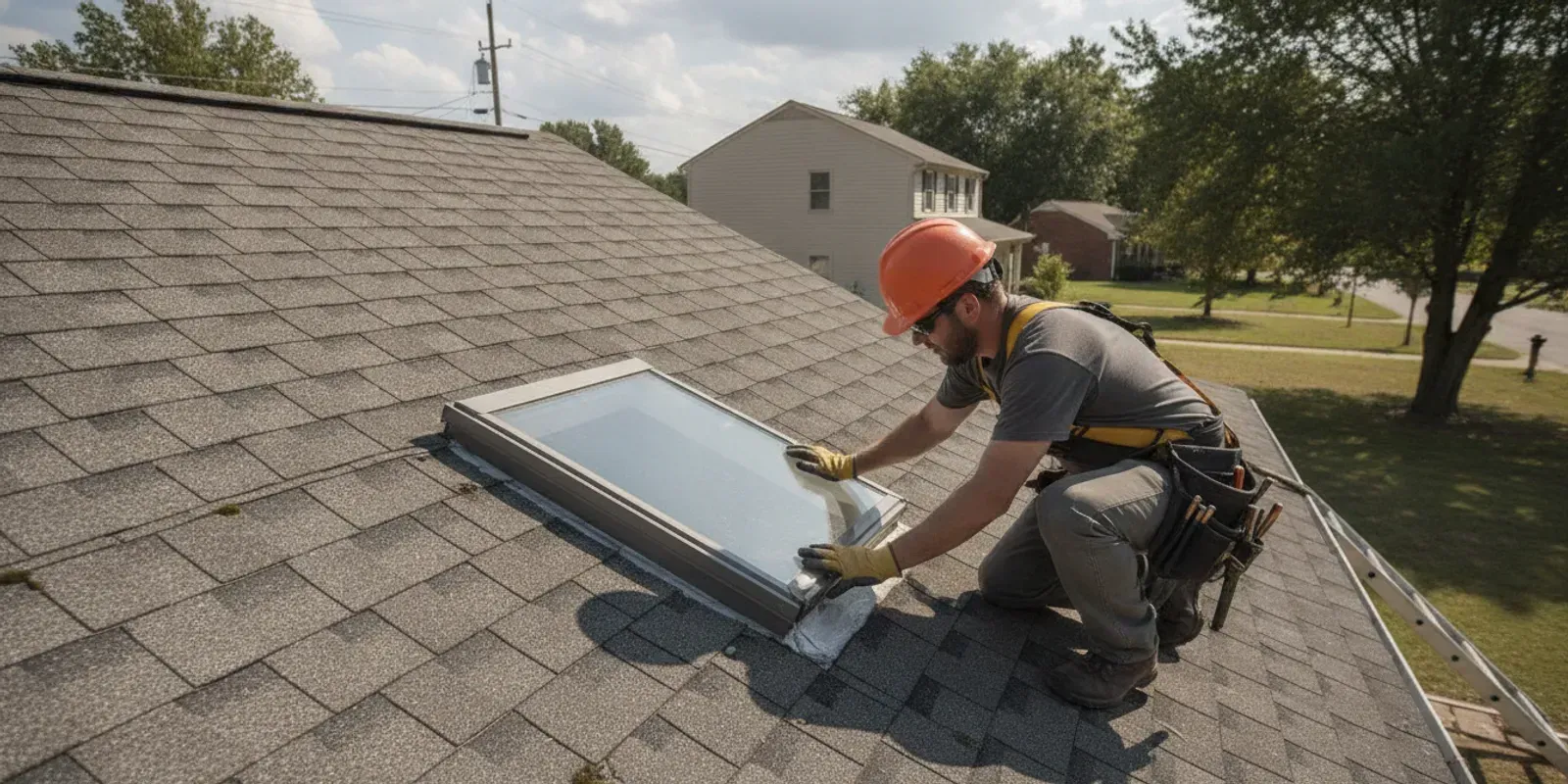
Georgia rain makes water management a central part of the work. Ask how the proposal addresses valleys, chimneys, skylights, plumbing vents, walls, and other roof openings. Check whether the scope includes the needed flashing and underlayment, and ask how damaged decking or concealed conditions would be handled if uncovered during work.
A roof's performance depends on directing water away from vulnerable transitions, not only on the visible surface. For background on planning a replacement project, see this step-by-step overview of the roofing process.
Wind and hail
Storm conditions can affect roofs in different ways. Ask for the precise product documentation and any applicable manufacturer installation instructions. Confirm what the proposed system covers, what is excluded, and whether the fastening and edge details match the requirements for that product.
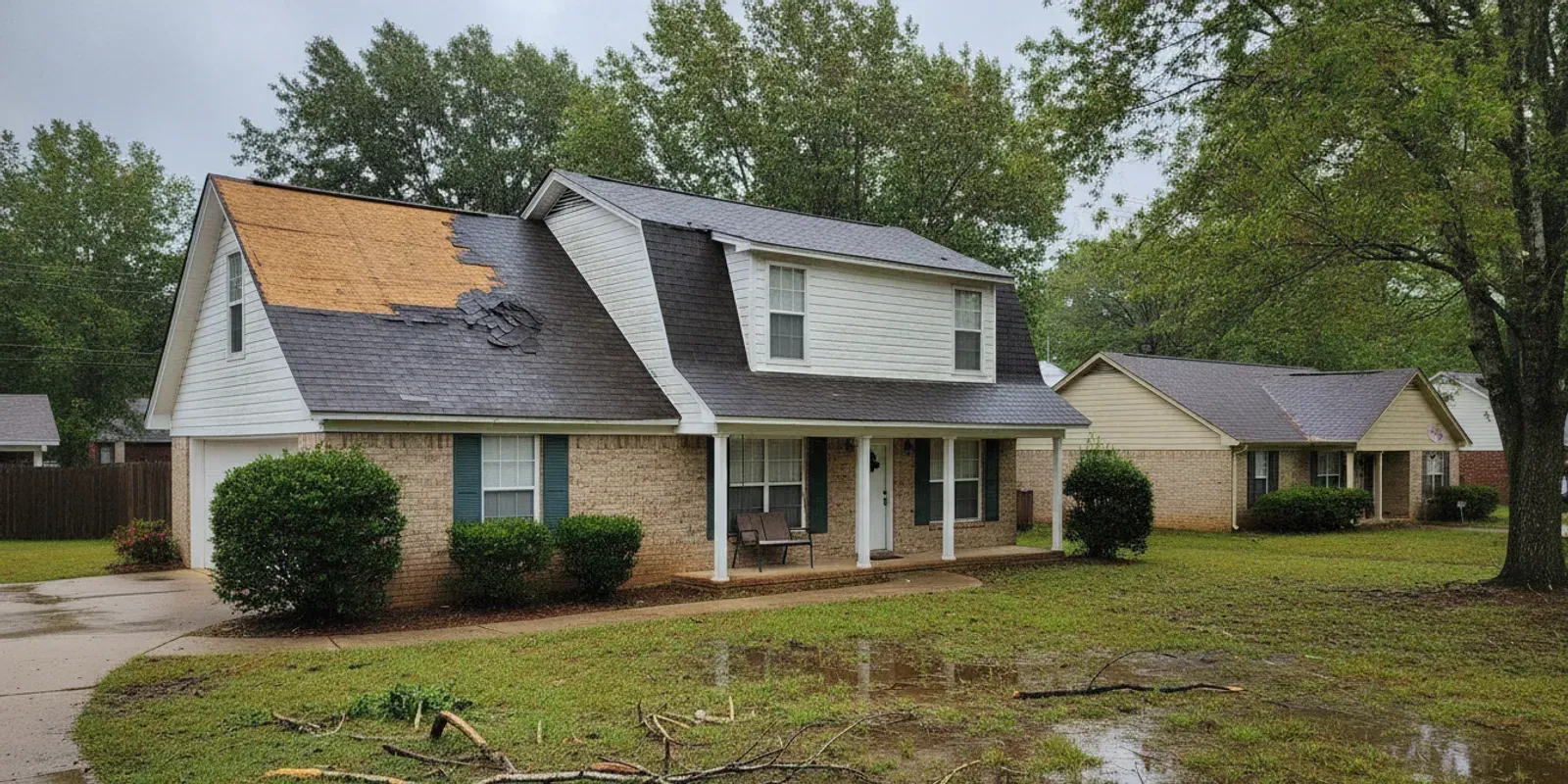
Be wary of promises that one material is storm-proof. No roof should be described as immune to weather damage. If a storm has already affected your home, focus first on safety and documentation, then arrange an assessment. This guide to what to do about a roof leak covers practical first steps while you arrange help.
Why do roof slope and structure change the answer?
A roof material must suit the shape and structure of the roof. Some coverings have minimum slope requirements or special details for low-slope areas. A complicated roof with valleys, dormers, skylights, or multiple wall intersections may need more detailed flashing work than a simple roof plane.
Before choosing a product, ask the roofer to verify:
- Whether the roof slope is appropriate for the proposed covering and system.
- Whether the framing can carry the material and any existing roof layers.
- How the roof's valleys, eaves, ridges, hips, and edges will be detailed.
- How pipes, chimneys, skylights, and walls will be flashed.
- Whether the decking is sound and how repairs will be priced if needed.
- Whether ventilation and drainage details need attention during the project.
If the house already has a covering that has performed reasonably well, ask whether there is a practical reason to change materials. Keeping a familiar system can sometimes simplify the decision, but existing damage, structure, roof shape, or the homeowner's goals may point another way. The answer should come from the property's conditions rather than a blanket recommendation.
How can you compare the full cost of each roofing option?
Compare written proposals with the same scope. A low figure may not include the same tear-off, underlayment, flashing, ventilation work, disposal, or repair allowances as another bid. Ask contractors to identify the material by manufacturer and product line, describe the layers and accessories, and state what is excluded.
When reviewing price, consider these separate parts:
- Removal and disposal: Confirm whether the existing roof will be removed and what happens to debris.
- Decking and hidden damage: Ask how the contractor will document and price repairs if damaged wood is found.
- Roof system components: Identify underlayment, flashing, ventilation, edge details, and other materials in the scope.
- Installation: Clarify the work included, the expected sequence, and who is responsible for cleanup.
- Warranty terms: Separate product coverage from workmanship coverage and ask who handles a claim.
- Future upkeep: Ask what routine checks or maintenance the selected system calls for.
For context on the variables that influence a roof project estimate, read this guide to roof replacement costs in Georgia. It is more useful to compare scope and assumptions than to select a covering based on an isolated price estimate. A written proposal should make it possible to understand what you are buying and what could change the final total. Put estimates side by side and check whether they name the same type of work. If one includes a full tear-off and another assumes a new layer over the existing roof, the totals do not describe the same project. Ask each contractor to explain the difference and whether the roof's condition or local requirements affect the approach. Check that product names are specific, rather than broad labels such as “architectural shingle” or “metal roof.” Verify what is included for starter materials, ridge details, flashing, ventilation, and cleanup. Ask how damaged decking will be priced and how you will approve extra work before it proceeds. These questions do not guarantee hidden damage will not be found; they clarify how a change would be handled. Then compare what matters most to your household. Record the tradeoffs you care about and ask the contractor to explain which system meets those priorities. If two bids are far apart, request an explanation of scope, product, and assumptions before deciding one is simply a better deal.
What should you ask a roofing contractor before deciding?
A good conversation should leave you clear about the proposed material, the installation plan, and what happens if the crew finds a problem. Ask direct questions and request written answers where they affect price, product selection, or coverage.
- Which exact manufacturer and product are you proposing, and why does it fit this roof?
- What product documentation and installation instructions apply?
- How will you handle flashing, valleys, roof edges, and roof openings?
- Does the structure and slope suit this material? How will those be checked?
- What is included in removal, disposal, decking repairs, and ventilation work?
- What warranties apply to the products and the installation, and what are their limits?
- What maintenance should I plan for, and whom should I contact if there is a concern?
- How will the crew protect the property and check the site for debris when work is complete?
It can also help to ask for photos or examples of comparable work, when available, and to verify that the proposal describes the same system you discussed. Total Roof Solutions offers residential roofing services in the area; homeowners can learn more about residential roofing options or view examples in the company's project gallery.
How do insurance and storm damage affect material decisions?
If an insurance claim is involved, keep the material choice and the claim discussion connected but distinct. First document visible concerns safely and ask the insurer what information it needs. A contractor can describe observed roof conditions and the proposed work, but coverage decisions are made under the policy and by the insurer.
Do not assume that a claim will pay for a particular upgrade or that a storm means the entire roof must be replaced. Ask the insurer about the policy, deductibles, documentation, and approval process before committing to work that depends on claim funds. Keep estimates, communications, photographs, and invoices together. The customer provides a roof replacement cost estimator guide for homeowners researching project costs, but an estimate is not a substitute for a property-specific proposal or a policy decision.
When choosing a new material, understand which items the claim scope includes and which choices would be paid separately. Get any change in material or cost documented before installation. For a homeowner who wants to understand how replacement work and insurance decisions relate, Total Roof Solutions also outlines its roof replacement and insurance process.
What common mistakes should homeowners avoid?
Rushing the decision can lead to confusion or surprises. These habits help keep the project focused on the home's needs:
- Choosing by color alone: Confirm the product, system, and installation plan before settling on appearance.
- Comparing different scopes: Ask each bidder to itemize the same major work and clarify exclusions.
- Assuming a heavier or premium-looking roof is better: Verify structural suitability and whether the extra cost serves your priorities.
- Accepting broad storm claims: Request exact product information and written terms instead of relying on phrases like “storm-proof.”
- Ignoring transitions: Ask how water-prone details such as valleys, walls, and penetrations will be addressed.
- Signing before insurance questions are clear: Confirm what the insurer has approved and what you may owe under your policy.
- Skipping the closeout: Keep the contract, product details, warranty documents, and final photos with your home records.
Homeowners uncertain whether an existing roof needs a repair or a complete replacement can compare the signs and tradeoffs in this guide to roof repair versus replacement. The goal is not to select the most elaborate option. It is to choose a suitable system and a clear scope for the property's actual needs.
Request a roofing estimate for your home
Frequently asked questions about residential roofing materials
Are asphalt shingles suitable for homes in Georgia?
Asphalt shingles are a common residential covering and may suit many Georgia homes when the roof structure, product, and installation plan are appropriate. Compare the exact shingle and system, and ask how the proposal handles flashing, ventilation, underlayment, and storm-related requirements.
Is metal roofing always better than shingles in hot weather?
No single material is automatically best for every home. The roof assembly, product, color, ventilation, installation, and homeowner priorities all matter. Ask a contractor to compare specific products for your roof rather than relying on a general claim about one category.
Can any home be changed from shingles to tile or slate?
Not necessarily. Tile and slate can be heavier than other coverings, so the roof structure and proposed system need to be evaluated before making a change. Ask whether the framing is suitable and what work or additional cost might be required.
What is the most important thing to compare in roofing estimates?
Compare the complete scope, not just the bottom-line number. Confirm the proposed product, removal and disposal, underlayment, flashing, ventilation, decking repair terms, installation details, and warranty information so you can see whether estimates cover comparable work.
The best roofing material is the one that fits your home's structure, roof design, weather exposure, appearance, and budget, with an installation plan you understand. Take time to compare specific systems and written scopes before deciding.