A Guide to the Commercial Roof Repair Process
Stephen Griswell • March 10, 2026
When you notice a water spot on the ceiling or debris on the ground, it’s easy to feel a sense of dread about what it means for your roof and your budget. The good news is that a proactive approach can save you significant time, money, and stress. Knowing what to look for and who to call is half the battle. This article breaks down the entire commercial roof repair journey into manageable steps. You’ll learn how to spot trouble early, what to expect from the repair process, and how to vet contractors to ensure you get quality work that lasts.
Key Takeaways
- Identify problems early through proactive maintenance: Look for interior and exterior warning signs like water spots or damaged flashing, and stick to a regular inspection schedule to catch small issues before they become major headaches.
- Choose the right professional for the job: A successful repair depends on hiring a licensed, insured, and certified contractor who provides clear communication and detailed estimates, which is far safer than a risky DIY attempt.
- Weigh the long-term value of repair versus replacement: Consider your roof's age, the extent of the damage, and future costs to decide if a targeted repair is sufficient or if a full replacement is the smarter investment.
Does Your Commercial Roof Need Repair? Look for These Signs
Your commercial roof is your building's first line of defense, but it's easy to forget about it until a problem becomes obvious. Catching issues early can save you from costly repairs, protect your inventory, and prevent disruptions to your business. Knowing what to look for is the first step. A quick visual check from the ground and a look around your building's interior can reveal subtle clues that your roof needs attention. Here are the key signs that it’s time to call in a professional for a commercial roof inspection.
Spotting Exterior Damage
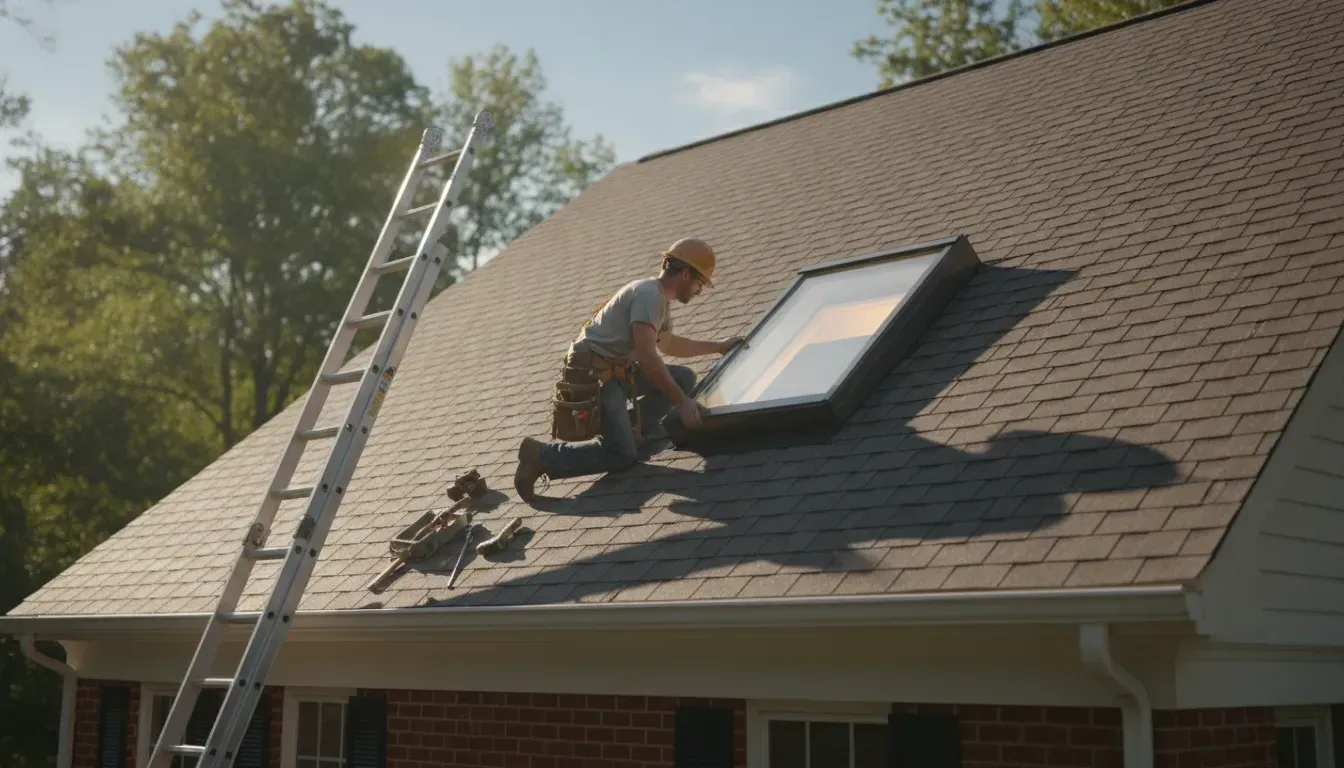
You don’t need to climb a ladder to spot some of the most common signs of roof trouble. From the ground, look for any obvious changes to the roof's surface. Watch out for cracked, torn, or missing sections of roofing material, especially after a storm. You might also notice damaged flashing, which is the metal stripping around vents, chimneys, and skylights. Another subtle sign is the appearance of bumps or loose fasteners under the roof membrane, which can indicate that the underlying structure is compromised. These issues can allow water to seep in, leading to more significant damage over time. If you see anything that looks out of place, it's a clear signal to get a professional opinion.
Interior Warning Signs You Can't Ignore
Sometimes, the first sign of a roof problem appears inside your building. Water spots on the ceiling or walls are a classic indicator of a leak, even if it seems small. Don't ignore them, as they often point to a bigger issue. Similarly, any signs of mold or a persistent musty smell could be caused by moisture getting in through a damaged roof. Have you noticed your energy bills creeping up for no reason? A compromised roof can damage your insulation, making your HVAC system work harder to maintain the building's temperature. These interior clues are your building's way of telling you it's time to have your commercial roof checked out.
Checking for Drainage and Water Issues
Proper water drainage is critical for the health of your commercial roof. After it rains, take a look at your roof if you can do so safely. Puddles of water that remain for more than 48 hours, often called "ponding," are a major red flag. This standing water adds significant weight to your roof and can mean the insulation is compressed or the drainage system isn't working correctly. It's also important to regularly check that your gutters and drains are clear of leaves, dirt, and other debris. Clogged gutters can cause water to back up and seep under the roofing material, leading to rot and structural damage.
Common Commercial Roofing Materials and How to Repair Them
Your building’s roof is its first line of defense, and the right repair strategy depends entirely on the material it's made from. Different systems have unique strengths and weaknesses, which means a one-size-fits-all approach just won’t work. Let's walk through some of the most common commercial roofing materials and what goes into fixing them properly so you know what to expect.
Repairing TPO and EPDM Membrane Roofs
TPO and EPDM are single-ply membrane roofs, popular for their durability and energy efficiency on flat or low-slope buildings. However, they can be vulnerable to punctures from foot traffic, falling debris, or tears along the seams where the material is joined. A proper repair starts with a thorough cleaning of the damaged area to ensure a strong bond. Next, a specialized patch is applied using heat-welding for TPO or a strong adhesive for EPDM. This process creates a watertight seal that restores the membrane’s integrity and prevents leaks from spreading.
Handling Metal Roof Repairs
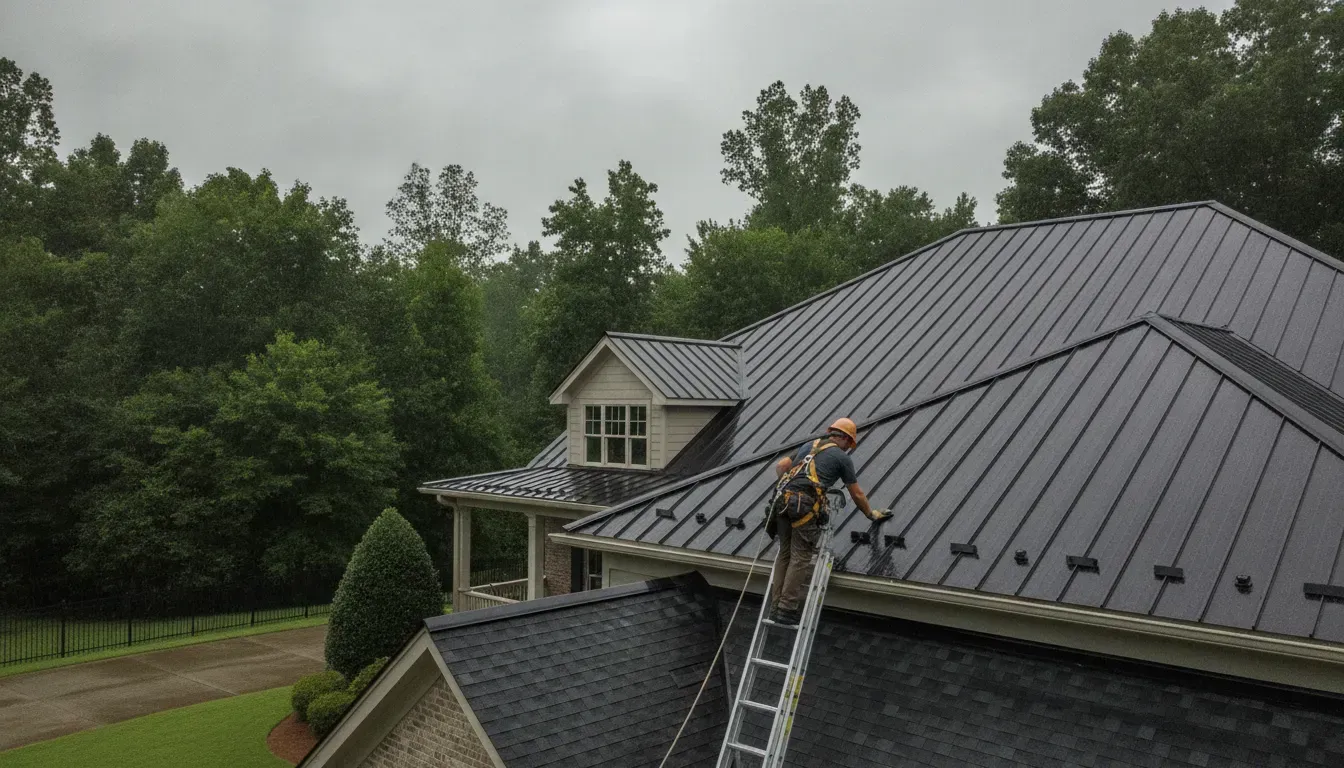
Metal roofs are known for their impressive lifespan, but they aren’t indestructible. Common issues include loose or failing fasteners that allow water to seep in, rust formation in scratched areas, and punctures or dents from severe weather. The repair process often involves replacing worn-out fasteners with new, oversized ones that have a rubber washer to create a tight seal. For leaks or rust, the area is cleaned, treated for corrosion, and then sealed with a high-quality sealant or patch compatible with the specific type of metal. This ensures the repair will last and protect your investment.
Fixing Built-Up Roofing Systems
Built-up roofing, or BUR, is a classic system made of layered asphalt and reinforcing fabrics. Over time, these roofs can develop problems like blisters from trapped moisture, deep cracks from sun exposure, or areas where water pools. Repairing a BUR system is an intensive process. It involves carefully cutting away the damaged layers down to a stable substrate. Then, new layers of bitumen and fabric are applied, overlapping with the existing roof to create a seamless, durable patch. It’s crucial that this work is done by professionals who understand how to maintain the integrity of these complex, multi-layered systems.
What to Expect During a Commercial Roof Repair
Navigating a commercial roof repair can feel like a huge undertaking, but it doesn’t have to be overwhelming. When you know what to expect, you can plan accordingly and feel confident in the process. A professional repair project typically follows a clear, four-step path from the initial call to the final sign-off, ensuring your business is protected and the job is done right. Let’s walk through each stage so you’re prepared.
Step 1: The Initial Assessment and Damage Evaluation
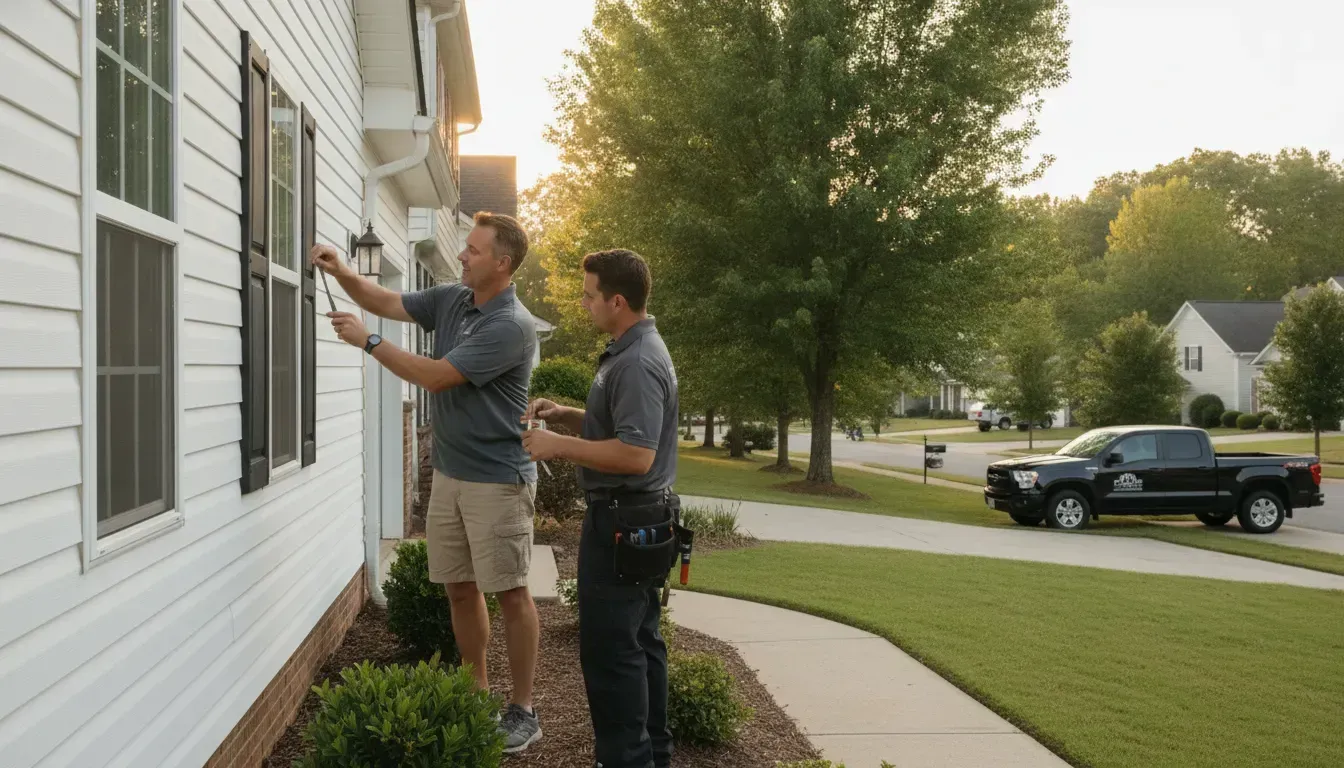
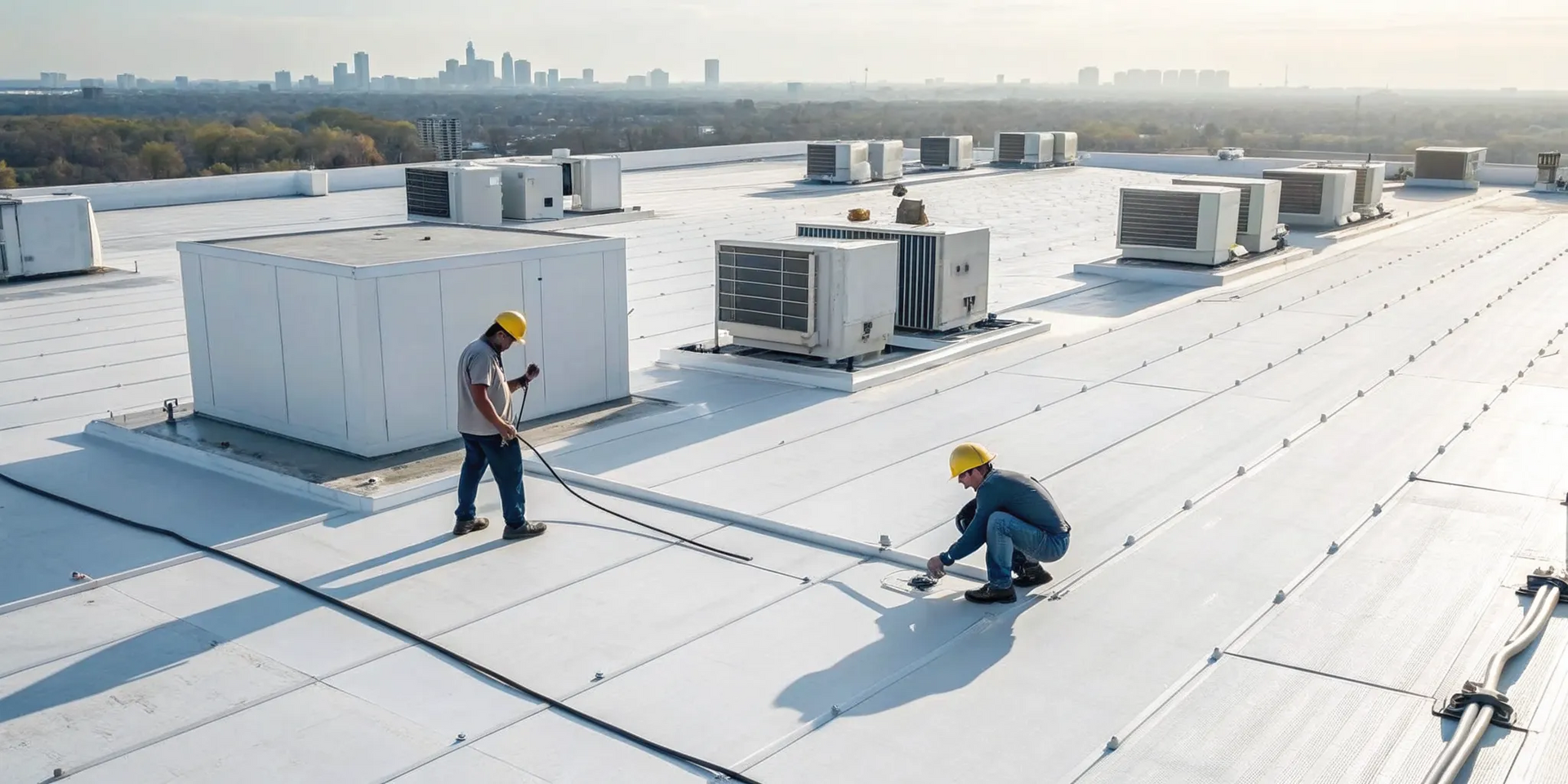
The first thing we do is a thorough inspection of your roof. Commercial properties, especially here in Georgia, can take a beating from everything from intense sun to severe storms. A comprehensive initial assessment is the only way to understand the full extent of the damage and map out a precise repair plan. We’ll get on the roof to identify every issue, from obvious punctures and tears to less visible problems like membrane deterioration or water pooling. This detailed evaluation forms the foundation for an accurate estimate and an effective, long-lasting commercial roof repair.
Step 2: Documenting Damage for Insurance Claims
If the damage is covered by your insurance, detailed documentation is your best friend. We help you through this by taking extensive photos and videos of every problem area we find during our assessment. This visual evidence is crucial for building a strong insurance claim and making sure you receive the compensation you’re entitled to. We provide clear, professional documentation that explains the cause and extent of the damage, which simplifies the claims process for you and your insurance adjuster. This step ensures that all necessary repairs are accounted for and properly funded, removing a major headache from your plate.
Step 3: Planning the Repair and Selecting Materials
Once we understand the scope of work, we’ll create a detailed repair plan. This is where experience really matters. Instead of just offering the cheapest fix, we focus on providing the best long-term value for your property. As an Owens Corning Platinum Preferred contractor, we use only high-quality, durable materials designed for commercial applications. We’ll discuss your options, explaining the pros and cons of each material so you can make an informed decision that fits your budget and protects your investment for years to come.
Step 4: Setting a Timeline and Managing the Project
Clear communication is key to a smooth repair process. We’ll establish a realistic project timeline and keep you informed every step of the way. While unexpected challenges like weather delays can happen, our project management approach is designed to minimize disruptions to your business operations. We work efficiently to complete the repair on schedule and within budget, addressing any potential issues before they become major problems. Our goal is to handle the logistics so you can stay focused on running your business, confident that your property is in capable hands.
How Much Do Commercial Roof Repairs Cost?
Budgeting for a commercial roof repair can feel tricky because there isn't a single, standard price. The final cost depends on a unique set of circumstances specific to your building and the nature of the damage. Think of it less like buying a product off the shelf and more like a custom service tailored to your roof's specific needs.
Several key elements play a role in determining the price, from the materials on your roof to the complexity of the fix. Understanding these variables will help you set a realistic budget and know what to expect. To make sure you're prepared, it’s helpful to know what drives repair costs, how to prevent unexpected expenses, and what a good estimate should look like. This knowledge empowers you to make informed decisions and protect your investment without breaking the bank.
What Factors Influence Repair Prices?
The cost of a commercial roof repair is shaped by a few major factors. First, the type of commercial roofing system you have, whether it's TPO, metal, or a built-up system, will significantly impact material and labor costs. The overall size of your roof and the specific area that needs attention also play a big part. A small patch job will naturally cost less than addressing widespread damage.
The complexity of the job matters, too. Repairs on a flat, open roof are typically more straightforward than those on a roof with numerous vents, skylights, or HVAC units to work around. Finally, the extent of the damage is a crucial factor. A simple leak fix is one thing, but if there's underlying structural damage from prolonged water exposure, the repair will be more involved and costly.
Avoiding Hidden Costs and Budget Surprises
No one likes financial surprises, especially during a major repair. The best way to avoid hidden costs is to start with a thorough, professional roof inspection before any work begins. A detailed assessment can uncover underlying issues, like saturated insulation or deck rot, that aren't visible from the surface. Catching these problems early prevents them from becoming bigger, more expensive headaches down the road.
Think of regular maintenance as your first line of defense. Sticking to a consistent inspection schedule and addressing small issues as they appear is far more cost-effective than waiting for a major failure. Timely, minor repairs protect your roof's integrity and can save you thousands in the long run by preventing catastrophic damage that could disrupt your business operations.
How to Get an Accurate Estimate
Getting a clear and accurate estimate is essential for planning your budget. When you're ready for quotes, reach out to a few reputable contractors to compare your options. A trustworthy estimate won't just give you a bottom-line number; it will provide a detailed breakdown of all anticipated costs, including labor, materials, and any necessary permits. This transparency helps you understand exactly what you're paying for.
Don't hesitate to ask questions if something isn't clear. A good contractor will be happy to walk you through the estimate and explain each line item. It's also a smart practice to get everything in writing and document your conversations. This ensures everyone is on the same page from the start and helps create a smooth, accountable repair process.
Common Challenges During a Commercial Roof Repair
Even a well-planned commercial roof repair can hit a few snags. Knowing what to expect helps you prepare for potential issues and keep your project on track. From coordinating with tenants to dealing with unpredictable weather, a professional roofing partner will help you handle these challenges with clear communication and expert planning. The key is to work with a team that anticipates these problems and has proven strategies to solve them, ensuring your repair process is as smooth as possible from start to finish.
Minimizing Business Disruptions and Communicating with Tenants
One of the biggest concerns during a commercial roof repair is the impact on daily operations. Noise, debris, and restricted access can frustrate employees and tenants. A great contractor will work with you to create a detailed plan that minimizes disruptions. This includes scheduling noisy work during off-hours and maintaining clean, safe entryways. Effective communication is also essential. Keeping everyone informed about the repair schedule and what to expect helps manage expectations and maintains positive relationships with your tenants.
Handling Weather Delays and Scheduling Conflicts
Weather is the one variable no one can control. Rain, high winds, and extreme temperatures can bring roofing work to a halt, both for the safety of the crew and the quality of the installation. These weather-related obstacles can impact your project timeline. An experienced contractor will monitor the forecast closely, build contingency days into the schedule, and protect your building from the elements if work has to stop unexpectedly. They will also communicate proactively about any delays, so you’re never left wondering about the status of your project.
Simplifying the Insurance Claim Process
If your roof damage is covered by insurance, filing a claim can feel like a job in itself. Insurance companies often require extensive documentation to approve a claim, and the process can be confusing. Property owners need to know how to manage claims to ensure they receive fair payment for damages. A seasoned roofing contractor can be a huge asset here. We can provide detailed damage reports, high-quality photos, and precise estimates formatted in a way that insurance adjusters understand, helping to streamline the process and support your claim.
Why DIY Commercial Roof Repair Is a Bad Idea
While you might be tempted to handle a minor repair yourself to save money, it’s a risky move for commercial properties. Commercial roofing systems are complex and require specialized knowledge and equipment. A DIY attempt can easily lead to more significant damage, personal injury, and voiding your roof’s warranty. Professionals are insured, which protects you from liability if an accident occurs. Instead of taking a chance, it’s always better to solve commercial roofing challenges by hiring a licensed and insured contractor who can get the job done safely and correctly.
How to Choose the Right Commercial Roofing Contractor
The success of your commercial roof repair depends heavily on the team you hire. The right contractor brings not only technical skill but also professionalism, reliability, and peace of mind. Choosing the wrong one can lead to shoddy work, unexpected costs, and even legal trouble. So, how do you find a partner you can trust to protect your investment?
It comes down to doing a little homework. You’ll want to verify their qualifications, look into their track record, and keep an eye out for any warning signs. Taking the time to vet your options thoroughly ensures your repair is done correctly the first time, minimizing disruptions to your business and protecting your property for years to come. Think of it less as a hiring decision and more as a long-term partnership for the health of your building.
Look for Essential Qualifications and Certifications
Before you even discuss your project, confirm the contractor has the essentials covered. Your roofing partner must be fully licensed, insured, and bonded to operate in your area. This isn't just paperwork; it’s your protection. Liability insurance covers any accidental property damage, while workers' compensation protects you if a crew member is injured on your property.
Beyond the basics, look for contractors with certifications from top manufacturers. Credentials like being an Owens Corning Platinum Preferred or Mule Hide Certified contractor show that the team has received specialized training and is trusted to install materials to the highest standards. This often translates to better craftsmanship and access to stronger warranties.
Evaluate Their Experience and Reputation
A contractor’s history speaks volumes. Look for a company with a long, established presence in your local area and a portfolio of successful commercial roofing projects. An experienced team will understand local building codes and the specific challenges posed by our Georgia climate.
Don’t just take their word for it. Ask for references from past commercial clients and check online reviews on platforms like Google and the Better Business Bureau. A reputable company will be happy to provide examples of their past work and connect you with satisfied customers. A proven track record is one of the best indicators of the quality and service you can expect for your own property.
Red Flags to Watch Out For
Knowing what to avoid is just as important as knowing what to look for. Be cautious of any contractor who uses high-pressure sales tactics or demands a large upfront payment before any work begins. A major red flag is an unusually low bid that is significantly cheaper than all other estimates. This often points to subpar materials, inexperienced labor, or a lack of proper insurance.
Also, be wary of anyone who is difficult to contact or provides vague, unprofessional contracts. A trustworthy contractor will offer a detailed, written estimate that clearly outlines the scope of work, materials to be used, and a projected timeline. If a contractor can’t provide proof of insurance or licensing, walk away immediately.
Repair or Replace? How to Decide for Your Commercial Roof
Deciding whether to patch up a problem or invest in a full replacement is one of the biggest choices a property owner can make. A quick fix might seem tempting for your budget right now, but it could lead to bigger, more expensive issues down the road. On the other hand, a full replacement is a major investment. The right choice depends on a careful evaluation of your roof's age, its current condition, and your long-term business goals. Making an informed decision now protects your property, prevents disruptions, and gives you peace of mind for years to come.
Considering Your Roof's Age and Condition
Most commercial roofs have a lifespan of about 20 to 30 years, depending on the materials and quality of installation. If your roof is approaching this age range, replacement is often the more sensible long-term solution. Constant repairs on an old roof can feel like putting a bandage on a much larger problem. Look for signs of widespread wear, like extensive cracking, large blisters, or significant membrane shrinkage. Another major red flag is standing water. If you notice water pooling 48 hours after it rains, first check for clogged drains. If the drains are clear, the issue could be structural, which often points toward the need for a full commercial roof replacement.
Weighing the Costs and Benefits
The cost of a repair versus a replacement isn't just about the number on the estimate. You also have to consider the hidden costs of a failing roof. Think about potential business interruptions, damage to inventory or equipment, and the safety of your employees and customers. While a single, isolated repair can be cost-effective, frequent fixes for recurring leaks or damage will add up quickly. A full replacement, while a larger upfront investment, comes with a new warranty, improved energy efficiency, and the security of knowing your building is protected. The best way to understand your options is with a professional assessment to get a clear picture of your roof's health and a reliable cost-benefit analysis.
Proactive Maintenance to Extend Your Roof's Lifespan
The best way to handle a major roof repair is to prevent it from happening in the first place. Proactive maintenance is one of the smartest investments you can make for your commercial property. Instead of waiting for a leak to disrupt your business, a consistent maintenance plan helps you catch small issues before they become expensive disasters. Think of it as routine healthcare for your building, designed to keep it strong and resilient against the elements. A little preventative care can mean the difference between a minor fix and a full-scale replacement that halts your operations.
A well-maintained roof not only protects your inventory, equipment, and employees but also lasts significantly longer, saving you from the premature cost of a full replacement. By staying ahead of wear and tear, you can better manage your budget and avoid unexpected expenses that always seem to pop up at the worst times. A little attention now goes a long way in preserving the integrity of your commercial roofing system and ensuring your business operations continue without a hitch. This approach keeps your building safe, secure, and professional-looking for years to come, giving you valuable peace of mind.
The Importance of a Regular Inspection Schedule
Regular inspections are your first line of defense in protecting your roof and making it last longer. We recommend having a professional inspect your commercial roof at least twice a year, typically in the spring and fall, to prepare for the harshest weather seasons. These check-ups allow a trained eye to spot subtle signs of weakness, like cracked seals or minor membrane damage, that could otherwise go unnoticed. It’s also critical to schedule an inspection after any severe weather event, like a hailstorm. Even if you don't see obvious damage from the ground, a professional can identify hidden issues that could lead to serious problems down the road.
Keeping Your Drainage System Maintained
Your roof’s drainage system is essential for protecting your entire building. When gutters, scuppers, and drains are clogged with leaves, dirt, and other debris, water has nowhere to go. This leads to pooling on your roof, which adds significant weight and stress to the structure and can quickly cause leaks. Keeping your roof’s drainage system clear is a simple but vital task. Regularly cleaning your roof and ensuring gutters and drains are free of blockages prevents water from backing up and seeping into the building, protecting both the roof and the foundation from costly water damage.
Seasonal Prep and Emergency Planning
A roof failure can bring your business to a grinding halt, so preparing for seasonal changes and potential emergencies is a must. Before winter, it’s important to clear away any debris that could trap moisture and cause ice dams. After a hot summer, an inspection can catch any damage caused by UV exposure. Beyond seasonal prep, having an emergency plan is crucial. Know who you’re going to call when a problem arises so you can act quickly to minimize damage. Partnering with a trusted roofing contractor like Total Roof Solutions means you have an expert team ready to respond when you need it most, ensuring your business is protected year-round.
Partner with Total Roof Solutions for Your Commercial Roof Repair
When your commercial property needs attention, choosing the right partner is the most important decision you’ll make. You need a team that not only has the technical skill but also understands the stakes for your business, tenants, and customers. At Total Roof Solutions, we get it. We know that a roof repair is more than just a project; it’s about protecting your investment and ensuring your operations continue smoothly. Our commitment is to provide a seamless experience from the first inspection to the final walkthrough, giving you complete confidence in the integrity of your roof.
We bring decades of hands-on experience to every job, backed by elite industry certifications. As an Owens Corning Platinum Preferred and Mule Hide Certified Contractor, our team is trained to the highest standards in the industry. This means we use only durable, high-quality materials and apply them with detailed craftsmanship that lasts. You can learn more about our qualifications and community commitment on our About Us page. We don’t just fix roofs; we build long-term solutions that you can rely on for years to come, all supported by strong warranties.
We specialize in a wide range of commercial roofing systems and understand the unique challenges that come with each. We prioritize clear, consistent communication throughout the repair process, so you’re never left wondering about timelines or progress. Our team works efficiently to minimize any disruption to your business, coordinating with you to create a schedule that respects your operational needs. From documenting damage for insurance claims to providing a transparent and accurate estimate, we are here to make the entire process straightforward and stress-free. Let’s work together to keep your property safe, secure, and in top condition.
Related Articles
- Do Commercial Businesses Need to Shut Down During Roof Repair and Replacement?
- When Should You Have a Commercial Roof Replaced Instead of Repaired in Atlanta?
- Understanding the Costs: What to Expect for Residential Roof Repair Services
Frequently Asked Questions
How often should I have my commercial roof inspected? For most commercial properties, a professional inspection twice a year is the sweet spot, once in the spring and again in the fall. This allows a professional to catch any potential issues before the most extreme weather seasons hit. It's also a smart move to schedule an inspection after any major storm, even if you don't see any obvious damage from the ground.
Will a roof repair disrupt my business? We understand that keeping your business running smoothly is your top priority. A professional contractor will work with you to create a repair plan that minimizes interference. This often involves scheduling loud work during off-hours, maintaining clear and safe access for your employees and customers, and communicating every step of the project so you always know what to expect.
What's the main difference between repairing and replacing my roof? A repair is the right choice when the damage is isolated to a specific area and the rest of your roof is still in good condition. It's a targeted fix for leaks, punctures, or flashing issues. A full replacement is necessary when the roof is nearing the end of its lifespan, the damage is widespread, or recurring repairs are no longer a cost-effective solution.
Can I handle a small commercial roof leak myself? It might seem like a simple fix, but we strongly advise against DIY repairs on commercial roofs. These systems are far more complex than residential roofs and require specialized tools and knowledge. An improper repair can easily make the problem worse, void your roof's warranty, and create a serious safety risk for you or your employees.
What should I look for in a good repair estimate? A trustworthy estimate should be clear, detailed, and transparent. Instead of just a single price, it should provide an itemized breakdown of all costs, including labor, specific materials, and any necessary permits. This level of detail shows that the contractor has done a thorough assessment and helps you understand exactly what you are paying for.