Shake Roof Repair: A Georgia Homeowner's Guide to Next Steps
MEGA MEGA • October 16, 2026
Learn how to assess shake roof damage, compare repairs with replacement, and plan next steps. Schedule a roof assessment in Georgia today.

Shake roof repair may be appropriate when damage is limited to a few pieces, but widespread wear or moisture problems can call for a broader plan. If you have a wood shake roof in Georgia, start by identifying what changed and arranging a safe assessment rather than climbing onto the roof.
Ask our team about roof assessment options
What problems commonly lead to shake roof repair?
Splitting, curling, moisture intrusion, and storm damage are common reasons to have a shake roof evaluated. The visible symptom can point to a local defect, but nearby materials and roof details matter too.
Wood shakes and shingles are not identical products, and their shape and installation vary. Either way, exposure to sun, rain, wind, and changing temperatures can affect the roof over time. A split piece may be an isolated concern, or it may be one sign of broader deterioration.
- Splits or cracks: A piece may split along its grain or crack after impact. Open gaps can expose the layers below to water.
- Curling, cupping, or raised edges: A shake that no longer lies in its intended position may leave a vulnerable entry point or catch wind.
- Missing or loose pieces: Wind can dislodge materials, while fasteners or surrounding pieces may have weakened.
- Moisture marks or decay: Dark staining, soft-looking wood, or evidence of water indoors deserves prompt attention. The source may be above the visible stain.
- Storm-related impact: Wind-blown debris and other storm effects can damage a small area or affect more of the roof than can be seen from the ground.
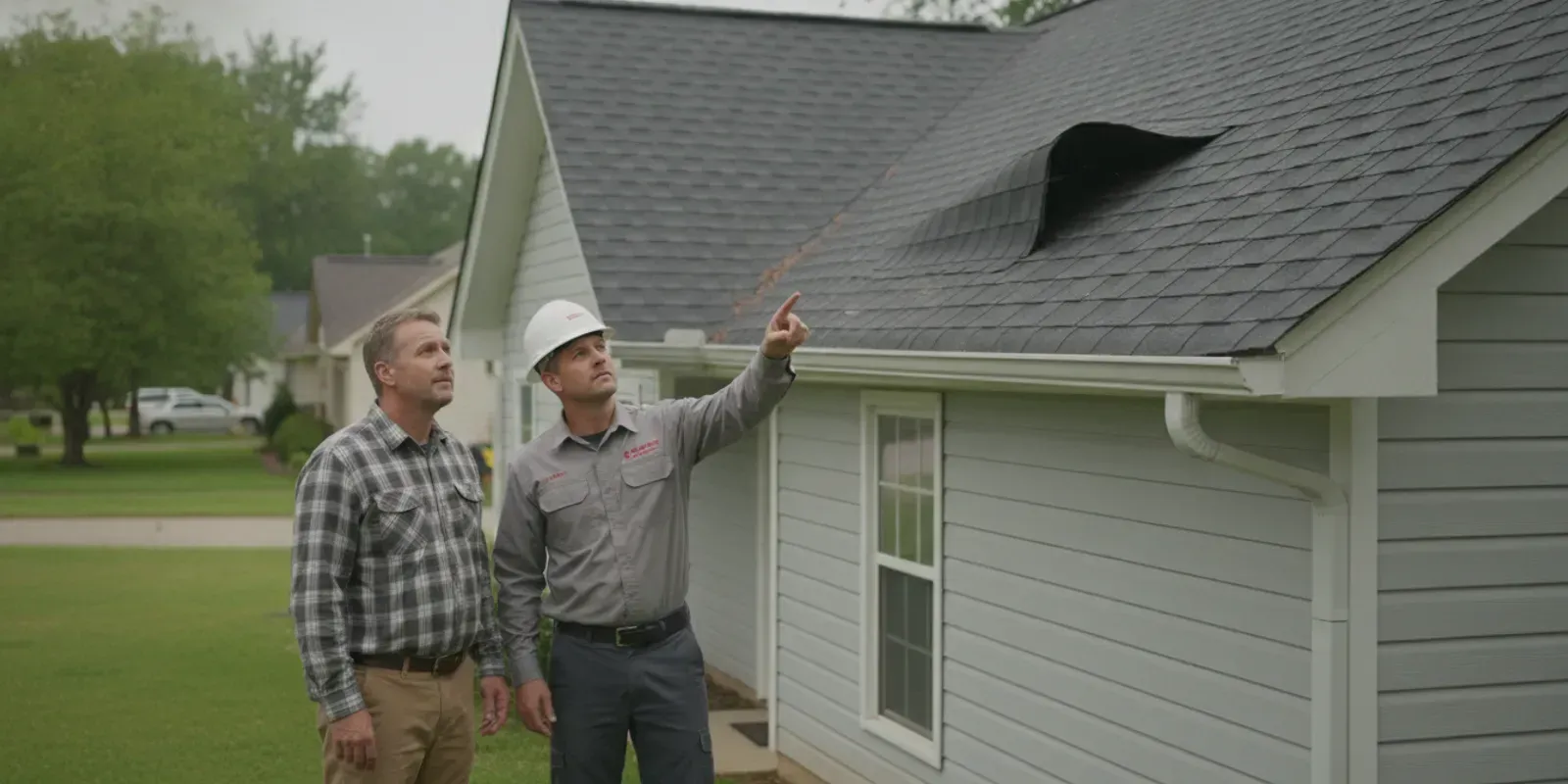
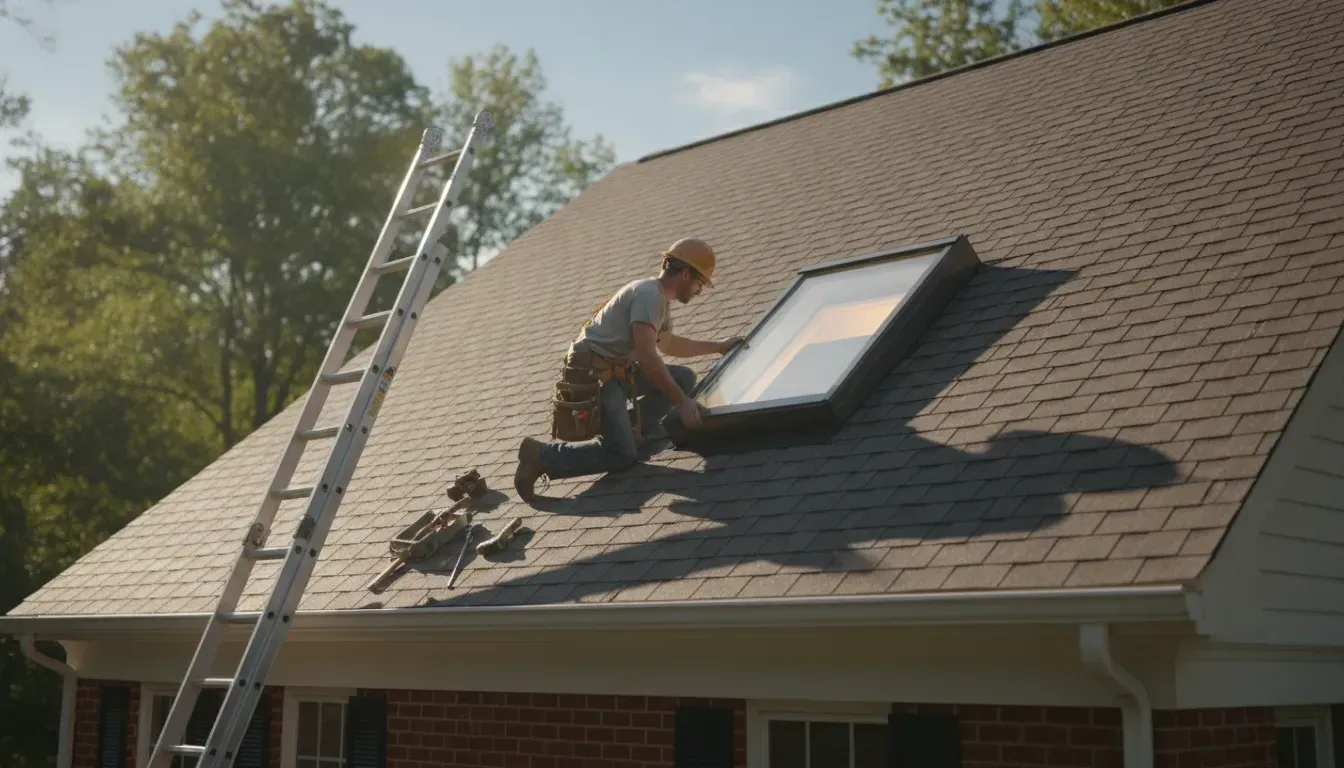
Use binoculars or a ground-level view to note what you see. Do not step onto a roof to test whether a shake is loose. Wood surfaces may be slippery, uneven, or fragile, and damage can be hidden beneath apparently sound material.
Distinguish a new symptom from long-standing weathering. Note changes in position, new gaps, debris after a storm, or moisture that appeared after rain, and mention nearby chimneys, walls, valleys, vents, or roof edges. These observations help focus a professional evaluation without trying to diagnose the cause yourself.
How can you tell whether the damage is isolated?
The key question is whether sound material surrounds the affected area and whether the roof beneath it remains dry and intact. A roofer needs to assess the visible defect alongside adjacent shakes, penetrations, edges, and any signs of water entry.
From the ground, record the roof slope or side of the house where you noticed the concern. Note whether the issue appeared after a particular storm, whether you see more than one damaged location, and whether a ceiling mark or attic moisture appeared around the same time. These details help focus the assessment.
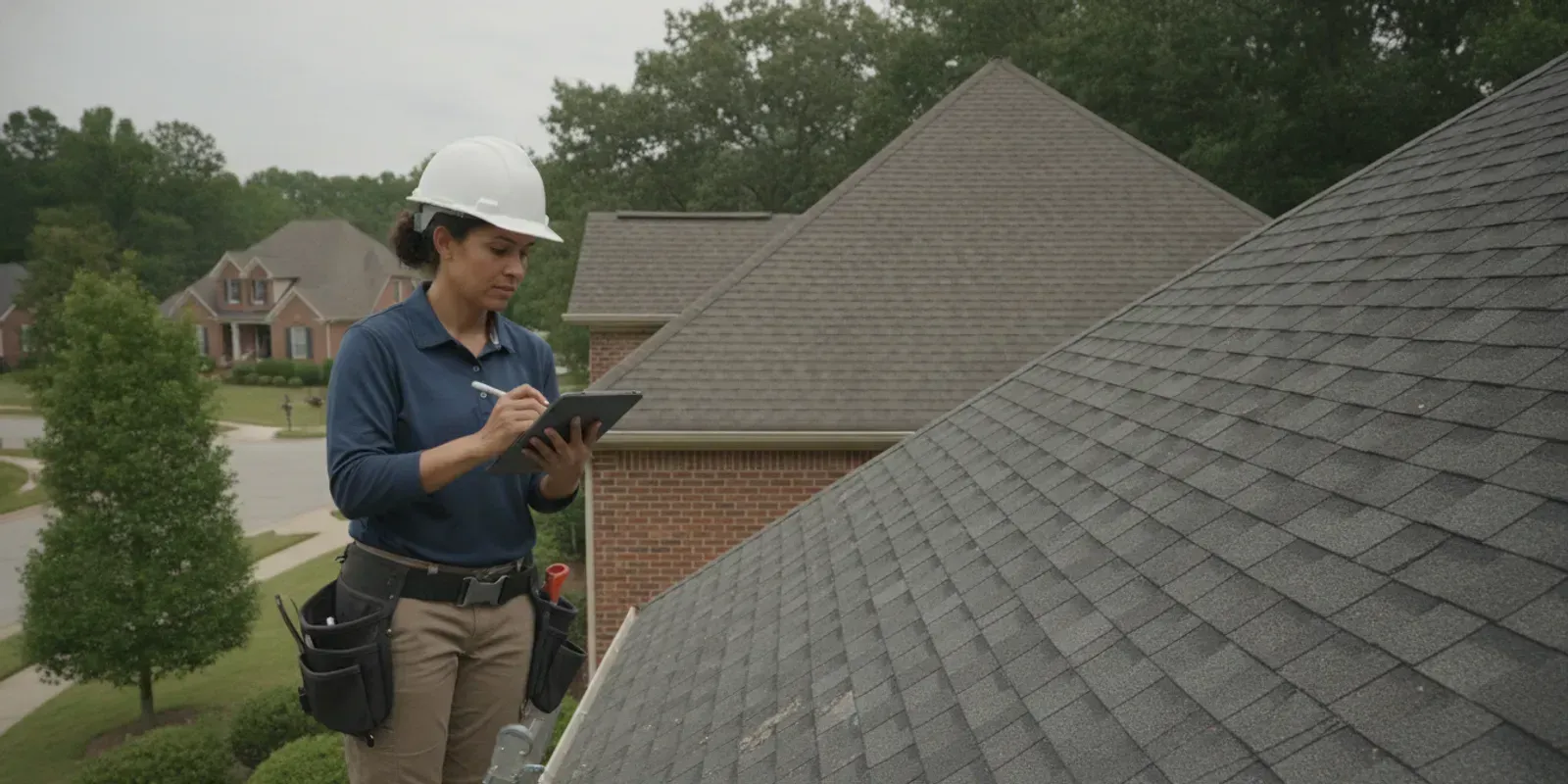
During an evaluation, a professional may look for:
- How many pieces are split, missing, curled, loose, or visibly deteriorated.
- Whether defects are concentrated in one small area or appear across several roof sections.
- How the roof meets walls, chimneys, vents, valleys, and other transitions where water paths can be complicated.
- Whether there are signs of moisture beneath the roof covering or inside the attic and ceiling.
- Whether adjoining materials are sound enough to support a durable repair.
Ask what could and could not be inspected safely, and request a clear explanation of the findings. Photos can help you understand the affected area, but the important point is the diagnosis: what failed, what else may be affected, and what work is proposed. For a general overview of professional evaluation, see our guide to why a roof inspection can help homeowners understand roof conditions.
Before the visit, note when the damage appeared, recent weather, any rooms with leaks, and whether the issue has happened before. Share safe ground-level photos and ask what was inspected, what supports the conclusion, and what remains uncertain.
What does an isolated shake repair involve?
When a defect is limited and the surrounding roof is suitable, a roofer may be able to replace or secure a small number of pieces. The exact method depends on the shake type, its condition, the roof assembly, and local requirements.
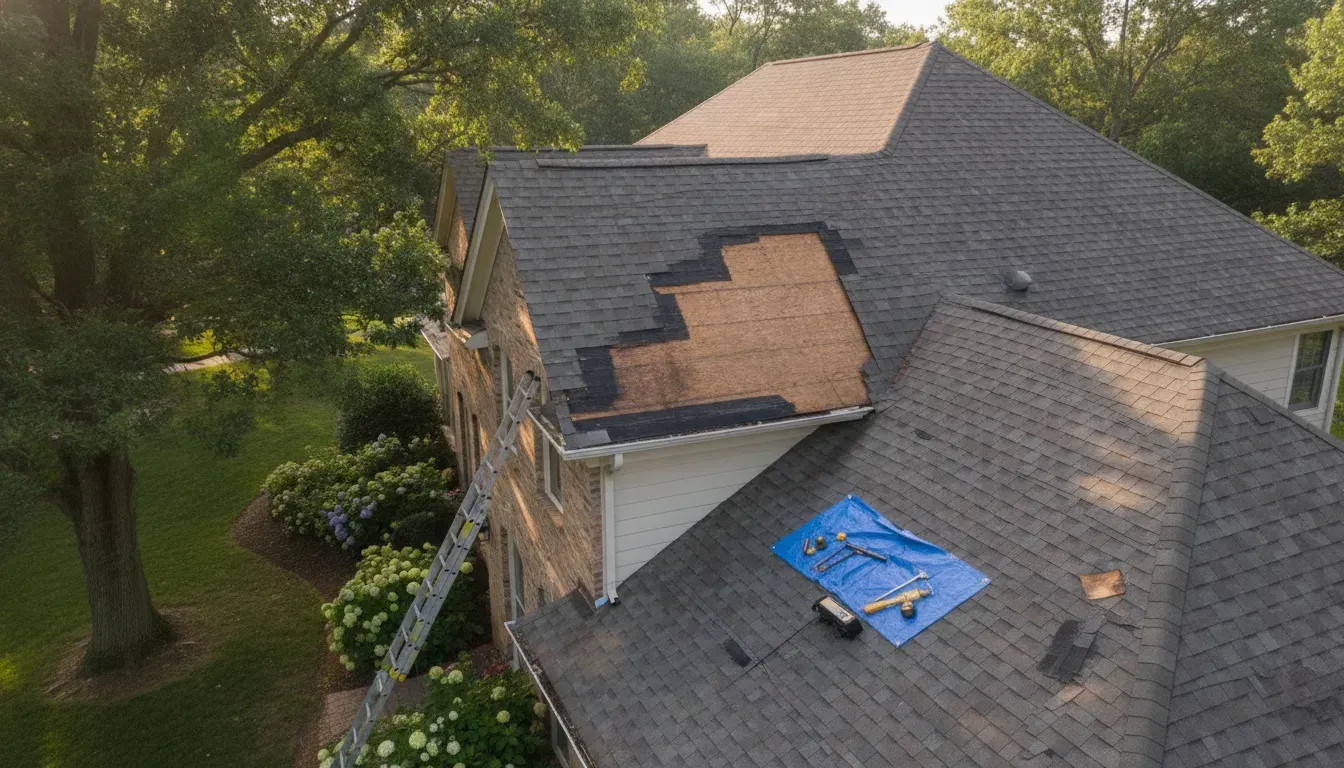
A careful repair is more than covering a crack. The roofer first identifies the affected piece and checks whether moisture or damage extends underneath it. Then the damaged material can be addressed without unnecessarily disturbing sound sections. The repair should leave the roof shedding water as intended and should not create a new weak point around neighboring shakes.
Wood can weather and change appearance, so a replacement piece may not match the surrounding roof exactly at first. Ask whether the proposed material is compatible with the existing roof and what appearance difference to expect. Do not assume that a patch will blend in or that a repair is appropriate simply because only one damaged shake is obvious from the ground.
Oregon State University's Extension publication explains that preservative performance depends on roof condition, with better performance on recently installed roofs than on roofs with existing decay and heavy deterioration. That distinction is one reason to identify the roof's current condition before considering any treatment. See The Care and Maintenance of Wood Shingle and Shake Roofs.
Ask the roofer to explain how the damaged area will be accessed, how surrounding material will be checked, and how the repair will connect with adjacent rows. Clarify how hidden conditions or scope changes would be communicated and approved. Before work begins, ask what signs to watch for afterward and whom to contact if the problem returns.
What signs inside the house are worth recording?
Interior clues can help pinpoint when and where water may be entering, but they do not identify the roof defect by themselves. Record changes and share them with the roofer so the exterior assessment can be focused.
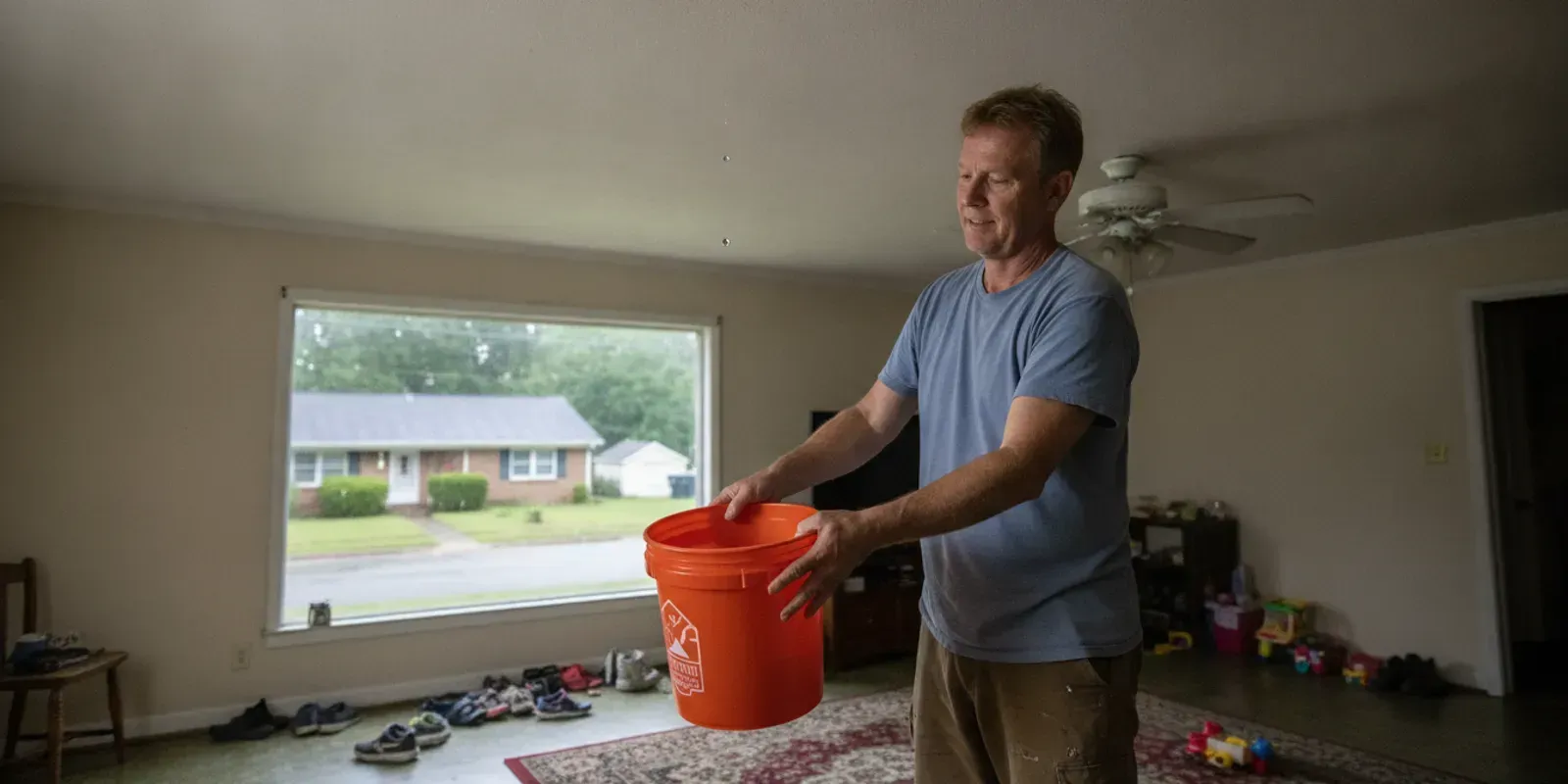
Look for a new ceiling stain, bubbling paint, damp insulation, a musty odor, or water appearing near an exterior wall after rain. Note the room, the approximate location, when you first noticed it, and whether it changes during or after rainfall. If a stain grows or returns, take dated photos from the same position. Do not disturb a wet ceiling or insulation if it appears unstable, and keep away from wet electrical fixtures.
Water can travel along roof framing or other building components before becoming visible indoors. A stain directly below one roof section does not prove that the entry point is directly above it. The roof assessment should consider the roof slope, flashing and transitions, attic conditions where safely accessible, and the route water may take. If there is active water entry, explain that when you contact a roofer so they can discuss appropriate immediate steps.
Photograph the room and the stain, note the date and recent weather, and repeat the photo if it changes. Do not open a ceiling or stand under a sagging area. When contacting a roofer, describe what you observed and when, without assuming the entry point is directly above the stain.
When might a repair not be enough?
Repeated defects, widespread deterioration, or moisture affecting several areas can make a series of small repairs a poor long-term fit. A roofer should explain whether the roof has localized damage or a condition affecting larger sections.
Consider a broader repair or replacement discussion if you are seeing several of these signs together:
- Many shakes are split, curled, missing, or appear worn across different slopes.
- Repairs have been needed repeatedly, or problems return near previously repaired areas.
- Water has reached multiple interior locations or moisture signs are present in more than one part of the attic.
- The material around the visible defect is too deteriorated to hold a sound repair.
- Storm damage appears over a broad area rather than at one isolated point.
These signs do not automatically mean the roof must be replaced. They indicate that the decision should account for the roof's overall condition, the extent of water-related damage, and whether a durable localized repair is feasible. Ask the roofer to distinguish urgent water-entry concerns from longer-term maintenance and to explain the consequences of each option.
A repair-versus-replacement framework can help you compare the decision without assuming one answer fits every home. Our guide to balancing roof repair and replacement covers broader factors. For context on asphalt shingles specifically, our asphalt shingle lifespan guide discusses a different roofing material; its timelines should not be applied to a shake roof.
Ask what each option is meant to solve. A localized repair addresses a defined defect; broader work may cover several damaged sections, while replacement may be considered when overall condition makes piecemeal repairs unsuitable. These are general distinctions, not automatic recommendations.
Ask which roof areas support a broader recommendation and whether it is based on current damage, repeated repairs, or surrounding material. If water is actively entering, discuss safe immediate protection first; otherwise, take time to compare scopes and ask follow-up questions.
How do repair and replacement compare?
Compare the extent of damage, the condition of nearby material, and the likely scope of work—not just the size of the visible defect. The table below is a discussion guide, not a diagnosis or a promise that a particular option is available for every roof.
Consideration. Isolated repair may fit when… Broader repair or replacement discussion may fit when…
Damage pattern. Damage appears limited to a small, identifiable area. Defects appear across multiple slopes or keep recurring.
Surrounding material. Nearby shakes and supporting roof components appear suitable for repair. Adjacent material is broadly worn, deteriorated, or unable to support a reliable patch.
Moisture evidence. The roofer finds no wider signs of water intrusion. Moisture is present beneath several areas or at multiple interior locations.
Storm effects. Damage is limited and can be clearly defined. Wind or impact appears to have affected a large or uncertain area.
Next step. Ask for the repair scope, materials, and follow-up guidance in writing. Ask for a clear explanation of the options, scope, and what happens if work is delayed.
There is no universal number of damaged shakes that decides the issue. The type and condition of the roof, how water moves across it, and the extent of hidden damage can all change the recommendation. If one proposal recommends a patch and another recommends a larger project, ask each roofer to show the area involved and explain the reasoning in plain language.
Compare proposals using the same questions: What areas and materials are included? What is excluded? What could change the scope? How will cleanup and property protection be handled? Also ask about expected timing and any preparation or access needs.
Compare prices only after clarifying the work covered. One proposal may address fewer areas than another, so ask contractors to explain differences and remaining risks. The aim is to understand what each option addresses, not to choose the largest or smallest project by default.
What should Georgia homeowners do after storm damage?
After a storm, prioritize personal safety, document what is visible from the ground, and arrange an assessment if you suspect roof damage. Do not climb onto the roof or attempt a repair in wet, windy, or otherwise unsafe conditions.
- Check from a safe location. Look for missing material, fallen branches, or debris without entering a damaged area or approaching downed power lines.
- Protect belongings indoors. If water is entering, move items away from the leak and use a container to catch drips when safe. Do not touch wet electrical fixtures.
- Record observations. Take ground-level photos and note when the storm occurred, where you see damage, and any interior water marks.
- Contact a qualified roofer. Explain what you observed and ask what assessment or temporary protection is appropriate. Avoid making permanent repairs before the damage is understood.
- Review insurance steps separately. If you may file a claim, document damage and contact your insurer for its process. A contractor's assessment is not a guarantee of insurance coverage or claim approval.
If you need help understanding roof damage after hail, our guide to hail damage and an insurance claim explains practical questions to consider.
Keep unedited photos, note the roof area shown, and save receipts or contact details as your insurer directs. Temporary protection is not a permanent repair; ask a professional what is safe, and do not install a tarp yourself or approach loose debris.
How can you compare roof assessments?
A useful assessment connects the visible symptoms to a specific diagnosis and a practical scope of work. If you receive more than one recommendation, compare what each roofer inspected and included, rather than comparing only the final labels of repair or replacement.
Check whether the proposals describe the same roof areas, identify the material and damage being addressed, and explain any limits to the inspection. Ask whether related flashing, valleys, or other roof transitions were considered when they are near the reported leak. A proposal that describes only the visible shake may not answer whether moisture has affected the layers below.
Ask for the work sequence, materials, cleanup expectations, and how unexpected conditions will be handled. If one roofer recommends a temporary measure and another recommends a permanent repair, ask what each option is meant to accomplish and what follow-up may be needed. Keep photos, written findings, and communications together, especially if you are coordinating with an insurer. Written detail helps you understand what you are agreeing to; it does not guarantee that hidden conditions will not be discovered once work begins.
Check whether each assessment addresses your concern. For a leak, does it identify a likely water path or explain what needs further investigation? For storm impact, does it distinguish observed damage from areas that could not be accessed? Ask how any assumptions or scope changes will be communicated and approved.
You should be able to explain what is damaged, what work is proposed, and what it will not address. If not, ask for a simpler explanation or annotated photo. Clear written details help you compare recommendations and understand what you are approving.
How should you maintain a shake roof?
Maintenance means noticing changes early and keeping water-moving components in good condition, not applying a treatment without first checking the roof. A professional can recommend an appropriate plan based on the actual material and roof condition.
From the ground, watch for changes such as newly missing pieces, lifted edges, debris collecting in valleys, or staining indoors. Keep gutters and drainage paths clear where it is safe to do so, and avoid letting branches rub against the roof. Do not use a pressure washer, walk on the shakes, or apply a coating or preservative based only on a general recommendation online.
Ask a roofer whether the roof needs cleaning, repair, or simply periodic observation. The answer can depend on the product, age, past maintenance, exposure, and visible signs of decay. Treatments are not a cure for material that is already badly deteriorated, and an unsuitable product may not address the source of a leak. The Oregon State Extension publication cited above provides background on how treatment effectiveness relates to existing roof condition.
After severe weather, check from safe ground-level positions for branches touching the roof, debris in visible drainage areas, or new interior stains. Keep notes on repairs, including the date, area, and work completed. Avoid applying chemicals or sealants unless a professional confirms they suit the roof's material and condition.
Ask what changes should prompt a call, which areas merit closer observation, and what routine tasks are safe to do from the ground. Maintenance should reflect the actual roof rather than a generic calendar.
What should you ask before hiring a roofer?
Ask for a diagnosis, a defined scope, and an explanation of alternatives before deciding on work. A trustworthy discussion should help you understand both the immediate issue and the condition of the surrounding roof.
- What specific damage did you find, and where is it located?
- Did you see any signs that water has reached the roof layers, attic, or interior?
- Is the proposed work a localized repair, a larger repair, or replacement? Why?
- What materials will be used, and are they compatible with the existing roof?
- What areas will the work include, and what is explicitly outside the scope?
- What appearance differences or limitations should I expect after a repair?
- What should I do if I see another leak or damaged shake after the work?
- Can you provide the findings and proposed scope in writing?
If you are also comparing contractors, use our guide on how to find a roof repair service you trust for additional questions. Homeowners in the region can also learn about our roofing services in Georgia and contact the team to ask whether their particular material and project are within scope. Material-specific capability should be confirmed before scheduling work.
Ask how the contractor will communicate if access changes or hidden conditions are found, how extra work is approved, and what cleanup is included. Review the written proposal for roof areas, materials, exclusions, payment terms, and any applicable written warranty information.
Confirm that the contractor can evaluate a wood shake roof and handle the requested work before scheduling. Explain what material you have, where you noticed a problem, and what outcome you need; ask that agreed details appear in the written scope.
Contact us to discuss your roof's condition
Frequently asked questions about shake roof repair
Start with a safe visual check and professional evaluation; the right repair depends on the roof's material and condition. These answers address common questions, but they cannot replace an assessment of an individual roof.
Can I replace one damaged shake myself?
Roof work can involve falls, fragile materials, and hidden water damage. Avoid walking on the roof or attempting an elevated repair. A qualified roofer can determine whether one piece can be replaced safely and whether nearby material also needs attention.
Does a small ceiling stain mean the roof needs replacement?
No. A ceiling stain can result from a localized leak, a more extensive roof problem, or another source of moisture. The source and extent need to be identified before choosing a repair or replacement plan.
Can wood shakes be treated to stop deterioration?
Some treatments may be intended for particular roof conditions, but they are not a substitute for replacing damaged material or correcting water entry. Treatment performance can depend on the roof's condition. Ask a professional to assess the material before applying anything.
Will a new shake match the old roof?
Not necessarily. Existing wood can weather and change color, so a new piece may look different. Ask the roofer what material is proposed and what appearance variation to expect before approving the work.
Does storm damage guarantee insurance coverage?
No. Coverage depends on your policy, the facts of the loss, and the insurer's review. Keep your own records, follow your insurer's instructions, and do not treat a contractor's assessment as a guarantee that a claim will be approved.
How can you choose a practical next step?
Document the visible problem, avoid unsafe roof access, and ask for an assessment that explains the damage and the options. A limited defect may be repairable, while widespread deterioration or recurring moisture can call for a broader conversation.
For homeowners in McDonough and surrounding Georgia communities, Total Roof Solutions offers roofing services including roof repair, storm damage repair, and roof inspections. Contact us to ask whether your shake roof can be assessed and what next steps may be appropriate; confirm material-specific service availability before making plans.