What Affects the Cost to Replace a Roof in Georgia?
MEGA MEGA • October 16, 2026
Learn what affects the cost to replace a roof in Georgia, from size and materials to decking and ventilation. Request a clear, tailored estimate.

The cost to replace a roof in Georgia depends on more than the roof's square footage. Roof shape, shingle choice, the condition of the underlying deck, ventilation, removal needs, and job access can all change the work involved. The best estimate is based on your actual roof and spells out what is included, so you can compare proposals on the same basis.
Request a roof replacement estimate
Why Can Roof Replacement Estimates Differ So Much?
In brief: Estimates can differ because two homes with similar floor areas may have very different roofs, existing conditions, material selections, and project requirements. A useful comparison starts with the written scope, not just the total.
A roof is a system of connected parts. The visible shingles are only one layer. Under them are components such as the roof deck, underlayment, flashing, ventilation, and edges. A proposal may include different materials or different amounts of work on those components than another proposal does.
Even the same house can require a different approach after a close evaluation. A roof with a simple shape and sound decking is not the same job as one with several valleys, a steep pitch, difficult access, or areas of hidden deterioration. These details affect labor, material quantities, safety measures, and the time needed to complete the project.
That is why online averages are only broad context. They cannot account for your roof's actual dimensions, layers, condition, or selected materials. For a general overview of planning, see our guide to how much it can cost to replace a roof, then use a property-specific estimate to understand your own project.
How Do Roof Size and Shape Affect the Cost?
In brief: Larger roof areas usually require more materials and labor, while complex shapes can add measuring, cutting, flashing, and installation work. The roof's surface area and layout matter more than the home's interior square footage alone.
Roofers estimate a roof using its sloped surfaces rather than simply the home's floor plan. A one-story house with a broad footprint may have a different roof area than a two-story house with the same interior area. Overhangs, additions, porches, and attached garages can also contribute to the total.
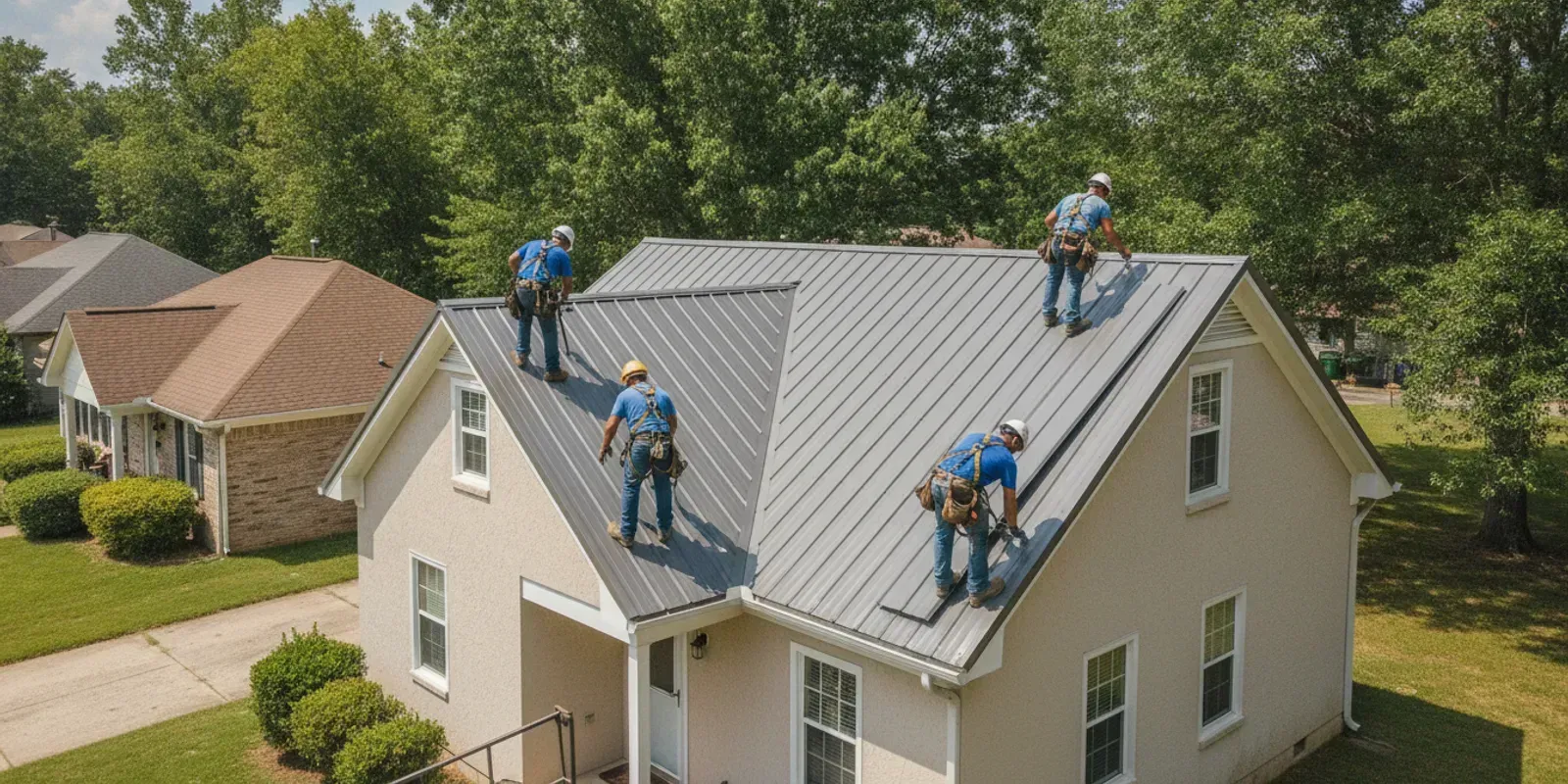
Shape affects the amount of detail work. A straightforward gable roof has fewer transitions than a roof with multiple hips, valleys, dormers, or intersecting sections. Each change in plane needs careful layout and installation. Valleys and roof-to-wall transitions also call for appropriate flashing and shingle details to help manage water.
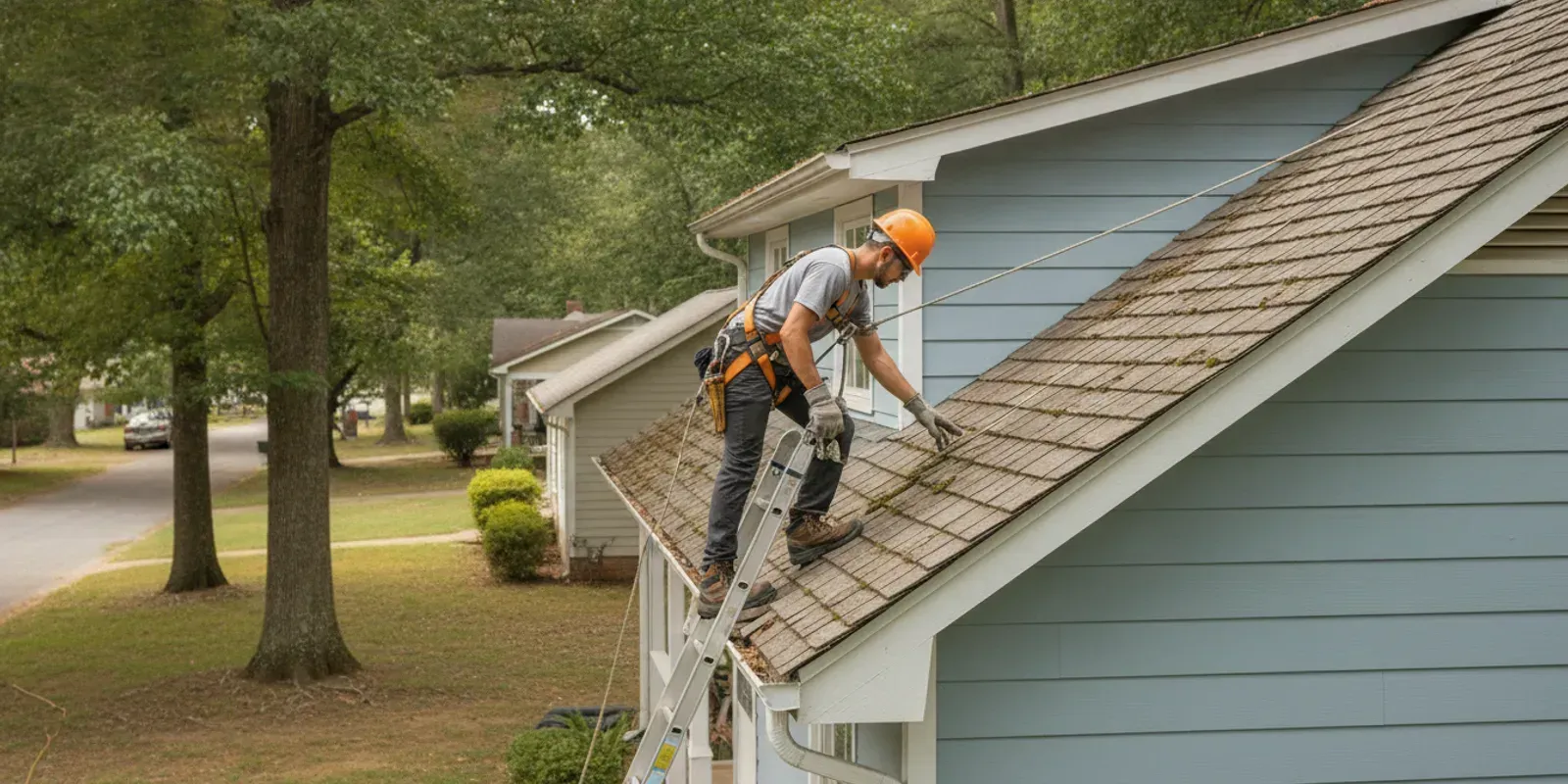
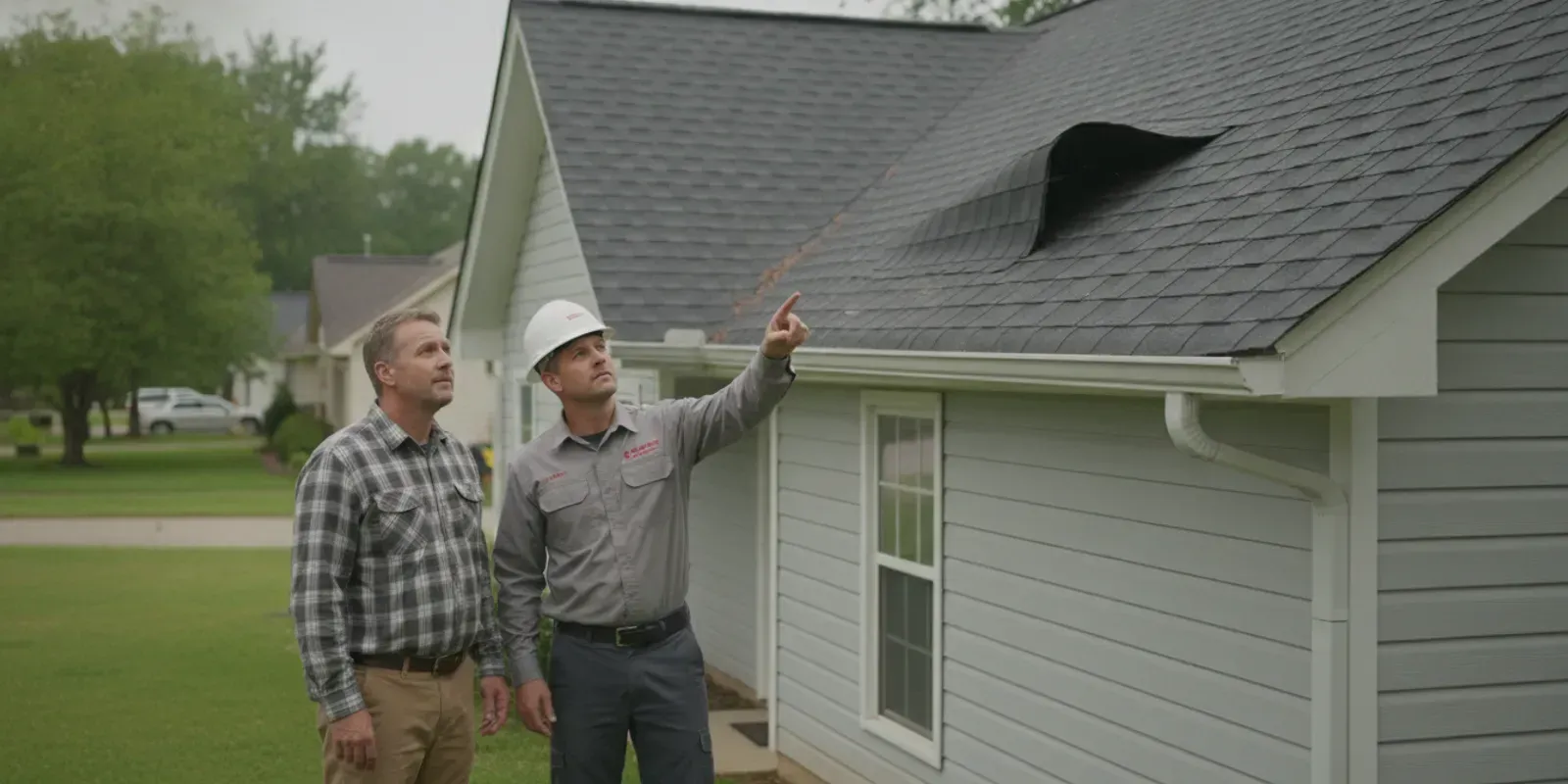
Pitch—the steepness of the roof—can affect how a crew moves and works. Steeper areas may call for additional fall-protection measures and slower installation. A roof with limited access may also require more planning to move materials safely to the work area. These are reasons a quote should be based on the site rather than a rough estimate from a street view or property listing.
If you are comparing proposals, check that they describe the same roof areas. Ask whether attached structures, porch roofs, or sections over additions are included. A lower proposal may appear less expensive simply because some surfaces or details are omitted.
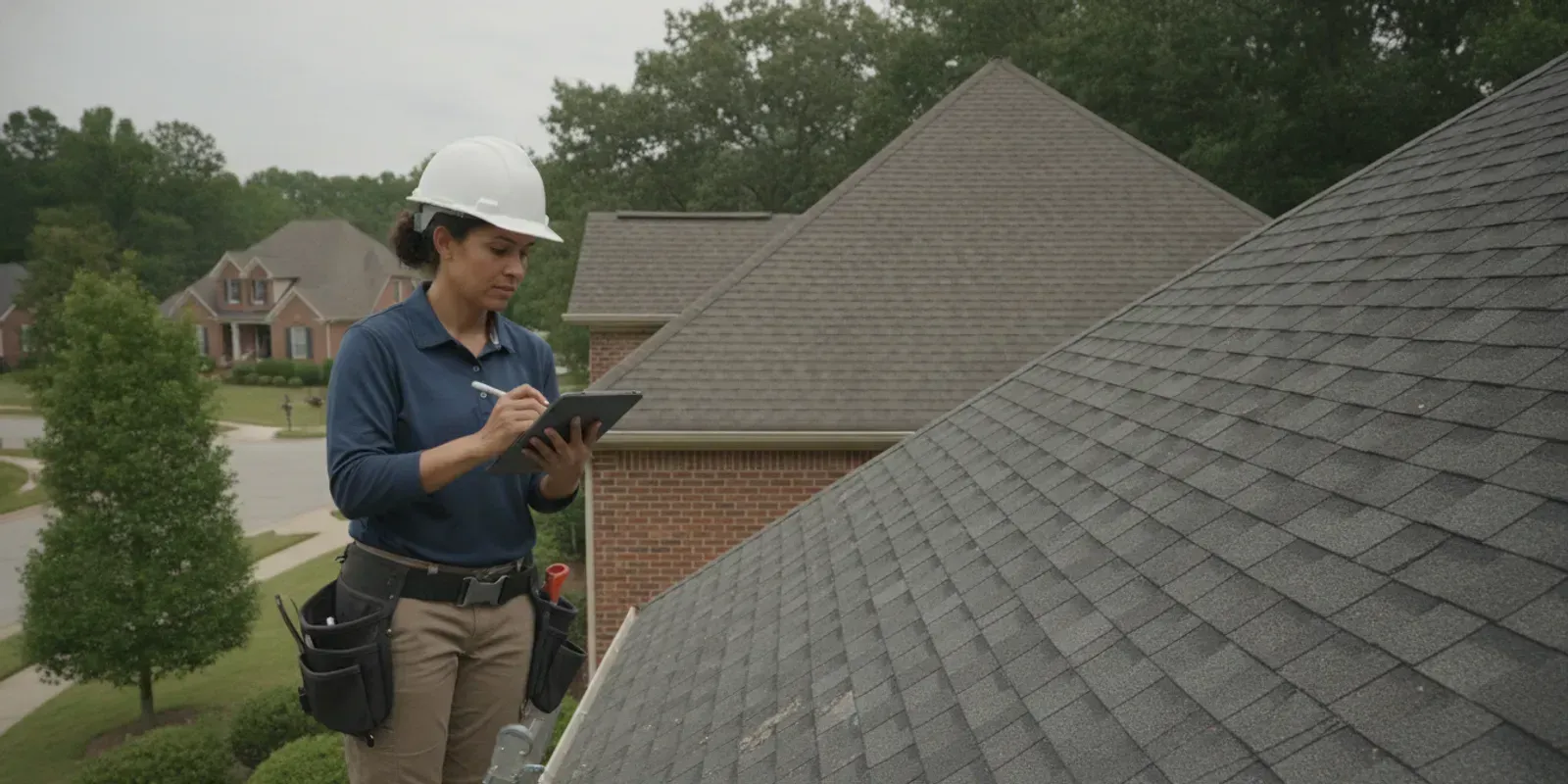
Ask how the roof was measured. A contractor may use measurements and observations from an on-site visit to calculate the roof area, identify its slope and transitions, and note features that affect installation. If you have an addition or detached structure that you also want included, point it out before the estimate is prepared. Confirm whether the estimate covers it or treats it as a separate project.
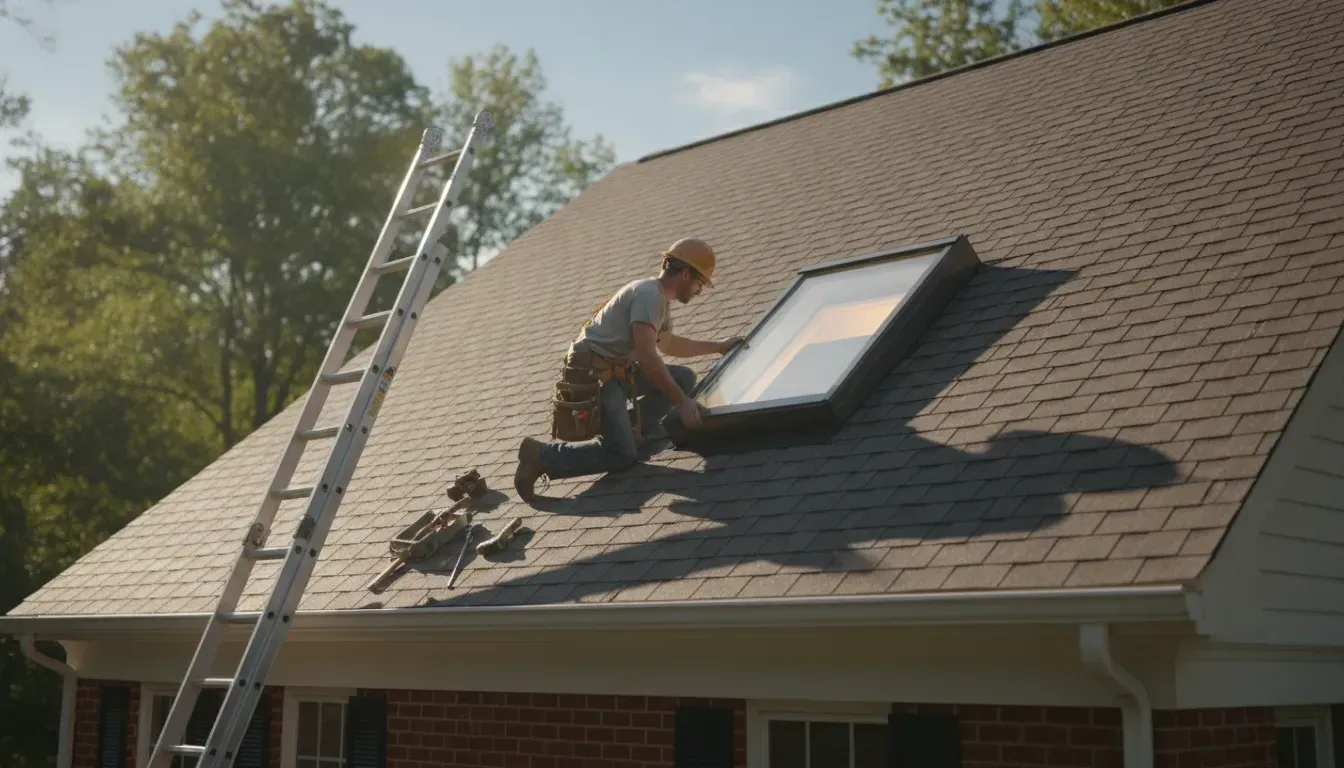
Roof features also influence how much cutting and finishing is needed. Skylights, chimneys, plumbing vents, dormers, and roof-to-wall transitions all create places where roofing materials must be fitted carefully. A roof with more of these details may require additional installation time, even when its overall surface area seems modest. Ask whether the proposal lists work around these features explicitly.
Which Roofing Materials and Components Change the Project Scope?
In brief: The chosen shingle and the supporting components included in the installation both influence the scope. Compare complete systems and stated specifications, not a material name by itself.
Many Georgia homes use asphalt shingles. Within that category, products can differ in appearance, design, and manufacturer requirements. Color and style choices may also affect what is available for the project. Your roofer can explain the options that suit the home and identify the specific product named in the proposal.
Ask whether the estimate identifies the shingles and other key materials by type or product line. It should also explain the underlayment, flashing work, ridge components, and other items included. This makes it easier to check whether two bids are actually proposing comparable work.
Color and appearance are only part of the selection. Confirm that the product specified is the one you are considering and ask whether the proposal includes the related components recommended for that system. If you have a particular look in mind, discuss samples and availability before approving the scope, since the estimate should reflect the chosen product rather than a generic allowance.
It can also help to ask about care and paperwork after installation. Find out what product information, warranty documentation, and completion records the contractor expects to provide. Review any limitations and responsibilities in the written terms; do not assume all warranties cover the same things or that a warranty eliminates the need for proper installation and maintenance.
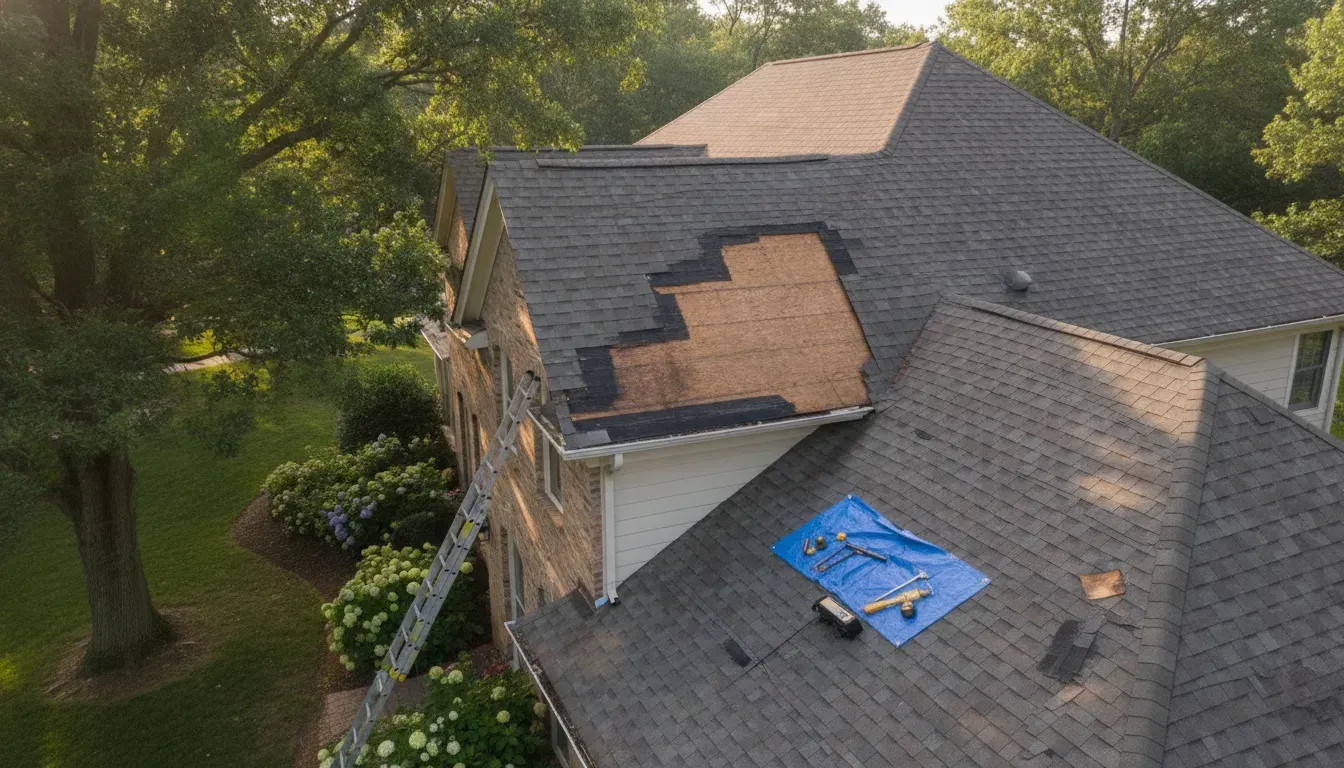
Existing roof layers matter, too. The contractor should explain whether the existing covering is to be removed and what the plan is if removal reveals damaged decking. If the proposal allows for extra work only after approval, ask how that condition will be documented and priced before repairs proceed. A clear process avoids surprises and gives you a chance to understand the reason for any change.
For help understanding common asphalt products, read our overview of asphalt versus architectural shingles. If you are considering a different material, make sure the comparison accounts for the home's structure, installation details, and the contractor's written scope—not just the visible surface.
How Do Decking, Flashing, and Ventilation Affect Replacement Work?
In brief: The condition of the roof deck and the details around edges, walls, chimneys, and vents can add necessary work. Ventilation should also be considered as part of the roof system, rather than treated as a cosmetic extra.
Roof decking provides the surface to which roofing materials are attached. If sections are damaged or unsuitable, they may need attention before new shingles can be installed correctly. Since some conditions are only visible after the old roof is removed, ask how the estimate handles unexpected deck repairs. Find out what evidence the roofer will provide, how you will approve added work, and how the amount will be calculated.
Flashing directs water around roof intersections and openings. The scope should clarify what flashing is being replaced, repaired, or retained. Common areas to discuss include chimneys, plumbing vents, skylights, walls that meet the roof, and valleys. The right work depends on the condition and configuration of those details.
Ventilation is another part of a roof's performance. A roofer can assess the existing setup and explain whether the project includes changes to intake or exhaust ventilation. Do not assume that ventilation work is included just because new shingles are being installed. Ask for the recommendation and its purpose to be described in writing.
Our guide to the characteristics of good roofing gives homeowners a broader checklist of system details to consider. For an individual home, a qualified contractor should connect any proposed changes to what they find on that roof.
What Project Conditions Can Add Labor or Preparation?
In brief: Tear-off, disposal, access, property protection, and the roof's condition affect how a replacement is planned. Ask each contractor to state what preparation and cleanup their price includes.
Removing existing roofing can involve more work than installing new material over a clean surface. The number and type of existing layers, along with disposal arrangements, can affect the labor and handling required. Ask whether removal and disposal are included, and whether the proposal describes how the property will be protected during the work.
Access can also shape the job. Trees, landscaping, nearby structures, driveways, or limited space for deliveries may affect where materials and equipment can go. A contractor should consider how to protect areas around the home and collect debris. Ask what cleanup is included and how the crew will handle nails and leftover material.
Weather and scheduling can influence when work can safely proceed. A proposal should explain the expected sequence and what happens if conditions require a delay. It is reasonable to ask how the roof will be protected if the work cannot be completed in one uninterrupted stretch.
Think through how the project will affect the household while the crew is working. Ask when deliveries are expected, where vehicles should be parked, whether outdoor items need to be moved, and how the contractor will communicate daily progress. If children, pets, or home-based work affect access, mention that during planning. Agreeing on practical arrangements in advance can make the work period easier to manage.
Not every estimate will use the same level of detail, but the project plan should leave you knowing what happens before installation, during removal, and at cleanup. If a condition such as limited driveway space or delicate landscaping could affect access, raise it early so the contractor can account for the property when planning labor and protection.
For a sense of how project sequence and duration may vary, see how long roof replacement can take. Timing information should still be tailored to the size, complexity, and conditions of your specific project.
What Should a Roof Replacement Estimate Include?
In brief: A useful estimate identifies the work, materials, removal and disposal, treatment of hidden conditions, cleanup, and terms. When a detail is unclear, ask for it to be written down before you choose a contractor.
Use this checklist when reviewing a roof replacement proposal. The goal is not to demand identical wording, but to understand what each contractor is offering.
Estimate item — What to compare — Question to ask
Roof areas and measurements. Which roof sections and attached structures are included? Does the scope cover every area I expect to be replaced?
Shingles and components. Product identification and supporting materials listed Which shingle and other system components are specified?
Removal and disposal. Existing material removal and debris handling Are tear-off, disposal, and cleanup included?
Decking and hidden conditions. How unanticipated damage is documented and approved What happens if damaged decking is found?
Flashing and ventilation. Work at transitions, openings, and ventilation components What is being replaced, repaired, or left in place?
Property protection. Plans for landscaping, access, and debris control How will the crew protect and clean the area?
Schedule and terms. Project sequence, payment terms, and written change process How will changes or weather delays be communicated?
Then compare the proposals side by side. If one leaves a line item vague, ask the contractor to clarify it rather than assuming it is included. The Federal Trade Commission's consumer guidance is a useful starting point for taking a careful, informed approach when evaluating home-service providers and project agreements.
Look at the terms as well as the scope. Make sure you understand when payment is due, what would count as a change to the original work, and how you will receive approval documentation. Keep a copy of the estimate and any later revisions.
How Can Georgia Homeowners Prepare for a More Accurate Estimate?
In brief: Share what you know about the roof, describe your concerns, and make sure the contractor can evaluate all relevant areas. A clear conversation helps the roofer prepare a scope that reflects the property instead of assumptions.
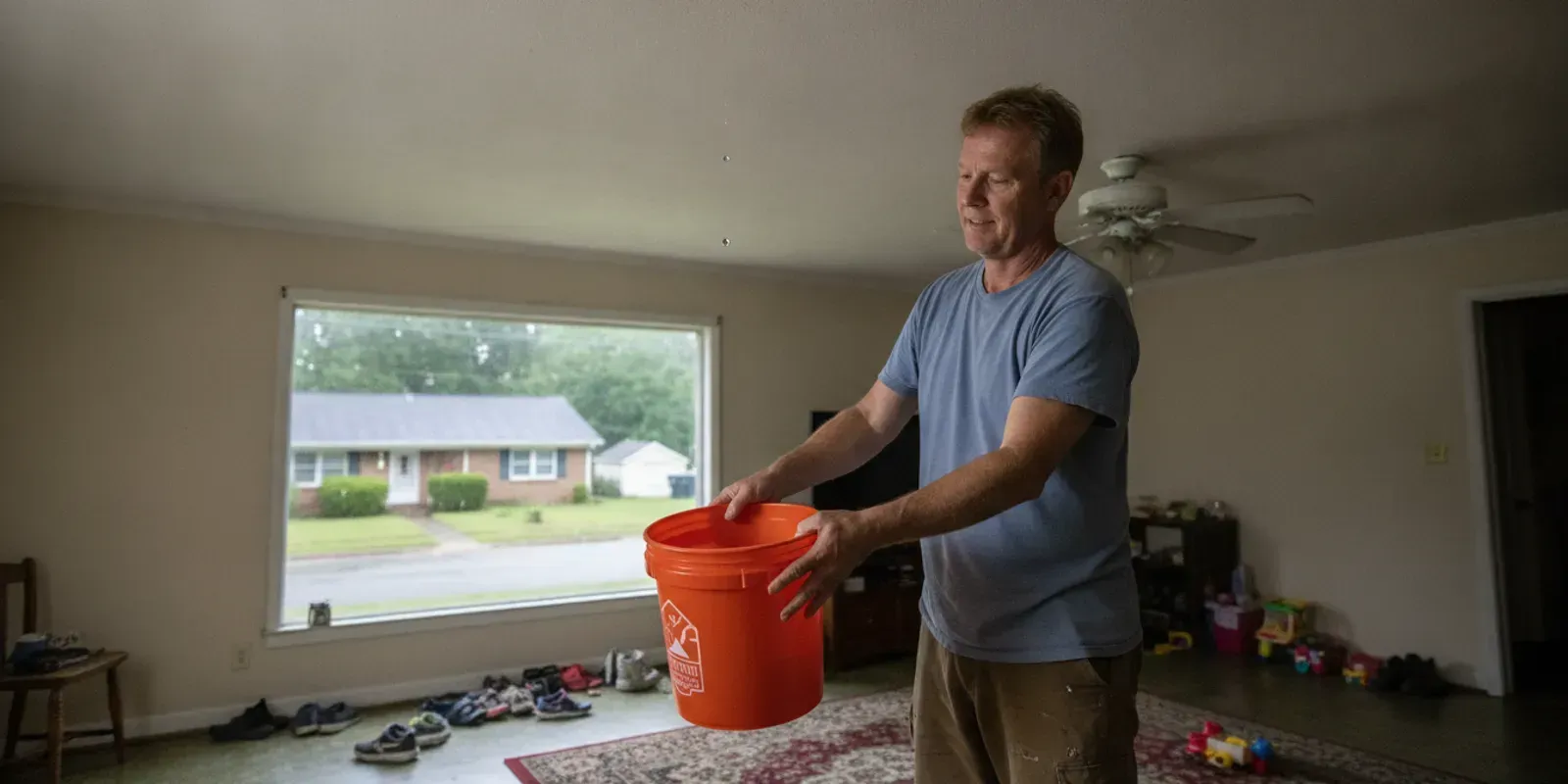
Before requesting an estimate, note the roof areas you believe need replacement and any concerns you have noticed from the ground, such as a leak, missing shingles, or water marks indoors. Do not climb onto the roof to gather information. Photos taken safely from the ground can help explain where you noticed an issue, but they do not replace an on-site assessment.
Tell the roofer about additions, past repairs, or known leaks. If a storm prompted your request, share when it happened and what you observed. The contractor can then evaluate the relevant areas and explain whether the scope is limited to replacement or includes repairs to related components.
Ask what the estimate covers, what could change after removal, and how you will review any additional work. If you want to compare more than one estimate, give each contractor the same basic information and use the checklist above. That helps make differences in scope easier to spot.
Homeowners in McDonough and nearby areas can also explore our residential roofing services and the local roofing information for Henry County. For other parts of Georgia, see our Georgia roofing service area or the page for Bibb County roof repair and replacement.
How Should You Compare Proposals Without Focusing Only on the Total?
In brief: Compare each proposal's completeness, specified materials, treatment of unknowns, and communication process. The lowest total may not represent the same amount of work as a more detailed proposal.
Start by matching the scope. Check that each estimate covers the same roof sections and addresses similar removal, flashing, ventilation, and cleanup work. If the scopes differ, ask for an explanation or a revised estimate so you can make a more meaningful comparison.
Next, review the unknowns. No one can confirm every hidden condition before existing materials are removed. What matters is whether the contractor explains the process for documenting a problem, explaining the recommended repair, and getting your approval before proceeding. A clear written method is more useful than a broad statement that additional costs may apply.
Finally, consider how questions are handled. You should be able to identify the point of contact, understand the schedule, and know what paperwork you will receive. Ask about any workmanship or manufacturer warranty terms that apply, and make sure the details are provided in writing. Do not rely on a verbal summary if a specific term affects your decision.
If storm damage or an insurance claim is part of the project, keep the roofing estimate separate from assumptions about what an insurer may cover. Ask the contractor to describe the observed roof work and provide the documents they can supply. Review coverage, deadlines, and claim decisions directly with your insurer; an estimate is not a promise of coverage or payment. Our hail damage and insurance claim guide discusses the roofing side of that process.
Also check that the contract and estimate match the conversation you had. Confirm the property address, project scope, selected materials, payment terms, and process for approving changes. If an estimate is revised, save the updated copy and make sure any removed or added work is clearly identified. That paperwork provides a shared reference if questions arise during the job.
A roof replacement is a substantial home project, so take time to understand the proposal. If something is unclear, ask before signing. A careful comparison can help you choose work that fits the home's needs and your priorities, not simply the quote with the shortest description.
Talk with our team about your roof
Frequently Asked Questions About the Cost to Replace a Roof
In brief: Roof-specific measurements and written scope determine a useful estimate. These answers cover common questions about planning and comparing replacement proposals.
Can I estimate replacement cost from my home's square footage?
Home square footage alone is not enough for a dependable roof estimate. Roof slope, overhangs, additions, shape, and the actual surface area all matter. An on-site evaluation is the better way to establish the work and materials required.
Can the final scope change after the old shingles are removed?
Yes. Some conditions, such as concealed deck damage, may only be visible after removal. Before work begins, ask the contractor to explain how any additional issue will be documented, presented to you, and approved before the work continues.
Should I compare estimates that list different materials?
First ask each contractor to identify the products and components included. If the materials differ, compare their specifications and the rest of the installation scope. A matching product name alone does not show that the full proposals cover the same work.
Does a roof replacement estimate include ventilation or flashing?
Not necessarily. Proposals can define these items differently, so check whether ventilation and flashing work are included and which areas are addressed. Ask the contractor to describe any recommendation and clarify what is being replaced, repaired, or retained.
What is the best way to get a roof-specific estimate?
Arrange an evaluation, describe any concerns you have observed, and ask for a written scope that identifies materials, removal, related components, cleanup, and how unexpected conditions will be handled. Total Roof Solutions offers free roof inspections, with no obligation to approve work. A clear estimate gives you a practical basis for deciding what to do next.
For a replacement in Georgia, focus on understanding the full scope and the condition of your own roof; that is the foundation of a useful cost comparison.