24 Hour Emergency Roof Repair: What to Do First
Stephen Griswell • March 6, 2026
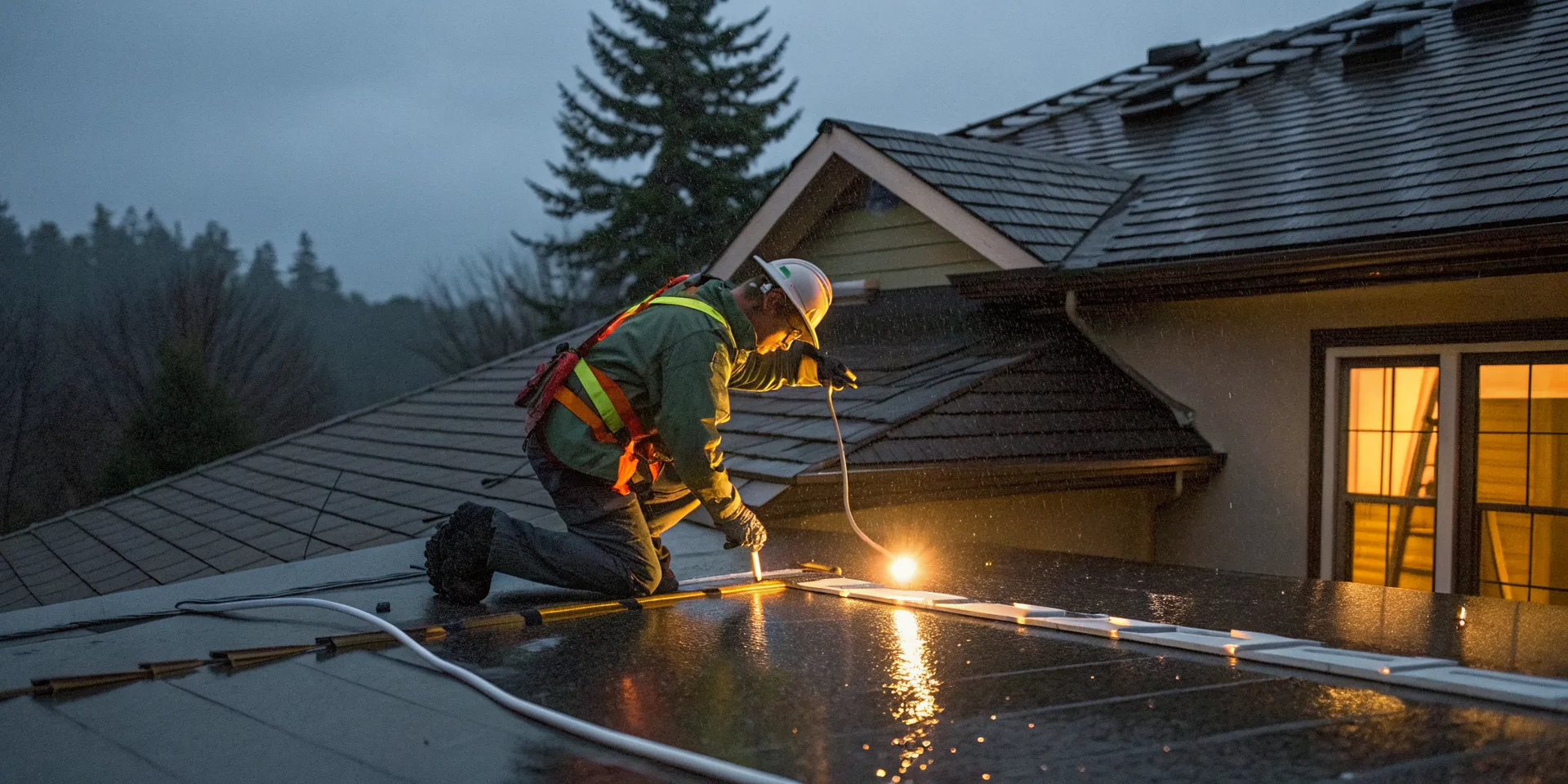
When a storm hits or a tree branch falls, you don’t have time to research roofing contractors. The decisions you make in the first hour can save you thousands of dollars in secondary damage to your home’s structure, insulation, and belongings. Being prepared is key. This guide is your emergency playbook, giving you the information you need before a crisis strikes. We’ll cover how to safely manage the situation while you wait for help, what to look for in a trustworthy contractor, and how the process works. Having a plan and knowing who to trust for 24 hour emergency roof repair turns panic into proactive, effective action.
Key Takeaways
- Act safely to minimize damage: When you spot a leak or structural issue, your first priority is safety. Stay off the roof, use buckets to catch water inside, and take clear photos of everything for your insurance claim.
- Vet your emergency roofer carefully: In a rush, it's still important to choose a qualified professional. Always confirm they are licensed and insured, ask about their immediate availability, and check recent reviews to ensure they have experience with urgent situations.
- Expect a two-part repair process: A professional response starts with a temporary fix, like tarping, to stop the immediate threat. This is followed by a thorough assessment and a scheduled permanent repair to fully restore your roof.
What Counts as a Roofing Emergency?
It can be tough to tell the difference between a roof issue that can wait and one that needs help right now. A few missing shingles might not seem like a big deal, but a sudden leak over your living room certainly is. So, what exactly makes a situation an emergency? A roofing emergency is any problem that immediately threatens the safety of your home's interior and its occupants. This could be damage from a severe storm, a fallen tree, or even a sudden structural failure that happens without warning. The key factor is active and uncontrolled damage. If water is actively pouring into your home or a part of your roof is structurally compromised, you can’t afford to wait. These problems don't just lead to cosmetic issues like water stains. They can quickly cause serious structural damage to your home's frame, ruin insulation, create electrical hazards, and lead to widespread mold growth. Understanding what qualifies as an emergency helps you act fast to protect your property and prevent a small problem from turning into a complete catastrophe that costs much more to fix down the line. It’s about stopping the damage in its tracks before it gets worse.
Warning Signs You Can't Ignore
Some of the most urgent warning signs show up inside your home. If you notice water actively dripping from your ceiling, it means your roof's defenses have been breached. You might also see dark, spreading stains on your ceilings or walls, which is a clear sign that water is accumulating and soaking through. In some cases, you might even be able to see daylight coming through your attic ceiling. These aren't just minor inconveniences; they are direct indicators that your residential roofing system has a serious failure. Ignoring them can lead to ruined insulation, damaged drywall, and dangerous mold growth, so it’s critical to call for help as soon as you spot them.
Common Storm Damage Scenarios
Georgia weather can be unpredictable, and storms are a primary cause of roofing emergencies. A major storm can leave behind obvious damage, like a tree branch crashing through your roof and creating a massive hole. High winds can also rip off large sections of shingles, leaving the underlayment exposed to rain. Even if you don't see a gaping hole, significant granule loss or widespread lifted shingles after a storm can constitute an emergency, as your roof is no longer watertight. These situations require immediate attention for both commercial roofing and residential properties, because the next rainfall could lead to extensive interior water damage.
When Your Home's Structure Is at Risk
The most critical roofing emergencies are those that compromise your home's structural integrity. If you notice your roof is visibly sagging or bowing inward, it’s a sign of a potential collapse. This can be caused by heavy water saturation from a long-term leak or sudden impact damage. A large hole from a fallen tree also falls into this category, as it weakens the entire roof frame. These are not just roofing problems; they are serious safety hazards that put you and your family at risk. In these situations, it's essential to contact a team of experienced professionals who can assess the danger and stabilize the structure.
Found Roof Damage? Here's What to Do Now
Discovering a leak or storm damage can feel overwhelming, but taking a few key steps right away can make a huge difference. Before you do anything else, take a deep breath. Here’s a clear, actionable plan to help you handle the situation safely and effectively while you wait for professional help to arrive.
Prioritize Safety First
Your safety, and your family's, is the top priority. If you see water dripping inside, stains spreading on the ceiling, or daylight coming through your attic, treat it as an emergency. Stay off the roof, especially if it’s wet or windy. It’s slippery and unstable, and it’s a job best left to professionals with the right safety gear. Also, be mindful of electrical hazards if water is near outlets or light fixtures. If you’re concerned, turn off the power to the affected area at the breaker box. The safest first step is always to call a trusted residential roofing expert to assess the situation.
Contain the Interior Damage
While you wait for your roofer, you can take steps to minimize damage inside your home. These temporary measures can save you from bigger headaches and more expensive repairs down the line. Place buckets or pans under active drips to catch the water. If the ceiling is bulging, you can carefully puncture the center with a small screwdriver to release the water and prevent a larger collapse. Move furniture, electronics, and other valuables out of the affected area. Use old towels or tarps to protect your floors. Containing the mess inside is a crucial step in protecting your home from further harm.
Document Everything for Insurance
Before any repairs begin, start documenting the damage for your insurance claim. Timely and thorough documentation is key to a smooth process. Use your phone to take clear photos and videos of everything. Capture the leak inside, any water stains, and damaged belongings. If you can safely do so from the ground, take pictures of the exterior damage, like missing shingles or fallen tree limbs. Keep a log of when you first noticed the damage and any steps you took to mitigate it. A professional roofer can provide a detailed inspection report, which will be essential for your claim. Working with an experienced team like Total Roof Solutions ensures you have the expert documentation you need.
How an Emergency Roofer Can Help
When your roof is suddenly damaged, it’s easy to feel overwhelmed. The good news is, you don’t have to handle it alone. A professional emergency roofer provides a calm, expert response that goes far beyond a simple patch job. They are trained to manage the crisis from start to finish, protecting your home from further harm and guiding you through the necessary next steps. Their process is designed to secure your property immediately, assess the full extent of the damage, and help you manage the complexities of insurance and permanent repairs.
Immediate Tarping and Quick Fixes
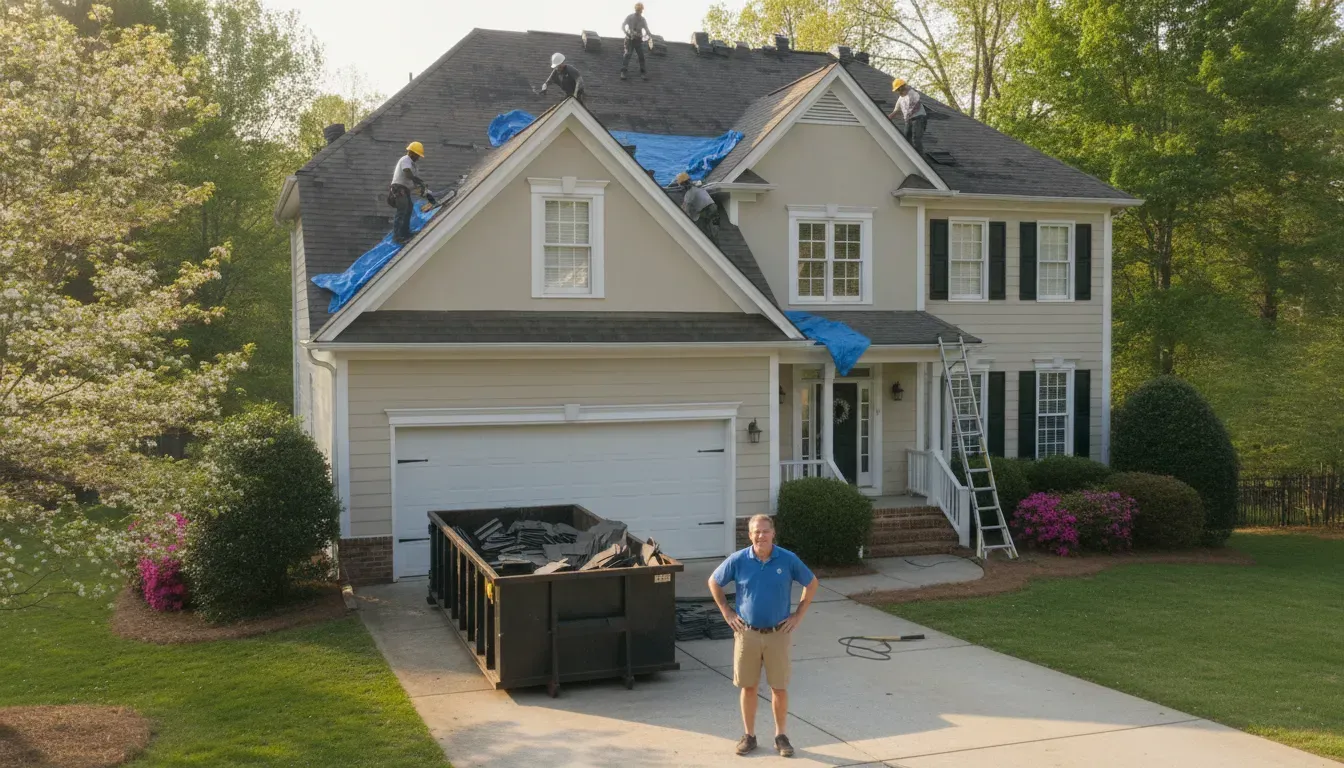
The first priority in any roofing emergency is to stop more damage from happening. An emergency roofer’s initial task is to implement temporary solutions that protect your home from the elements. This often involves securing a heavy-duty tarp over the affected area to prevent water from getting in. For smaller punctures or cracks, they might apply roofing cement or sealant as a quick fix. These measures are not permanent solutions, but they are critical for mitigating water damage to your home’s interior, insulation, and structure while you wait for a full repair. This immediate action is a key part of any professional residential roofing service.
A Full Damage Assessment
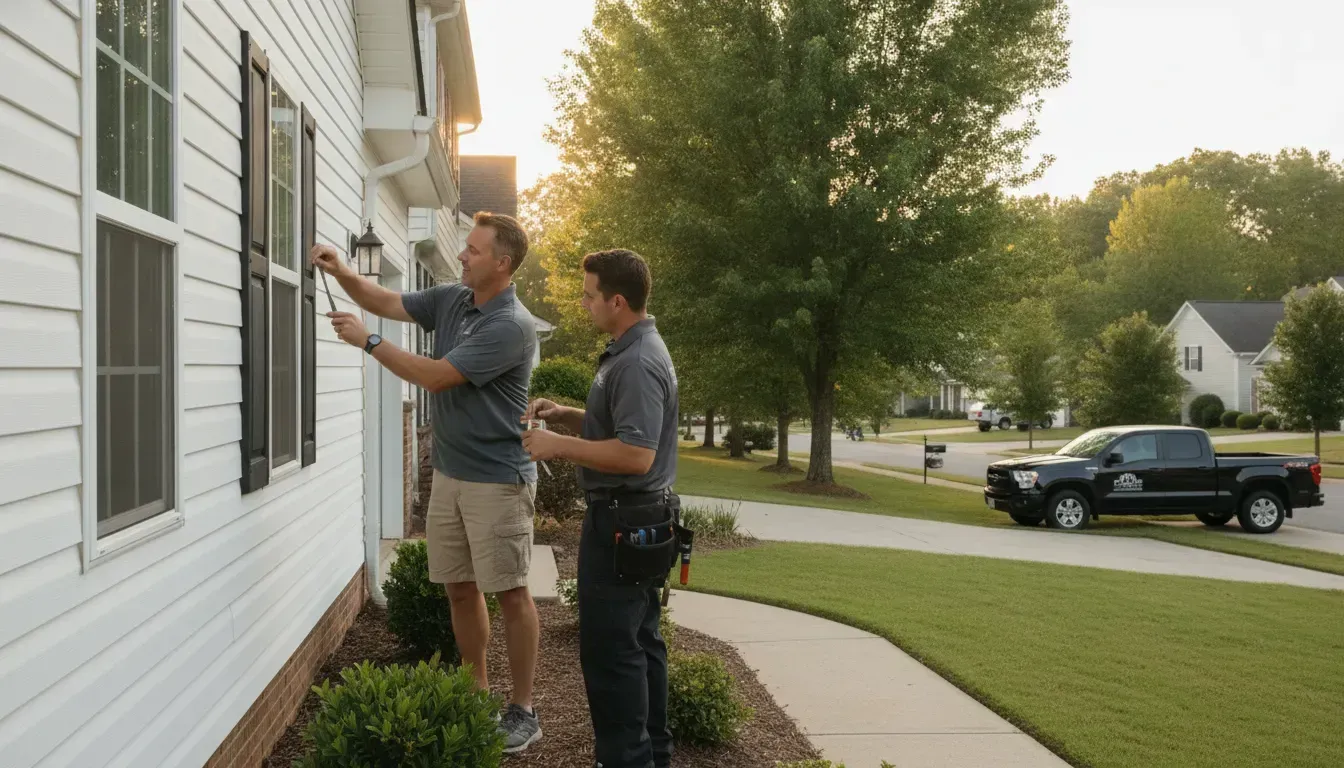
Once the immediate threat is under control, a professional roofer will conduct a thorough damage assessment. This is much more than a quick glance at a missing shingle. They will inspect the entire roof, attic, and surrounding structures to identify all points of failure, including hidden damage that might not be obvious. This detailed evaluation is essential for understanding the true scope of the problem and creating an accurate plan for repairs. Acting quickly can make a big difference; addressing roof emergencies within the first 24 hours can significantly lower the final repair costs by preventing secondary issues like mold or structural rot.
Help with Your Insurance Claim
Dealing with an insurance claim can be one of the most stressful parts of a roofing emergency. An experienced emergency roofer can be a huge asset here. They are accustomed to the documentation insurance companies require, providing detailed reports, photographs, and precise estimates to support your claim. Not all roofing contractors are prepared for the urgent paperwork and quick decisions involved in storm damage claims. A team with decades of experience can help you present a clear and complete picture to your insurer, ensuring the process moves along smoothly and you get the coverage you need for a proper restoration.
How to Choose the Right Emergency Roofer
When your roof is leaking and you're in a panic, it’s tempting to call the first roofer you find on Google. But taking a few extra minutes to choose the right contractor can save you from bigger problems down the road, like shoddy work or even legal issues. A true professional will not only stop the immediate damage but also provide a lasting solution and help you manage the insurance process.
Finding a trustworthy emergency roofer comes down to a few key factors. You need someone who is qualified, responsive, and has a proven track record of handling urgent situations just like yours. Before you hire anyone, focus on verifying their credentials, confirming their availability, and checking what past customers have to say. These steps will help you feel confident that your home is in good hands, even when things feel chaotic. Making a calm, informed decision now will protect your property and give you peace of mind.
Check for Licenses, Insurance, and Certifications
This is non-negotiable. A licensed and insured contractor protects you from any liability if a worker gets injured on your property and ensures the repairs meet local building codes. Don't just take their word for it; ask to see proof of their general liability insurance and worker's compensation. A reputable company will provide this documentation without hesitation. Also, look for special certifications. For example, being an Owens Corning Platinum Preferred contractor shows a roofer has met high standards for professionalism and reliability. These credentials are a clear sign that you’re working with a team that takes its craft seriously and is committed to quality about us.
Ask About Their Response Time and Availability
In a roofing emergency, time is of the essence. A contractor's ability to respond quickly can significantly reduce the damage to your home's interior and structure. When you call, one of your first questions should be about their availability. Ask them directly: "How soon can you have a team at my property?" A true emergency service provider should offer 24/7 availability and be able to give you a clear timeline for their arrival. Vague answers are a red flag. You need a team that understands the urgency and is equipped to handle both commercial roofing and residential crises at a moment's notice.
Read Reviews and Ask for References
Before you commit, do a quick background check. Spend a few minutes reading online reviews on platforms like Google or the Better Business Bureau. Look for feedback that specifically mentions emergency services, timeliness, and communication. Homeowners who address roof damage within the first 24 hours often face much lower repair costs, so finding a reliable roofer is key. Don't be afraid to ask the company for references from past emergency jobs. Hearing directly from other homeowners who were in a similar situation can give you the confidence you need to make the right choice for your residential roofing needs.
Understanding Emergency Roof Repair Costs
When you’re dealing with a roofing emergency, one of the first questions that comes to mind is, "How much will this cost?" The honest answer is: it depends. The final price tag for an emergency repair is influenced by a few key factors, from the type of damage your roof has sustained to the materials needed to fix it. Understanding these variables can help you get a clearer picture of the potential costs and prepare for the road ahead. Let's break down what goes into the cost of an emergency roof repair.
The Severity and Type of Damage
The biggest factor determining the cost of your repair is the extent of the damage. A few missing shingles after a windstorm will be a much quicker and less expensive fix than repairing a large hole from a fallen tree branch. Common roofing emergencies range from minor leaks around flashing to major structural issues. An active leak that has started to cause water damage inside your home requires more intensive work than a simple exterior patch. A professional assessment is crucial to understand the full scope of the problem and get an accurate estimate for the necessary repairs.
Required Materials and Roof Access
The materials needed for the job also play a significant role in the overall cost. An immediate, temporary fix might just require a durable tarp and sealant to prevent further water intrusion until a permanent solution can be scheduled. The final repair will involve matching your existing roofing materials, whether that’s asphalt shingles, metal panels, or something else. The complexity of your roof design and how easy it is to access can also affect labor costs. A steep, multi-story roof will require more safety equipment and time to work on than a simple, single-story residential roof.
Your Insurance and Financing Options
Your homeowner's insurance policy will likely cover damage from unforeseen events like storms or falling trees. Acting fast is key, as addressing an emergency quickly can prevent more extensive, costly problems down the line. In fact, homeowners who tackle roof emergencies right away often face significantly lower repair costs. We can help you document the damage and work through the claims process with your insurance provider. For any out-of-pocket expenses or deductibles, we also offer flexible financing options to ensure you can get the critical repairs you need without financial strain.
The Emergency Repair Process, Step-by-Step
When you’re dealing with a sudden roof leak or storm damage, knowing what to expect can make a stressful situation feel much more manageable. Once you’ve taken steps to ensure your family’s safety and contain any interior damage, the next move is to call a professional. A reliable emergency roofer follows a clear process to protect your home, assess the situation, and get you on the path to a permanent fix. Here’s a look at what happens after you make that important call.
The Initial Call and Assessment
The moment our team arrives, our first priority is to conduct a thorough damage assessment. While you might see a few missing shingles or an obvious leak, a trained professional can spot underlying issues that aren’t visible to the untrained eye. We’ll carefully inspect the entire roofing system to understand the full extent of the damage. This initial evaluation is critical because it informs every next step, from the immediate temporary patch to the plan for a long-term solution. This professional assessment ensures we address the root cause of the problem, not just the symptoms, for both residential and commercial properties.
Temporary Fixes vs. Permanent Solutions
In a roofing emergency, the immediate goal is to stop the damage from getting worse. This usually involves a temporary fix, like securing a tarp over the affected area to prevent more water from getting into your home. These emergency repairs are essential for protecting your property while we plan a more permanent solution. Think of them as a critical first-aid measure, not the final cure. While these stopgap measures provide immediate relief from leaks, they are designed to hold things over until the weather clears and our team can perform a complete, lasting roof repair.
Scheduling Your Final Repairs
After the immediate threat is contained, the next step is to schedule your final repairs. It’s tempting to relax once the leak has stopped, but moving quickly is key. Delaying permanent repairs can lead to more significant structural issues and higher costs down the road. In fact, homeowners who address roof emergencies promptly often face much lower overall repair costs. We work with you to schedule the final work as soon as possible, ensuring your home is restored with durable materials and expert craftsmanship. Getting this on the calendar quickly is the final step to securing your home and your peace of mind.
Related Articles
- Best Ways to Fix Common Roofing Issues
- From Leaks to Lifespan: 7 Signs It's Time for a New Roof
- Is It Possible to Replace My Roof During Winter?
- Winter Roof Replacement: A Smart Move or Risky Choice?
- Does Your Home Have Enough Ventilation? | Total Roof Solutions
Frequently Asked Questions
How do I know if my roof problem is a true emergency or if it can wait? The simplest way to tell is to look for active and uncontrolled damage. If water is currently dripping into your home, a tree has punctured your roof, or you see a section visibly sagging, that’s an emergency. The goal is to stop a problem that is actively harming your home's interior or structure. A few shingles in your yard after a storm might not require a middle-of-the-night call, but it still needs prompt attention before the next rain. When in doubt, it's always best to call a professional for an assessment.
What should I do to protect my home while I wait for a roofer to arrive? Your first priority is safety, so please stay off the roof yourself. Inside, you can do a lot to minimize the damage. Place buckets or old towels under any drips to catch water and protect your floors. If you can, move furniture, rugs, and electronics out of the affected area. If you see a bulge forming on your ceiling, it's a sign that water is pooling. Carefully poking a small hole in the center can release that pressure and prevent a larger section of the ceiling from collapsing.
Will my homeowner's insurance cover an emergency roof repair? In many cases, yes. Most standard homeowner's insurance policies cover damage from sudden, accidental events like storms, wind, or fallen trees. However, every policy is different, so it's important to review your specific coverage. The key is to document everything with photos and notes from the moment you notice the damage. A professional roofer can provide the detailed inspection report and estimate your insurance company will need to process your claim smoothly.
What’s the difference between the temporary fix and the final repair? Think of the temporary fix as first aid for your house. When a roofer first arrives, their main goal is to stop the immediate threat, which usually means securing a heavy-duty tarp over the damaged area to keep rain out. This is a critical step that protects your home from further water damage. The permanent solution happens later, once the situation is stable. This is the comprehensive repair where we match your existing materials and fix the underlying issue to ensure your roof is secure for the long term.
How can I be sure I'm hiring a trustworthy roofer in a crisis? It's smart to be cautious, especially when you're feeling pressured to make a quick decision. The most important step is to verify that the contractor is licensed and fully insured; ask to see their documentation. You can also look for established credentials, like being an Owens Corning Platinum Preferred contractor, which shows a commitment to high standards. Finally, take a few minutes to read recent online reviews to see what other homeowners have experienced with their emergency services.