The 4 Best Commercial Roofing Material Options
Stephen Griswell • April 23, 2026
Your roof is more than just the top layer of your building; it’s a critical component of your business’s operational efficiency. The right commercial roofing material can do more than just prevent leaks. It can significantly reduce your monthly energy bills by reflecting sunlight, improve the safety of your building with fire-resistant properties, and stand up to the specific challenges of your industry, like chemical or grease exposure. Making the right choice is a strategic business decision that impacts your bottom line for years. In this guide, we’ll explore the key options and help you understand how to select a material that not only protects your property but also actively contributes to its performance.
Key Takeaways
- Match the material to your building's needs: Flat and low-slope commercial roofs require specialized materials like TPO, EPDM, or PVC. Consider factors like your budget, energy efficiency goals, and your building's specific use to find the right fit.
- Think about lifetime value, not just upfront cost: The smartest roofing investment balances the initial price with long-term performance. A durable, low-maintenance material might cost more today but can save you significant money on repairs and energy bills down the road.
- A quality installation is crucial: Even the best materials can fail if not installed correctly. Protect your property by partnering with a licensed, insured, and manufacturer-certified contractor who has proven experience with commercial roofing systems.
What Are Commercial Roofing Materials?
When we talk about commercial roofing materials, we’re talking about the outermost layer that shields your business from the elements. Think of it as the first line of defense against rain, sun, and wind. The right material for a commercial roofing project depends heavily on the building’s design, especially the slope of the roof. Commercial building roofs are generally categorized into two groups: low-slope and steep-slope. Unlike the pitched roofs you see on most houses, many commercial buildings have flat or nearly flat roofs, which require a completely different set of materials and installation techniques to prevent leaks and ensure longevity. These materials are engineered to handle challenges like standing water, heavy equipment, and frequent foot traffic from maintenance crews.
Commercial vs. Residential Roofing
It’s a common mistake to think that a roof is just a roof, but commercial and residential roofing are two entirely different ball games. Your home’s roof is likely steep, designed to shed water and snow quickly using materials like asphalt shingles or metal panels. A commercial roof, on the other hand, is often a large, flat expanse that has to withstand pooling water and support heavy HVAC units. This requires specialized materials like single-ply membranes (TPO, EPDM) or built-up systems that create a seamless, waterproof barrier. The installation process, maintenance needs, and even the repair techniques are worlds apart from residential roofing.
What Buildings Need a Commercial Roof?
You’ll find commercial roofing systems on a wide variety of structures, not just massive industrial sites. Any building with a flat or low-slope roof design falls into this category. This includes warehouses, office buildings, retail stores, shopping centers, and manufacturing plants. It also covers multi-family housing like apartment complexes and condominiums, as well as schools, hospitals, and restaurants. Essentially, if the building’s design doesn’t allow for a traditional pitched roof, it needs a commercial roofing system designed for durability and superior water resistance. Our team has decades of experience working on these exact types of properties, so we understand their unique demands.
TPO Roofing: The Smart, Budget-Friendly Option
If you’re looking for a roofing material that delivers great performance without a hefty price tag, TPO is an excellent choice. TPO, which stands for Thermoplastic Polyolefin, is one of the most popular materials for commercial roofing today, and for good reason. It strikes a fantastic balance between cost-effectiveness and durability, making it a smart investment for many business owners and property managers.
TPO roofing is a single-ply membrane known for its strength and flexibility. It’s engineered to withstand the elements, from harsh UV rays to chemical exposure and punctures. One of its most celebrated features is its energy efficiency. Typically white or light-colored, TPO roofs reflect sunlight instead of absorbing it. This simple feature can significantly lower your building's cooling costs during hot summer months, which is a huge plus for your bottom line. It’s a practical, reliable option that offers long-term value and peace of mind.
TPO Installation and Upkeep
TPO is a popular single-layer plastic roof that’s praised for its straightforward installation process. The large, lightweight sheets are rolled out and typically welded together with hot air, creating strong, seamless bonds that are highly resistant to leaks. This ease of installation often translates to lower labor costs compared to more complex roofing systems.
Beyond installation, TPO is also relatively low-maintenance. Its smooth surface resists dirt and debris buildup, and it’s flexible enough to handle a building’s natural settling and temperature fluctuations without cracking. Its resistance to UV rays and chemicals helps it maintain its integrity for years, giving you a long-lasting, protective barrier for your property. Should a repair ever be needed, it’s usually a simple patch-and-weld job for a qualified roofer.
Is TPO Right for Your Building?
When you’re choosing a roofing material, you have to consider its energy efficiency, durability, and maintenance needs. TPO is an especially great fit for buildings with flat or low-slope roofs, which are common in commercial and industrial settings. Its reflective surface makes it a top contender for anyone looking to reduce their building’s energy consumption and cooling expenses.
As a dependable and affordable choice, TPO offers a fantastic return on investment. It’s designed to be flexible and easy to install, and its built-in resistance to UV rays means it holds up well under the sun. If you need a cost-effective solution for your commercial building that doesn’t compromise on quality or performance, TPO roofing is definitely worth considering.
EPDM Rubber Roofing: The Durable Defender
If you’re looking for a roofing material that’s built to last, EPDM is a fantastic contender. EPDM, which stands for Ethylene Propylene Diene Monomer, is a synthetic rubber membrane that has been a go-to choice for flat and low-slope commercial roofing for decades. Think of it as a thick, durable shield for your building. Its straightforward application and proven track record make it a reliable option for business owners and property managers who prioritize long-term performance over flashy aesthetics. For years, it has been the workhorse of the commercial roofing world, quietly protecting warehouses, office buildings, and retail centers from the elements.
This material is known for its incredible resilience against everything from harsh sun to heavy rain. Because it’s essentially a large rubber sheet, it creates a seamless, waterproof barrier when installed correctly. For anyone managing a commercial property, that peace of mind is invaluable. It’s a practical, no-fuss solution that simply gets the job done, protecting your investment year after year without requiring constant attention. It's a choice that says you value durability and a solid, long-term investment in your property's structural integrity.
Why EPDM Is So Durable
The secret to EPDM’s strength lies in its composition. As a synthetic rubber, it’s incredibly flexible, allowing it to expand and contract with temperature changes without cracking. This elasticity is key to its longevity, which often spans 25 to 30 years. EPDM is also highly resistant to UV radiation, meaning the Georgia sun won’t degrade it quickly. It’s typically manufactured in large rolls, which means fewer seams are needed to cover your roof. Fewer seams mean fewer potential points of failure where water could find its way in. Top manufacturers like Johns Manville produce thick, uniform sheets, ensuring consistent quality and protection across the entire surface of your roof.
EPDM Installation: What to Consider
While EPDM is tough, its performance depends entirely on proper installation. The seams are the most critical part of the system; they must be perfectly sealed to create a watertight surface. An improper seal can weaken over time and lead to leaks, which is why working with a certified contractor is so important. You should also consider your roof’s foot traffic. EPDM can be punctured by sharp objects or heavy, concentrated traffic, so it may not be the best fit for roofs that require frequent maintenance on HVAC units. Aesthetically, it usually comes in black, which some find plain. However, its durability and cost-effectiveness often outweigh any concerns about its appearance.
PVC Roofing: Your Premium Protector
When you need a roof that can handle just about anything, PVC is a top-tier choice. PVC, which stands for Polyvinyl Chloride, is a single-ply membrane known for its exceptional strength and long-term performance. Think of it as the premium protector for your commercial building. Its seams are heat-welded together during installation, which essentially fuses the material into a single, continuous sheet across your entire roof. This process makes it incredibly resistant to leaks, ponding water, and high winds, creating a monolithic barrier against the elements.
Because of its unique chemical makeup, PVC roofing is particularly well-suited for buildings that face exposure to grease, oils, and other chemicals. This makes it a go-to option for restaurants with rooftop kitchen vents, airports, and manufacturing facilities where chemical exposure is a concern. While it often comes with a higher upfront cost compared to other single-ply options like TPO, its incredible durability, low maintenance needs, and resistance to punctures and damage often make it a smart long-term investment. A properly installed commercial roofing system using PVC can protect your business for decades, giving you peace of mind through every season.
PVC's Resistance to Fire and Chemicals
One of the biggest advantages of PVC roofing is its impressive resilience. This material is built to withstand harsh conditions that could damage other roofing types. It’s highly resistant to chemical exposure, including grease and oils, which is why you’ll often find it on restaurants and industrial buildings. If your business has rooftop vents that expel grease or other substances, a PVC roof won’t degrade or break down from the contact.
Beyond chemical toughness, PVC also offers excellent fire resistance. The material is difficult to ignite and is formulated to be self-extinguishing, adding a critical layer of safety for your building, your inventory, and your team. This combination of chemical, fire, and UV resistance makes PVC an incredibly durable membrane that holds up against the elements and the specific challenges of your commercial operations.
Saving Energy with a Reflective Roof
A PVC roof can also help you manage your building's energy consumption, especially during those hot Georgia summers. Most PVC membranes come in white or other light colors that are highly reflective. Instead of absorbing the sun’s heat, a PVC roof reflects solar rays back into the atmosphere. This "cool roof" effect keeps the surface of the roof and the building underneath it significantly cooler.
This reflectivity means your air conditioning system doesn't have to work nearly as hard to maintain a comfortable indoor temperature, leading to lower energy bills each month. The heat-welded seams also contribute to this efficiency by providing an airtight, waterproof seal that prevents leaks and protects your insulation from moisture damage. This combination of features makes PVC a smart choice for business owners looking to save energy and reduce operational costs over the long run.
BUR & Metal: Traditional Meets Modern
When you explore options for your property, two materials that represent both the past and present of the industry are Built-Up Roofing (BUR) and metal. One is a classic, multi-layered system that has protected buildings for over a century, while the other offers a sleek, modern aesthetic with incredible longevity. Both are fantastic choices for commercial roofing projects, but they serve different needs and architectural styles.
BUR systems are the heavyweights of the flat roofing world. They are known for their sheer toughness, built layer by layer on-site to create a thick, seamless, and redundant barrier against the elements. This method has been trusted for generations because it works. On the other hand, metal roofing is prized for its impressive strength-to-weight ratio, superior fire resistance, and clean, sharp lines that can complement any modern design. It arrives in pre-formed panels, ready for efficient installation. Understanding the unique advantages of each can help you decide which path is right for your property, whether you prioritize the proven, rugged performance of a traditional system or the sharp, durable look of a contemporary one.
BUR: Strength in Layers
Built-Up Roofing, often called BUR, is a true classic in the commercial roofing world for a reason. It’s a reliable system made of multiple layers of asphalt or tar and reinforcing fabrics, often finished with a layer of gravel or a mineral coating. This multi-layer design is its biggest strength, creating a thick, durable surface that is excellent at stopping leaks. The many layers contribute to its "extra strength, making it a durable choice for commercial buildings." This robust construction also provides fantastic protection against UV rays and heat, helping to extend its already long lifespan and protect the structure underneath from the harsh Georgia sun.
Standing Seam vs. Corrugated Metal
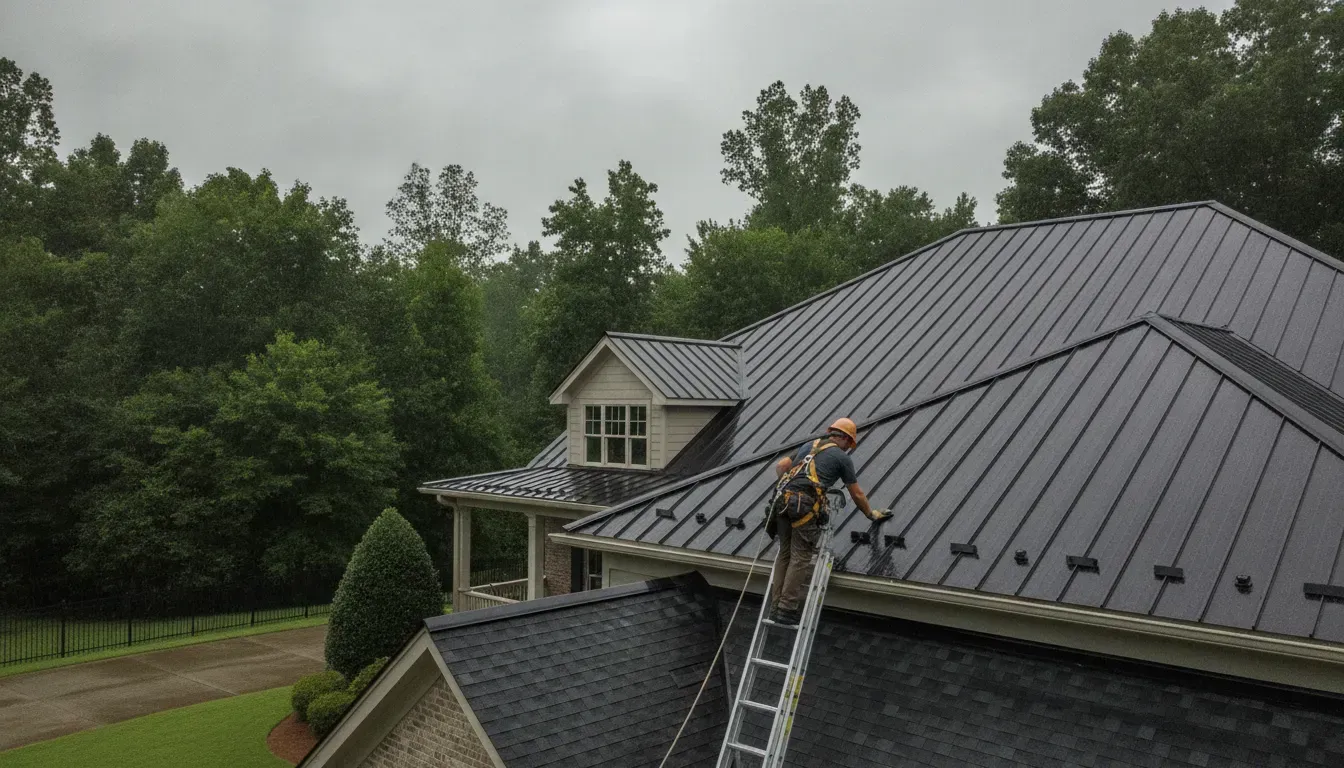
Metal roofing is another incredibly durable and long-lasting option, known for its strength and waterproof capabilities. It generally comes in two main styles that offer different looks and performance features. Standing seam metal roofs use hidden fasteners, which creates a sleek, modern appearance with clean vertical lines. This design not only looks great but also enhances durability by protecting the screws from the elements. Corrugated metal, on the other hand, features wavy steel sheets with exposed fasteners. It’s a very practical and often lower-cost choice that delivers excellent durability. As a team with decades of experience, we can help you explore which metal roofing style best fits your building's needs and your budget.
How to Choose the Right Commercial Roofing Material
Picking the right material for your commercial roof is a big decision, and it goes far beyond just keeping the rain out. Think of it as a long-term investment in your property’s health and your business’s bottom line. The material you choose will directly impact everything from your monthly energy bills and maintenance budget to the overall structural integrity of your building for years to come. A failing roof can lead to costly interior damage, operational downtime, and safety hazards, things no business owner wants to deal with. While it’s tempting to focus solely on the initial price tag, the smartest approach is to consider the full picture. The best roofing material is one that balances upfront cost with durability, energy efficiency, and long-term performance. To find that perfect fit, you need to weigh a few key factors specific to your situation. Thinking through your local climate, your building’s unique design, your energy efficiency goals, and your budget will help you land on a solution that protects your investment and gives you lasting peace of mind.
Consider Your Local Climate
Here in Georgia, we know all about hot, humid summers and heavy rain. Your roof takes the brunt of this weather year-round, so choosing a material that can handle it is non-negotiable. For intense sun and heat, you’ll want a roof that reflects sunlight instead of absorbing it. Materials like TPO and PVC are fantastic for this, as their white or light-colored surfaces can significantly lower the temperature on your roof, which helps reduce your cooling costs. Excellent water resistance is also key. You need a seamless, watertight membrane that can stand up to downpours without risking leaks that could damage your property and disrupt your business. A durable commercial roofing system designed for the Southern climate is your best defense.
Factor in Your Building's Design
Unlike the sloped roofs on most homes, commercial buildings typically have flat or low-slope designs. This unique structure requires materials specifically engineered to perform without the help of gravity to shed water. Your roof needs to handle potential ponding water after a storm and support the weight of heavy equipment like HVAC units. If your maintenance team needs to access the roof regularly, you’ll also want a material that can withstand foot traffic without getting punctured. Single-ply membranes like TPO, EPDM, and PVC are popular choices because their seams can be welded or sealed to create a continuous, waterproof barrier that’s perfect for the demands of a flat roof.
Define Your Energy Efficiency Goals
Are you looking for ways to lower your building’s operating costs? Your roof is one of the best places to start. An energy-efficient roof can make a real difference in your monthly utility bills, especially during our long, hot summers. "Cool roofs" are designed with highly reflective surfaces that bounce sunlight and heat away from your building. According to the U.S. Department of Energy, this can keep your building cooler and reduce the workload on your air conditioning system. Materials like white TPO and PVC are excellent cool roof options. Even some metal roofing systems come with special coatings that reflect solar energy, giving you another path to a more efficient and sustainable building.
Balance Your Budget with Long-Term Value
Every business decision comes down to budget, and roofing is no exception. While the upfront installation cost is a major factor, it doesn’t tell the whole story. A cheaper material might save you money today but could cost you more down the road in repairs, maintenance, and higher energy bills. When you evaluate your options, think about the roof’s entire lifecycle cost. A durable, low-maintenance material with a long lifespan might have a higher initial price but deliver a better return on investment over time. A trustworthy roofing partner can walk you through the pros and cons of each option, helping you find a solution that fits your budget while providing lasting value.
How Do Commercial Roofing Material Costs Compare?
When you’re looking at roofing options, the price tag is always a big part of the conversation. But the true cost of a roof isn't just the initial installation bill. It’s a combination of upfront expenses, long-term maintenance, and the overall value it brings to your property through durability and energy efficiency. The final price can depend on your building’s size, the complexity of the job, and the materials you choose. Let's break down what you can expect, both on day one and for years to come.
A Look at Upfront Installation Costs
The initial investment for a new roof varies quite a bit depending on the material. Think of it like this: some materials are more affordable to install, while others come with a higher upfront cost but offer specialized benefits.
- EPDM Roofing: Often the most budget-friendly choice, EPDM typically runs between $3 and $7 per square foot. Its durability and straightforward installation make it a go-to for many business owners.
- TPO Roofing: A very popular and cost-effective option, TPO costs generally fall between $4 and $8 per square foot. It’s known for being energy-efficient and relatively easy to install and repair.
- Metal Roofing: With a price range of $7 to $15 per square foot, metal is a step up in initial cost. However, its incredible longevity often justifies the investment.
- PVC Roofing: As a premium option, PVC can range from $10 to $50 per square foot. This higher price reflects its superior resistance to chemicals, fire, and punctures, making it ideal for specific commercial environments.
Factoring in Maintenance and Lifetime Value
A roof is a long-term investment, and the best value comes from a material that performs well for decades. A lower initial cost might seem appealing, but if it leads to frequent repairs or an early replacement, you haven't really saved any money. That's why considering lifetime value is so important when planning your commercial roofing project.
For example, while EPDM is affordable, it has a solid lifespan of 25 to 30 years with proper care. TPO roofs also last for decades, and their longevity is supported by routine inspections and maintenance. On the other hand, a metal roof can last an incredible 40 to 70 years, making its higher upfront cost a smart long-term play. And while PVC has a high initial price, its reflective properties can lead to significant savings on energy costs over time, adding to its overall value. Balancing your budget with these long-term benefits will help you make the best choice for your property.
What Are the Most Common Commercial Roofing Problems?
Even the highest-quality roofing system can run into trouble without the right care. Knowing what to look for is the first step in protecting your investment and preventing small issues from turning into major headaches. From material-specific vulnerabilities to general wear and tear, staying informed helps you keep your commercial roof in top condition for years to come.
Potential Issues for Each Material
Every roofing material has its own set of strengths and potential weaknesses. For example, TPO roofing is a fantastic, energy-efficient choice, but its seams can become weak if not installed with expert precision. EPDM is incredibly durable, but it can be susceptible to punctures from heavy foot traffic or sharp debris. PVC roofing stands up to harsh chemicals, but it can become brittle and crack in extremely cold temperatures. And while traditional Built-Up Roofing (BUR) is tough, it’s also very heavy and may require extra structural support for your building. Understanding these nuances is key to proper maintenance and choosing the right commercial roofing system in the first place.
Warning Signs Your Roof Needs Help
One of the biggest mistakes you can make is assuming a new roof doesn't need regular check-ups. Many problems can develop quietly, only becoming obvious once significant damage has occurred. Keep an eye out for subtle clues that your roof needs attention. Look for water stains on interior ceilings or walls, pooling water on the roof more than 48 hours after it rains, or visible bubbles and cracks on the roof’s surface. Also, check for loose flashing around vents and skylights. A sudden spike in your energy bills can also be a red flag, signaling that your roof's insulation has been compromised. Catching these signs early can save you from a much more expensive repair down the road.
Common Myths About Roof Maintenance
Let's clear up a few common misconceptions about commercial roofing. First, not all roofing materials are created equal. As we've covered, each has unique properties, and what works for one building might not be the best fit for another. Another myth is that commercial roofs are maintenance-free. In reality, regular inspections are essential to extending the life of your roof. Finally, many people believe replacement is the only solution when a problem appears. Often, a professional repair can effectively solve the issue and add years to your roof’s lifespan, making it a smarter and more cost-effective choice. An honest contractor will always help you weigh the benefits of repair versus replacement.
What's New in Commercial Roofing?
The world of commercial roofing is constantly evolving, moving far beyond just keeping the rain out. Today’s innovations are focused on making your roof work smarter, not harder. New technologies and materials are designed to improve energy efficiency, extend the lifespan of your roof, and even contribute to a healthier environment. These aren't just futuristic concepts; they are practical solutions that can save your business money and provide long-term value. From roofs that monitor their own condition to materials that actively cool your building, the latest advancements offer incredible benefits for property owners. Staying informed about these trends can help you make a better investment when it’s time to repair or replace your commercial roof, ensuring you get a system that’s built for the future.
Smart Roofs and Monitoring Technology
Imagine a roof that could tell you it has a problem before a leak ever appears inside your building. That’s the idea behind smart roofs. By embedding sensors within the roofing system, property managers can get real-time data on everything from moisture levels to temperature fluctuations. This technology allows for proactive maintenance, helping you catch minor issues before they become major, costly repairs. Paired with modern inspection methods like drone technology, you can get a comprehensive and accurate picture of your roof’s health without disruptive and time-consuming manual checks. This approach saves time and money while extending the life of your roof.
Sustainable and Green Roofing Options
For businesses focused on sustainability, a green roof is an incredible option that offers both environmental and financial benefits. A green roof, also known as a living roof, is a system where vegetation is grown on top of a waterproof membrane. These roofs are fantastic insulators, reducing your heating and cooling costs. They also help manage stormwater runoff, improve air quality, and can reduce the urban heat island effect in areas like metro Atlanta. While it’s a significant investment, a green roof can be a powerful statement about your company’s commitment to the environment and a practical way to create a more efficient building.
Advances in Cool Roof Technology
High energy bills during hot Georgia summers are a major concern for any business owner. That’s where cool roof technology comes in. Cool roofs are made from materials designed to reflect more sunlight and absorb less heat than a standard roof. Materials like TPO and PVC often come in highly reflective white or light colors that can dramatically lower the surface temperature of your roof. This simple change means your air conditioning system doesn't have to work as hard, leading to significant energy savings over time. Investing in a cool roof is a practical step toward a more energy-efficient building and a lower carbon footprint.
Choosing the Right Commercial Roofing Partner
Selecting the right material for your commercial roof is a huge step, but it’s only half the battle. The success of your roofing project heavily depends on the contractor you choose to install it. The best materials in the world won’t perform well if they’re installed incorrectly. Finding a reliable, experienced partner ensures your investment is protected and your business stays safe and dry for years to come. A great roofer acts as a guide, helping you weigh your options and managing the project with professionalism from start to finish.
What to Look for in a Roofing Company
When you start searching for a contractor, prioritize experience specifically in commercial roofing. Commercial projects are fundamentally different from residential ones, involving unique materials, building codes, and installation techniques. Look for a company that is fully licensed, bonded, and insured to protect your business. Manufacturer certifications, like being a Mule Hide Certified Contractor, are also a great sign. This means the team has received specialized training directly from the material maker, ensuring they follow best practices for a warrantied installation. A reputable company will have a strong portfolio of past projects and be able to explain the technical details, like how they’ll ensure proper drainage and insulation for your specific building.
Questions to Ask Before You Hire
Before signing a contract, it’s smart to have a list of questions ready to vet potential partners. The right contractor will welcome your questions and provide clear, confident answers.
Start with these:
- What is your experience with the specific roofing material you’re recommending for my building?
- Can you provide proof of your license, insurance, and manufacturer certifications?
- How do you plan to manage the project to minimize disruption to my daily business operations?
- What kind of warranty do you offer on your workmanship, in addition to the manufacturer’s material warranty?
- Can you share references from other local business owners you’ve worked with?
A trustworthy partner like the team at Total Roof Solutions will be transparent and ready to provide all this information, giving you peace of mind.
Related Articles
- Best Ways to Fix Common Roofing Issues
- The True Cost of a New Roof in Atlanta: Average Estimates and Hidden Fees
- The Role of Roofing Materials in Curb Appeal and Energy Efficiency
Frequently Asked Questions
How do I know if my roof needs a repair or a full replacement? Deciding between a repair and a full replacement really depends on the age of your roof and the extent of the damage. If you have an isolated issue, like a small puncture or a single failed seam on a relatively new roof, a professional repair is often the most sensible and cost-effective solution. However, if your roof is nearing the end of its expected lifespan, or if you're seeing widespread problems like extensive leaks, large bubbles, or significant water damage to the insulation, a replacement is likely the smarter long-term investment. The best first step is always a thorough inspection from a qualified roofer who can give you an honest assessment.
In simple terms, what's the real difference between TPO, EPDM, and PVC? Think of it this way: TPO is the popular, all-around performer that balances cost-effectiveness with great energy efficiency. EPDM is the classic, durable rubber roof; it's a time-tested workhorse known for its flexibility and long-term resilience against the elements. PVC is the premium, heavy-duty option, offering superior resistance to things like grease, chemicals, and fire, which makes it ideal for specific environments like restaurants or manufacturing plants.
How long should a new commercial roof actually last? The lifespan of a commercial roof varies quite a bit based on the material you choose and how well it's maintained. Generally, single-ply systems like TPO and EPDM can last anywhere from 20 to 30 years. A premium system like PVC often has a similar or slightly longer lifespan, while a metal roof can protect your building for an impressive 40 to 70 years. Keep in mind that these estimates depend heavily on the quality of the installation and consistent, professional maintenance.
Will getting a new roof installed disrupt my business? This is a major concern for any business owner, and a professional roofing partner will make minimizing disruption a top priority. A good contractor will work with you to create a detailed project plan that outlines the schedule and safety protocols. They will coordinate with you to manage noise, debris, and crew access in a way that keeps your daily operations running as smoothly as possible and ensures the safety of your employees and customers.
Are "cool roofs" really that beneficial here in Georgia? Absolutely. In a climate with long, hot, and humid summers like ours, a cool roof can make a significant difference. These reflective roofs, like white TPO or PVC, bounce solar heat away from your building instead of absorbing it. This keeps your building cooler, which means your air conditioning system doesn't have to work nearly as hard. Over time, that translates into very real savings on your monthly energy bills and a more comfortable environment inside.