How to Hire Professional Exterior Painters You Trust
Stephen Griswell • June 19, 2026
The most important part of a great exterior paint job isn’t the final color you choose. It’s the painstaking prep work that happens before a can of paint is even opened. A lasting finish depends on a perfectly cleaned, repaired, and primed surface, which is where the expertise of a true professional shines. Without this foundation, even the most expensive paint will fail. Understanding this process is the key to appreciating the value that skilled professional exterior painters bring to your home. This guide will take you behind the scenes, explaining why steps like power washing, caulking, and priming are non-negotiable for a durable result that protects your home for years to come.
Key Takeaways
- Do Your Homework Before Hiring: Your confidence in a painter should come from their credentials, not just their quote. Always confirm they are licensed and insured, read online reviews, and call their references to get a clear picture of their work and professionalism.
- Focus on Prep, Not Just Paint: A beautiful finish that lasts for years is the result of great preparation. A true professional will spend significant time cleaning, repairing, and priming surfaces before a single can of paint is opened, so make sure this is a key part of their process.
- Insist on a Detailed Written Plan: A professional quote is more than just a price; it's a project roadmap. Your contract should clearly specify the scope of work, the exact materials being used, the project timeline, and all warranty details to ensure there are no surprises.
What Does a Professional Exterior Painter Do?
When you think of an exterior painter, you probably picture someone with a roller and a bucket of paint. While that’s part of it, a professional painter’s job is far more detailed. They are skilled craftspeople who protect and beautify your property’s exterior, handling everything from meticulous prep work to the final, flawless coat. Their expertise ensures the job isn’t just done, but done right, providing a finish that lasts for years and adds significant value to your home or business. Understanding the full scope of their work is the first step in hiring the right team for your project.
Residential and Commercial Painting
Professional painters bring their skills to both homes and businesses, transforming the look and feel of a property with a fresh coat of paint. For homeowners, this could mean updating your house’s entire exterior, painting the trim for a sharp new look, or refreshing the paint on outdoor walls and wood features. For business owners, a clean, modern exterior is crucial for making a great first impression on customers. A professional crew understands the different needs of commercial roofing and siding materials versus residential ones, using the right products and techniques to ensure a durable, attractive finish that stands up to the elements and daily wear.
Staining Decks and Painting Trim
A painter's expertise often extends beyond just walls. Many professionals offer a range of services to give your entire exterior a cohesive and polished look. This can include staining or re-staining your deck to protect the wood and bring back its natural beauty. They also handle the detailed work of painting trim, shutters, and doors, which requires a steady hand and an eye for precision. Some painters even provide power washing to clean surfaces before painting or as a standalone service to remove built-up grime. These additional skills are perfect for completing a larger renovation, ensuring every detail, from your siding to your gutters, looks its best.
Preparing Surfaces for a Flawless Finish
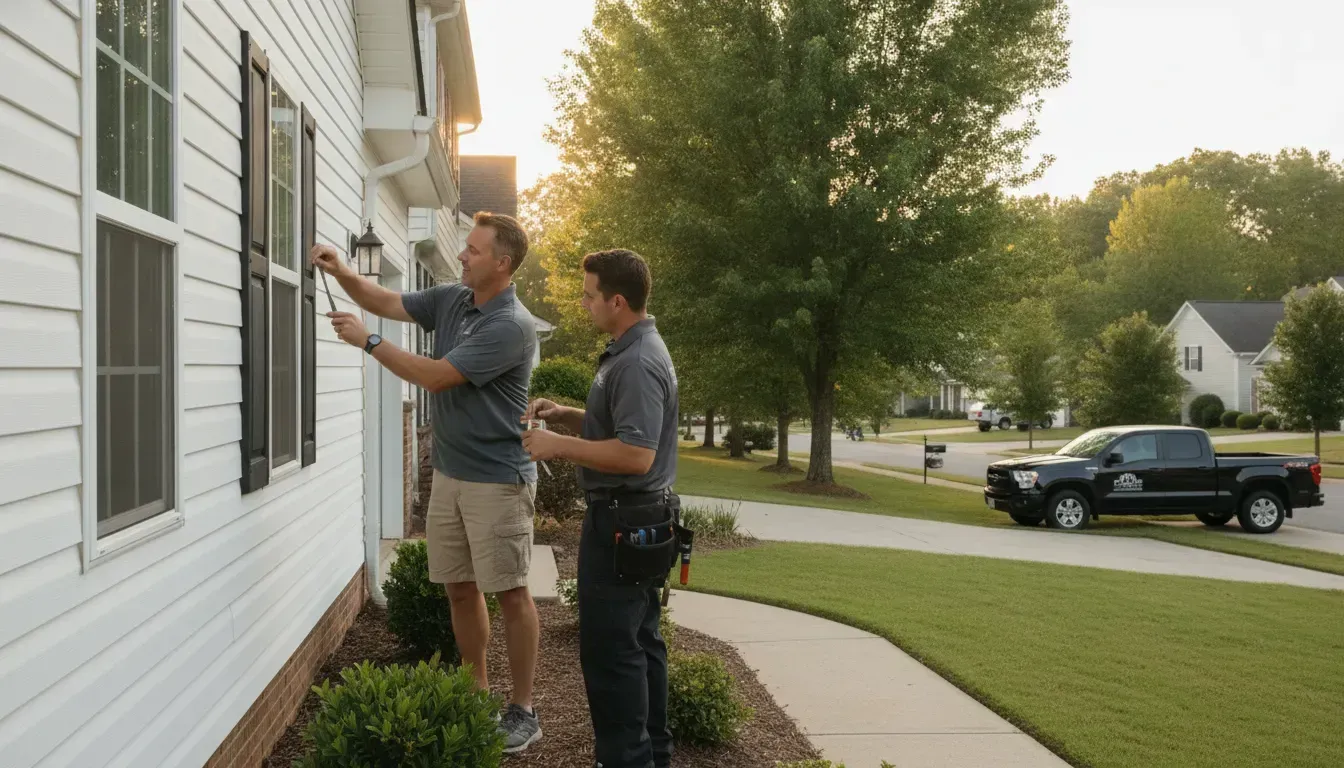
Arguably the most important part of any paint job happens before a can of paint is even opened. Proper surface preparation is what separates a professional finish from a DIY project that starts peeling in a year. A true pro will spend a significant amount of time cleaning surfaces to remove dirt and mildew, scraping away any loose or failing paint, and sanding areas for a smooth base. They also repair damaged wood or siding and caulk cracks and gaps to seal out moisture. This meticulous prep work ensures the new paint adheres correctly and creates a durable, long-lasting barrier that protects your home from the weather.
Pro Painter vs. DIY: Is It Worth the Investment?
Deciding to paint your home’s exterior is exciting, but it brings up a big question: should you do it yourself or hire a professional? The idea of a DIY project can be tempting, especially when you're thinking about your budget. It seems like a straightforward way to save money and get a new look. However, the reality of exterior painting is often more complex than it appears. When you weigh the quality, safety, time, and long-term costs, you might find that hiring a pro is one of the smartest investments you can make in your property.
The Difference in Quality and Craftsmanship
Let's be honest, there's a visible difference between a weekend paint job and a professional finish. Professionals have the right tools, years of experience, and a deep understanding of how different materials react to paint and weather. They know the precise techniques for surface preparation and application that create a smooth, even coat without drips or roller marks. This level of craftsmanship doesn't just make your home look better; it provides a more durable shield against sun, rain, and humidity. A quality paint job from an expert team protects your investment and keeps your home's exterior looking sharp for years to come.
Staying Safe on the Job
Exterior painting involves more than just a brush and a can of paint. It often requires working on tall ladders or scaffolding, handling chemical strippers, and navigating uneven ground. These tasks come with real risks of falls or other accidents. When you hire a professional, insured contractor, you transfer that risk. A reputable company carries full liability and workers' compensation insurance, which means if an accident happens on your property, you're protected. Choosing a licensed and insured team isn't just about compliance; it's about giving yourself peace of mind and ensuring the project is completed safely from start to finish.
How You'll Save Time and Effort
A DIY exterior paint job can quickly consume all your free time for weeks, or even months. The process is far more involved than most people realize. It includes pressure washing, scraping old paint, sanding surfaces, caulking cracks, priming, and finally, applying multiple coats of paint. Each step is crucial and time-consuming. Hiring a professional crew frees you from this entire process. They handle everything from the meticulous prep work to the final cleanup, allowing you to focus on your life. Instead of spending every weekend on a ladder, you can trust an experienced team to complete your exterior renovation efficiently and correctly.
The Long-Term Cost Benefits
While the upfront cost of hiring a painter is higher than buying supplies for a DIY project, it often saves you money in the long run. Professionals use high-quality materials and proven techniques that result in a more durable, long-lasting finish. This means you won't have to repaint every few years. A properly applied paint job also acts as a critical barrier, preventing moisture from seeping into your walls and causing expensive damage like wood rot or mold. Think of it as an investment in your home's health and value. By avoiding frequent repainting and potential repairs, the professional job pays for itself over time.
What Factors Into the Cost of Exterior Painting?
When you start planning for an exterior paint job, one of the first questions you'll have is, "How much will this cost?" The truth is, there’s no simple, one-size-fits-all answer. The final price depends on a unique combination of factors specific to your home. Understanding these variables will help you create a realistic budget, compare quotes from different contractors, and feel confident in your investment. A trustworthy painter will walk you through each cost factor, ensuring you know exactly what you’re paying for.
The cost of a professional paint job is determined by the size of your home, the condition of its exterior surfaces, the quality of the materials used, and the amount of labor required. By breaking down these elements, you can get a much clearer picture of the potential costs for your project and make an informed decision. At Total Roof Solutions, we believe in transparency, which is why we provide detailed quotes for all our exterior renovation services.
Size and Scope of Your Project
The most straightforward factor influencing your painting cost is the size of your house. A larger home simply requires more paint and more time to complete. However, it’s not just about the total square footage. The architectural complexity plays a huge role, too. A multi-story home with numerous gables, dormers, and intricate trim will cost more to paint than a single-story ranch-style house. The scope of the project also matters. Are you only painting the siding, or do you want to include the trim, shutters, doors, and porch railings? Each additional element adds to the labor and material costs, so be clear about what you want to be painted when getting a quote.
Condition of Your Siding and Trim
The current state of your home's exterior is a major cost driver. A surface must be clean, dry, and smooth for new paint to adhere properly and last for years. If your home has peeling paint, cracked caulk, or mildew, a professional painter will need to address these issues first. As one expert notes, "If extensive preparation work is needed, such as repairing damaged wood, filling cracks, or scraping old paint, this can significantly increase the overall cost." This prep work is labor-intensive but absolutely critical for a durable finish. A thorough contractor will factor these siding repairs into their initial quote so there are no surprises down the line.
Quality of Paint and Materials
When it comes to paint, you truly get what you pay for. While it might be tempting to save money with a cheaper option, high-quality paint offers better coverage, superior durability, and greater resistance to fading and chalking. This means you won't have to repaint as soon, saving you money in the long run. The type of material on your home’s exterior, whether it's wood, vinyl, brick, or stucco, also dictates the specific kind of primer and paint needed. Each surface requires a different approach and product for optimal adhesion and longevity. A professional can recommend the best exterior paint products for your home’s specific needs and your desired finish.
Labor, Project Complexity, and Timeline
Labor is typically the largest portion of any exterior painting bill. This cost reflects the time, skill, and effort of the painting crew. A project’s complexity directly impacts labor hours. For example, a three-story home requires more setup time and safety equipment, like scaffolding or lifts, than a single-story house. Intricate details, such as decorative trim or multiple paint colors, also demand more precision and time from the painters. The experience of the crew matters, too. Seasoned professionals may have a higher hourly rate, but their efficiency and quality of work often lead to a better, longer-lasting result. A rushed timeline that requires a larger crew or overtime hours can also increase the overall labor cost.
How to Budget and Compare Quotes
To budget effectively, start by getting at least three detailed written quotes from reputable painters. When you compare them, look beyond the final number. A good quote will break down the costs for labor, materials, and any necessary repairs. It should specify the brand and type of paint to be used, the extent of the prep work, and the number of coats included. Be wary of a bid that is significantly lower than the others, as it could signal cut corners on prep work or material quality. As industry resources point out, painters charge using different methods, so make sure you are comparing similar project scopes. Choosing a contractor you trust, like our team at Total Roof Solutions, ensures the process is clear and the final result meets your expectations.
Why Prep Work Is the Most Important Step
It’s tempting to think that exterior painting is all about that final, beautiful coat of color. But the truth is, the most critical part of any paint job happens long before a brush is dipped in paint. The longevity and appearance of your home’s new look depend almost entirely on the quality of the preparation work. Think of it like building a house: you wouldn’t put up walls without a solid foundation, and you shouldn’t apply paint to a surface that isn’t ready for it.
Skipping these steps is the number one reason paint fails, leading to peeling, chipping, and bubbling in just a year or two. A professional painter understands that meticulous prep is non-negotiable. It’s what separates a quick, temporary fix from a durable, long-term investment that protects your home and looks fantastic for years to come. At Total Roof Solutions, our commitment to detailed craftsmanship extends to all our exterior renovation projects, ensuring every surface is perfectly prepared for a flawless finish. This process involves three key stages: cleaning, repairing, and priming.
Cleaning Surfaces and Removing Old Paint
You can’t paint over dirt, mildew, or pollen and expect the paint to stick. The first step in any professional exterior painting project is a thorough cleaning. This usually involves pressure washing to remove grime and any loose, flaking paint. For stubborn areas, painters will use scrapers and sanders to manually remove old paint, creating a smooth, stable surface. This step is essential because it ensures the new primer and paint can form a strong bond directly with the siding. Without a clean slate, the new paint will adhere to the old, unstable layer, and it will fail as soon as the old paint gives way.
Repairing Cracks, Gaps, and Damage
Once the surface is clean, a professional crew will inspect every inch of your home’s exterior for damage. This is where a painter’s expertise truly shines. They look for issues like rotted wood trim, cracks in the siding, or gaps around windows and doors. Simply painting over these problems is like putting a bandage on a broken bone. A true professional will address the root cause by replacing damaged siding, filling cracks, and applying high-quality caulk to seal gaps. This not only creates a seamless surface for painting but also protects your home from moisture intrusion, pests, and drafts, preventing more costly repairs down the road.
Priming for a Durable, Lasting Finish
After cleaning and repairs, priming is the final and most important preparatory step. Primer does several critical jobs that paint alone can’t handle. It acts as a bonding agent, helping the topcoat adhere securely to the surface. It also seals porous materials like bare wood and blocks stains from bleeding through the new paint. According to the experts at Sherwin-Williams, proper priming is key to preventing peeling. By creating a uniform, sealed base, primer ensures your final paint color looks rich and even across the entire house, giving you a beautiful and durable finish that will stand the test of time.
How to Choose the Right Exterior Painter
Finding the right painter can feel like a huge task. You're not just picking a color; you're trusting someone with your home's curb appeal and its first line of defense against the elements. A great paint job looks fantastic and protects your investment for years to come. But how do you find a contractor you can rely on to do the job right? It comes down to doing a little homework. By focusing on a few key areas, you can confidently hire a professional who will deliver a beautiful, lasting finish.
Verify Their License and Insurance
This is the absolute first step, and it's non-negotiable. A professional painter must have both a valid business license and proper insurance. Ask for proof of general liability insurance and workers' compensation. Why is this so critical? If a painter doesn't have adequate insurance, you could be held financially responsible for any accidents or damage that happen on your property. It’s a risk you simply don’t want to take. A trustworthy company will be upfront about their credentials and happy to provide documentation. We believe in complete transparency, which is why we're always clear about being a fully licensed and insured contractor.
Read Reviews and Ask for References
Don't just hire the first painter you find in a search. Take some time to research their reputation online. Look at reviews on Google, the Better Business Bureau, and other local directories to see what past clients are saying. While a perfect record is rare, you should see a consistent pattern of positive feedback about their communication, professionalism, and quality of work. Beyond online reviews, always ask for a list of recent references you can call. Speaking directly with a former customer gives you the chance to ask specific questions about their experience, like whether the project stayed on schedule and if they’d hire the company again.
Understand Their Process and Materials
The secret to a paint job that lasts isn't just the final coat; it's the prep work. A great painter should be able to walk you through their entire process, from start to finish. Ask them how they prepare surfaces before painting. Their answer should include steps like power washing, scraping old paint, sanding rough spots, and making minor repairs. Quality materials are just as important. Ask what brand and type of paint they recommend for your home and why. Just as with our residential roofing projects, we know that using high-quality materials is essential for a durable, long-lasting result that stands up to Georgia's weather.
Get a Detailed Written Quote
A professional quote is much more than a single number scribbled on a piece of paper. It should be a detailed, written document that outlines every aspect of the project. Make sure the estimate clearly specifies the scope of work, including all surfaces to be painted and the exact prep work involved. It should also list the types of paint and materials to be used, the projected timeline, and a clear breakdown of costs for labor and materials. Getting everything in writing protects both you and the contractor, ensuring there are no misunderstandings down the road. It’s wise to get a few quotes, but remember to compare them based on value, not just the bottom-line price.
Key Questions to Ask a Potential Painter
Once you’ve narrowed down your list of potential painters, it’s time to start the interview process. Think of it less like an interrogation and more like a conversation to find the right partner for your home renovation project. Asking the right questions upfront helps you understand a contractor's experience, their process, and their commitment to quality. It’s the best way to ensure you and your painter are on the same page from day one, which prevents misunderstandings and ensures the final result matches your vision.
Getting clear, confident answers to a few key questions will tell you almost everything you need to know. A true professional will be happy to discuss their work, materials, and logistics with you. If a contractor seems hesitant or vague, consider it a red flag. Your home is one of your biggest investments, and the team you hire to work on it should be transparent and communicative. At Total Roof Solutions, our exterior renovation services are built on a foundation of trust and clear communication, so we know how important it is for you to feel confident in your choice. These questions will help you find a painter who shares those values.
"What's Your Experience with Projects Like Mine?"
This is one of the most important questions you can ask. You want to know if the painter has experience with homes like yours, whether it’s a specific type of siding, a multi-story layout, or a historic property with unique needs. A painter who has handled similar projects will be familiar with the right techniques and potential challenges. Don't be shy about asking to see a portfolio of their work. You can also request references from past clients to get a firsthand account of their craftsmanship, professionalism, and reliability. This gives you a real-world look at what it’s like to work with them.
"What Paint Brands and Types Do You Recommend?"
A professional painter should be able to do more than just name a popular brand. They should explain why they recommend certain products for your specific project. Ask them to discuss the benefits of different paint types and how they relate to your home’s materials and the local climate. For example, what paint holds up best against Georgia’s humidity? What finish is easiest to clean? Their answer will reveal their depth of knowledge and their commitment to a durable, high-quality finish. This conversation shows you they’re focused on a long-lasting result, not just a quick job.
"What's the Project Timeline and Who Will Be On-Site?"
Understanding the logistics is key to a smooth project. Ask for an estimated start and end date, keeping in mind that weather can cause delays. It’s also important to know who your main point of contact will be. Will you be speaking with the owner, a project manager, or the crew leader? Knowing who to call with questions ensures communication stays clear and simple. This is also the perfect time to confirm that the contractor has the necessary liability and workers' compensation insurance. A professional will have this documentation ready and will understand why it’s a vital part of the hiring process.
Understanding Warranties and Guarantees
A fresh coat of paint looks great right after the job is done, but how will it hold up over the next few years? This is where warranties and guarantees come in. They are your protection against a job gone wrong and a key indicator of a contractor's confidence in their work. A professional painter who stands behind their services will always provide clear, written warranties. Before you sign a contract, make sure you understand exactly what is covered, for how long, and by whom. This protects your investment and gives you peace of mind.
What a Workmanship Warranty Covers
A workmanship warranty is the painter's direct promise to you. It covers the quality of their labor. If the paint starts to peel, bubble, or crack prematurely because of improper surface preparation or application, this warranty ensures the contractor will return to fix the problem at no extra cost. A typical workmanship warranty lasts for a set period, often a couple of years. It shows that the company has a strong commitment to quality and isn't afraid to stand by the skill of its team. Always ask for the specifics of this warranty in writing so you know exactly what is protected.
The Difference in Paint Manufacturer Warranties
Separate from the workmanship warranty is the manufacturer's warranty, which covers the paint product itself. High-quality exterior paints come with their own guarantees against defects like fading, chalking, or mildew growth, as they are formulated to withstand harsh weather. A reputable painter will always use high-quality materials from trusted brands that offer these robust warranties. This two-part protection is a powerful combination. If an issue arises, the first step is to determine if it's a product failure or an application error, which will decide which warranty applies.
What a "Satisfaction Guarantee" Really Means
You might hear contractors offer a "satisfaction guarantee," which sounds great on the surface. However, this term can be vague. It’s important to ask for clarification on what "satisfaction" entails. Does it mean they will perform a final walk-through with you to address any touch-ups? Does it cover your happiness with the final color? A professional company’s guarantee should be reasonable and clearly defined in the contract. While it reflects a commitment to customer service, it’s not a substitute for a detailed workmanship warranty. Always get the terms in writing to ensure everyone is on the same page.
Mistakes to Avoid When Hiring a Painter
Hiring a painter seems straightforward, but a few common missteps can turn your home renovation project into a major headache. Knowing what to look for and which red flags to avoid will help you find a trustworthy professional who will get the job done right the first time. Let’s walk through the biggest mistakes homeowners make so you can feel confident in your choice.
Don't Just Go with the Cheapest Bid
It’s tempting to jump on the lowest quote, but that initial savings can cost you more down the road. An unusually low bid is often a sign that a painter is cutting corners, whether it’s by using low-grade paint, skipping crucial prep work, or hiring inexperienced labor. Choosing the cheapest painter might seem like a good idea initially, but it can lead to higher costs in the long run if the job needs to be redone. A quality paint job is an investment in protecting your home’s exterior. Instead of focusing only on price, consider the overall value, including the painter’s experience, process, and the quality of materials they use for their exterior renovations.
Always Review the Contract Carefully
A professional painter will always provide a detailed contract, and you should always read every word of it. This document is your protection. It should clearly outline the full scope of work, the specific paints and materials to be used, a projected timeline, the payment schedule, and warranty information. Be wary of anyone who offers a vague agreement or a handshake deal. Also, pay attention to their communication before you even get the contract. If a contractor struggles to respond or provide a quote in a timely manner, that’s often a sign that communication won’t get any better once the work begins.
Never Skip Verifying Their License and Insurance
This step is non-negotiable. A professional painter must carry the proper licensing for your area and have adequate insurance. This includes both general liability to cover any damage to your property and worker's compensation to protect their crew in case of an accident on your property. Always opt for a painter who has the proper insurance, as this protects both you and their workers. Ask for proof of both and don’t just take their word for it. A reputable company will be happy to provide their credentials. At Total Roof Solutions, we believe transparency is key, which is why we are a fully licensed and insured contractor.
Watch Out for Communication Red Flags
Pay attention to how a potential painter communicates with you from the very first interaction. Are they responsive, professional, and willing to answer all your questions clearly? Or are they vague, pushy, or hard to get ahold of? Take your time to research a painter's reputation and avoid hiring the first one you find without checking their reviews and past work. A painter who communicates well and makes you feel comfortable is more likely to deliver a positive experience and a result you love. Trust your gut; if something feels off, it probably is.
How to Ensure a Smooth Painting Project
You’ve done the hard work of vetting painters and have finally hired a team you trust. That’s a huge step! Now, you can help make sure the project itself goes as smoothly as possible. A successful exterior paint job is a partnership. By handling a few key things on your end, you set your professional crew up for success and ensure the final result is exactly what you envisioned.
Clearly Communicate Your Vision
Getting the color you want involves more than just pointing to a swatch. To make sure your vision comes to life, communicate every detail clearly from the start. Bring photos of homes you admire and be specific about the shades and finishes you prefer. Using a color visualizer tool can help you test out ideas before committing.
Discuss exactly what gets painted: the siding, trim, shutters, doors, and any other features. Confirming these details upfront prevents misunderstandings later. A great contractor will welcome your input and document everything in the written agreement. Don't hesitate to ask for their portfolio to see examples of past work; it’s a great way to align on style and quality.
Plan for Weather and the Right Season
Exterior painting is highly dependent on the weather, especially here in Georgia. For paint to cure correctly, it needs mild temperatures and low humidity. Painting in extreme heat, direct sunlight, or when rain is in the forecast can cause blistering, peeling, and an uneven finish. Your professional painter will know the best conditions for painting and will schedule the work accordingly.
While it can be frustrating to see a project delayed by a few days due to a sudden downpour, trust your contractor’s judgment. They want the paint job to last just as much as you do. Being a little flexible with the timeline allows them to work during optimal weather windows, which guarantees a more durable and beautiful result.
Prepare Your Home Before the Crew Arrives
While your painters will handle the major surface preparation, you can help the project run efficiently by clearing the perimeter of your home. Before the crew arrives, take some time to move patio furniture, grills, potted plants, and yard decor away from the house. It’s also a good idea to trim back any shrubs or tree branches that are touching the walls. This gives the team easy and safe access to every surface.
Clearing the area helps protect your belongings and allows the painters to get straight to work. It’s a simple step that can save time and prevent accidental damage. If you have other exterior renovations planned, discuss the best order of operations with your contractor to keep everything on track.
Fitting Exterior Painting into Your Home Renovation Goals
When you’re planning a major home update, it’s easy to see exterior painting as the final, cosmetic touch. But a great paint job is much more than that; it’s a strategic part of your renovation that protects your investment and adds real value. Think of it as a protective shield for your home. A professional coat of paint defends your siding against moisture, sun damage, and pests, preventing costly repairs down the road.
The key is to think about timing. If your renovation plans include a new roof replacement or window installation, it’s best to schedule your painting project after that work is complete. This ensures your fresh paint job doesn’t get scuffed or damaged during other construction. Coordinating your projects with a single contractor who handles multiple exterior services can streamline this process, saving you headaches and ensuring a cohesive, beautiful result.
Integrating painting into your overall budget from the start also helps you make smarter decisions. The cost of an exterior paint job depends on the size of your home, the condition of the surfaces, and the quality of the materials used. By planning ahead, you can allocate funds properly and ensure you’re not cutting corners. A professional painter will also provide a workmanship warranty, giving you peace of mind that your beautiful new exterior is built to last. This makes painting a valuable part of achieving your long-term renovation goals for a durable and stunning home.
Related Articles
- The Ultimate Guide to Exterior House Painting
- How to Choose the Best Commercial Roofing Contractors
- Architectural Asphalt Shingles: A Homeowner's Guide
Frequently Asked Questions
How long should a professional exterior paint job last? A quality exterior paint job, done by a professional using the right materials and techniques, should last about 5 to 10 years. The exact lifespan depends on factors like your home’s siding material, the local climate, and how much direct sun it gets. The most important factor, however, is the prep work. A job that includes thorough cleaning, repairs, and priming will always outlast one where corners were cut.
What happens if it rains in the middle of my painting project? This is a common concern, especially in Georgia. A professional painting crew constantly watches the weather forecast. If rain is expected, they will pause the project at a safe stopping point to protect the work they’ve already done. They know that applying paint in high humidity or on a damp surface can ruin the finish, so they will wait for dry conditions to resume. Your project timeline should have some flexibility built in for potential weather delays.
What am I really paying for when I hire a professional painter? While a large part of the cost is for labor, you are paying for much more than just someone applying paint. You are investing in their expertise, which includes knowing how to properly prepare every surface, what products work best for your home’s specific materials, and how to apply a finish that will last. You are also paying for safety, as a professional crew has the right equipment and insurance to handle working at heights, which protects you from liability.
Is it really necessary to scrape all the old paint off before starting? Yes, if the old paint is peeling, cracking, or bubbling, it absolutely has to go. Painting over a failing layer of paint is like building a house on a shaky foundation; the new paint will only stick to the old paint, not your house. When the old layer inevitably fails, it will take your new, expensive paint job with it. A professional will take the time to scrape and sand away any unstable paint to create a solid base for a lasting finish.
How do I know which warranty actually protects me? It’s helpful to think of it in two parts. First, the painter provides a workmanship warranty, which is their promise that the job was done correctly. This covers issues from poor application, like peeling or bubbling. Second, the paint manufacturer offers a product warranty, which covers defects in the paint itself, such as unusual fading. A reputable contractor will offer a clear workmanship warranty and use high-quality paints that have a strong manufacturer warranty, giving you two layers of protection.