TPO Roofing Atlanta Guide for Commercial Property Owners
MEGA MEGA • November 28, 2026
Schedule a free commercial roof inspection in Atlanta for your TPO roofing Atlanta project. TPO offers energy savings and long-term durability for...

Choosing a commercial roof in Atlanta is a long-term property decision, not just a response to the next leak. Heat, storms, drainage demands, tenant operations, and installation quality all affect how well a low-slope roof performs over time. A useful guide should help you compare systems, evaluate specifications, plan installation, and choose a contractor with confidence.
TPO roofing Atlanta property owners choose can provide a durable low-slope membrane option with reflective characteristics suited to the region's hot climate. But the system's value depends on the right thickness, detailing, installation, and maintenance plan.
Total Roof Solutions has more than 16 years of roofing experience and serves metro Atlanta and more than 16 Georgia counties. The sections ahead explain what makes TPO different, how to assess its energy considerations, and which questions to ask before approving a commercial roofing project.
What Makes TPO Roofing Different From Other Commercial Roofing Systems?
TPO stands out for low-slope commercial buildings because it combines a reflective surface, heat-welded seams, and flexible membrane construction. The right choice still depends on the building, existing roof assembly, drainage, budget, and maintenance plan. This comparison can help Atlanta property owners evaluate the main options before selecting an flat roof system.
How common commercial roofing systems compare System What distinguishes it Best-fit considerations TPO Single-ply membrane with a light-colored, reflective surface. Seams are heat welded, and standard membrane thicknesses include 45, 60, and 90 mil. Low-slope commercial roofs where reflectivity, durable seam construction, and efficient installation are priorities. EPDM Rubber-based single-ply membrane commonly installed in large sheets. Buildings needing a proven membrane system, especially when a dark surface and rubber membrane properties fit the roof design. PVC Heat-weldable single-ply membrane with a formulation designed for commercial roof use. Projects where chemical exposure, grease, or other site-specific conditions influence material selection. Modified bitumen Multi-layer asphalt-based membrane system that can be installed using different application methods. Roof replacements where an asphalt-based assembly, layered construction, or compatibility with the existing roof is important. Metal Rigid panels or sheets with mechanically connected seams and flashing details. Buildings that need a highly visible, structured roof assembly and can accommodate panel movement, detailing, and maintenance.
Why seam construction matters
TPO sheets are joined with hot-air welding rather than relying only on adhesives or exposed fasteners at every seam. One Atlanta roofing source reports that properly heat-welded TPO seams are four times stronger than the membrane itself. That makes inspection of weld quality, penetrations, flashing, and edge details especially important during installation.
The U.S. Environmental Protection Agency identifies light- or cool-colored single-ply membranes as a standard technology for low-slope commercial cool roofs. Read more about commercial roofing options before comparing proposals, and ask each contractor to explain why the selected assembly fits your building rather than choosing by material name alone.
How TPO Roofing Lowers Energy Costs for Atlanta Commercial Buildings
Answer: TPO roofing can lower cooling demand in Atlanta by reflecting 81.9% of light and keeping the roof surface as much as 92 degrees F cooler than a black membrane. That reduced heat gain helps commercial HVAC systems work less during Atlanta's hot season, which can lower cooling costs over time.
Less heat reaches the building. A reflective TPO membrane sends more solar energy away from the roof instead of absorbing it. The U.S. Environmental Protection Agency explains that cool roofs absorb and transfer less heat from the sun into a building, helping reduce indoor heat gain. See the EPA's guidance on using cool roofs to reduce heat islands.
Why this matters in Atlanta's climate
Atlanta's long, hot summers can keep rooftop surfaces exposed to intense sun for hours at a time. When the roof transfers less heat downward, the HVAC system has less work to do to maintain comfortable conditions, especially in large buildings with expansive low-slope roof areas.
The EPA notes that buildings with cool roofs use less air conditioning, save energy, and maintain more comfortable indoor temperatures. Actual savings depend on factors such as insulation, building use, HVAC efficiency, roof size, and thermostat settings. So an energy assessment should account for the entire building rather than promise a fixed percentage.
Reflectivity, warranty, and long-term value
TPO's reflective properties support ENERGY STAR-rated reflectivity in hot climates and can help reduce HVAC energy costs. A qualified roofing professional should also document the membrane's performance specifications and warranty terms. For example, some ENERGY STAR-rated TPO systems are paired with a 10-year warranty, but coverage varies by manufacturer, assembly, and installation requirements.
Cool roofing can provide a benefit beyond one property. By lowering temperatures outside buildings, cool roofs may also help mitigate the urban heat island effect, according to the EPA. For Atlanta commercial owners, that makes a properly specified TPO system a practical way to address operating costs while supporting a cooler surrounding environment.
TPO Membrane Thickness Guide: 45-mil vs 60-mil vs 90-mil
The right TPO thickness depends on your roof's demands. Standard membranes are commonly available in 45-mil, 60-mil, and 90-mil options, with thicker material generally offering greater resistance to punctures and wear. For Atlanta property owners, the best choice should account for foot traffic, rooftop equipment, maintenance access, and the expected service life of the building.
45-mil TPO: An entry-level option
At 45 mil, TPO can be a practical choice for a budget-conscious project with limited rooftop activity. It provides a protective, reflective membrane without the upfront cost of a heavier specification. This option may fit a roof that is rarely accessed and has a straightforward layout. But it leaves less material to absorb repeated wear from service visits, tools, or accidental impact.
In the Bell TPO warranty tiers reviewed for Atlanta projects, the 45-mil system is associated with a 10-year workmanship and materials warranty. Confirm the exact warranty terms with the manufacturer and installer, since coverage depends on the complete roofing assembly and approved installation practices.
60-mil TPO: A balanced commercial specification
For many commercial buildings, 60 mil offers the most useful balance of cost and durability. It is a common specification for low-slope commercial roofs where technicians may periodically access HVAC units, drains, or other equipment. The added thickness can provide more protection against routine wear than 45 mil without the full premium of a heavy-duty membrane.
The corresponding Bell warranty tier is commonly presented as 15 years for the 60-mil system. Ask whether the proposal includes both material coverage and workmanship coverage, and request the warranty conditions in writing before approving the project.
90-mil TPO: Heavy-duty protection
A 90-mil membrane is designed for roofs that face more demanding conditions, such as frequent service traffic, exposed equipment areas, or a greater risk of punctures. The additional material can improve durability, but it does not eliminate the need for walk pads, proper access routes, and regular inspections. Those details protect the membrane from damage that thickness alone cannot prevent.
The 90-mil tier is associated with a 20-year warranty in the Bell framework. Compare the full assembly, attachment method, edge details, and exclusions rather than choosing based on the warranty number alone. A qualified TPO roofing Atlanta contractor can match the thickness to your roof's actual use instead of automatically recommending the most expensive option.
What to Expect During a TPO Roof Installation in Atlanta
A TPO installation on a low-slope commercial building follows a planned sequence, from deck inspection through final warranty documentation. The schedule depends on roof size, weather, access, existing conditions, and whether the project is a replacement or new installation.
Inspect the roof and prepare the surface
The crew begins by inspecting the roof deck, drainage, curbs, penetrations, and existing roofing layers. Damaged decking and wet or deteriorated materials must be addressed before the new system is installed. The surface is then cleaned and prepared so insulation, cover boards, and membrane materials can sit securely.
Install insulation and the cover board
Insulation is installed to improve the roof assembly's thermal performance, followed by a cover board where the system design calls for one. Fasteners, adhesives, and layout are selected for the building and project conditions. This stage creates a stable, protected base for the TPO membrane.
Choose the membrane attachment method
There are three common ways to secure TPO. Ballasted systems use approved ballast to hold the membrane in place. Fully adhered systems bond it to the substrate with adhesive. Mechanically attached systems secure it with fasteners and plates. Wind exposure, building use, deck type, drainage, and the manufacturer's requirements help determine the appropriate option.
Lay out the membrane and heat-weld the seams
Membrane sheets are positioned with planned overlaps around drains, curbs, and other penetrations. Technicians then heat-weld the seams and test the welds for continuity. Properly heat-welded TPO seams can create bonds reported to be four times stronger than the membrane itself, making workmanship at every seam especially important.
Complete edge details, flashing, and final inspection
Workers install termination bars, flashing, and sealed details at roof edges, walls, curbs, pipes, and drains. The project manager then checks seams, penetrations, drainage, and cleanup before handoff. Once approved, the material and workmanship warranties are documented and the manufacturer's warranty process is activated.
For an Atlanta commercial property, a straightforward installation may take several days, while larger or more complex roofs can extend to a couple of weeks or more. Weather, occupied-building coordination, substrate repairs, and material lead times can change the schedule, so a contractor should provide a written project timeline before work begins.
How to Extend the Life of Your TPO Roof With Proper Maintenance
Routine maintenance and prompt repairs are key to maximizing a TPO roof's service life. A practical maintenance plan helps property owners catch small issues before they interrupt operations or develop into larger repairs. While keeping drainage, seams, and roof accessories working as intended.
Schedule inspections in spring and fall
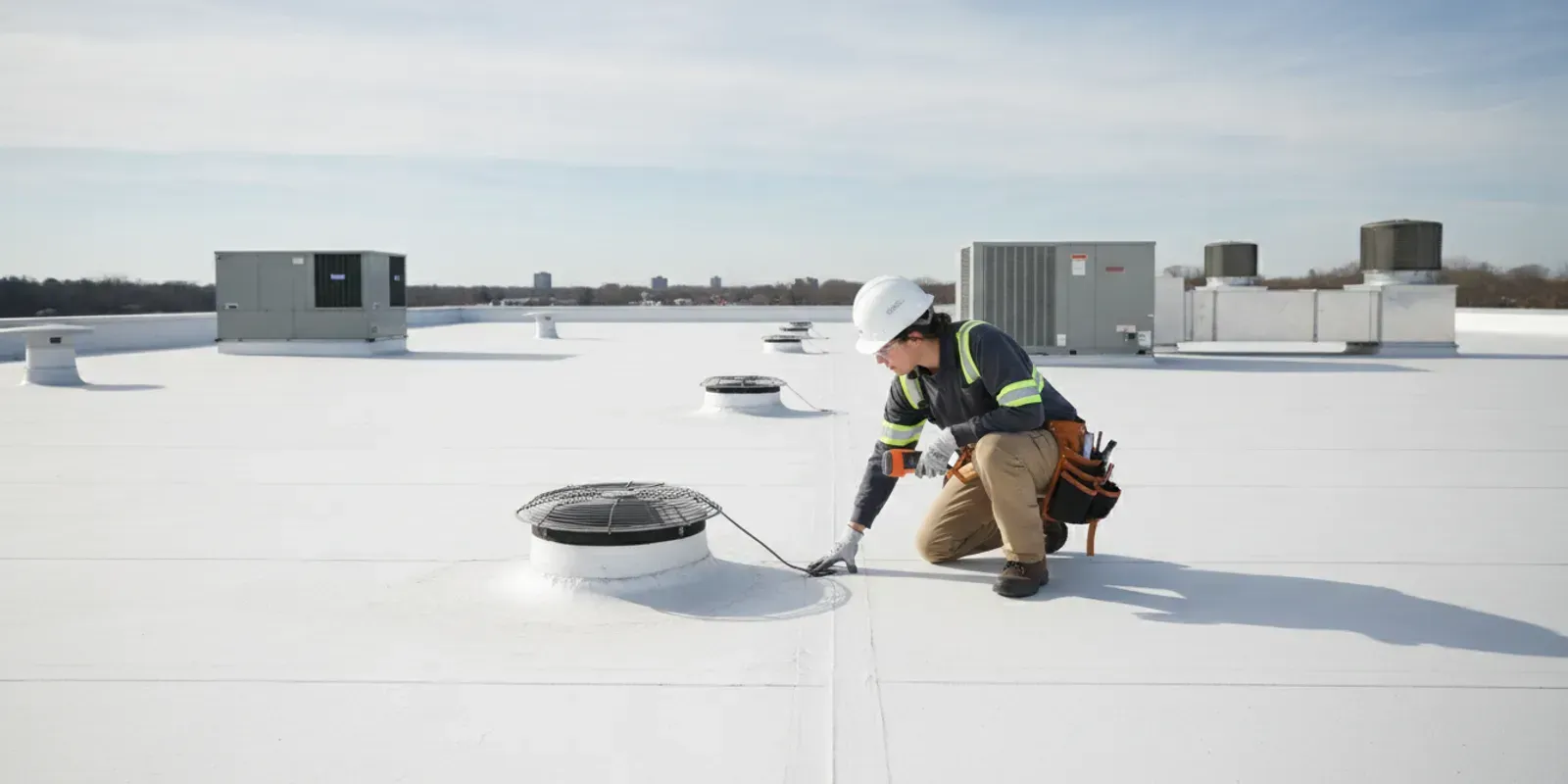
Plan professional roof inspections at least twice a year, typically in spring and fall. These visits can identify membrane wear, loose or damaged details, blocked drainage paths, and changes caused by seasonal weather. It is also wise to arrange an inspection after a significant storm, especially if wind-driven debris or fallen branches may have reached the roof.
Keep drainage paths and roof surfaces clear
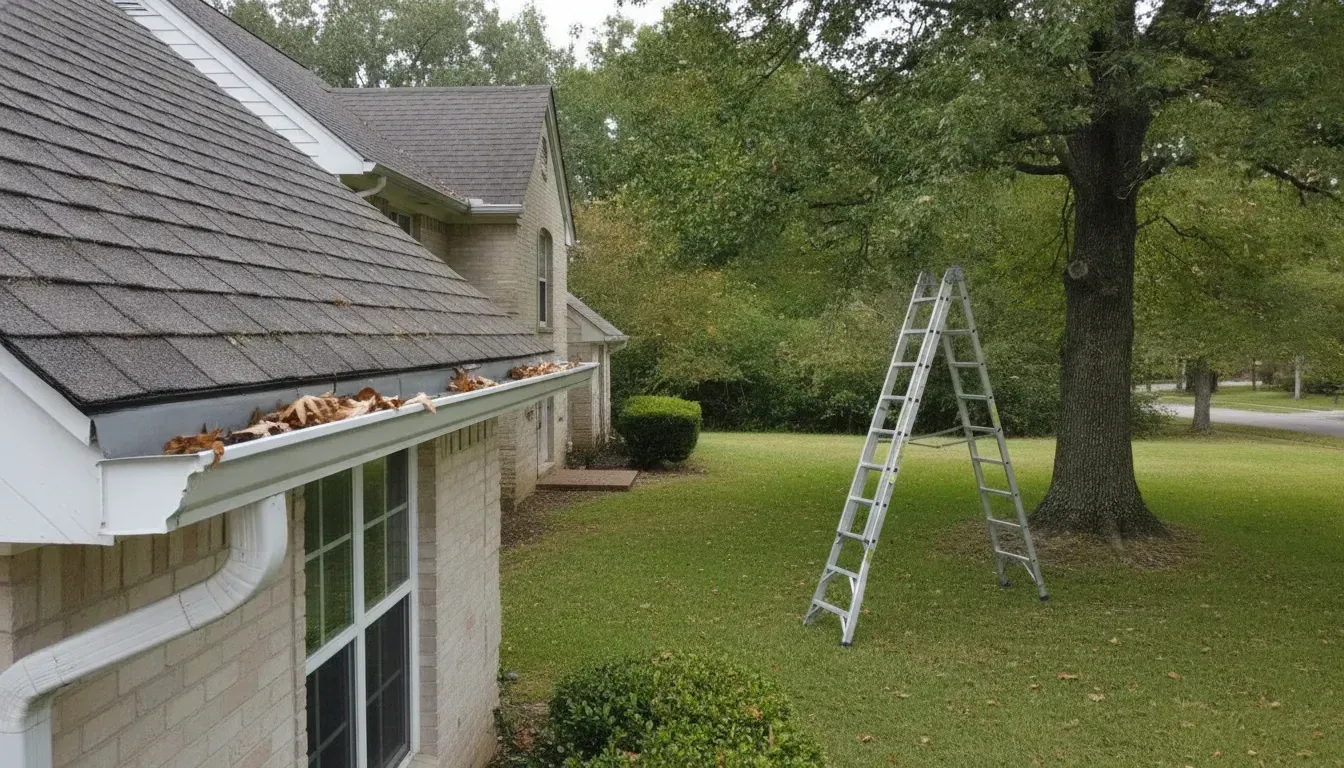
Leaves, branches, dirt, and other debris can collect around drains and scuppers, slowing water removal. Have these areas cleared as part of routine maintenance, and look for standing water after rainfall. Vegetation or organic growth should also be removed from the roof surface before roots or persistent moisture contribute to damage.
Check flashings, seams, and high-traffic areas
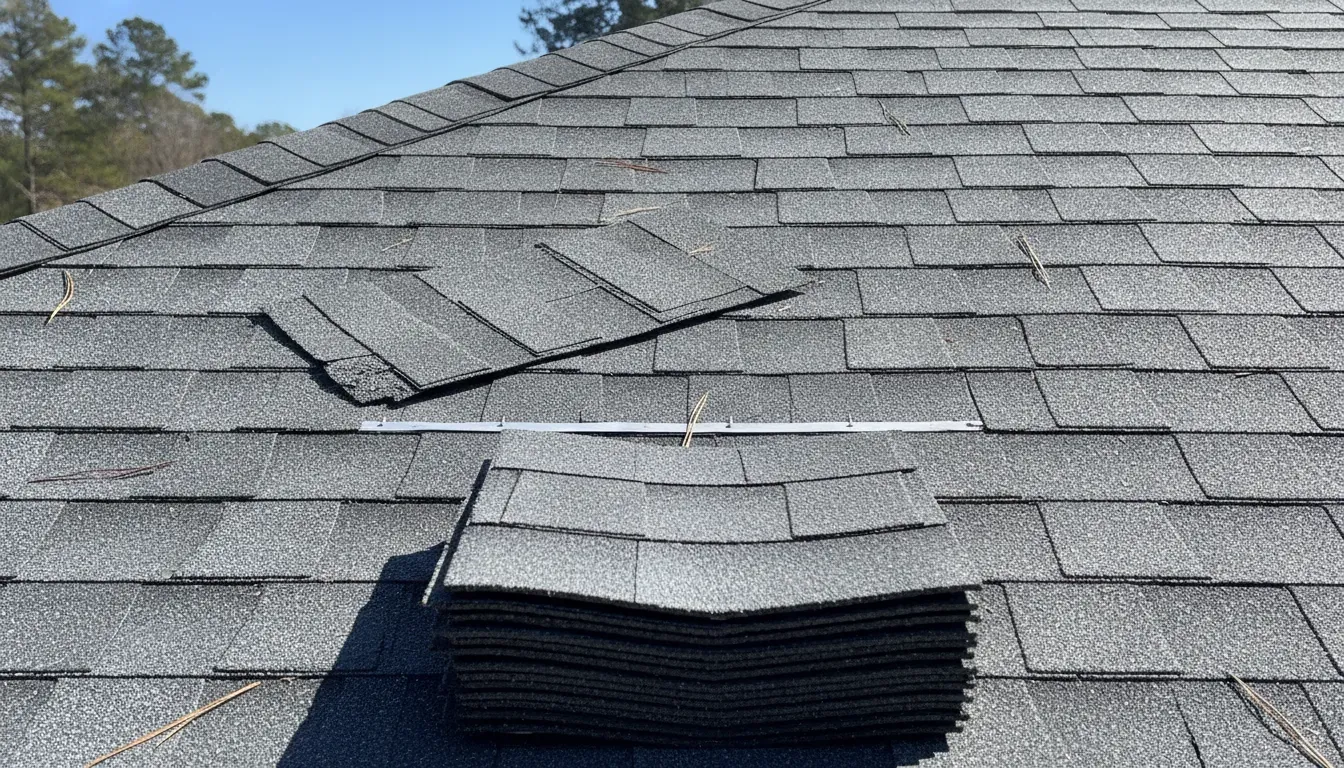
After storms, pay particular attention to flashings and termination bars. These details help secure the membrane at edges, walls, and transitions. Punctures and seam separations should be addressed early by a qualified roofing professional rather than covered with an improvised patch. Early repairs can help prevent a localized defect from becoming a broader moisture problem.
Where technicians, HVAC workers, or other vendors regularly cross the roof, consider installing walk pads. A defined walking surface helps protect the membrane in high-traffic areas and makes access routes easier to manage during future service visits.
Review warranty coverage and maintenance records
Keep inspection reports, repair receipts, photographs, and warranty documents together. Quality TPO installations should include both material and workmanship warranties, so confirm what each warranty covers, how long it lasts, and whether maintenance documentation is required. A clear record also gives contractors useful context when evaluating a future concern.
Questions to Ask Before Hiring a TPO Roofing Contractor in Atlanta
The right contractor can make the difference between a TPO roof that performs for decades and one that needs early repairs. Before you compare proposals, ask questions that reveal the contractor's experience, installation process, and accountability after the project is complete.
Experience, credentials, and warranties
Start by asking, "How long have you installed TPO specifically?" General roofing experience is useful. But TPO installation requires its own knowledge of membrane seams, heat-welded details, flashing, drainage, and manufacturer requirements. Ask for recent commercial projects similar to yours, including the building type, roof size, and installation date.
Ask which manufacturer certifications the contractor holds and whether the proposed system qualifies for the manufacturer's warranty. It is also reasonable to ask how long the membrane manufacturer has produced TPO. Industry guidance recommends choosing a manufacturer with at least 10 years of TPO production experience. Review the available manufacturer information and request the exact warranty documents before signing.
Do not accept a vague promise that the roof is "under warranty." Ask what the material warranty covers. How long it lasts, what exclusions apply, and who handles a claim. Then ask about the workmanship warranty, including coverage for seam failures, flashing defects, and installation-related leaks. Quality installations should include both material and workmanship warranties. A qualified commercial roofing contractor should explain these terms in plain language.
Installation methods and project management
Ask whether the contractor's own employees will install the roof or whether the work will be subcontracted. If subcontractors are involved, confirm who supervises them, who carries insurance, and who remains responsible for warranty claims. Total Roof Solutions is licensed and insurable, with more than 16 years of experience and specialization in TPO and modified bitumen systems.
Ask, "What membrane thickness do you recommend, and why?" The answer should connect the specification to your building's use. Foot traffic, exposure, and budget rather than defaulting to the cheapest option. Also ask what attachment method the proposal uses, such as mechanically attached, adhered, or induction-welded, and why it suits the existing deck and wind conditions.
Finally, ask how the crew will detail penetrations, curbs, drains, parapets, and roof edges. These transitions deserve clear drawings or specifications, not assumptions. Request a written timeline showing preparation, installation, inspections, weather contingencies, cleanup, and final walkthrough. A transparent schedule makes it easier to protect tenants, inventory, and daily operations while the work is underway.
Frequently Asked Questions
How much should a TPO roof cost in Atlanta?
There is no reliable one-size-fits-all price. The total depends on roof size, membrane thickness, insulation, tear-off requirements, access, drainage conditions, and the amount of preparation needed. A commercial roof inspection and itemized proposal are the best way to compare scope, materials, warranties, and expected project costs.
What thicknesses are available for TPO roofing membranes?
TPO membranes are commonly available in 45-mil, 60-mil, and 90-mil thicknesses. The right choice depends on the roof's exposure, traffic, expected service life, and budget. A qualified contractor can explain the trade-offs instead of treating the thickest option as the automatic answer.
What warranties should I look for with TPO roofing in Atlanta?
Ask for both a material warranty from the manufacturer and a workmanship warranty from the installing contractor. Review what each warranty covers, its duration, maintenance requirements, exclusions, and the process for reporting a problem. Quality installations should include both material and workmanship warranties.
How does TPO roofing affect commercial energy efficiency?
Reflective TPO can reduce the solar heat transferred into a building, which may lower air-conditioning demand and HVAC energy use. The EPA explains that cool roofs use less air conditioning and can improve indoor comfort in warm conditions: EPA cool-roof guidance. Actual savings depend on insulation, HVAC equipment, building use, and overall roof design.
How long should a TPO manufacturer have been producing the membrane?
When comparing proposals, ask how long each manufacturer has produced TPO and what technical support is available for the system. A common recommendation is to choose a manufacturer with at least 10 years of TPO production experience. Also confirm that the installer follows the manufacturer's specifications and can document the complete roof assembly.
Ready to Schedule Your Commercial Roof Inspection?
A professional inspection can help you make a clearer plan for maintaining or replacing your commercial TPO roof. Our team can review your roof's current condition and discuss practical next steps for your Atlanta property. To schedule a free commercial roof inspection, contact our team through our website.