How to Repair a Metal Roof Leak Without Guesswork
MEGA MEGA • November 26, 2026
Learn how to respond to a metal roof leak, spot common trouble areas, understand repair options, and know when to call a roofing professional.

A metal roof leak can show up indoors far from the opening that lets water in. If you are trying to understand how to repair a metal roof leak, begin by containing the water and documenting what you can see from a safe place. A quick patch on the apparent drip point may not address the cause, especially when panels, fasteners, or flashing are involved.
Request a roof repair assessment
What should you do first when a metal roof leaks?
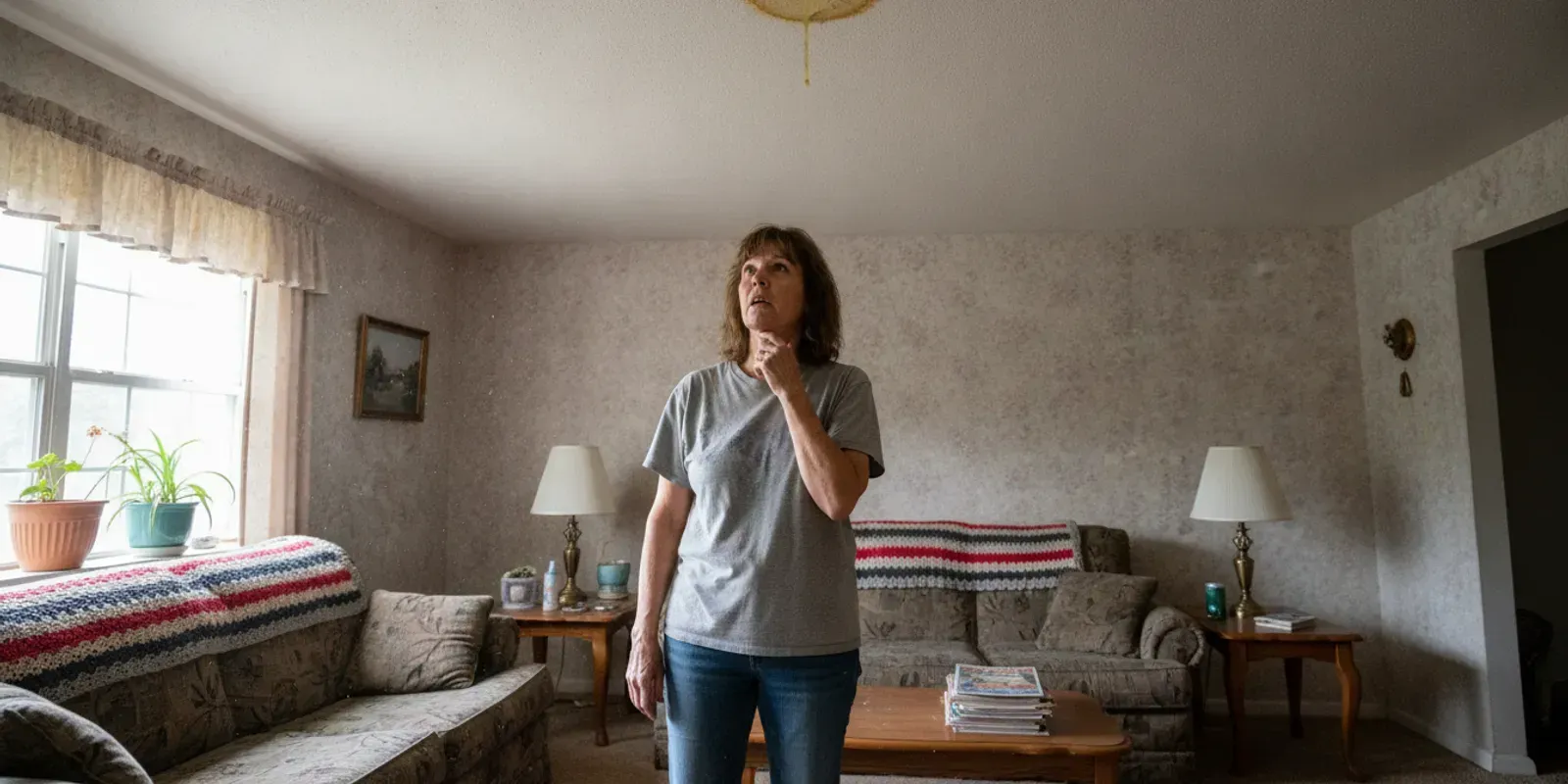
Protect people and belongings before attempting to diagnose the roof. Water and electricity are a dangerous combination, and a wet ceiling can fail without much warning. Do not climb onto a wet, steep, or unfamiliar roof to look for a leak.
- Keep people away from the leak area. If the ceiling is sagging, bulging, cracking, or making sounds, leave the room and do not poke or press it. A water-filled ceiling can collapse.
- Move belongings if it is safe. Place a bucket under a steady drip and use towels to limit damage. Avoid standing beneath a visibly swollen ceiling.
- Consider electrical hazards. If water is near a light, outlet, appliance, or wiring, do not touch wet fixtures or switches. Keep clear and contact a qualified electrician or emergency services if there is immediate danger.
- Record what is happening. Note when the leak began, whether rain or wind was present, and whether the flow changes. Take photos of interior staining and water if safe to do so.
- Arrange a roof assessment. A roofing professional can trace the path and examine roof components without relying on a patch at the indoor drip point.
For general fall and worksite safety information, consult the U.S. Occupational Safety and Health Administration. A roof can be slippery, fragile, steep, or unsafe to access, even when it appears dry from the ground.
If water is entering actively, protect the interior and contact a roofer promptly. A temporary indoor collection plan is not a roof repair. Avoid spreading sealant, roofing cement, or tape across a panel as a first response; products and application methods that do not suit the roof can complicate later diagnosis and may not stop water moving under a seam.
Why can a metal roof leak away from the visible stain?
Water can travel along the underside of a roof panel, a support, or another surface before it reaches the ceiling. It may follow a slope or framing member and emerge at a seam, fastener, wall, or opening some distance from the entry point. The location of an indoor stain is useful evidence, but it is not proof of the roof opening directly above it.
Rain direction and wind can also affect where water enters. A leak that appears only during wind-driven rain may involve a detail that stays dry in a calm shower. The age and installation of the roof, past repairs, roof pitch, and the transition to walls or other roof sections can all influence the path.
This is why a useful diagnosis follows the path of water instead of treating the visible stain as the source. If you are also dealing with a leak in another roof type, this overview of roof leak repair explains why tracing the cause matters before selecting a repair.
Which parts of a metal roof commonly need attention?
A metal roof is a system of panels and details. The exact construction varies, so a repair that suits one roof may not fit another. These are common areas a professional may examine.
Panel seams and overlaps
Panels meet at seams or overlaps, and water control depends on the roof design and the condition of those joints. A seam can be affected by movement, damage, poor alignment, or a seal that has deteriorated. Look for visible separation or distortion only from the ground or another safe location. Do not pull at an edge or try to force a panel back into place.
Fasteners and washers
Some metal roofs use exposed fasteners. The fastener and its washer help secure the panel and seal the opening. A loose, damaged, missing, or corroded fastener can be a point of concern, but a fastener should not simply be tightened without understanding the roof system. Over-tightening can deform the panel or damage the washer; using an unsuitable replacement can create a new problem.
Other metal roof systems conceal their fasteners. In that case, inspecting exposed screws alone will not reveal the full condition. Roof type and installation details matter when choosing how to investigate.
Flashing around roof openings and transitions
Flashing directs water around features such as vents, chimneys, skylights, walls, and changes in roof plane. A gap, damage, or failed connection at one of these transitions can let water in. The detail may involve more than a bead of sealant; it needs to work with the adjoining roof materials and allow for movement as designed.
If the suspected source is around a skylight, use a focused diagnosis rather than assuming the glass itself is the cause. The guide to skylight leak repair covers the different parts that may need to be checked.
Edges, valleys, and wall connections
Roof edges and valleys manage water moving down or across the roof. Connections where a roof meets a wall or another roof section can also be vulnerable if flashing or drainage is compromised. Debris, displaced components, or previous work can change how water moves in these areas. Do not remove roof parts or debris from a ladder; an unstable ladder or a sudden shift in footing can cause a serious fall.
Damage from weather or previous work
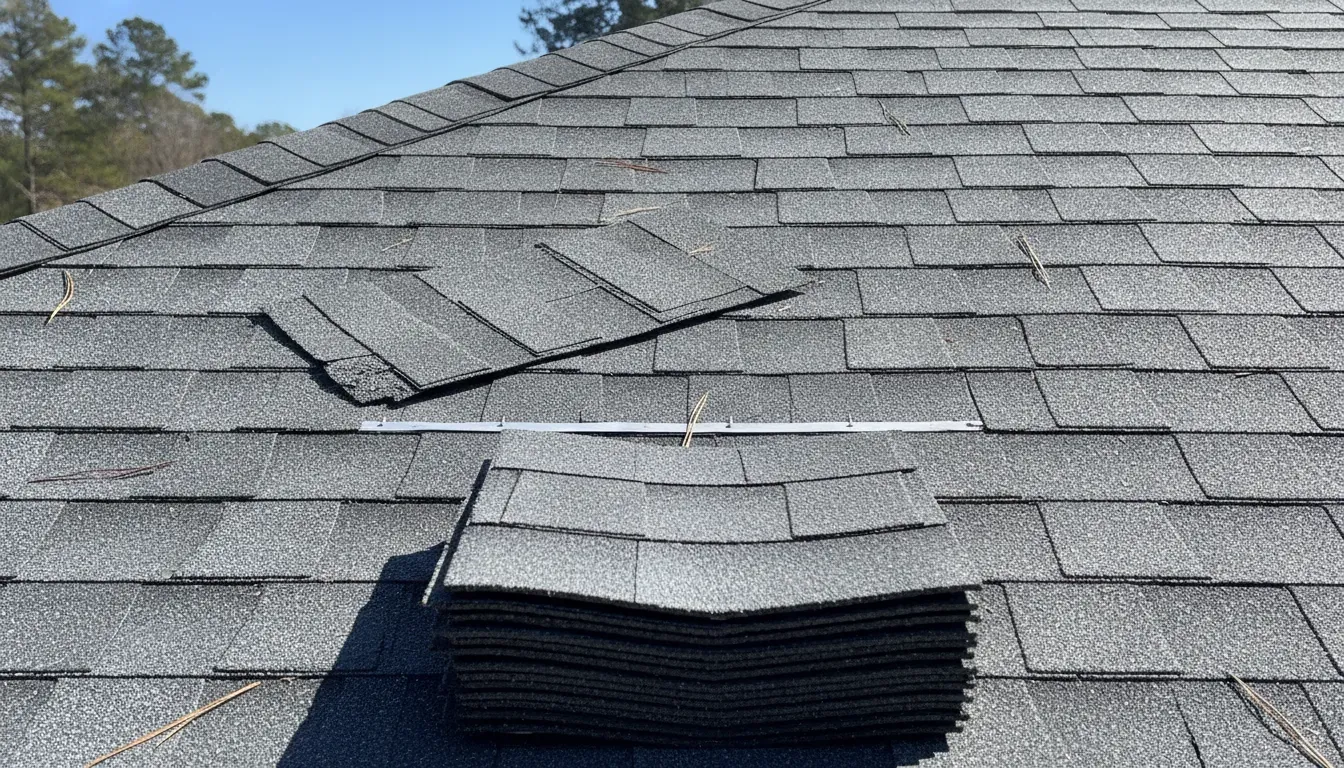
Wind-blown debris, hail, falling branches, foot traffic, or work by another trade may leave dents, punctures, lifted edges, or damaged coatings. A dent does not always mean the roof is leaking, and a leak does not always leave an obvious hole. Note any recent storm or work on the roof and share that timeline during the assessment.
How should a professional inspect a suspected metal roof leak?
A sound assessment starts with the history of the leak and the roof's construction. The roofer should ask when the water appears, which rooms are affected, whether the leak changes with wind direction, and whether the roof has had prior repairs. Photos, dates, and notes can help narrow the investigation.
From a safe vantage point, the inspector can consider roof slopes, penetrations, panel joints, fasteners, flashing, drainage, and signs of damage or previous patching. The interior may also provide clues about how water traveled. The inspection should not rely solely on the ceiling stain or assume that every roof uses the same panel and fastening system.
Ask what was found, what evidence supports the suspected source, and whether the proposed work is a temporary measure or a lasting repair. The scope should identify the affected area and components, the work to be completed, and any conditions that could change the scope once the roof is opened or cleaned. If multiple likely sources remain, ask how the contractor will distinguish them.
For residential roof work, you can review the company's residential roofing information and discuss the specific roof with the contractor. Total Roof Solutions provides roofing services in McDonough and surrounding Georgia areas. A roof assessment should be based on the property and the observed conditions, not a blanket promise that one sealant or repair works for all metal roofs.
Can you patch a metal roof leak yourself?
In most cases, roof access and repair are best left to a qualified professional. Metal panels can be slick, sharp-edged, or unstable underfoot, and the risk is not limited to steep roofs. An inexperienced person may also damage a panel, compromise a seam, or cover evidence without fixing the underlying issue.
Do not climb a ladder or roof during rain, wind, lightning, or when the surface is wet. Do not walk on panels to search for a leak. Even a roof that looks sturdy can have unsupported sections or openings that are difficult to see. Leave inspection and repair to someone equipped to assess access and the specific roof system.
If a contractor recommends a patch, ask what material will be used and how it is compatible with the panel and existing finish. Ask whether the repair addresses the source or only limits water temporarily. A sealant may be appropriate in a particular detail, but applying a generic product over a seam or fastener is not a universal fix. The correct approach depends on the roof design, the condition of the surrounding material, and the cause of the leak.
When a leak follows storm damage, a roofer may also need to assess whether other roof areas were affected. Total Roof Solutions offers roof repair advice for Georgia property owners and handles roof repair work. Share what you saw and avoid making a risky climb to gather close-up photos.
What can make a metal roof repair more involved?
The visible symptom may be small while the repair area is not. If water has reached insulation, roof decking, or interior finishes, those materials may need separate attention after the entry point is corrected. A roof assessment should distinguish between stopping water at the roof and addressing damage below it. Ask the contractor to explain which items are included in the proposed scope and which would be handled separately.
Access and roof layout can also affect the work. A roof with several slopes, wall transitions, penetrations, or interconnected sections may require checking more than one detail. The leak could involve a joint or flashing assembly that cannot be assessed by looking at a single fastener. If the roof has multiple materials or previous repairs, make sure the person assessing it knows what is original and what has been changed, if you have that history.
Repair materials must be compatible with the existing roof. Metal type, finish, panel profile, and the condition of adjacent components can influence the method and materials selected. That is one reason not to layer an unverified sealant over a suspected opening. A repair should be planned for the actual assembly, with attention to how water drains and how connected components move or meet.
Ask the roofer to separate confirmed findings from possibilities. For example, a visible damaged flashing edge may be a finding, while the exact route water took inside the roof can remain uncertain until the area is opened or observed under appropriate conditions. Clear communication helps you understand the work without suggesting certainty that an inspection cannot support.
What information helps get the right repair?
A clear description helps the contractor prepare for the conversation. You do not need to identify the exact roof defect. Provide what you know and let the professional verify the source.
- Leak timing: When did you first notice water? Does it happen in every rain or only in heavy or wind-driven rain?
- Interior location: Which room, wall, or ceiling area is affected? Are there stains in more than one place?
- Recent events: Was there a storm, fallen branch, installation, or other work before the leak appeared?
- Roof details: If known, share the approximate roof age, panel type, and any previous repairs. Do not climb up to find out.
- Safe documentation: Take photos from inside or from the ground, and keep them with dates. Do not stand beneath a sagging ceiling to photograph it.
When comparing proposals, check that each one addresses the same area and describes the work in understandable terms. A low price for a surface patch is not directly comparable to a proposal that includes removing or replacing damaged components. Clarify exclusions, access needs, cleanup, and how additional concealed damage would be discussed before work proceeds.
If the roof needs broader work beyond a targeted repair, the contractor can explain whether repair or replacement should be considered. This guide to the roofing process describes the kinds of decisions involved in roof work. The right choice depends on the actual condition of the roof, not the material label alone.
What should a roof repair proposal explain?
A written proposal should make it possible to understand what the roofer plans to do. Check that it identifies the roof area and components involved, describes the repair work, and states what is not included. If the assessment found more than one possible entry point, ask whether the price covers investigating each one or only the first area identified. Clarify how the contractor will discuss added work if concealed damage changes the scope.
Ask what materials are planned and whether the work is intended as a temporary measure or a repair to the diagnosed condition. If access, weather, or the roof's construction could affect timing, ask how those factors will be handled. You do not need to choose a technical method without guidance, but you should understand the purpose of the recommendation and the limits of the scope.
Keep repair terms and any warranty information with the estimate and final paperwork. Workmanship-warranty terms can differ by project, so review the specific terms provided with the estimate rather than assuming one standard duration or coverage applies to every roof. Ask who to contact if water returns and what information will help the contractor respond.
Clear paperwork also helps you compare alternatives fairly. If one proposal covers a specific flashing repair and another covers a broader area, ask the contractors to explain the difference in findings and scope. Compare the work being offered, not only the total amount. A careful comparison keeps the decision tied to the roof's condition and the proposed solution.
How can you reduce the chance of another leak?
After the repair, ask what was corrected and whether the roofer recommends any follow-up. Keep the proposal, invoices, photos, and notes about the leak together. If water returns, record when it happens and let the contractor know whether the location or conditions have changed. That information can help determine whether the original source remains, a separate area is involved, or the roof needs further evaluation.
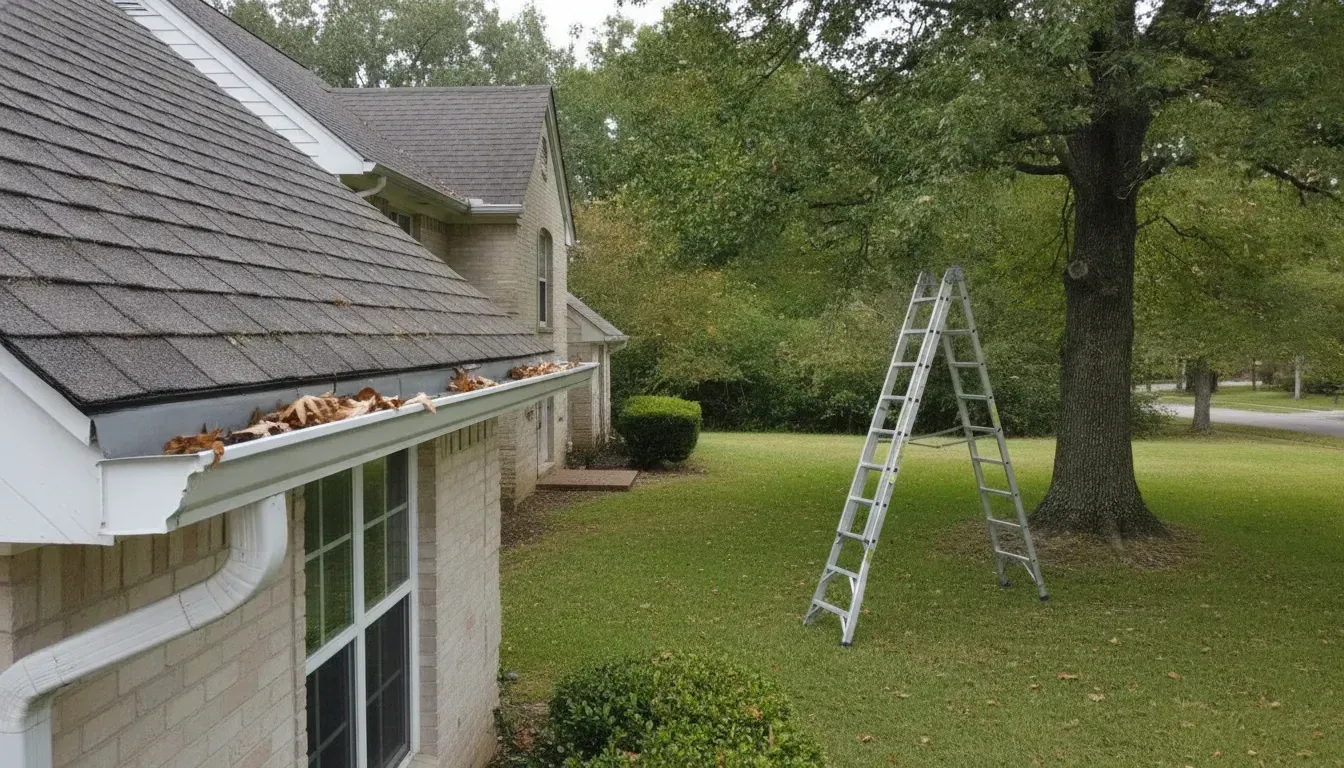
Keep gutters and drainage paths clear through safe, appropriate maintenance. Water that cannot drain as intended may affect roof edges and adjoining details. Do not climb onto the roof or lean a ladder against a gutter to clean it if you are not equipped and comfortable doing the work safely. The article on cleaning gutters safely before a storm outlines safer planning and when to hand the task to a professional.
Do not assume a roof is leak-free just because an indoor stain dries. Check the area after future rain from a safe interior location, and report new moisture promptly. Early documentation is more useful than waiting for a small stain to spread.
When should you request a roof repair assessment?
Contact a roofing professional when water is actively entering, a leak returns after a temporary measure, you see interior damage, or you suspect a panel, fastener, seam, or flashing issue. Treat a sagging ceiling, electrical exposure, or unstable roof access as a safety concern first. Do not attempt to confirm the source by walking the roof.
Total Roof Solutions serves McDonough and surrounding Georgia communities with roof repair and replacement services. If you are in the service area, use the free roof estimate page to start a conversation about the property and its condition. For a leak that needs attention, the metal roof leak service page is a route to discuss a professional assessment.
Call Total Roof Solutions about a roof leak
Frequently asked questions
Can a metal roof leak only during heavy rain?
Yes, a leak may appear only under certain rain or wind conditions. The conditions can help a roofer investigate, but they do not identify the source by themselves. Record when the leak occurs and share the details.
Does a ceiling stain show where the roof is leaking?
Not necessarily. Water can travel along roof components or framing before it reaches the ceiling. The stain is an important clue, but the roof needs to be assessed to trace the water path.
Should I put roofing cement over a metal roof seam?
Do not treat roofing cement as a universal solution. The product and method need to suit the roof's design and the actual source of water. An unsuitable patch can conceal the problem or complicate a later repair.
What should I do if the ceiling is bulging?
Keep people out of the room and do not touch or puncture the ceiling. A bulge may contain water and could fail. If water is near electrical fixtures, keep clear and seek appropriate professional help.
What is the safest next step?
Contain water indoors only if it is safe, keep people away from damaged ceilings, and document the timing and visible effects without climbing onto the roof. A professional can evaluate the panels, fasteners, seams, and flashing together and recommend a repair based on the actual source.