Roof Insulation in Georgia: What Homeowners Should Know
MEGA MEGA • November 25, 2026
Learn how roof insulation, attic ventilation, and moisture control work together in Georgia homes, what to check, and when to seek an assessment.

Roof insulation can help limit heat flow between your living space and the attic, but it is only one part of a home's thermal and moisture-control system. In Georgia, hot, humid weather and periods of heavy rain make it useful to consider insulation alongside air leaks, ventilation, roof condition, and indoor humidity. This guide explains what to look for and how to decide what kind of assessment may be appropriate.
Talk with Total Roof Solutions about your roof
What does roof insulation do?
Insulation slows the movement of heat through the ceiling and roof assembly. In warm weather, it can reduce the rate at which attic heat moves into rooms below. During cooler weather, it can help keep indoor heat from escaping upward. The result depends on the whole assembly, how the insulation is installed, and whether air can bypass it through gaps.
Homeowners often use “roof insulation” to mean insulation in the attic. In many houses, the thermal boundary is at the attic floor, above the ceiling. In other designs, insulation follows the roof slope and the attic is intentionally included inside the conditioned space. Those arrangements work differently. Before adding material, it is important to identify where the home's thermal boundary is meant to be and whether the attic is vented or unvented.
Insulation does not repair a roof leak, stop rain from entering, or correct every uncomfortable room. It also does not replace ventilation or air sealing. A useful starting point is the ENERGY STAR explanation of air sealing and insulation, which discusses those measures together when describing energy savings. The key practical point is that gaps and bypasses can affect how well insulation performs.
Why consider insulation and roofing together in Georgia?
Georgia homes experience long warm seasons, humidity, and occasional cold spells. A poorly insulated ceiling may let attic heat affect the rooms below, while drafts and air leaks can make temperatures feel uneven. Yet adding insulation without checking the building conditions can leave other problems untouched, or complicate access to a leak, wiring, or ventilation opening.
Moisture deserves particular attention. Water may enter from a damaged roof, while indoor moisture can move into attic spaces through air leaks. Condensation can occur when warm, humid air meets a sufficiently cool surface. The exact cause depends on the house, weather, and assembly; a damp-looking area alone does not identify the source. A roof leak, a plumbing issue, condensation, or another source may call for different repairs.
Roofing and insulation are connected, but they are not interchangeable scopes of work. A roofer can assess visible roof components and roof-related concerns, while insulation levels, air leakage, and indoor moisture may also require an insulation or building-performance professional. Total Roof Solutions provides residential roofing services, including residential roof repair and replacement. Ask what the visit will cover before scheduling, especially if your main concern is insulation rather than a roof defect.
What should you check before adding insulation?
Start with the symptoms and the condition of the attic, if it can be viewed safely. Do not climb onto the roof or step onto an attic ceiling. If access is difficult, the space is hot, or there are exposed wires, pests, or other hazards, leave the inspection to a qualified professional.
- Uneven room temperatures: Note which rooms feel too warm or cool and when the difference occurs. Record whether the issue is seasonal or present all year.
- Visible gaps: From a safe access point, look for obvious openings around attic access doors, pipes, or wiring. Do not move insulation or seal anything around heat-producing fixtures without knowing the required clearances.
- Insulation condition: Note whether material appears thin, displaced, compressed, wet, dirty, or disturbed. Avoid handling unknown material. A professional can identify what is present and whether it should remain.
- Signs of water: Look for staining, damp materials, active drips, or visible daylight at roof penetrations. A stain can remain after an old leak, so it does not by itself prove that water is still entering.
- Ventilation openings: If visible from a safe location, note whether vents appear blocked. Do not assume that adding a vent or opening one will solve a moisture issue; ventilation needs to fit the attic design.
- Recent work: Gather details about roof repairs, insulation upgrades, bathroom fan changes, or other work. These can help a professional understand what changed and when.
Take notes and photographs from safe, accessible locations. Keep them focused on observations rather than conclusions. For example, “dark stain under the north-side roof slope after heavy rain” is more useful than deciding that the insulation is the cause. If you suspect active water entry, address the roof or plumbing source before covering the area with additional insulation.
How do insulation, air sealing, and ventilation differ?
These measures have related goals, but each does a different job. Insulation slows heat transfer. Air sealing closes unintended pathways that allow air to move through gaps. Ventilation moves air through a designed route, when the attic assembly is intended to be vented. A sound plan considers how the pieces work together rather than treating one as a substitute for all the others.
Insulation
Insulation works best when it is continuous and installed as intended for the material and location. Gaps, compression, or areas that are moved aside can reduce coverage. The right amount and placement depend on the home's construction and local requirements; a simple visual glance may not show what is below the surface.
Air sealing
Air leaks can occur at openings around pipes, wiring, attic hatches, and framing transitions. Sealing them can reduce uncontrolled air movement, but it must be done with attention to fire safety, moisture pathways, and required clearances. Some openings are intentional or need special treatment. Do not seal attic ventilation openings as though they were ordinary gaps.
Ventilation
In a vented attic, intake and exhaust openings are part of a planned airflow path. Insulation that blocks an intake opening, or a poorly placed addition, can interfere with that path. More ventilation is not automatically better, and venting is not a fix for a roof leak or an indoor humidity source. An unvented roof assembly has different design requirements and should not be altered using advice intended for a vented attic.
When planning a change, ask the professional to explain the attic type, the location of the thermal boundary, and how the proposed work affects air movement and moisture. If roof work is also needed, coordinate the timing so the source of any water entry is addressed and the insulation plan is not based on a wet or damaged assembly.
Which insulation materials might a homeowner encounter?
Common attic insulation types include fiberglass batts or loose-fill, cellulose loose-fill, and spray foam. The material name alone does not determine whether a system is suitable. Installation quality, the location of the air barrier, existing wiring and fixtures, attic access, moisture conditions, and the roof design all matter.
Fiberglass batts and loose-fill
Fiberglass may be installed in batts or as loose-fill. Batts need to fit the space without being compressed or leaving uncovered gaps. Loose-fill can cover irregular areas, but it still needs even depth and should not block the attic's designed ventilation path or cover components that must remain accessible. Follow product and safety instructions; do not disturb material that could contain contaminants.
Cellulose loose-fill
Cellulose is another loose-fill option. As with other materials, the installation needs to suit the space and account for air leakage, moisture, and ventilation. If it has become wet or settled unevenly, find out why before topping it up. Covering a persistent moisture source does not correct the cause.
Spray foam
Spray foam is applied in place and can serve particular roles in some assemblies. It can also change how the roof assembly manages air and moisture, so placement and design matter. Do not assume it is a simple add-on for every attic. Ask the installer to explain the intended assembly, ventilation approach, access to roof components, and any future inspection or repair considerations.
Ask for a written scope that identifies the material, the area to be treated, preparation work, and what is excluded. If more than one option is proposed, compare not only product names but also the location and continuity of the insulation, air sealing work, ventilation effects, and how the contractor will address any existing moisture or roof damage.
When should the roof be assessed before insulation work?
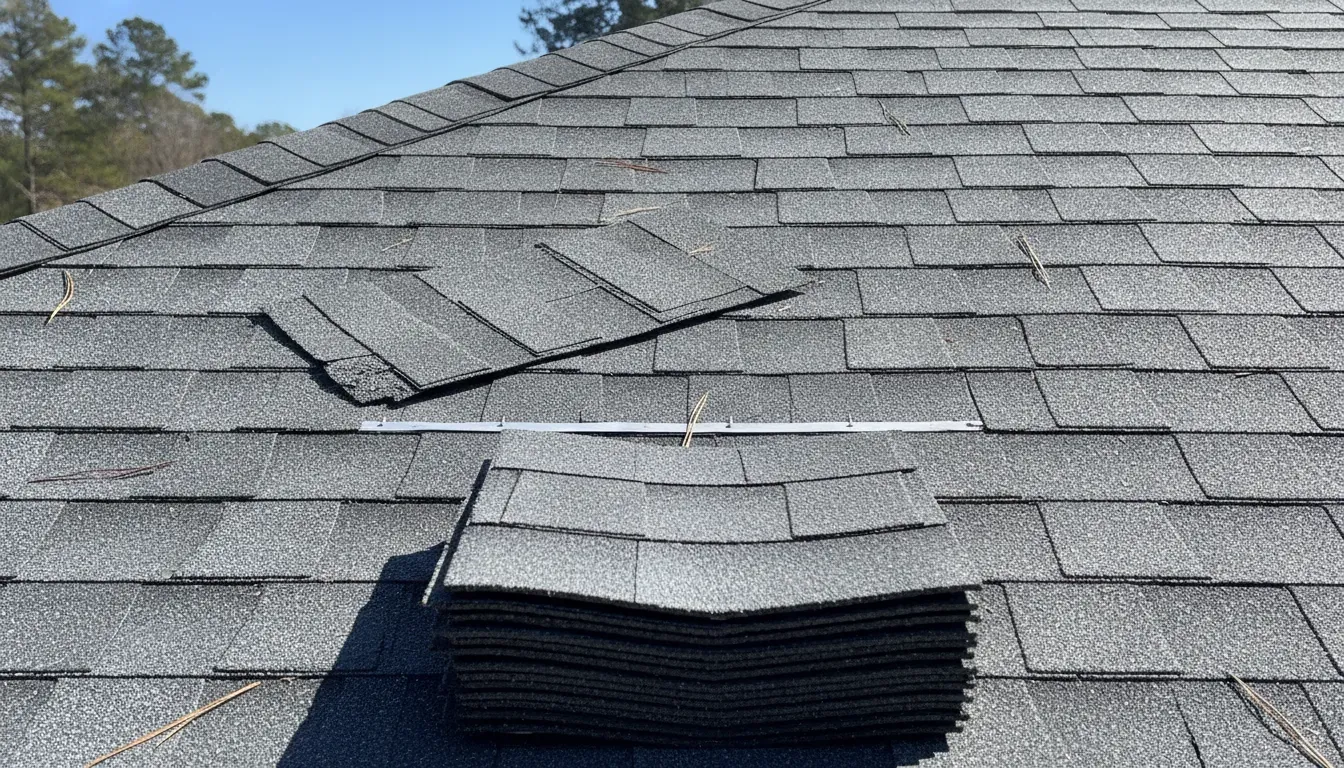
Resolve active roof problems before installing new insulation. A leak can wet insulation and materials around it, and covering a problem may make later observation harder. A roof assessment is also sensible when you see missing or damaged shingles, recurring stains after rain, loose flashing, or deterioration around roof penetrations.
For a suspected leak, note when it appears, which rooms are affected, and whether weather seems to trigger it. Protect belongings and contain water from a safe location, but do not climb a wet roof or enter an unsafe attic. The guide to what to do about a roof leak can help you think through immediate next steps. A roofing professional can evaluate roof components; an indoor moisture issue that does not correspond to roof conditions may need a different specialist.
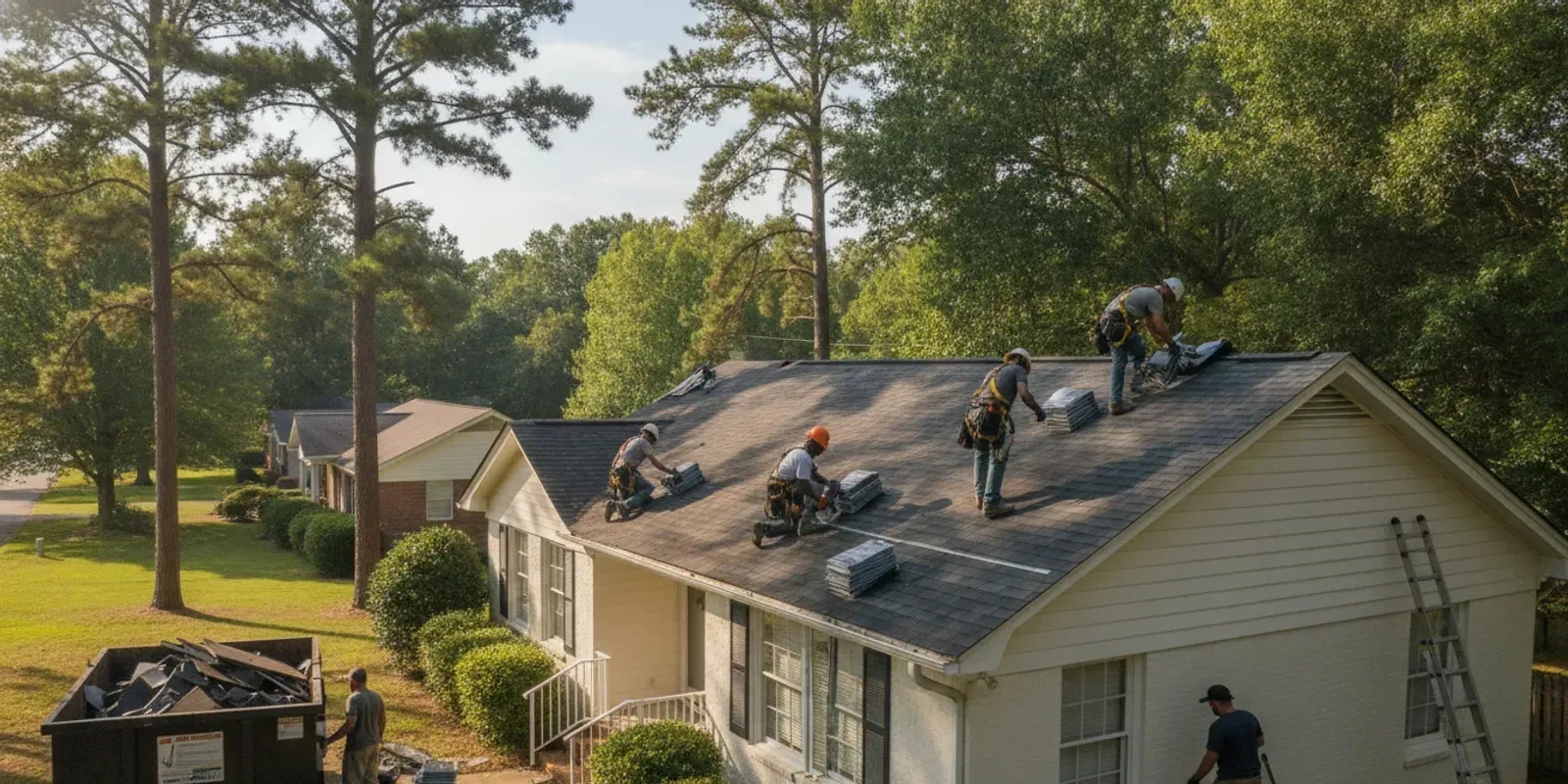
If the roof is near the end of its service life or you are already planning a project, consider the sequence before insulation work. Installing insulation first may make it harder to inspect the roof deck or complete related repairs. A contractor can explain whether roof work should come first based on the actual condition and planned scope. Total Roof Solutions' roofing process guide provides a general overview of what homeowners can expect during roofing work.
How can you interpret comfort and moisture clues?
Indoor symptoms can help you decide what to investigate, but they do not identify a specific defect by themselves. A warm second floor may relate to heat entering through the ceiling, but it can also reflect sun exposure, window performance, duct location, or HVAC balance. A room that feels drafty may have air leakage around windows or doors rather than an insulation problem above the ceiling. Write down the pattern and share it with the professional instead of assuming one cause.
Time of day and weather can add useful context. If a room becomes uncomfortable during sunny afternoons, note which side of the home it faces and whether blinds or shade change the feeling. If a stain appears only after wind-driven rain, record that detail and where it appears. If condensation is visible during a particular season, note the room, surface, and conditions. These observations do not replace an assessment, but they help narrow the questions that need answers.
Be cautious about using utility bills as a diagnosis. A change in energy use may reflect weather, thermostat settings, occupancy, equipment, or other changes, as well as insulation and air leakage. Compare similar periods when possible and look for patterns rather than treating one bill as proof. ENERGY STAR's guidance pairs air sealing and insulation because both can affect building performance; it does not mean that insulation alone will resolve every high bill or comfort complaint.
Moisture clues also need careful interpretation. A musty odor, dark mark, or damp patch is a reason to investigate, not a reliable way to tell whether the cause is roof water, plumbing, indoor humidity, or condensation. Avoid covering stains or wet areas with insulation before the source is identified. If moisture is widespread or indoor air quality is a concern, contact the appropriate building or environmental professional as well as a roofer when roof damage is suspected.
What questions should you ask a professional?
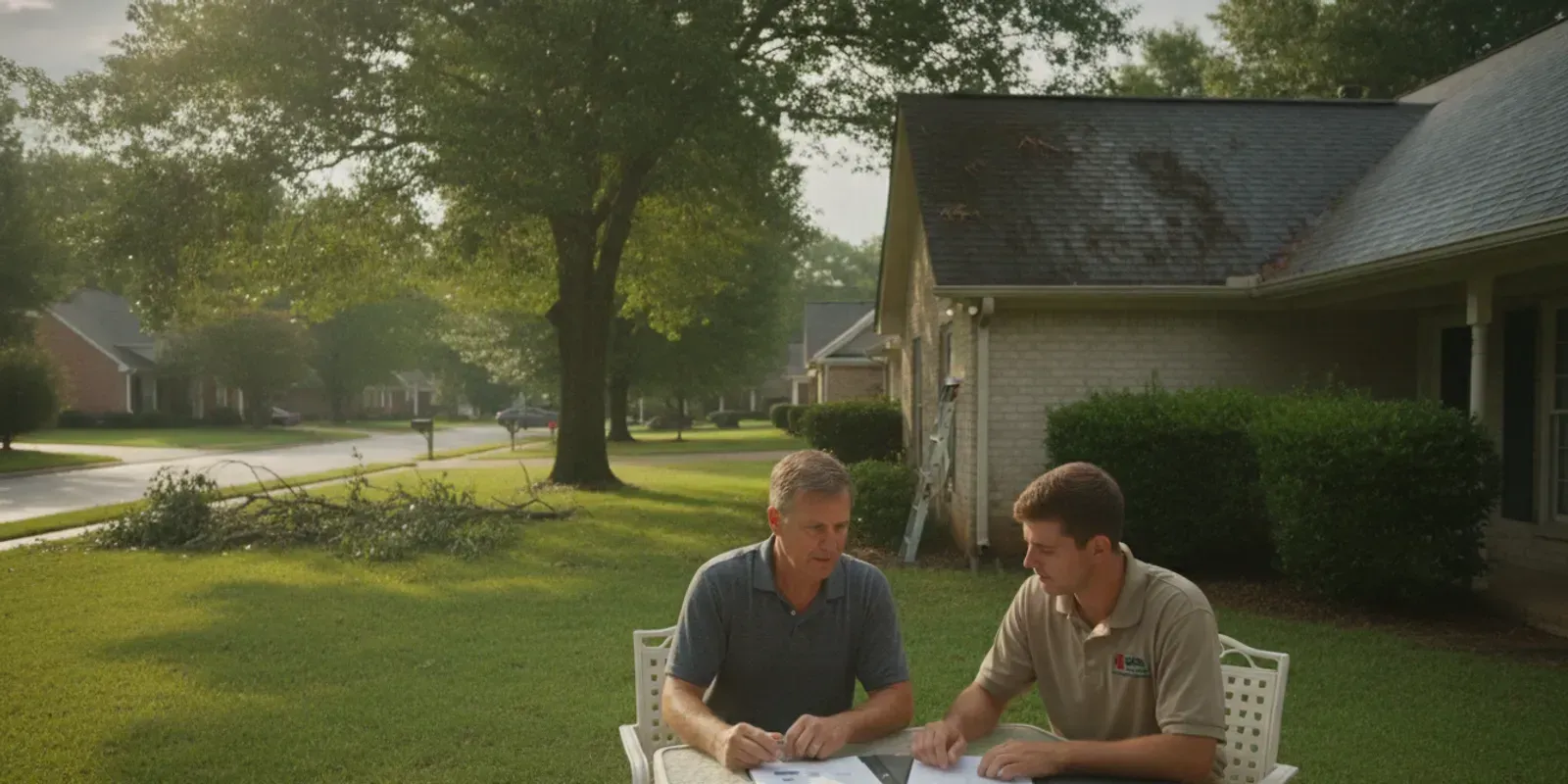
Clear questions help keep a recommendation tied to the house rather than a one-size-fits-all product pitch. Ask the person assessing the home to explain what they observed, what they did not inspect, and what needs further evaluation.
- Where is the home's thermal boundary, and is the attic intended to be vented?
- Is there evidence of active water entry, old water damage, condensation, or another moisture source?
- Are there air leaks or obstructions that should be addressed before adding insulation?
- What material and installation approach are proposed, and how will gaps or irregular areas be handled?
- How will the work preserve required clearances and avoid blocking designed ventilation paths?
- Will the work affect access to wiring, equipment, roof sheathing, or future roof repairs?
- What preparation, removal, cleanup, and follow-up are included in the written scope?
- Which concerns require a roofer, insulation installer, HVAC professional, or another specialist?
Ask for an explanation of any recommended repairs and how they relate to the symptoms you described. If someone recommends a major change, it is reasonable to request the reasoning in writing and understand what alternatives were considered. A roof repair or replacement estimate should describe the roofing scope; insulation work may need a separate scope from a qualified insulation contractor.
How can you plan the work in the right order?
A little coordination helps prevent one project from hiding an unresolved issue. The exact sequence depends on what the assessment finds, but these steps provide a practical framework.
- Describe the problem: Note room temperatures, visible stains, timing, and recent changes to the home.
- Check for water entry: Have suspected roof damage evaluated, and repair active leaks before insulating affected areas.
- Identify the attic design: Confirm whether the attic is vented or unvented and where the insulated boundary belongs.
- Address air leaks and obstructions: Have appropriate openings and clearances evaluated before material is added.
- Choose the scope and installer: Compare written plans for material, placement, preparation, and moisture or ventilation considerations.
- Verify the finished work: Ask what was completed and whether any conditions remain for a separate professional to address.
Not every home needs every step, and the order can vary. A sound recommendation should connect each proposed task to an observed condition or a clearly explained goal.
When is a professional assessment worthwhile?
Consider an assessment when rooms remain uncomfortable despite thermostat adjustments, insulation looks disturbed or wet, a roof leak has occurred, or you are planning a major roofing project. It is also worthwhile when you are unsure whether an attic is vented, or when different contractors suggest changes that seem to conflict.
Choose the right professional for the question. A roofing contractor can evaluate roof condition and roof-related water entry. An insulation contractor can assess insulation installation. Air leakage, ventilation, HVAC performance, and indoor humidity may require additional expertise. Before booking, state the concern and confirm which parts of the home and system the visit will assess.
For a roofing concern, Total Roof Solutions serves McDonough and surrounding Georgia areas and offers residential roof repair and replacement. You can review residential roofing services or learn about requesting a free roof estimate. An estimate for roofing work is not automatically an insulation assessment, so explain your priorities when you contact the office.
Contact Total Roof Solutions about a roofing concern
Frequently asked questions
Does adding attic insulation stop a roof leak?
No. Insulation does not repair damaged shingles, flashing, or other points of water entry. Identify and repair the source of water before replacing or adding insulation in an affected area.
Can insulation block attic ventilation?
It can if it is installed over or pushed into a designed opening. The correct arrangement depends on the attic design. Have the ventilation path identified before work begins, and do not block openings to address drafts or moisture symptoms.
Should I add more insulation if my attic looks thin?
Not based on appearance alone. First check for moisture, air leakage, uneven coverage, and the location of the home's thermal boundary. A qualified professional can assess the existing material and recommend whether additional insulation fits the assembly.
Can roof insulation make every room comfortable?
It may help reduce heat transfer, but room comfort can also depend on air leaks, windows, shading, ductwork, HVAC operation, and other factors. If one room is consistently uncomfortable, describe the pattern and ask for a broader evaluation rather than assuming insulation is the only cause.
What is the main takeaway?
Think of roof insulation as one part of a coordinated attic and roofing system. Check for water entry and safety concerns first, understand whether the attic is vented, and consider air sealing and moisture conditions before choosing materials. When a roofing issue is present, address that separately from insulation, and ask each professional to define the scope they can assess. A clear diagnosis and written plan can help you make a practical decision for your Georgia home.