Commercial Roof Repair: When Atlanta Businesses Need a Professional
MEGA MEGA • November 27, 2026
Learn how to spot commercial roof damage, limit disruption, document leaks, and decide when an Atlanta business should request a professional evaluation.

Commercial roof repair can be a small, localized response to damage or the first step in understanding a wider roofing problem. For Atlanta-area business owners, the practical question is not only where water appears; it is what condition allowed it in, how quickly the area needs attention, and what work will reduce risk without creating avoidable disruption.
Discuss a commercial roof concern
What signs suggest a commercial roof needs attention?
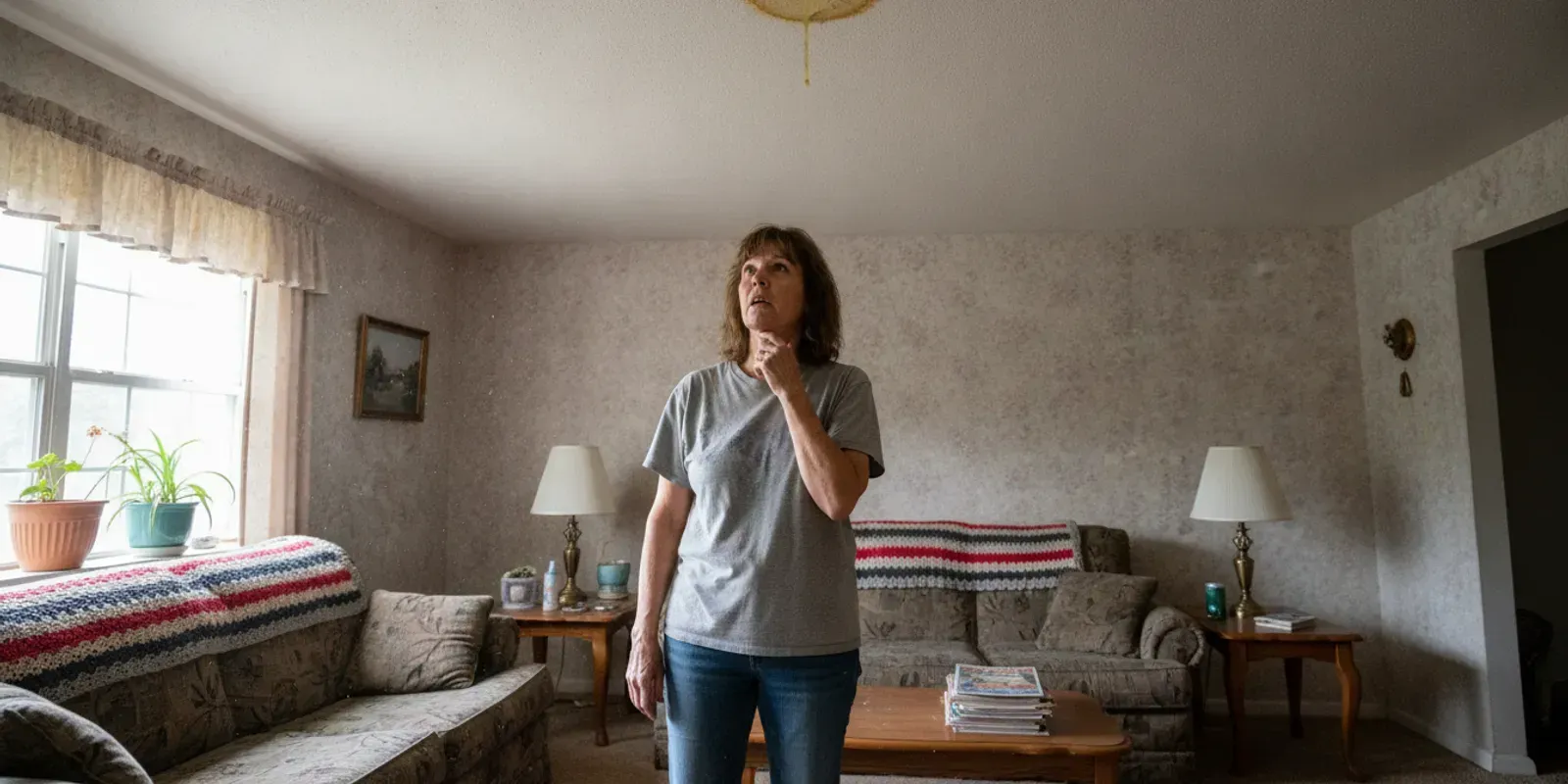
Water inside a building is an obvious warning, but it is not the only one. A leak may show up far from the opening in the roof because water can travel along a deck, framing, insulation, or other building surfaces before it becomes visible. A ceiling stain or dripping point helps identify where water emerged, not necessarily where it entered.
Look for patterns and changes. A stain that grows after rain, repeated dampness in the same area, bubbling or peeling interior finishes, and water collecting around rooftop equipment all deserve a closer look. On the roof, signs can include a split or puncture in the membrane, lifted seams, loose or deteriorated flashing, clogged drains, or standing water that remains after surrounding areas have drained.
- New or recurring interior moisture: Record the location and whether it follows rain or another event.
- Visible surface damage: From a safe vantage point, note any apparent tear, puncture, open seam, or displaced material.
- Changes around roof details: Pay attention to edges, penetrations, drains, and transitions where materials meet.
- Drainage changes: Note blocked outlets, overflowing gutters, or water that appears to persist on the roof.
Do not treat one symptom as proof of a particular cause. A roofer needs to assess the roof assembly and surrounding details to determine whether the visible sign is isolated or connected to a broader condition. If water is entering, the flat-roof leak repair guide offers additional context on safe first steps.
How do membrane damage and flashing problems differ?
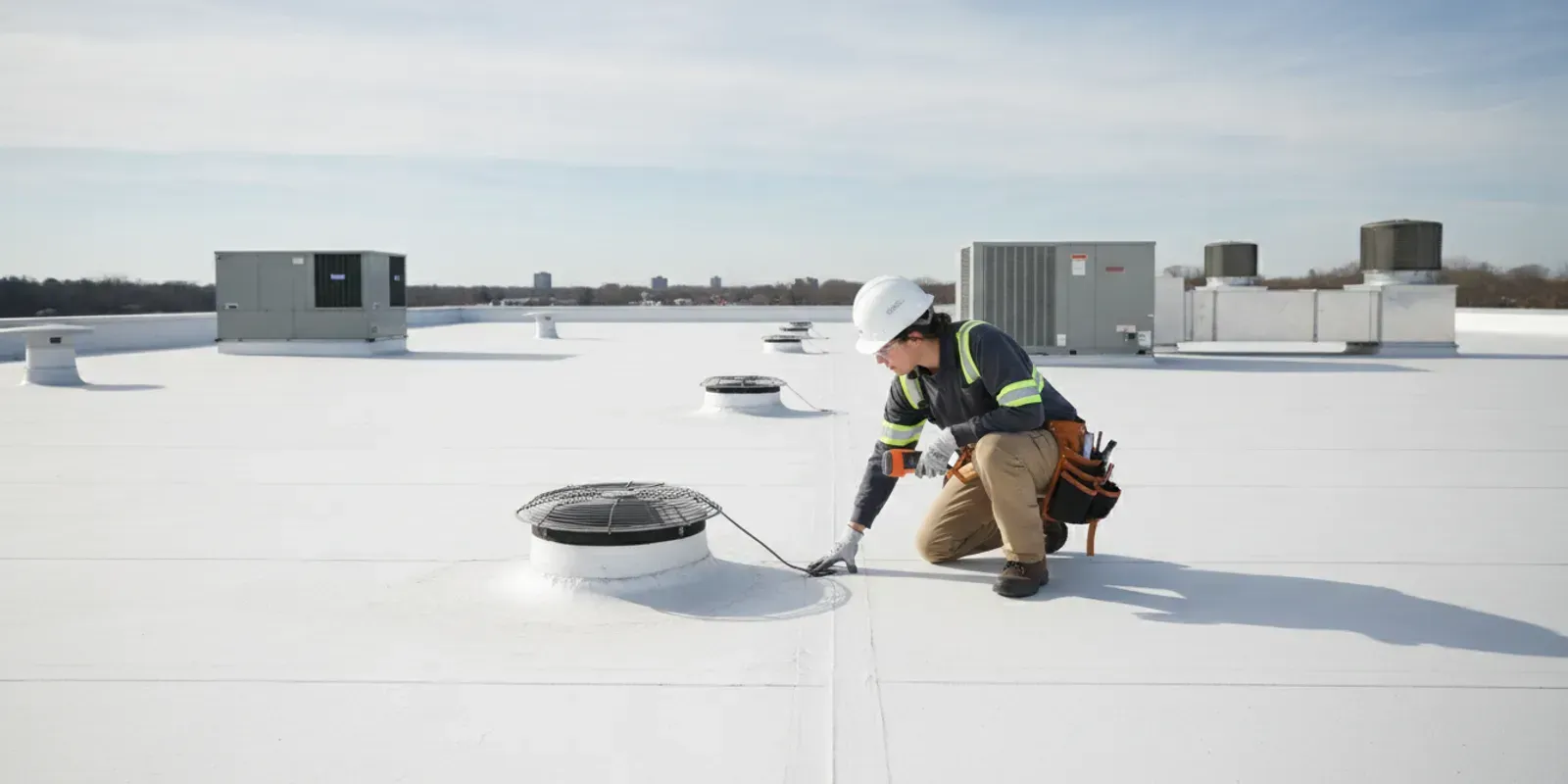
Many commercial buildings have low-slope roofs, where the roof covering and its details must work together to keep water out. Total Roof Solutions provides commercial roofing that includes TPO and modified bitumen systems. The appropriate repair approach depends on the roof type, the condition of its materials, and the location and extent of the damage.
What can membrane damage look like?
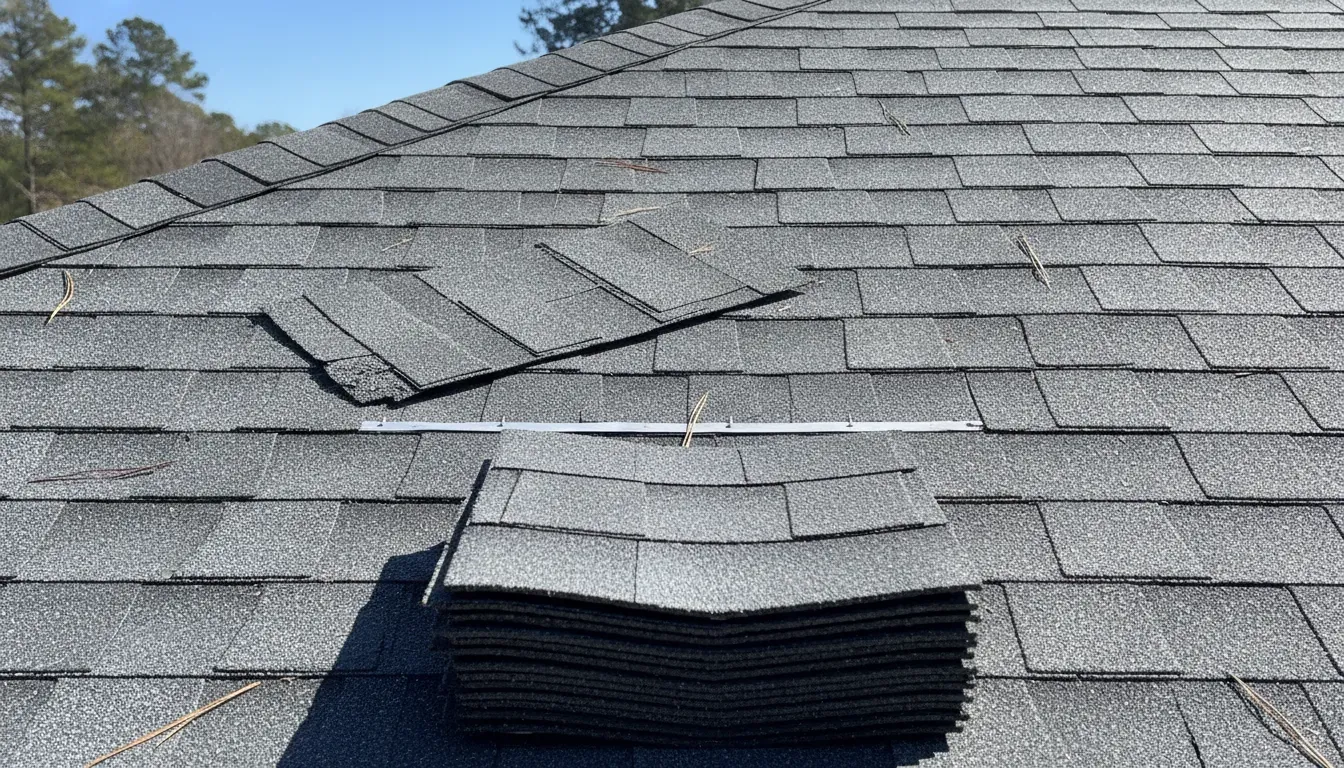
The membrane is the roof covering across the main roof area. A puncture, cut, split, open seam, or displaced section may allow water below the surface. Damage can be localized, but the visible spot alone does not establish how much of the roof is affected. A professional assessment can look at the surrounding material and determine whether a focused repair is suitable or whether other areas need attention too.
Avoid applying an unapproved patch or coating just to cover a visible opening. Products and repair methods must suit the roof system and existing materials. A quick, incompatible fix can make later evaluation harder, and it may not address the route water is taking.
Why do flashing details matter?
Flashing helps manage transitions and openings, including roof edges, walls, and penetrations such as pipes or equipment supports. These areas can be vulnerable when a seal or connection separates, cracks, or becomes loose. A leak around a rooftop unit does not automatically mean the unit itself is faulty; the roof-to-equipment detail may be where the issue lies.
When describing a concern, identify nearby equipment, walls, skylights, or roof edges. If a leak is close to a skylight, a resource on repairing a leaking skylight can help distinguish a roof-area concern from a problem at the skylight assembly. The underlying cause still needs assessment at the property.
Could drainage be contributing to a leak?
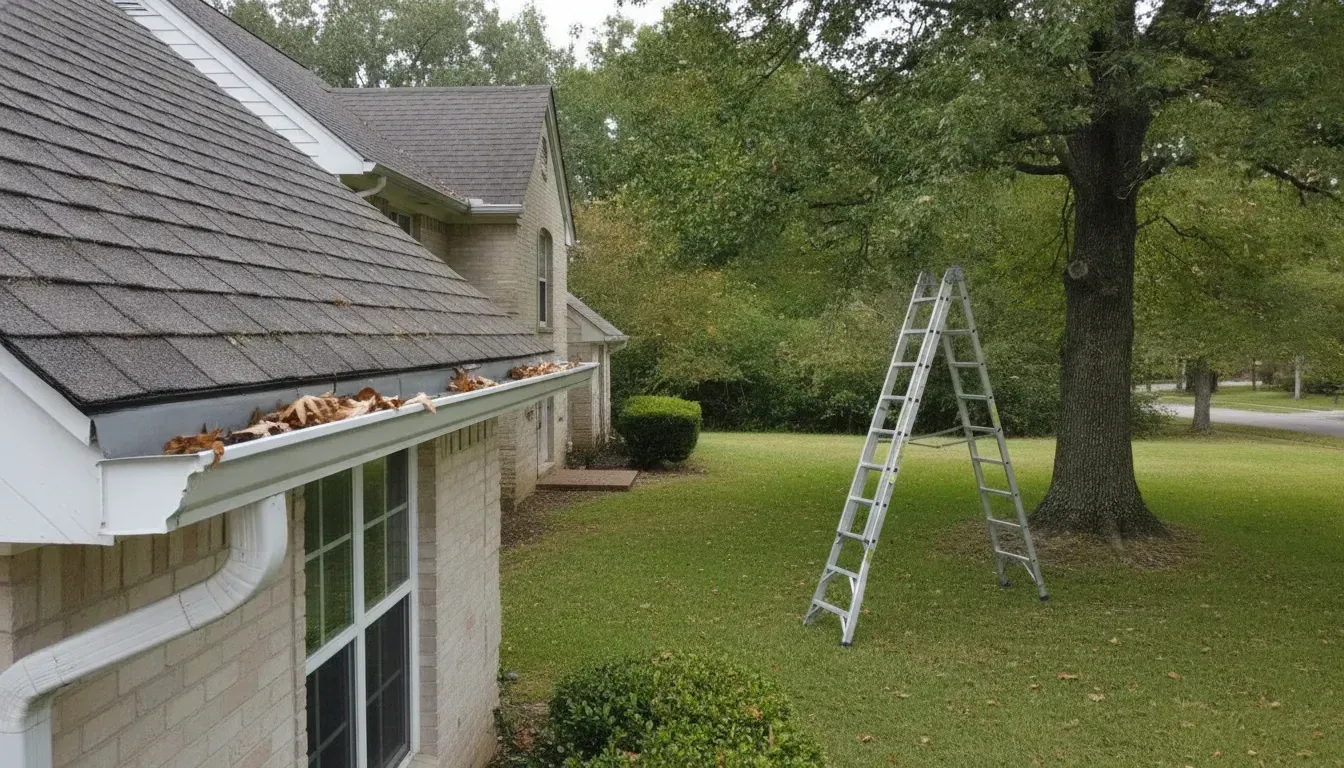
Roof drains, scuppers, gutters, and downspouts help move rainwater away from the building. Leaves, debris, or other obstructions can interfere with flow. Damaged or poorly connected drainage components may also allow water to collect or spill where it should not. Drainage problems can contribute to moisture concerns, but standing water alone does not identify the full cause or prove that the roof covering has failed.
From the ground, watch where water exits during rainfall and whether it spills near doors, walkways, loading areas, or building walls. Note any overflow or water entering the building. Do not climb onto a roof to clear a drain or investigate a suspected blockage. Wet low-slope surfaces, edges, and roof openings can be hazardous, and roof access should be left to people equipped and authorized to work there.
Share the timing and location of drainage issues with the roofing professional. The commercial flat-roofing guide provides more background on low-slope roof systems, while an assessment can determine whether the concern involves drainage, roof details, surface damage, or more than one factor.
What should you do when a leak appears during business hours?
First, protect people and limit damage inside. Keep staff and customers away from wet floors, active drips, or areas where ceiling materials appear unstable. If it is safe, move inventory, equipment, and furnishings out of the affected area. Use containers to catch drips only when doing so does not put anyone at risk.
- Make the area safe. Mark a slippery floor or restrict access to the affected space. Do not stand beneath sagging material or touch electrical equipment that may have been exposed to water.
- Protect contents. Relocate movable items when practical. If moving them is not safe or feasible, note what remains at risk.
- Record what you see. Take photos or video from a safe indoor location. Include a wide view for context and close views of stains, drips, or damaged contents.
- Note timing and conditions. Record when the issue appeared, whether it followed rain, and whether it has happened before.
- Arrange a professional evaluation. Explain the immediate impact on operations and provide the documented locations and observations.
Do not assume that a bucket or temporary interior protection has solved the roof problem. It may control a symptom while water continues to enter elsewhere. For a related overview of leak response, see roof leak repair steps.
How urgent is the problem?
Active water entering occupied space needs prompt attention, especially when it affects electrical equipment, essential inventory, customer areas, or a ceiling that appears swollen or unstable. Treat immediate safety concerns as the priority. Keep people away from the affected area, follow the building's emergency procedures, and contact the appropriate building or maintenance decision-maker. If water is near electrical systems, do not touch wet equipment or attempt to investigate the source yourself.
Some conditions may not be visible during dry weather. A stain that returns only after heavy rain, moisture near a roof penetration, or a drain that overflows during a storm may still need timely review even if the area is dry when noticed. Record the timing and what happened. A lack of current dripping does not establish that the roof is sound or that the earlier problem has resolved.
When requesting help, explain whether water is actively entering, whether the affected space is occupied, and whether contents or equipment are at risk. These facts help the property owner and contractor discuss a suitable response. Do not make your own roof access or repair plan based on how urgent the leak looks from indoors. A professional needs to assess the roof safely and determine the source and appropriate scope.
How can you keep business operations moving during roof work?
Roof repairs do not always require a business to close, but the right plan depends on the building, the repair location, the work area, and the people using the property. A retail space, warehouse, office, and production facility have different access and safety needs. Share these realities before work is scheduled rather than waiting until a crew arrives.
Tell the roofing contractor which rooms, entrances, loading zones, or exterior areas are most sensitive. Explain any operating hours, deliveries, customer traffic, tenant needs, or equipment that could be affected. Ask which areas may need to be kept clear, what noise or access limitations to expect, and how the work area will be separated from staff and visitors. Confirm any building-specific safety or access procedures that the contractor must follow.
For larger work, clarify the sequence. Ask whether the work can be divided into phases, what conditions could change the schedule, and who should be contacted if water appears during or after the work. A plan cannot eliminate every interruption, especially when weather affects exterior work, but clear communication helps the business prepare and reduces confusion.
If the issue involves a commercial building and you need a broader overview of repair planning, review this business roof repair guide. For service information or to discuss a building-specific concern, contact Total Roof Solutions.
How can weather affect repair planning?
Roof work takes place outdoors, so rain and other changing conditions may affect when a crew can safely work and which tasks can be completed. If a leak is active, tell the contractor what is happening now instead of assuming the next scheduled visit will be soon enough. The contractor can discuss the appropriate response and any immediate steps for protecting the building.
For planned work, ask what weather conditions could change the schedule, how the business will be notified, and what the next step is if rain interrupts the plan. Confirm how the affected area will be protected during the work and whether the sequence needs to change. Avoid making assumptions about a start date or completion based only on a calendar estimate; ask how the schedule will be communicated if conditions change.
After a storm, note the time, affected rooms, and any visible changes from a safe location. Share new observations promptly, particularly if the leak worsens or affects additional areas. A clear record can help the roofer understand whether the concern is ongoing, changed, or newly observed.
What information should you gather before requesting an evaluation?
Clear records help a roofer understand the concern and make a useful site visit. You do not need to diagnose the roof or identify a specific material. Focus on accurate observations and access details.
- Building details: Share the property address, building use, and the best entrance or contact for access.
- Leak locations: Describe the room, floor, and approximate area. A simple floor plan with marked locations can help when there are several leaks.
- History: Note when the problem started, how often it recurs, and whether earlier repairs were made, if you know.
- Weather and timing: Record whether moisture appeared during rain, after rain, or at another time.
- Photos and videos: Capture visible interior conditions safely and label images with the date and location.
- Operational concerns: Identify affected tenants, inventory, equipment, access routes, or business activities.
- Existing documents: Gather available roof plans, prior repair records, product information, and warranties. Do not assume a warranty applies; review its actual terms.
Keep copies of communications and proposals with the building's maintenance records. If a repair is completed, ask what area was addressed, what materials or system details are relevant, and whether any follow-up observation is recommended. Keep the written scope and project-specific warranty information with the same records.
When is repair more appropriate than replacement?
A focused repair may be suitable when the source is identifiable, the affected area is limited, and the surrounding roof components remain serviceable. A professional may also recommend repair as a near-term response while the owner plans a larger project. That decision should reflect the condition of the whole roof, not just the cost or visibility of one leak.
A more extensive plan may warrant discussion when leaks recur in different areas, damage appears across multiple sections, seams or details repeatedly fail, or the roof's overall condition makes isolated repairs less practical. These observations are reasons to ask for a broader evaluation, not a diagnosis on their own. The roof's age, assembly, past work, and actual condition all matter.
Ask the contractor to explain the difference between the immediate repair scope and any longer-term recommendation. A useful discussion should make clear what area is included, what is excluded, what condition prompted the recommendation, and what might happen if the work is postponed. If replacement is raised, request the reasoning and a defined scope so you can compare the proposal with the roof's needs.
For additional planning context, this guide to planning commercial roof replacement covers considerations that differ from a targeted repair. Total Roof Solutions offers commercial roofing systems including TPO and modified bitumen; an evaluation can help establish which discussion applies to your building.
How should you plan maintenance after a repair?
Maintenance planning is more useful when it is tied to the roof's actual condition and the building's needs. Ask what areas should be watched, what changes should prompt a call, and what records to keep. Set a reminder to review visible drainage concerns and any interior moisture history after significant weather, without sending untrained staff onto the roof.
A simple log can include the date, weather, room or roof area involved, photos, action taken, and whether moisture returned. If a tenant or employee reports a leak, record the exact location rather than relying on a general note such as "roof leaking." This information can reveal whether the same area is recurring or whether several parts of the building are affected.
Do not treat a maintenance checklist as a substitute for professional assessment. A commercial roof system has details that may be difficult to evaluate from the ground. The National Roofing Contractors Association offers roofing information at its official website; for conditions at a specific property, consult a qualified roofing professional.
What should you ask a commercial roofing contractor?
Before approving work, make sure the proposed scope answers practical questions about the problem, the work, and the business impact. Use the conversation to understand the recommendation rather than asking for a promise that no future issue can occur.
- What condition did you observe, and what evidence connects it to the reported leak?
- Is the proposed work limited to one area, or does it include related flashing, seams, drainage, or other details?
- What should the business move, restrict, or communicate before the crew arrives?
- What is the expected work sequence, and what factors could change it?
- How will the work area be managed around staff, customers, tenants, and deliveries?
- What should we document after completion, and what follow-up is recommended?
- Which warranty terms apply to this specific project, and where are they stated?
Compare written proposals by scope and assumptions, not just by a single total. Confirm that each proposal addresses the same reported areas and clearly states exclusions or conditions that could affect the work. Warranty terms can vary by project, so rely on the terms in the estimate or agreement rather than assuming one standard duration.
Frequently asked questions
Can a commercial roof leak far from the visible stain?
Yes. Water may travel through parts of the roof assembly or along building surfaces before it becomes visible inside. The stain points to where moisture appeared, but a professional needs to investigate to identify the entry point.
Should employees go onto the roof to photograph damage?
No. Do not ask untrained staff to climb onto a roof or approach wet surfaces, edges, openings, or rooftop equipment. Take photos from safe indoor or ground-level locations and arrange a professional evaluation.
Does standing water automatically mean the roof must be replaced?
No. Standing water is an observation, not a complete diagnosis. A professional should assess the drainage, roof surface, and related details to determine what is happening and what action is appropriate.
Can a repair be completed without closing the business?
It depends on the building, the location and scope of work, access, safety needs, and operating activity. Discuss business hours, customer or tenant access, and sensitive areas with the contractor so the work plan can account for them.
Request a free roofing estimate
What is the main takeaway?
Respond to leaks by protecting people and property, recording what you observe, and getting the roof assessed rather than attempting an unsafe or unverified fix. A clear repair scope and a practical operations plan can help you address the immediate concern while making informed decisions about the building's longer-term roofing needs.