How the Weather Impacts Your Roof Replacement Schedule
SEO Analysis • November 15, 2024
Many factors come into play when it comes to roof replacement. One of the most significant influences on this process is the weather.
The weather can determine when you can start a roof replacement project and how long it will take.
In this guide, we will explore the various ways weather impacts your roof replacement schedule so you can plan accordingly.
Understanding Your Roof
Before diving into how the weather affects roof replacement, it’s essential to understand the purpose of a roof. The roof is your home’s first line of defense against the elements. It protects you from rain, wind, snow, as well as harsh sun.
Because of its critical role, it’s crucial to keep your roof in good condition.
Roofs are made from various materials, including asphalt shingles, metal, tile, and wood. Each material has unique properties and durability. Regular Roof Inspection Clayton services can help you better understand your roof type, allowing you to make informed decisions about maintenance and replacement.
Signs You Need a Roof Replacement
Knowing when to replace your roof is important for maintaining the integrity of your home. Here are some common signs that indicate you might need a roof replacement:
A. Age of the Roof:
Most roofs have a lifespan of 20 to 30 years. If your roof is nearing the end of its lifespan, it may be time for a replacement.
B. Missing or Damaged Shingles:
If you notice missing, cracked, or curled shingles, this is a sign that your roof is deteriorating.
C. Leaking:
If you see water stains on your ceiling or walls, your roof may leak.
D. Moss or Algae Growth:
While some roof types resist algae, excessive growth indicates moisture problems.
E. Sagging:
A sagging roof could indicate structural issues that need immediate attention.
If you notice any of these signs, it’s time to consult a roofing professional to evaluate your roof’s condition.
The Role of Weather in Roof Replacement
Weather plays a very important role in planning and executing a roof replacement. Here are some key factors to consider:
A. Temperature
Extreme Temperatures:
Hot and cold temperatures impact roofing materials and installation.
- Hot Weather: When the temperature rises above 90°F (32°C), shingles can become soft and pliable. This can make it difficult to install them correctly. Furthermore, workers may struggle to work efficiently in the heat, potentially delaying the project.
- Cold Weather: On the flip side, if the temperature drops below 40°F (4°C), shingles can become brittle and prone to cracking during installation. Cold weather can also slow the curing process for specific roofing materials, leading to longer project timelines.
B. Rain and Moisture
Rainy Days: Rain is one of the most significant weather factors impacting roof replacement.
- Safety Concerns: Wet surfaces can be slippery, creating hazardous conditions for workers. Most roofing professionals will halt work during rain to ensure the safety of their crew.
- Material Integrity: If roofing materials get wet before installation, they can lose effectiveness. For example, shingles can absorb moisture, leading to mold growth and reduced lifespan.
- Delays: Rain can cause significant delays in the roof replacement schedule. If forecasts predict a rainy week, postponing the project to ensure quality work is best.
C. Wind
High Winds: Wind can be critical when scheduling a roof replacement.
- Safety Risks: High winds can pose risks for roofing crews, making it dangerous to work at heights. If winds exceed certain speeds (often around 20 mph or 32 km/h), roofing professionals will likely postpone work until conditions improve.
- Material Movement: Strong winds can displace roofing materials, leading to potential damage or additional costs. For example, if shingles blow off during high winds, they may need to be replaced.
D. Snow and Ice
Winter Weather: In colder climates, snow and ice can significantly impact roof replacement schedules.
- Heavy Snow: Snow accumulation can add weight to roofs, making it risky to work on them. Roofing professionals usually avoid working on roofs covered in snow, as it can hide potential hazards like ice dams.
- Icy Conditions: Ice can create slippery surfaces, increasing the risk of falls. Many roofing companies will delay work until the ice melts and conditions are safer.
E. Seasonal Considerations
Choosing the Right Season: The season can greatly influence the timing of your roof replacement.
- Spring and Fall: These seasons are often considered the best roof replacement. The temperatures are usually mild, reducing risks related to heat or cold. Additionally, spring and fall tend to have less rain, providing more predictable working conditions.
- Summer: While summer can provide clear skies, extreme heat can make roofing work uncomfortable and difficult. It may also lead to potential delays if temperatures soar.
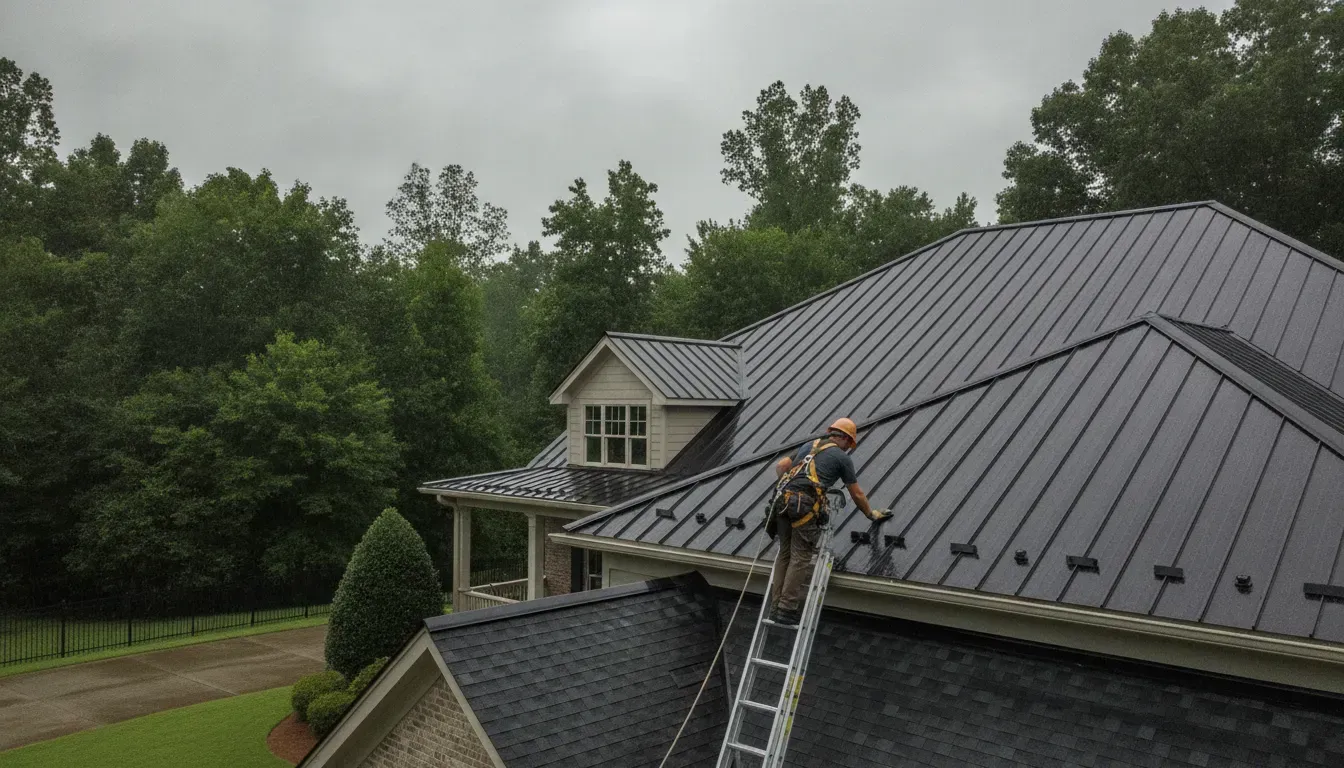
- Winter: In many regions, winter is not ideal for roof replacements due to snow, ice, and cold temperatures. However, some roofing materials, like metal roofs, can be installed in winter with proper precautions.
Planning Your Roof Replacement Schedule
Given the impact of weather on roof replacement, planning your project carefully is essential. Here are some tips to help you schedule your roof replacement effectively. Working with
local roofers in Henry ensures timely service and expertise tailored to your area’s climate conditions.
A. Consult with a Roofing Professional
Start by consulting with a roofing expert. They can provide insights into the best times to replace your roof based on local weather patterns and your roof’s condition. Their experience will be invaluable in scheduling your project.
B. Check the Weather Forecast
As your replacement date approaches, monitor the weather forecast. This helps you anticipate any potential delays. If rain or extreme temperatures are expected, consider rescheduling the project.
C. Choose the Right Material
The type of roofing material you choose can affect how the weather impacts your replacement schedule. Some materials are more adaptable to various weather conditions than others. For example:
- Asphalt Shingles: Best installed in moderate temperatures.
- Metal Roofing: Can often be installed in various weather conditions.
- Slate and Tile: Generally more durable but can be heavy and require careful handling in wet conditions.
D. Allow for Flexibility
When scheduling your roof replacement, allow for some flexibility. Weather conditions change rapidly, and it’s crucial to accommodate unexpected delays. A good roofing contractor will build in time for potential setbacks.
E. Plan for Removal and Disposal
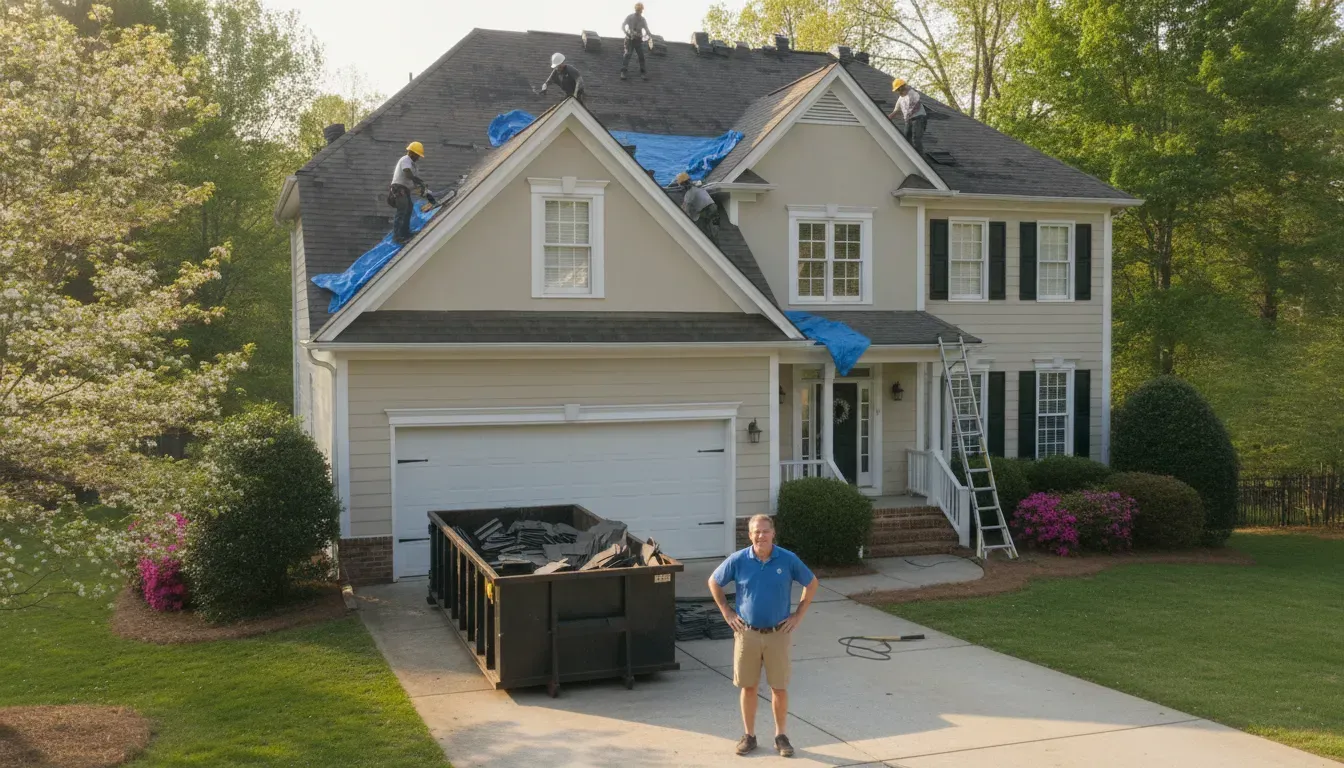
When replacing your roof, you will also need to consider the removal and disposal of old materials. Weather can affect this process as well. For example, if it rains while the old roof is removed, it could lead to further complications. Services like Roof Restoration Jasper can help address such challenges, ensuring a smooth process with proper planning and execution.
F. Prepare Your Home
Before the work begins, prepare your home for the roof replacement. This includes:
- Moving vehicles as well as outdoor furniture away from the work area.
- Securing any indoor items that may be affected by noise or vibrations.
- Informing neighbors of the upcoming work to minimize disruptions.
7. Stay Informed
Keep in contact with your roofing contractor throughout the process. They will provide updates on weather conditions and any necessary changes to the schedule. Being informed helps you manage your expectations and prepare for any delays.
What to Expect During Roof Replacement
Once you’ve scheduled your roof replacement, it’s essential to know what to expect. Here’s a general overview of the process:
A. Inspection
A roofing contractor will start with a thorough inspection of your roof. They will assess its condition and determine what work needs to be done. This may involve checking for leaks, inspecting shingles, and assessing the overall structure.
B. Preparation
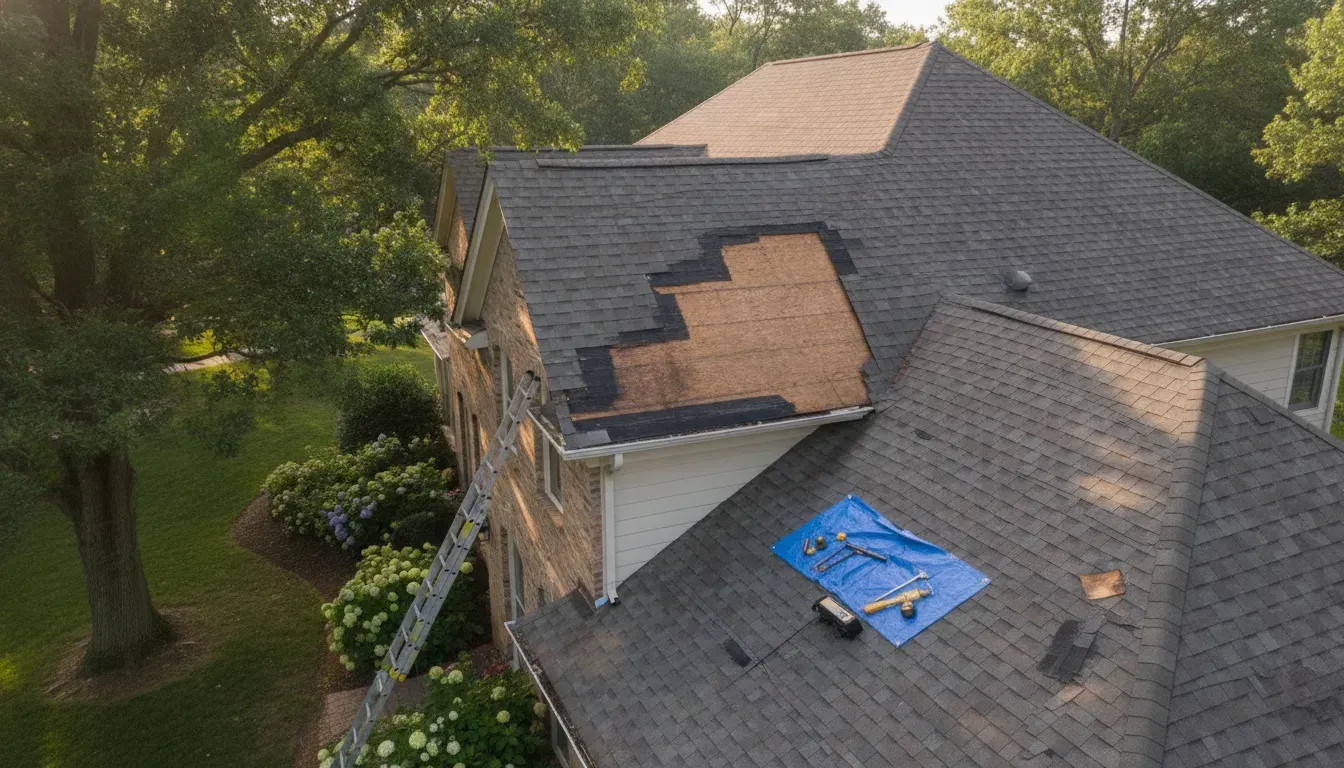
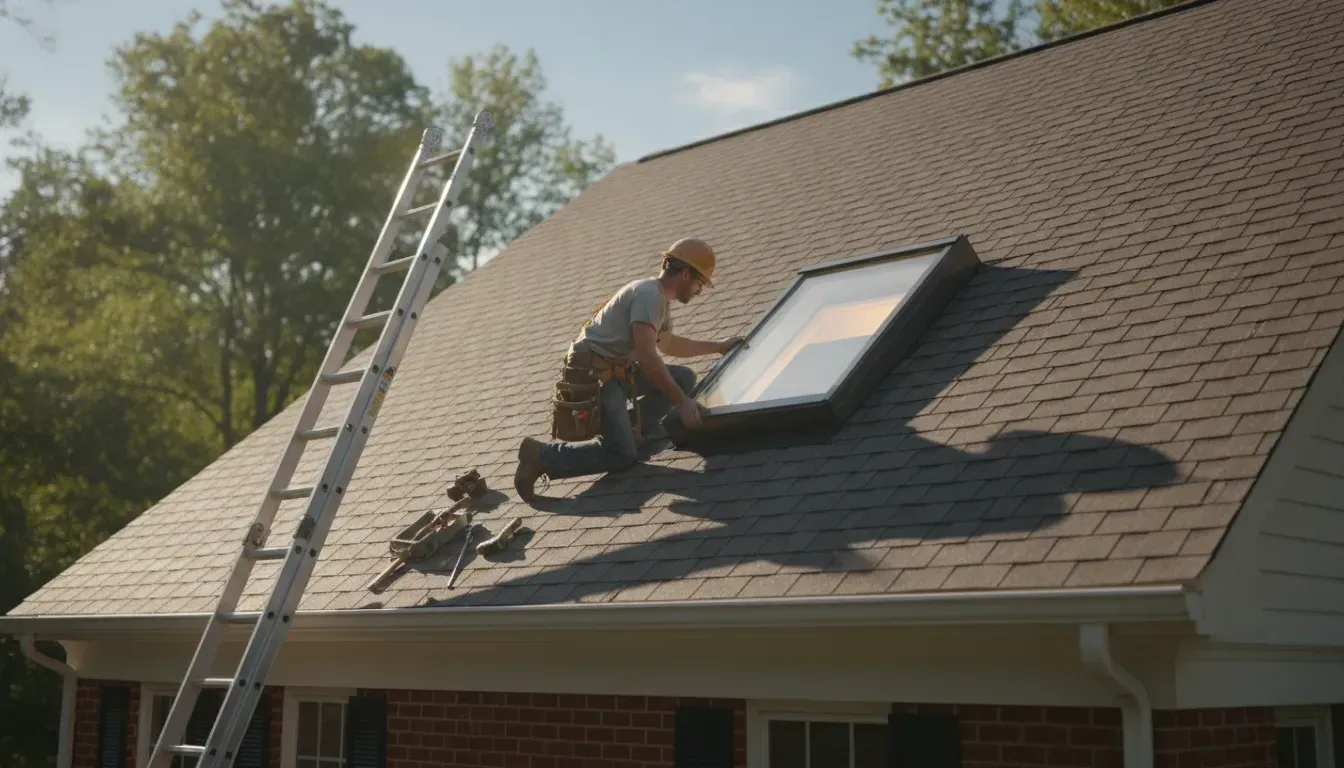
Before starting the replacement, the contractor will prepare the site. This includes setting up scaffolding or ladders, covering plants and landscaping, and laying down tarps to catch debris.
C. Removal of Old Roofing
The old roofing material will be removed. This step can be messy, so expect some noise and debris. Weather can play a role here; for example, if rain is expected, the contractor may work faster to remove old materials and cover the roof before it rains.
D. Installation of New Roofing
Once the old materials are removed, the new roofing will be installed. This process varies depending on the type of roofing material used. Each type has its own installation methods and timeframes.
E. Cleanup
After the installation, the roofing crew will clean up the site. They will remove old materials, debris, and equipment used during the project. It’s essential to have a tidy site, especially if rain is expected afterward.
F. Final Inspection
The contractor will conduct a final inspection to make sure everything is installed correctly. They will check for any issues and make necessary adjustments before considering the project complete.
Conclusion
Weather significantly impacts your roof replacement schedule. By understanding how temperature, rain, wind, and snow affect the process, you can better plan your roof replacement project. Consulting with roofing professionals, keeping an eye on weather forecasts, and allowing for flexibility will help ensure a successful replacement.
Ultimately, your roof is an essential part of your home, and investing in its maintenance and replacement is crucial for your comfort and safety. By being prepared, you can navigate the challenges posed by weather and have a successful roof replacement experience.