Roof Replacement Process Insurance: Georgia Steps
MEGA MEGA • October 27, 2026
See the roof replacement process insurance follows after approval, from the first payment and supplements to tear-off and the final Georgia payout.

The roof replacement process insurance follows after a claim is approved is a job sequence, not another filing guide. You still choose the contractor, you still owe the deductible, and the first check is often only part of the money. The rest usually waits until the new roof is on and the insurer has proof the work is done.
This guide is for Georgia homeowners whose roof claim is already approved, or who have an estimate in hand and want to know what happens next. If you are still deciding whether the damage is covered, start with our guide on how to get insurance to pay for a roof replacement. That page covers perils, deductibles, and how to file. This one starts when the work itself begins.
What does the roof replacement process insurance cover after approval?
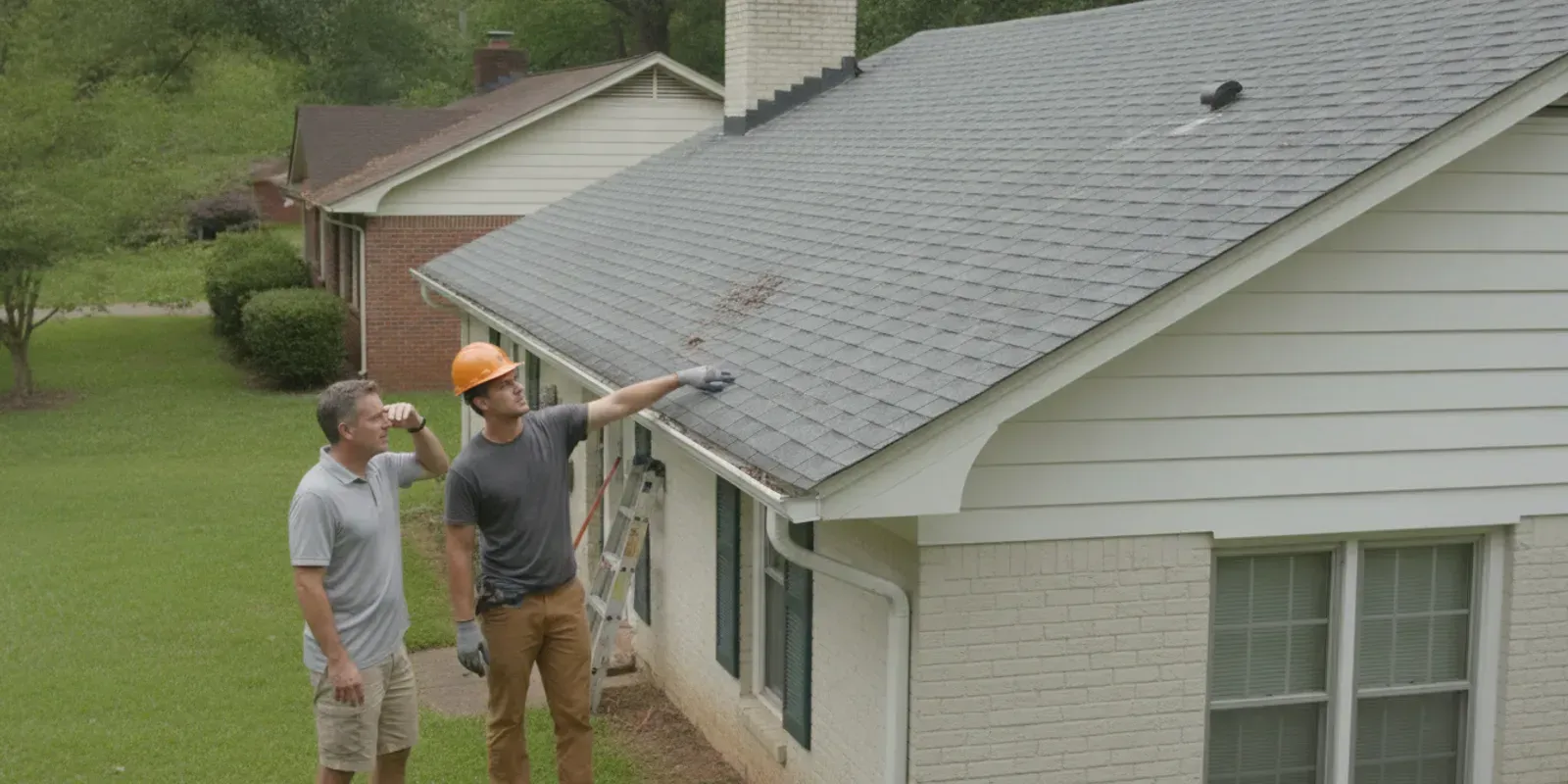
Approval means the insurer has agreed to pay for a defined scope. It does not mean a crew will arrive the next morning with a blank check. Read the estimate before you sign anything. The line items tell you what was approved, what was left out, and which payment comes first.
Most approved scopes name the tear-off, the new roof covering, flashing at walls and penetrations, and disposal. They may also list drip edge, pipe boots, and ridge vent. Items that are easy to miss include deck repair, code upgrades, and anything the adjuster could not see from the ground or a ladder.
The Georgia Office of the Commissioner of Insurance says only you can authorize repairs and choose the contractor. The insurer prices the work from local labor and material rates. If your contractor's price is higher, the insurer can ask for an itemized estimate. Differences usually come from wage rates, how much damage each side sees, and whether a spot can be repaired or must be replaced. If you and the insurer still disagree, many policies send that dispute to an appraisal clause. The Commissioner's guide to insurance before and after a disaster explains those duties in plain language.
Total Roof Solutions is a licensed, bonded, and insured contractor in McDonough. We install residential replacements across the surrounding Georgia counties, and we can walk an approved scope with you before materials are ordered. You remain the policyholder. We do not take over your claim, and we do not promise an insurer will pay every line.
How do the payments usually arrive?
Many roof claims on a replacement-cost policy pay in two parts. The first check is often the actual cash value: the cost of the roof minus depreciation and minus your deductible. The second part is recoverable depreciation. It is paid after the roof is replaced and the insurer accepts the completion paperwork.
That split surprises people. The first check can look too small to fund the job. It is supposed to. The withheld amount is the depreciation, and it comes back only if you actually replace the roof. If you pocket the first check and skip the work, that second payment usually never arrives.
Your share is separate from both checks. You pay the deductible. You also pay for upgrades the policy does not cover, such as a different shingle line or a metal roof when the estimate names architectural shingles. If that out-of-pocket piece is the hard part, our roof financing options are for your share, not a substitute for the claim.
Keep every document in one folder: the estimate, both checks or the payment ledger, the work authorization, permits, photos, and the final invoice. The Commissioner's consumer guide says you should protect the property, keep receipts for temporary repairs, and give the adjuster the records requested. Consumer Services can be reached at 404-656-2070 or 800-656-2298 if a payment dispute needs a state-level question. The homeowners insurance consumer guide is the source for that office's contact path.
A simple payment example
Picture an approved replacement with a set price, a depreciation holdback, and a deductible you already know from the declarations page. The first insurance payment is often the price minus depreciation and minus the deductible. You bring the deductible yourself. After the roof is done and the insurer releases depreciation, the held amount follows. Your policy's math will differ. The shape of the payments is what to plan for.
Which steps happen between approval and tear-off?
The quiet stretch between approval and the first day of tear-off is where good jobs stay on track. Rushing materials before the scope is settled is how homeowners end up paying for work the estimate never included.
- Read the estimate line by line and mark anything your contractor says is missing.
- Confirm who is named on the check. Some first payments are written to you and your mortgage company, and the lender may need to endorse it.
- Sign a work authorization that matches the approved scope, not a verbal promise.
- Choose colors and any upgrade in writing, and note which lines you will pay yourself.
- Let the contractor pull the permit and order materials only after that scope is clear.
- Ask what the crew will protect: landscaping, AC units, driveways, and the path for debris.
- Plan to be reachable on install day in case the deck shows damage that needs a supplement.
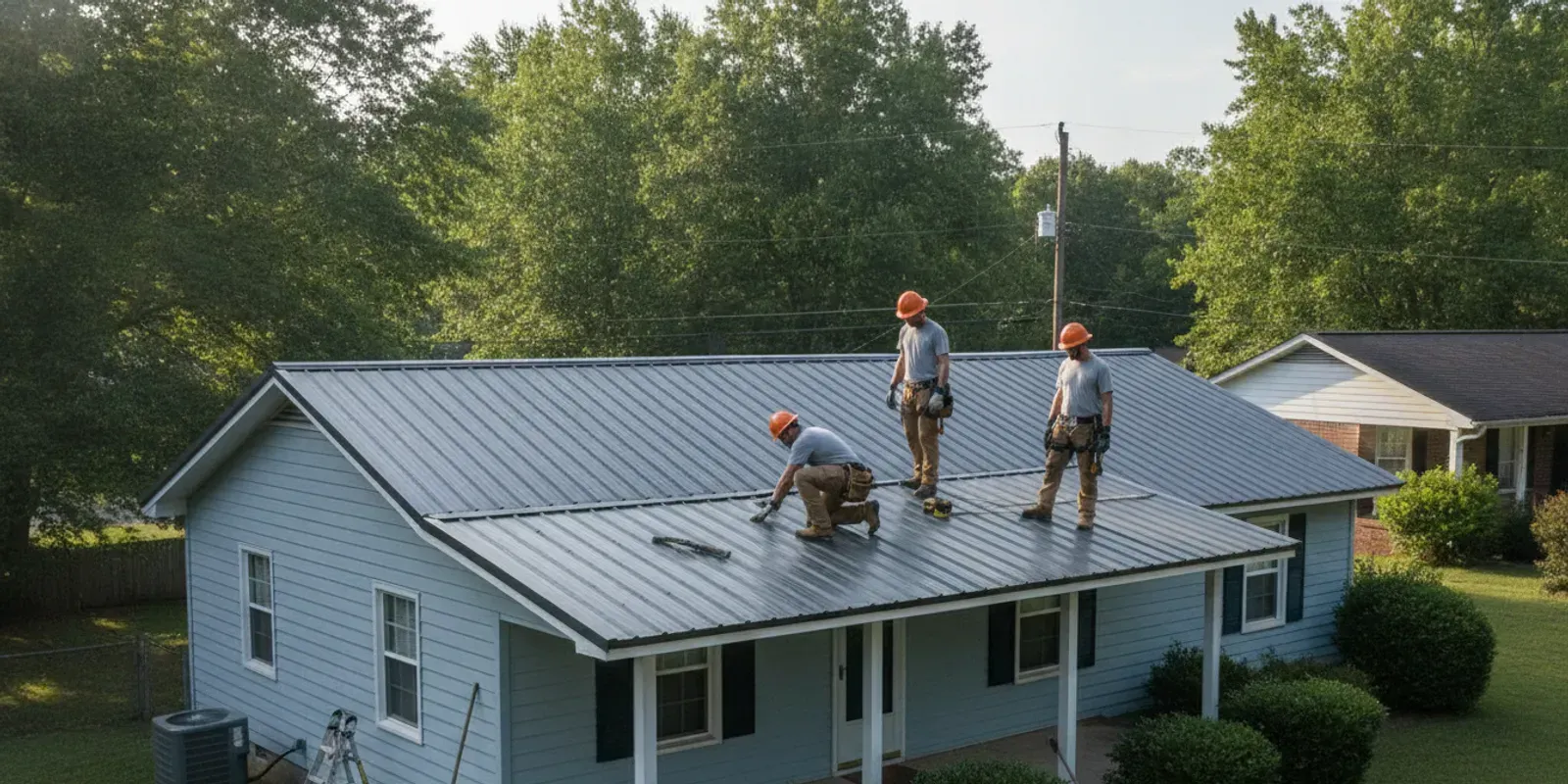
A typical residential replacement, once the crew is on site, takes one to three days. Steep roofs, multiple layers, or a deck that needs repair can run longer. Weather can pause a tear-off. A crew should not strip a roof it cannot dry in before rain.
If you are weighing a repair instead of a full replacement, read our roof repair advice before you accept a smaller scope. Matching one slope is not always possible when the shingle line is discontinued. That matching problem is a scope question for the estimate, not a reason to skip the approved work.
When does a supplement change the roof replacement process?
A supplement is a written request to revise the approved price after the original inspection. It is common, and it is not a second claim. Tear-off is often the first time anyone sees the deck.
Hidden deck rot, soaked underlayment, and soft plywood do not show up in every adjuster photo. Code items can appear the same way. The 2024 International Residential Code with Georgia amendments, in Chapter 9 on roof assemblies, treats the roof as a system: deck, underlayment, and covering, installed to the code and the manufacturer's instructions. Flashing is required where the roof meets a wall, changes direction, or goes around an opening. If the old roof skipped those pieces, the new one should not copy that mistake.
Your contractor should photograph the opened deck, write an itemized supplement, and pause the affected area until the insurer responds. You should see that request before it goes in. Do not let anyone tell you a supplement is guaranteed. The Commissioner's disaster guide says a higher bid has to be itemized, and the insurer can still disagree. Unresolved gaps can go to appraisal.
Two things a supplement is not: a place to hide an upgrade, and a reason to throw away damaged materials before the adjuster has seen them. Keep samples if the insurer asks. Temporary dry-in is allowed, and the consumer guide says a patch made to stop further damage can still be part of the paid repair if you keep the receipts.
Step. Who acts. What you should have in hand.
Approved estimate. Insurer, then you. Line items, deductible, and what is excluded.
First payment. Insurer, sometimes your lender. ACV check or ledger, minus depreciation and deductible.
Work authorization. You and your contractor. Scope that matches the estimate, plus any upgrade you will fund.
Supplement, if needed. Contractor, with your approval. Photos of hidden damage and an itemized price.
Tear-off and install. Contractor. Permit, dry-in plan, and a way to reach you that day.
Recoverable depreciation. Insurer, after proof. Final invoice, completion photos, and any certificate the carrier requests.
What happens on the roof during an insurance replacement?
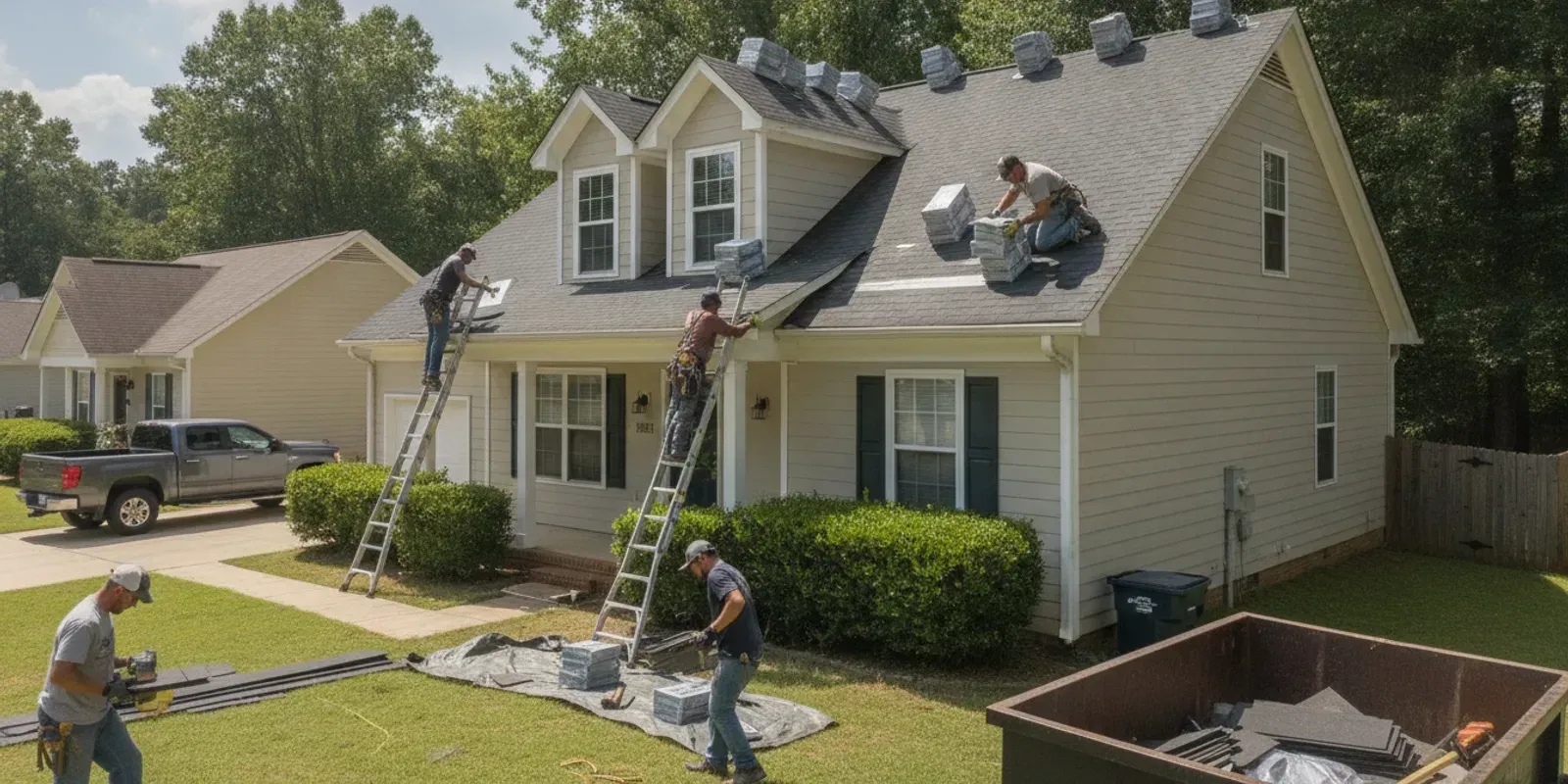
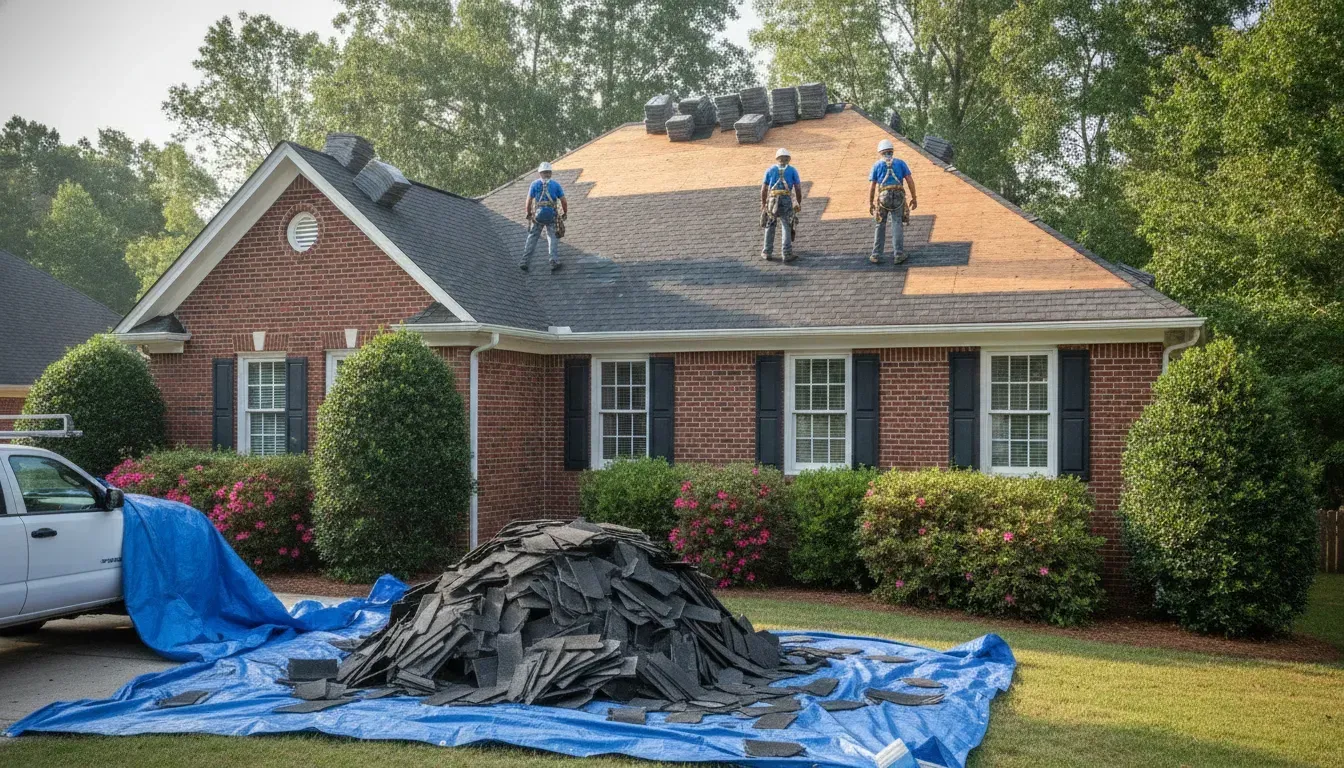
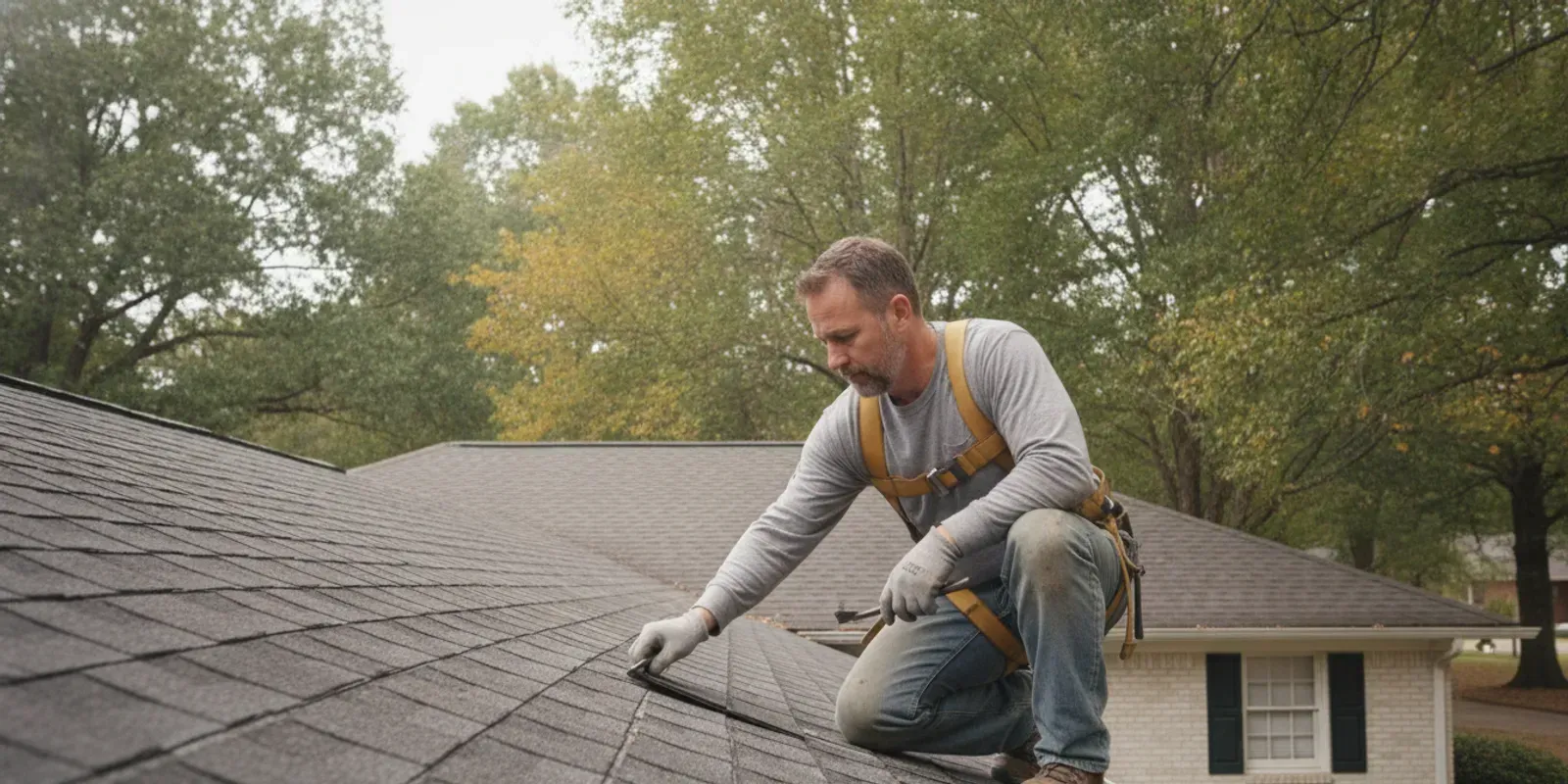
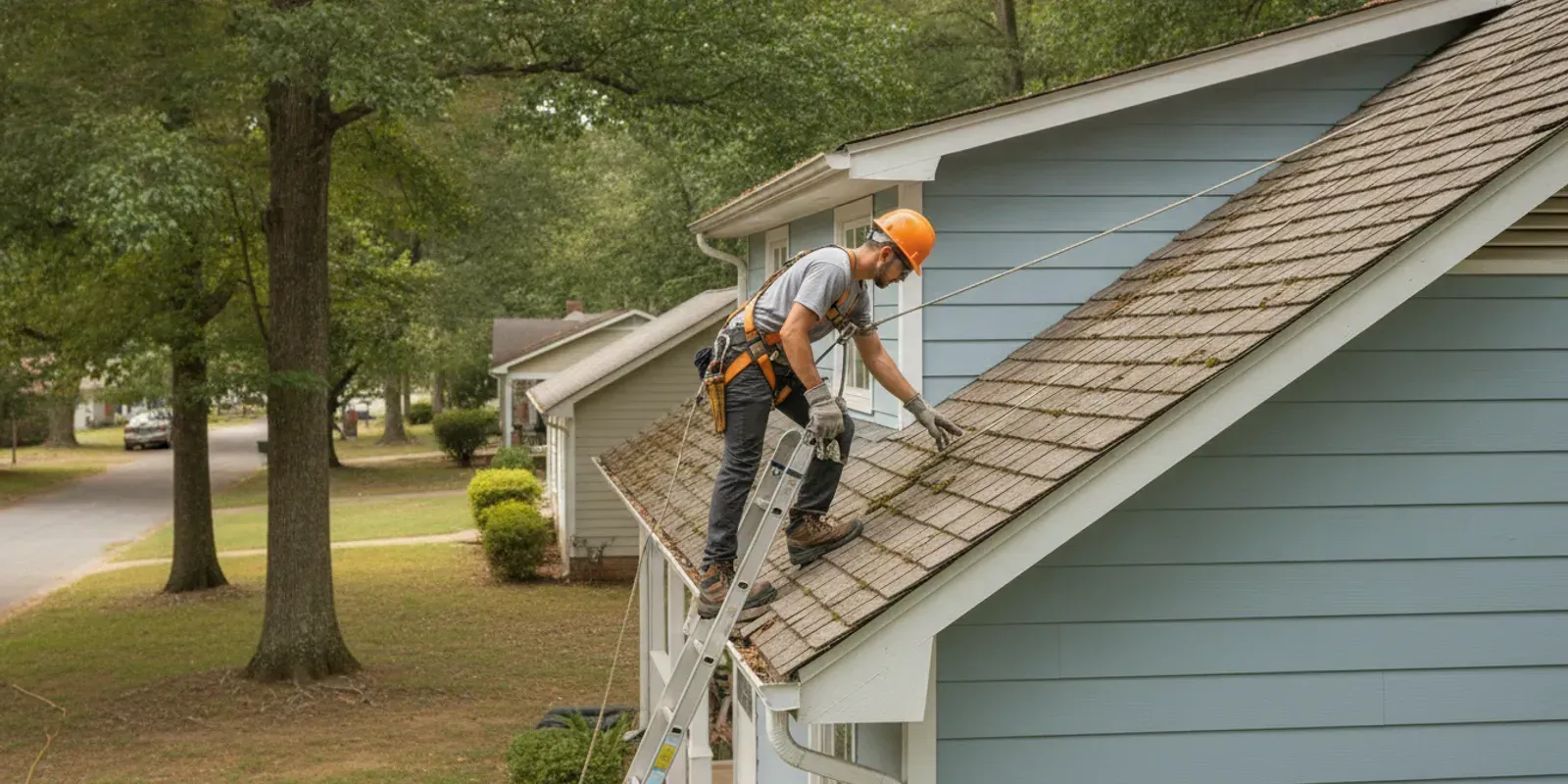
The on-roof work is the part most homeowners picture, and it is shorter than the paperwork around it. A full replacement starts by protecting the property and setting up debris control. The crew then removes the old covering down to the deck.
The deck inspection is the decision point. Solid deck can take new underlayment the same day. Soft, rotted, or delaminated plywood gets marked, photographed, and priced. That is the moment a supplement is born. Installing new shingles over a bad deck is how a paid roof fails early.
After the deck is sound, the crew installs underlayment, then flashing at walls, chimneys, skylights, and vents, then the covering named in the estimate. Drip edge, pipe boots, and ridge ventilation are part of a complete system, not extras to invent on the spot. Our residential roof replacement work follows that order: tear-off, deck check, underlayment, flashing, and the new covering.
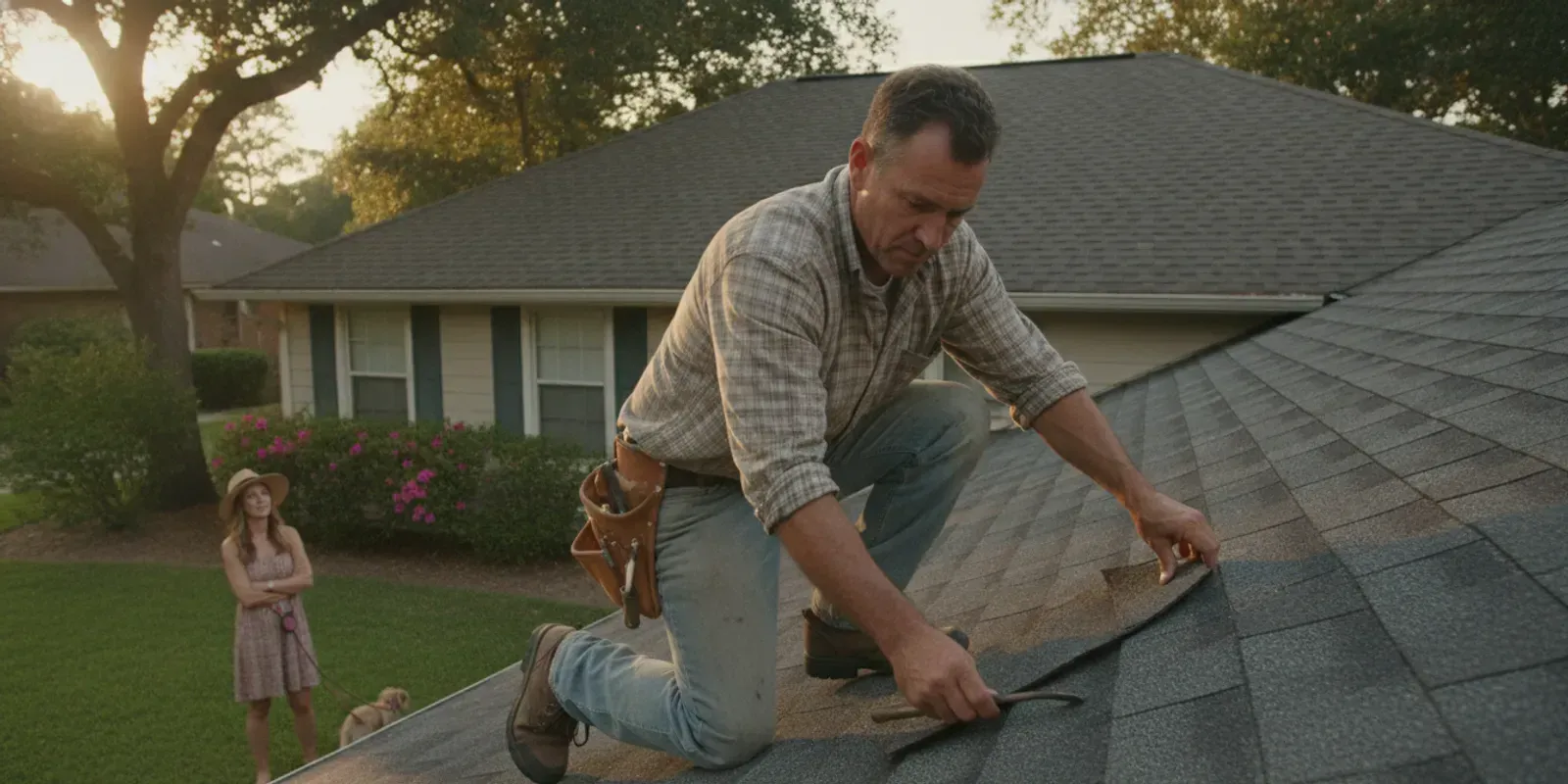
Cleanup is part of the job, not a favor. Nails in the driveway and scraps in the beds are a finished-job problem. Walk the property with the lead before the crew leaves. Look at pipe boots, step flashing, and the ridge. Ask for the permit inspection result and the warranty papers before you treat the day as closed.
Commercial roofs follow a different assembly. A TPO or modified-bitumen replacement is not a shingle sequence, and the insurance paperwork can name a membrane system instead of a shingle line. Building owners can start with our commercial roofing services for that scope. The payment shape, first check then depreciation, is often similar. The roof system is not.
How do you release the final insurance payment?
Recoverable depreciation is not automatic. The insurer wants proof the approved work was finished, usually a final invoice, photos, and sometimes a completion certificate or permit sign-off. Send what your carrier lists. A partial invoice or a photo of shingles still on the truck will not release the holdback.
Match the final invoice to the approved scope plus any supplement that was accepted. If you upgraded the shingle or added a metal roof the estimate did not name, separate those lines. The insurer pays the approved specification. You pay the difference. Our metal roof installation guide is the right read if that upgrade is the path you chose.
Mortgage companies sometimes hold funds until they see the completed roof. If the first check was payable to you and the lender, ask the lender early what completion proof they want. Waiting until the crew is gone to learn about an inspection requirement adds weeks.
After the last payment, file the warranty, the permit, and the invoice together. A new roof still needs basic care. Our note on how to extend an asphalt shingle roof's life covers the habits that keep a paid replacement from aging early. If you want a second set of eyes on an estimate you already have, contact Total Roof Solutions and we will review the scope with you.
Talk with Total Roof Solutions about your approved scope
Frequently asked questions
How long does insurance take to approve a roof replacement?
There is no single Georgia timeline. Many carriers inspect within a couple of weeks and issue an estimate after that, but your policy and the storm volume control the pace. This article starts after that approval. For the filing steps that come first, use the insurance payment guide linked above.
Will insurance pay for a 20-year-old roof?
Age alone is not a covered cause of loss. A storm can still be covered on an older roof, but an actual-cash-value policy pays less because of depreciation, and some carriers limit cosmetic or matching items. Read your declarations page, and do not assume a 20-year-old roof is either fully paid or automatically denied.
Does homeowners insurance replace a roof just because it is old?
No. Wear, age, and poor maintenance are common exclusions. Insurance is for a sudden covered event, such as wind or hail, not for a roof that has reached the end of its service life. If the insurer denies the claim, that decision belongs on the filing and appeal path, not in the replacement sequence.
Who picks the contractor on an insurance roof replacement?
You do. The Georgia insurance commissioner says only the insured can authorize repairs and choose the contractor. You may use a company the insurer suggests, but you are not required to. Get the scope in writing either way.
What should I say when the adjuster is already involved?
Stick to what you can see and what the contractor documented. Dates, photos, and the rooms where water showed up are useful. Do not guess about the cause, do not describe old leaks as new, and do not throw damaged materials away before the adjuster has looked. If you want a contractor at the meeting, ask before the appointment.
Can I start tear-off before the supplement is answered?
You can dry in the home so it does not take on more water. Full replacement of areas that are in dispute should wait until the supplement is accepted or you agree in writing to pay that part yourself. Keep receipts for any temporary protection. The consumer guide says those reasonable protection costs can be submitted.