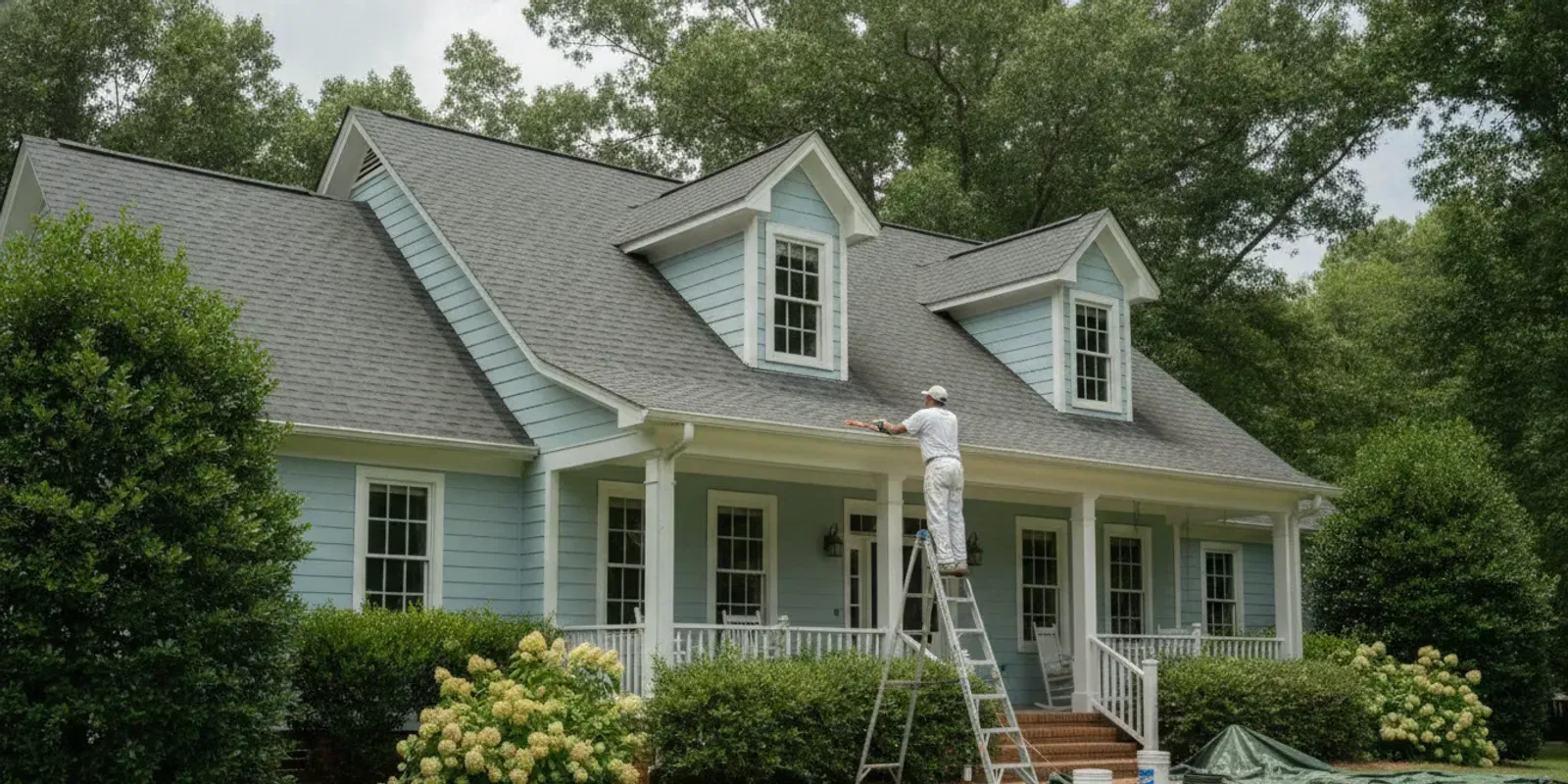
Roofing Process Step by Step: What Georgia Homeowners Can Expect
MEGA MEGA • October 27, 2026
Follow the roofing process step by step, from assessment and planning to installation and cleanup, with practical tips for Georgia homeowners.
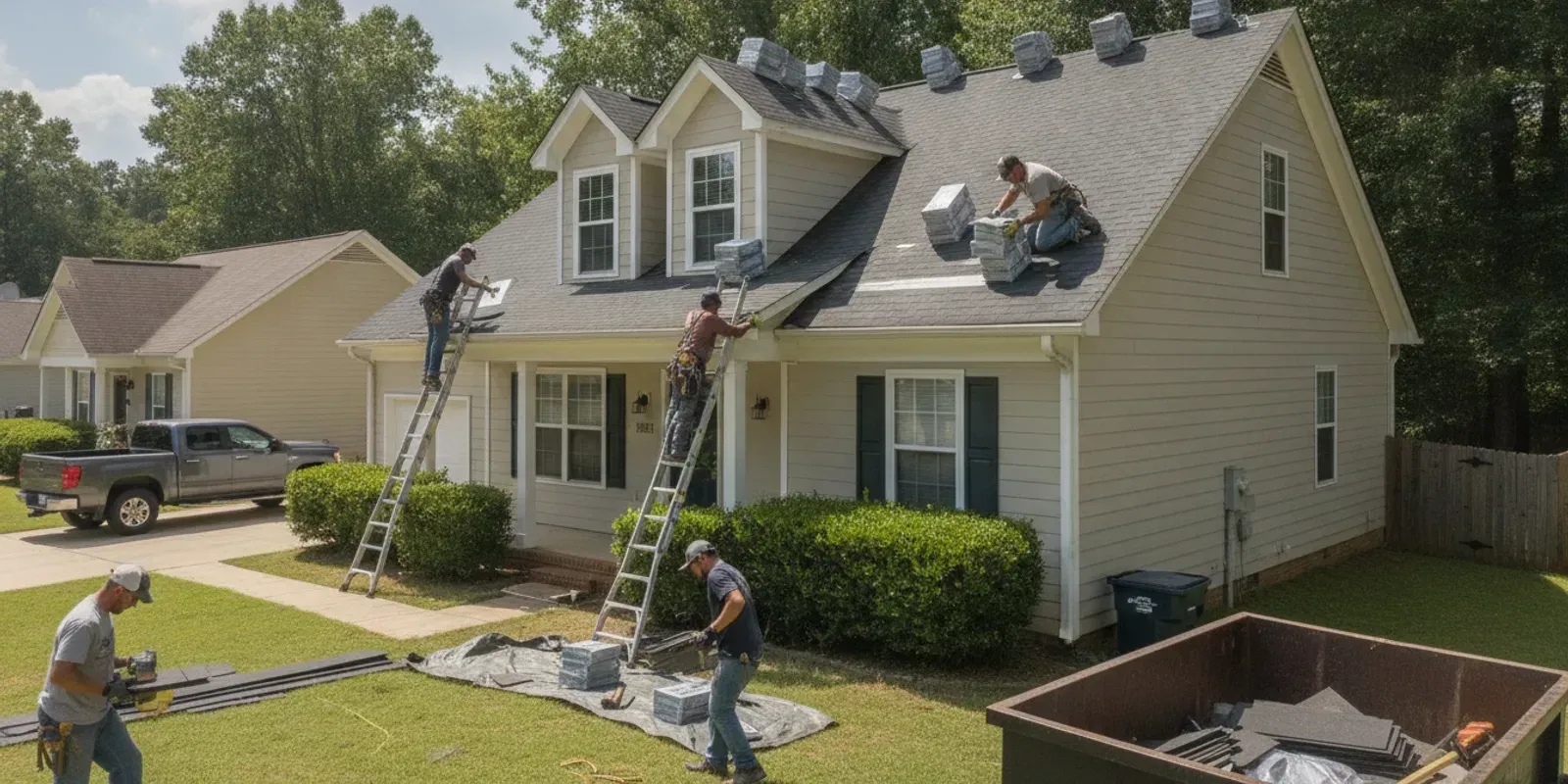
The roofing process step by step is easier to follow when you know what happens before, during, and after work on the roof. Whether you are planning a replacement or responding to storm damage in Georgia, use these stages to prepare, ask clear questions, and keep track of decisions.
What are the main steps in a roofing project?
Most residential projects move from evaluating the roof to agreeing on a scope, preparing the property, completing the roof work, and checking the site afterward. The exact scope depends on the roof’s condition, material, access, and weather. For a repair, some stages may be shorter or focused on one area; a full replacement involves more preparation and installation work.
- Assess the roof and document concerns.
- Review the proposed work and estimate.
- Choose materials and confirm logistics.
- Prepare the home and work area.
- Complete the repair or replacement.
- Review the finished work and cleanup.
1. How do you assess the roof before work begins?
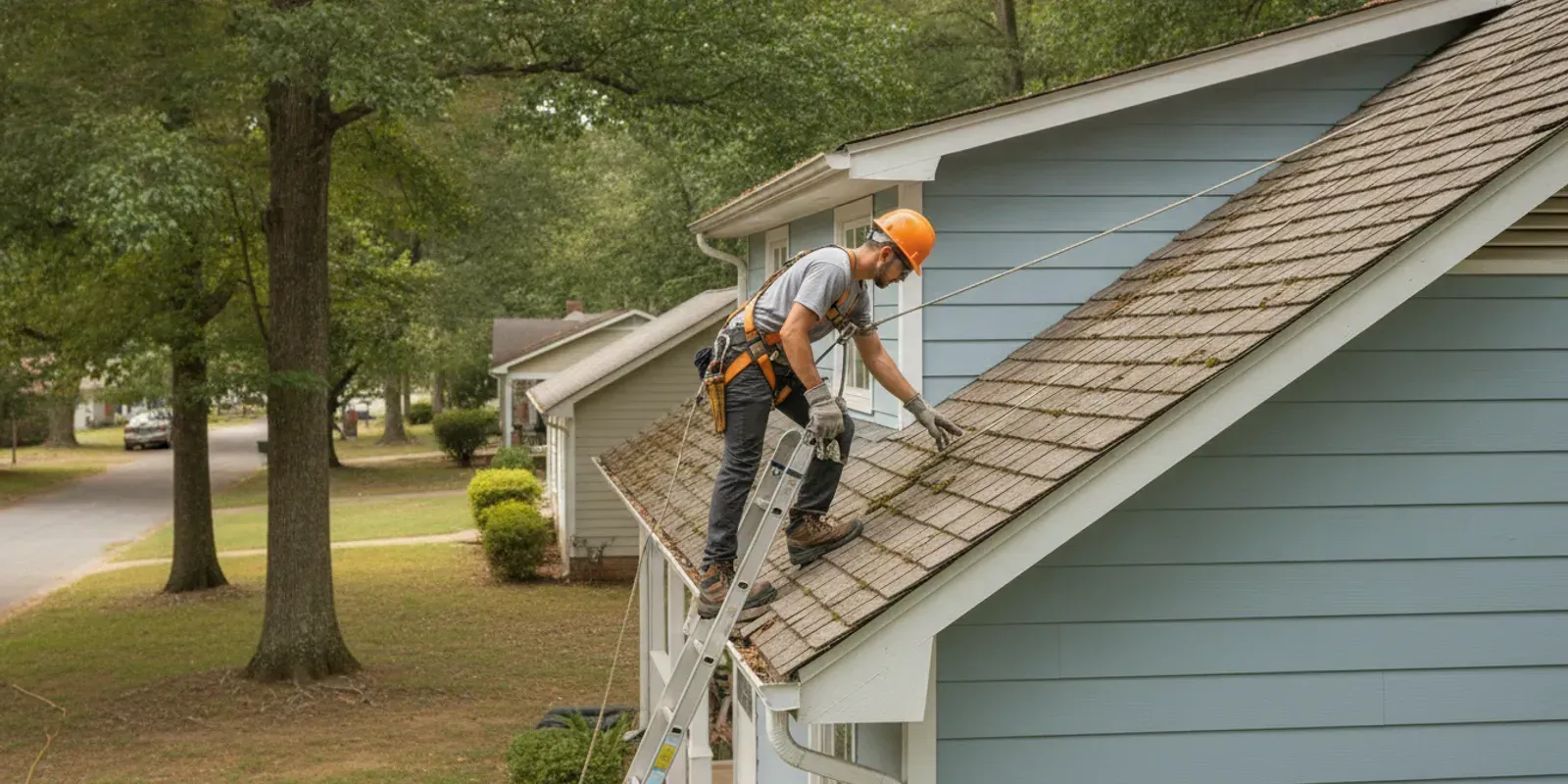
Start by describing what you have noticed: a ceiling stain, missing shingles, debris after a storm, or a recurring leak. Share when the problem appeared and whether it changes during rain. Photos taken safely from the ground can help record visible damage, but do not climb onto a roof to investigate. Wet or storm-damaged surfaces can be hazardous.
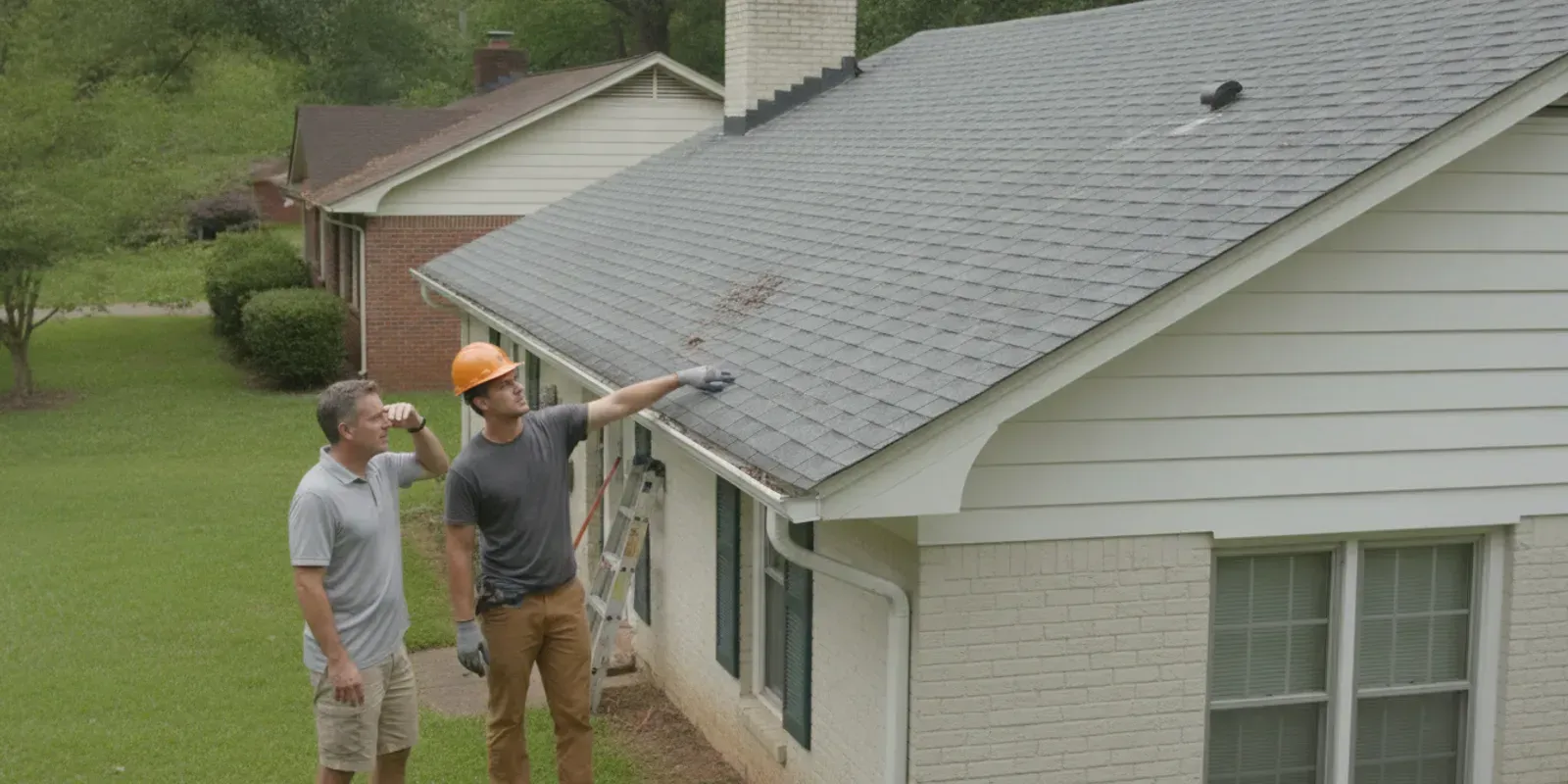
A roofing professional evaluates the reported issue and relevant roof areas, then explains what appears to need attention. A leak inside may not be directly below the point where water enters, so avoid assuming that a ceiling mark identifies the roof defect. For more on early leak response, see what to do about a roof leak and how to find a roof leak safely.
For storm damage, keep the date and basic notes about the event. If water is actively entering, protect belongings from inside the home when it is safe to do so and seek professional guidance about temporary protection. Do not make a claim decision based only on a quick visual check. Save photos of interior staining and any damaged belongings, and note when you first noticed the issue. Avoid discarding damaged materials or making permanent changes before documenting the condition, unless action is needed to protect people or property.
2. What should a roofing estimate and scope explain?
Before work is scheduled, make sure you understand what the contractor proposes to repair or replace. A useful scope should identify the work areas, the general work involved, the materials to be used, and any assumptions or items that may need attention once existing materials are removed. Ask who will handle communication if conditions differ from what was visible before work.
Compare proposals by scope, not just by the total at the bottom. Two estimates may cover different quantities, materials, disposal, or repair details. Ask for clarification in writing if an item is vague. If replacement is under consideration, compare repair and replacement considerations before deciding what questions to raise.
Project stage | What to confirm | Why it matters
Assessment — Reported symptoms and areas reviewed — Connects the proposed work to the concern
Scope and estimate — Work areas, materials, exclusions, and assumptions — Helps you compare proposals fairly
Scheduling — Access, property preparation, and weather plan — Reduces day-of confusion
Completion — Work status, site cleanup, and follow-up questions — Clarifies what was done and what remains
Ask whether the proposal includes removal and disposal, underlayment or flashing work, ventilation components, and cleanup. These details may not apply in the same way to every repair, so have the contractor identify what is relevant to your roof rather than relying on assumptions. Clarify how approval works if hidden conditions are discovered. Keep written records of any agreed changes, including the reason for the change and the revised work.
3. How do you plan materials, timing, and weather?
Once you understand the scope, confirm the material selection and practical details. For a typical residential shingle roof, ask about the shingle type and color, any related flashing or ventilation work in the scope, and how removed material will be handled. Total Roof Solutions provides asphalt shingle roofing and roof replacement; its residential roofing information outlines its residential service area and work.
Georgia weather can affect scheduling. Rain, wind, and storm conditions may change when a crew can safely work or leave a roof exposed. Ask how the contractor will communicate a schedule change and what protection is planned if weather interrupts the work. Avoid treating a calendar date as a guarantee when conditions are uncertain. Confirm who will contact you if the start date moves, how much notice is practical, and whether materials or access arrangements need to change.
If you are planning a replacement during colder months, review what to consider about winter roof replacement. For material budgeting context, the asphalt roof replacement cost guide can help you prepare questions, but a project-specific scope is needed to understand your own work.
Before the start date, review the written selections and verify that everyone is referring to the same material and color. Ask if the project requires any decisions from you before the crew arrives. If you are uncertain about a term, request a plain-language explanation and a note in the scope. This helps prevent day-of misunderstandings and makes it easier to compare what was planned with what was completed.
4. How should you prepare your home and property?
Before installation day, ask what the crew needs from you. Clear vehicles from the driveway if requested, move patio furniture or fragile items away from the immediate work area, and keep children and pets indoors or away from the work zone. If you have a gate, access limitation, or a particular concern about landscaping, raise it in advance.
Inside the home, consider protecting fragile items on shelves or walls in rooms below the roof. Roof work can create vibration. Confirm where materials will be staged, how the crew will access the property, and how you will receive updates. If the project includes a skylight, chimney, or another roof feature, confirm whether that area is part of the agreed scope.
Make a short day-before checklist: confirm the expected arrival window, move vehicles as agreed, secure outdoor items, and identify a point of contact for questions. Tell the contractor about alarmed gates, access restrictions, or household schedules that could affect entry. Keep the work area clear once the crew begins. Do not approach ladders, tools, or material staging areas, and follow any safety boundaries set by the crew.
Plan for noise and interruptions. If someone in the household works from home, has a small child, or needs a quiet period, discuss practical arrangements ahead of time. Keep pets inside or in a separate area. Do not assume that a garage or driveway will remain available if materials or equipment need that space; confirm staging plans before the project day.
5. What happens during roof installation or repair?
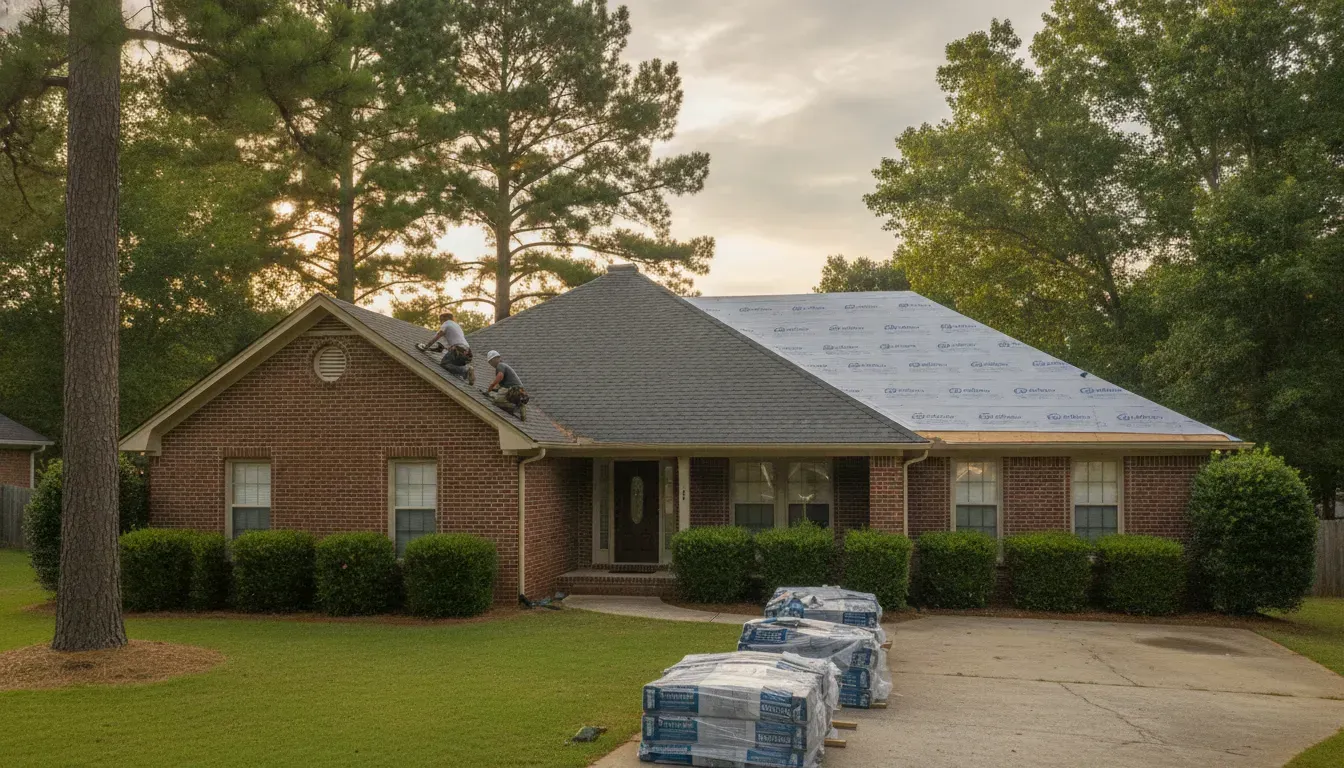
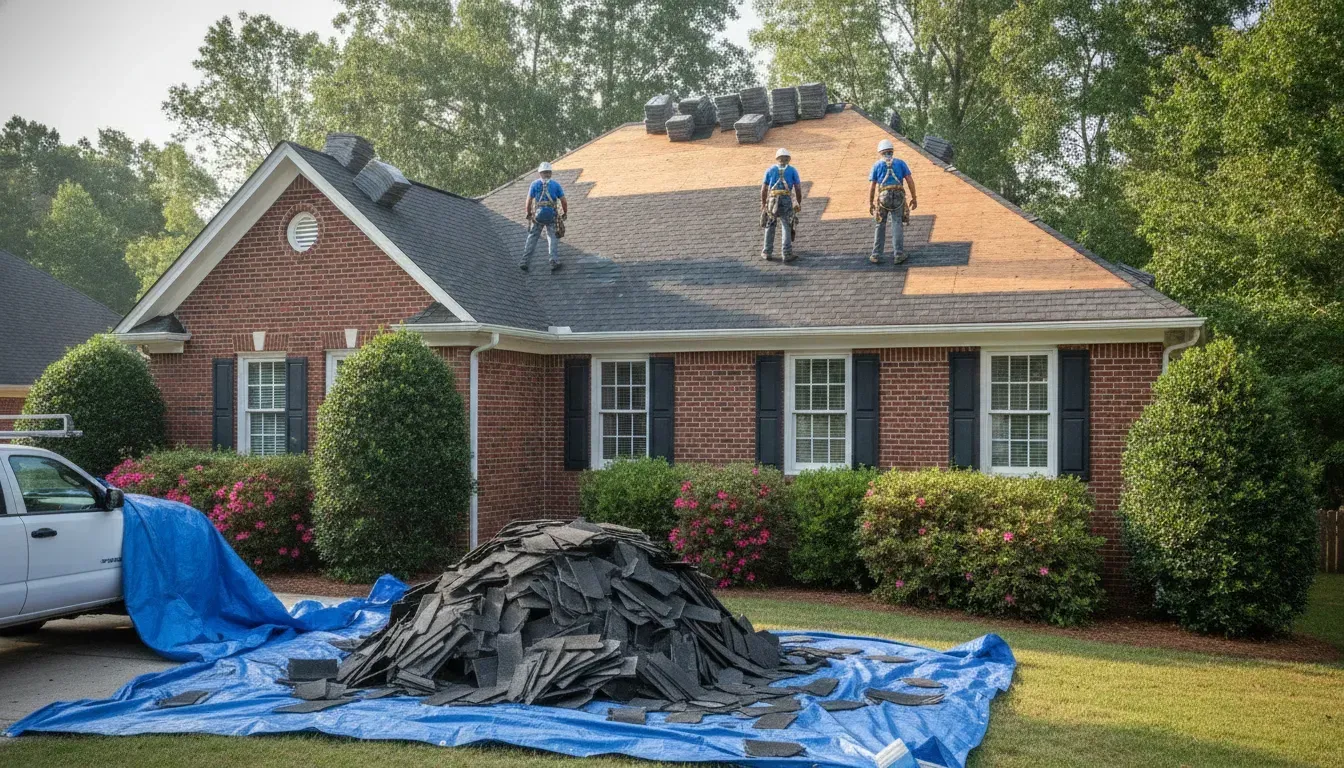
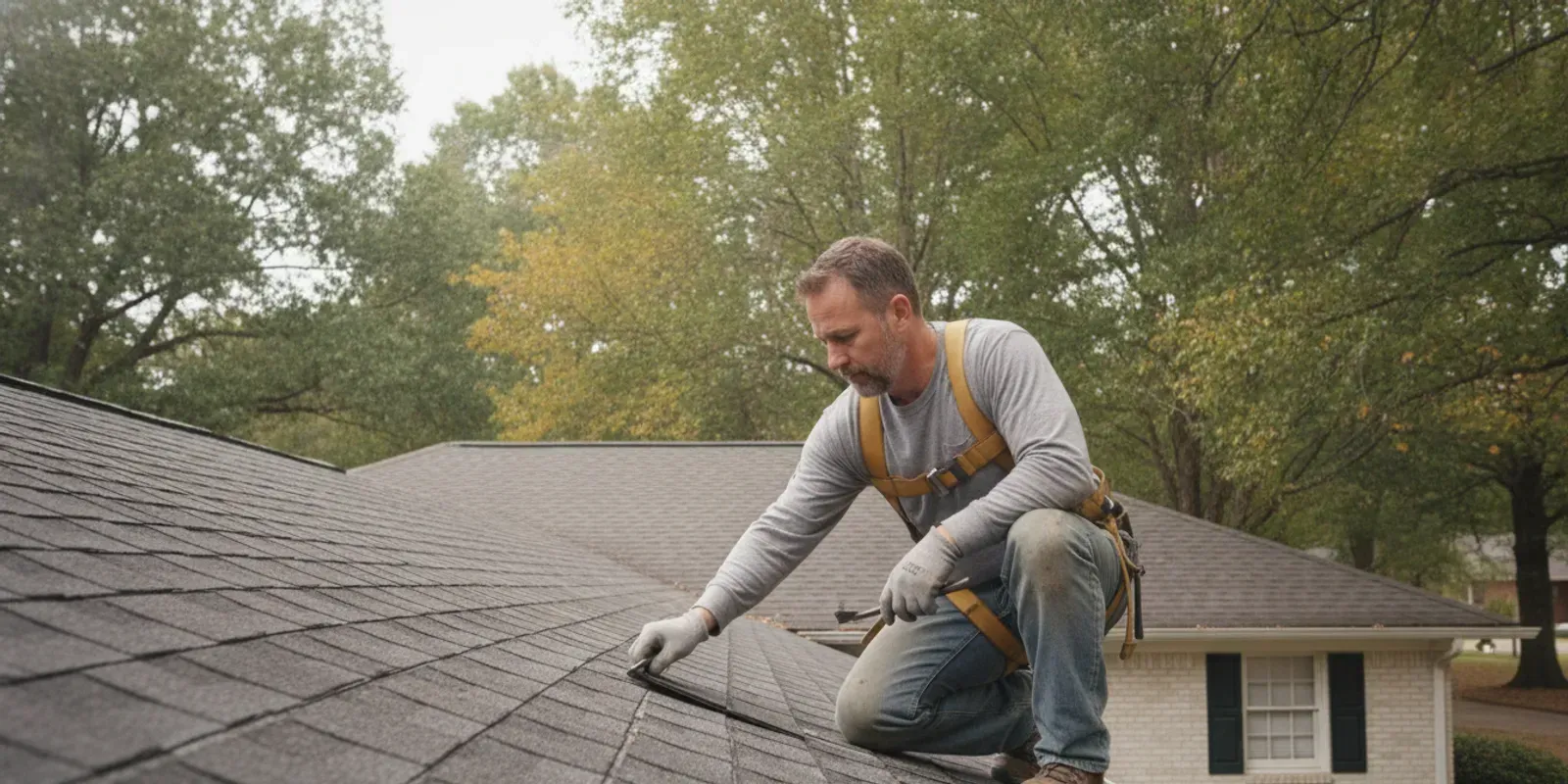
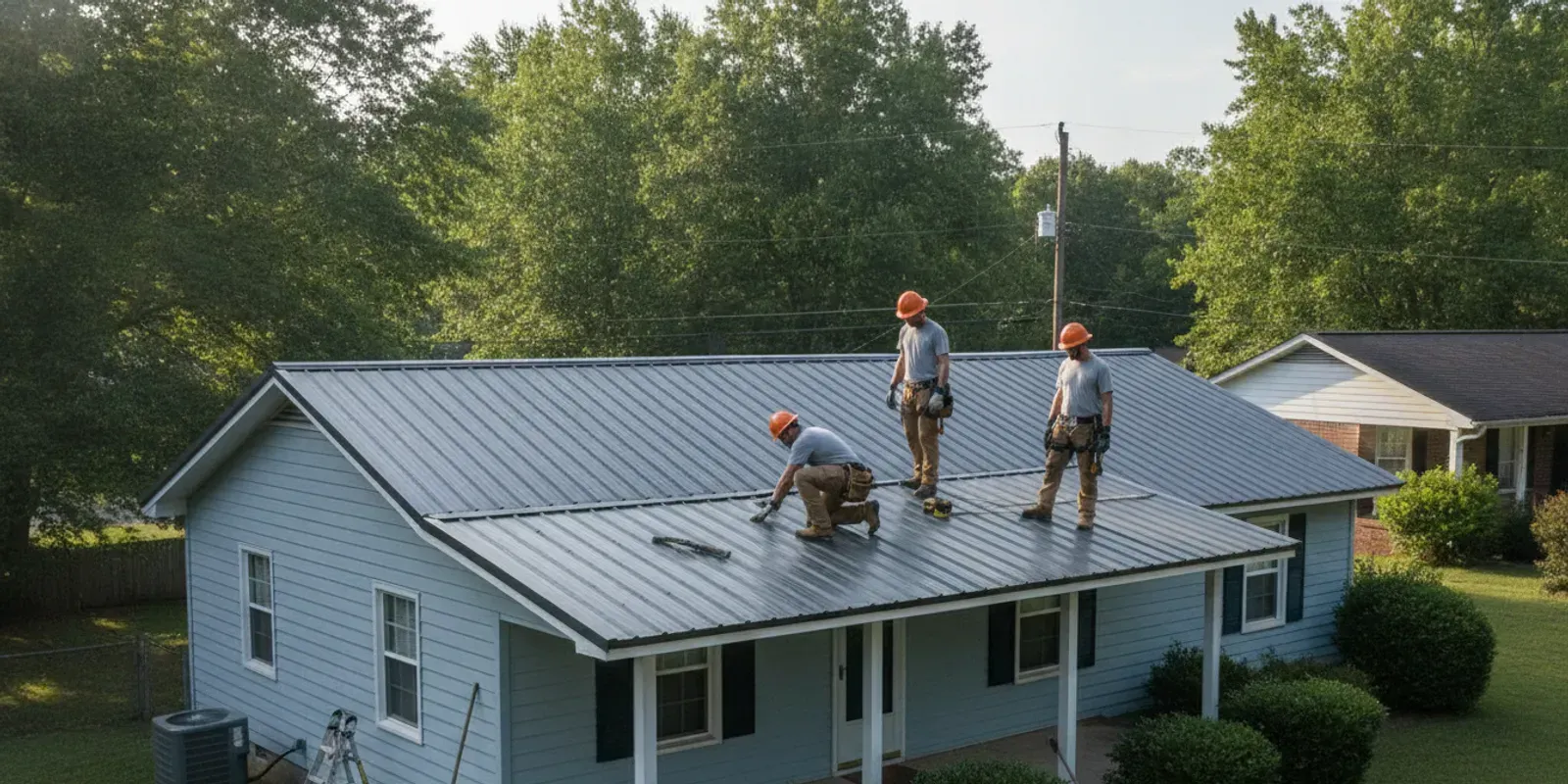
The work follows the agreed scope. A replacement commonly involves removing old roofing materials, checking the exposed surface, addressing included preparation or repairs, and installing the specified roofing system. A repair focuses on the affected area and may involve replacing or securing materials and correcting the source of a leak. The steps differ by roof design and condition.
Ask the contractor how unexpected conditions will be communicated and approved. Do not assume that any work outside the written scope is automatically included. If an issue is found after materials are removed, request an explanation of the condition, the proposed response, and any change to the scope before proceeding when practical.
Roofing details matter at transitions and edges, not only across the broad shingle field. A residential re-roof guide notes details such as interlaced step flashing at roof-to-sidewall junctions. Local requirements and the specific roof assembly can vary, so use applicable local guidance and the contractor’s project documents rather than treating one guide as a universal specification.
During the work, homeowners can help by keeping clear of the work zone and directing questions to the agreed contact. If you notice a concern, describe it without climbing up to investigate. Ask for updates at agreed points, such as after removal or once the main installation is complete. A clear communication plan makes it easier to understand progress without interrupting the crew or creating a safety risk.
Permits and inspections are another point to ask about, because requirements can vary by location and project. Check with the local building department about applicable rules or ask the contractor who is responsible for confirming them. Do not assume that another county’s rules apply to your property. Keep any permit documents or inspection records with the project paperwork if they are provided.
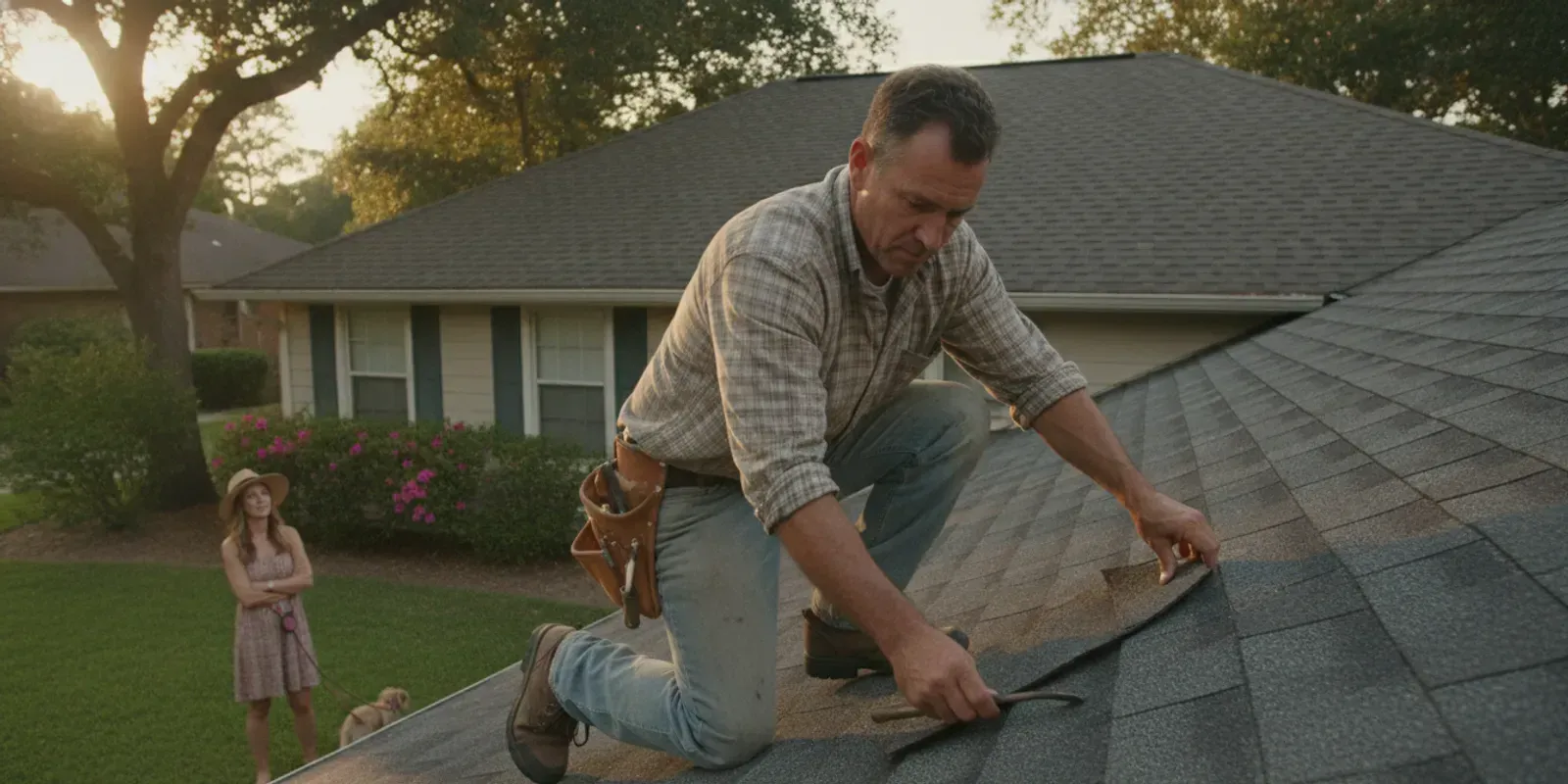
For a repair, ask what the work is intended to address and whether adjacent materials or related roof features are included. A repair may be limited to a specific area, while broader replacement work may involve more of the roof assembly. This is why the scope matters: it sets expectations about the work being performed and gives you a basis for asking follow-up questions if a symptom continues.
6. How should cleanup and final review work?
After the roofing work, ask what cleanup is included and how the crew checks the work area for discarded materials. Walk the accessible ground-level areas with the contractor if possible. Review any completion notes, ask what work was finished, and raise visible concerns promptly. Do not climb onto the roof for your own inspection.
Keep a copy of the estimate, any approved scope changes, and completion information with your home records. If you have questions about maintenance or a future concern, ask whom to contact and what information to provide. Learn more about examples of roofing work and asphalt shingle lifespan considerations.
Before considering the project complete, ask whether anything remains outstanding, whether any follow-up visit is expected, and what documents you should retain. Review the site from safe ground-level locations, including walkways and areas where debris may have fallen. If you see a concern, describe its location and take a ground-level photo when safe. Record the date and the person you contacted so that the issue can be followed through clearly.
Make sure you understand any care or access guidance given after the work. For example, ask whether there are temporary restrictions around the work area or any follow-up steps specific to the materials used. Keep invoices, material information, and written communications together. Good records make it easier to answer questions later about what was installed, what was repaired, and what was included in the agreed job.
What changes when the roof work follows storm damage?
Storm-related work starts with the same priorities: protect people, describe the problem, document what you can safely observe, and get a clear assessment. Keep receipts and photographs of resulting interior damage, if any, and save communications related to the event. If you contact your insurer, ask about its process and required documentation; coverage decisions belong to the insurer and depend on the policy and facts of the loss.
Total Roof Solutions offers storm damage repair and insurance claim assistance. That does not mean every storm event is covered or that a claim will be approved. Read guidance on hail damage and insurance claims and ask the contractor to distinguish observed roof conditions from any coverage determination.
If temporary protection is needed, ask a qualified professional what can be done safely and what documentation to keep. Avoid climbing, placing a tarp, or removing materials yourself, especially when surfaces are wet or unstable. Keep a simple timeline of calls, visits, photographs, and decisions. That record can help you explain the sequence of events to the roofing company and insurer without making assumptions about cause or coverage.
When several parties are involved, keep their roles distinct. The roofing contractor can explain observed conditions and proposed roofing work; the insurer determines coverage under the policy. Ask each party what information it needs and keep copies of what you send. If the damage is limited to a small area, confirm whether the proposed repair addresses the reported concern and what you should watch for afterward.
Frequently asked questions about the roofing process
How long does a roof replacement take?
Timing depends on roof size, design, materials, weather, and any conditions discovered during the work. Ask for an expected schedule for your project and how delays will be communicated. Total Roof’s general business information notes that many residential projects are completed in one to three days, but that is not a guarantee for every roof.
Can I stay home while the roof is being replaced?
Many homeowners remain at home, but expect noise and activity around the property. Ask the contractor about access, work hours, pets, children, and any areas that should remain clear. Make arrangements that fit your household and the project plan.
Should I choose repair or replacement?
That depends on the roof’s condition, the location and extent of damage, and the likely durability of a repair. Ask the roofer to explain the evidence for each option and what the proposed work addresses. A clear comparison helps you decide without relying on a single symptom.
What should I do if rain is forecast during the project?
Ask the contractor how weather affects the schedule and what steps are used to protect the roof if work is paused. Do not attempt to cover or access the roof yourself. Follow the contractor’s safety instructions and report any water intrusion promptly.
For homeowners comparing next steps, Total Roof’s residential roof repair information describes its repair service. You can also review factors that affect replacement timing before discussing a project schedule.
Discuss your roofing questions
A clear scope, careful preparation, and a final conversation help you understand each stage of roofing work and what to expect at your home.