What Can Go Wrong During a Roof Replacement
MEGA MEGA • October 26, 2026
See what can go wrong during a roof replacement, from weather delays and deck damage to flashing, cleanup, and change orders, and how to plan.
A roof replacement is a loud, messy job, and most of the surprises are ordinary rather than dramatic. Weather can pause the work. The wood under the shingles can be soft. A written change can add a day and a cost you did not expect. Knowing what can go wrong during a roof replacement lets you plan the questions, the photos, and the approvals before the first shingle comes off.
This guide stays with the job itself. It covers weather holds, hidden deck damage, ventilation, flashing, cleanup, and change orders. It does not price a new roof or tell you whether repair is enough. Those choices belong in a separate conversation with a written scope.
What Can Go Wrong During a Roof Replacement
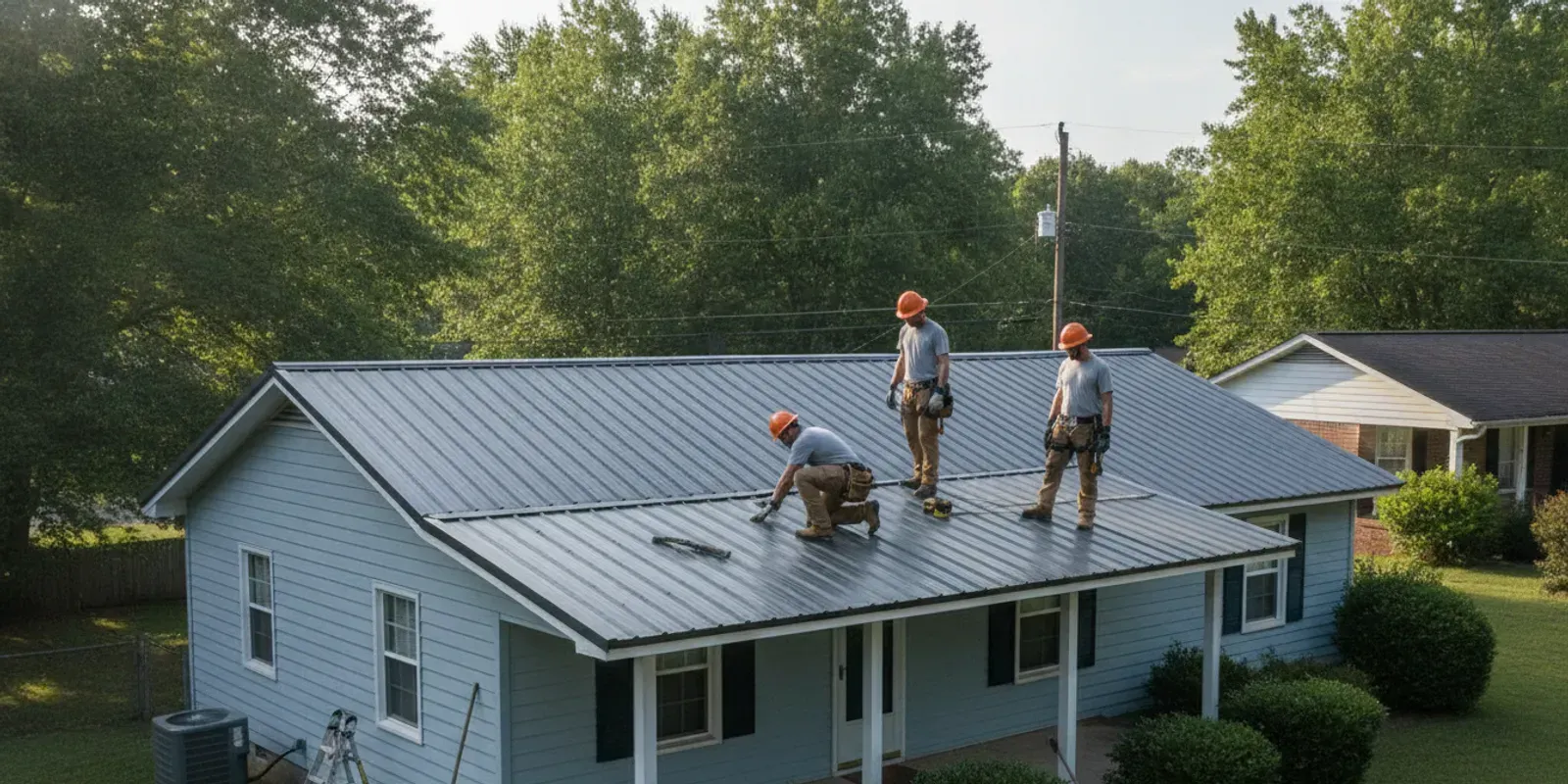
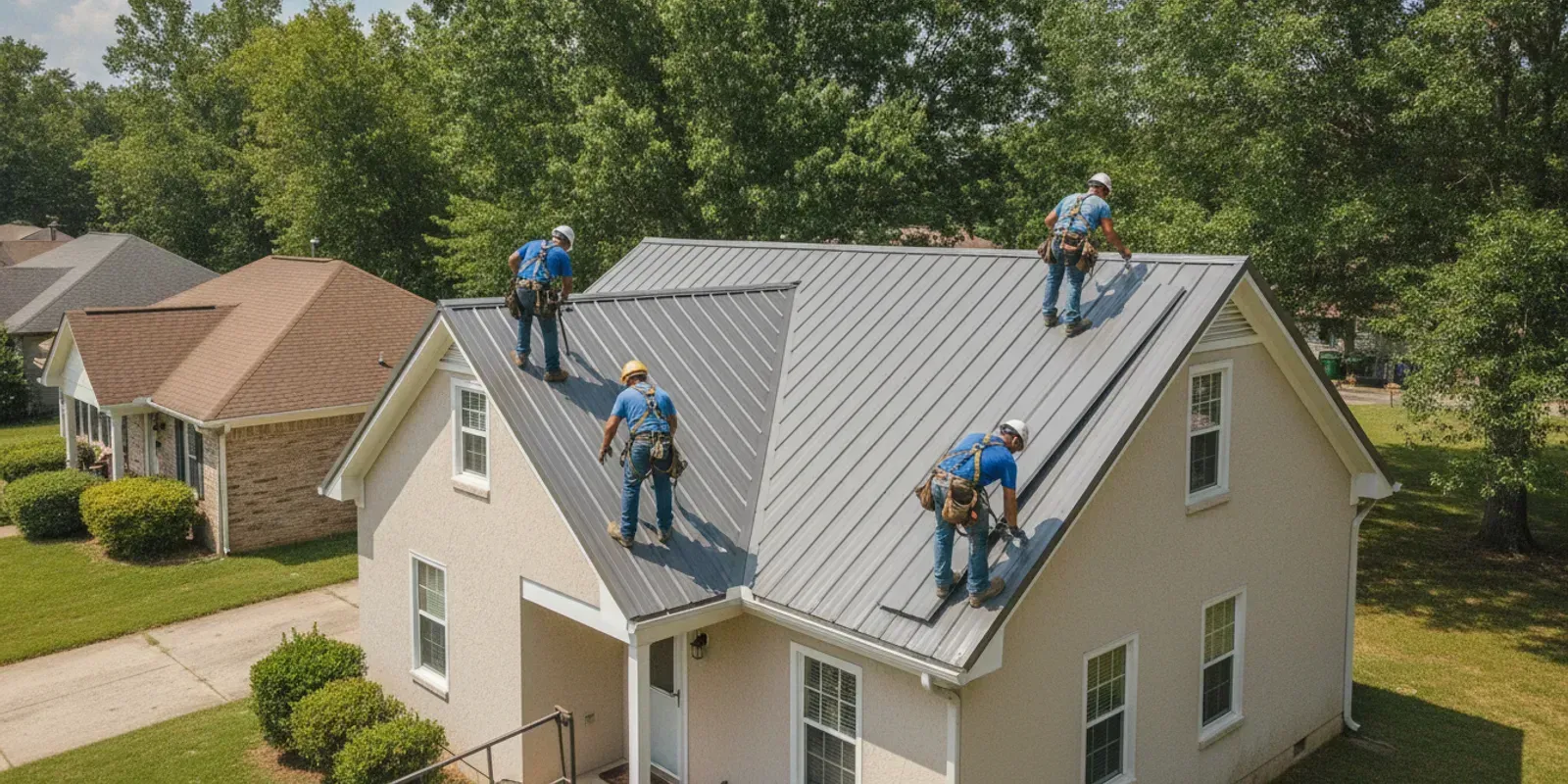
Most problems show up in a short list. The old roof comes off and the deck is worse than the surface suggested. Rain arrives while the house is open. Flashing around a chimney or wall is reused when it should be replaced. Vents stay undersized. Debris ends up in the yard or the gutters. A needed repair becomes a verbal add-on instead of a written change order.
None of those issues means the project was a mistake. Tear-off is the first time anyone can see the whole deck. A calm crew stops, shows you the problem, and waits for a written yes before extra work starts. The trouble starts when that pause never happens, or when you only hear about it after the invoice.
Problem | When it shows up | What a clear plan does
Weather delay. Before tear-off, or mid-day if storms build. | Sets a stop rule and a dry-in plan before the date.
Hidden deck damage. After the old shingles and underlayment come off. | Prices deck repair in advance and requires photos.
Weak ventilation. During planning, or when old vents are reused. | Measures intake and exhaust instead of guessing.
Failed flashing. At chimneys, walls, skylights, and roof edges. | Replaces flashing with the roof, not years later.
Messy cleanup. During tear-off and at the end of the day. | Uses tarps, magnets, and a written walk-through.
Surprise change order. Any time hidden work is found. | Requires a written price and your approval first.
Use the table as a checklist, not a scare list. Ask which of these items are already in the proposal and which ones would trigger a pause. A residential roof replacement should name the tear-off, the new underlayment, the flashing, and the cleanup before work starts.
Weather Can Pause the Job
Georgia storms do not care about a start date. A crew should not strip a roof when rain, high wind, or lightning is likely before the house can be dried in. The safe move is a delay. The risky move is racing the weather and leaving open decking under a loose tarp.
Ask for the weather rule in writing. A useful rule names who watches the forecast, how many hours of dry weather the crew needs, and what happens if a storm builds after tear-off starts. It should also say whether the crew can cover the open areas the same day. A delay is inconvenient. An open roof in a downpour is a leak.
You can help the schedule without pushing a bad day. Keep cars out of the driveway, unlock gates, and move patio items before the crew arrives. If the date moves, ask for the next clear window rather than a promise that ignores the radar. Seasonal storms are a known part of roof work in this region, which is why seasonal roof maintenance matters before a replacement, not only after it.
Wind is its own stop condition. Loose underlayment, felt, and shingle bundles become hazards. Crews also need stable footing. If the crew calls off a windy morning, that is part of a careful job, not a sign the company is unreliable.
Hidden Deck Damage Shows Up After Tear-Off
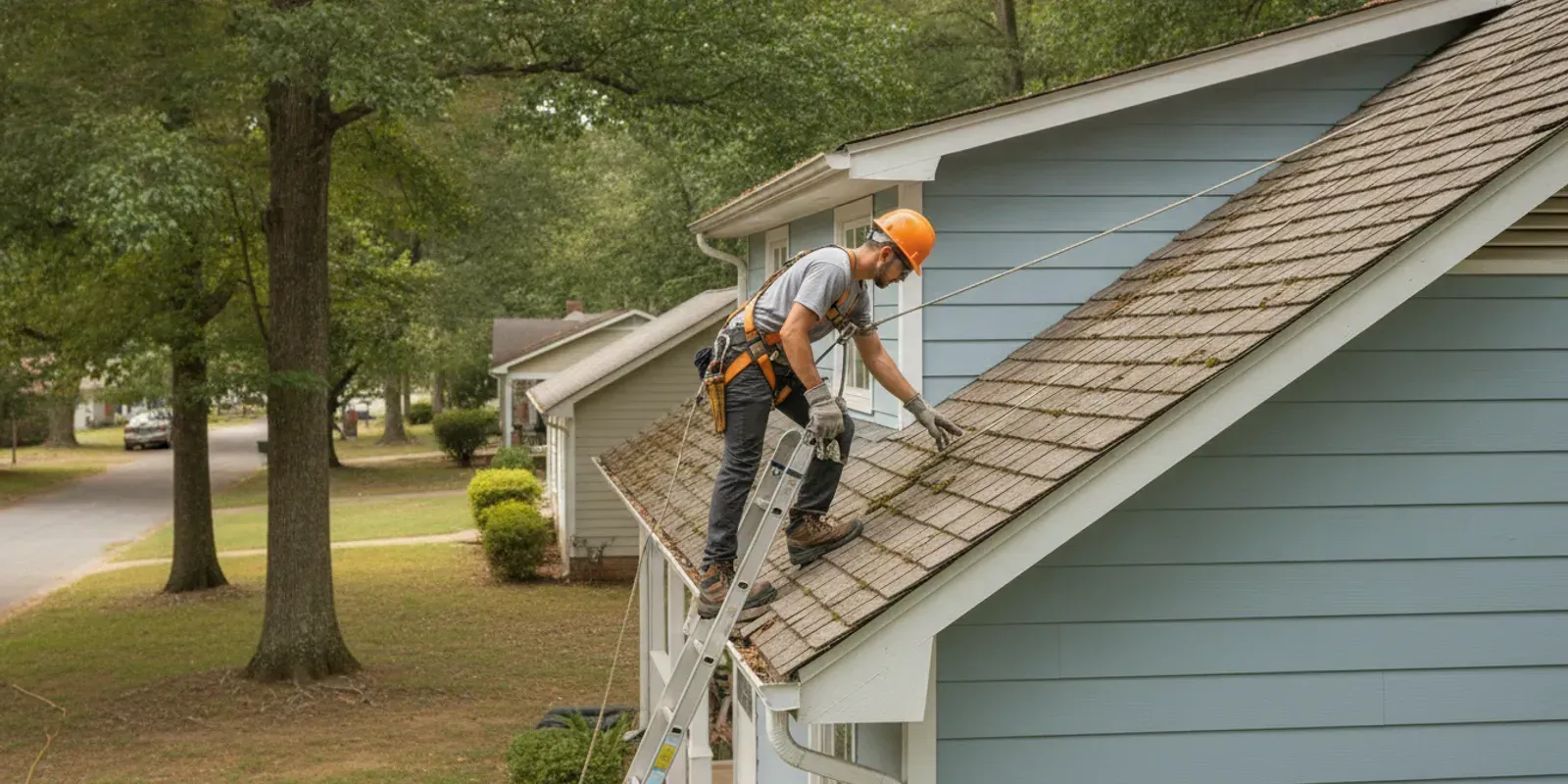
Shingles can look tired while the wood underneath is sound. The reverse is also true. A roof can look acceptable from the yard and still hide soft plywood, old patches, or rot around a long-term leak. Nobody can price every board with certainty until the covering is gone.
The proposal should say what happens if the deck needs repair. A fair version includes a per-sheet or per-area price, a photo of the damaged spot, and a pause for your approval. It should not say "deck repair as needed" with no number and no notice. You want to know the unit price before the crew is standing on the roof.
Soft decking is not a reason to panic, but it is a reason to stop. New shingles fastened to rotten wood will not stay put, and the leak that caused the rot can return. If you have stains on a ceiling, read roof repair advice first so you know whether the stain is old or active. Active leaks often mark the boards that will need replacement.
Ask the crew to mark the repair on a simple roof sketch. A photo of one soft sheet is useful. A note that says "replaced bad wood" is not. You should be able to match the invoice lines to the photos. That record also helps if a later stain appears in the same spot.
Ventilation and Flashing Get Skipped
A new shingle layer does not fix a roof that cannot breathe or a joint that lets water in from the side. Ventilation and flashing are the details most likely to be reused from the old roof because they are less visible than the shingles. Reusing them is sometimes fine. Assuming they are fine is not.
Intake and exhaust should be planned together. Soffit vents that are blocked by insulation, or a ridge vent with no intake, can trap heat and moisture. The crew should look at both ends of the air path, not just add a vent cap and move on. If the attic already has moisture stains, say so before the bid. That clue belongs in the scope.
Flashing fails at the places water changes direction. Chimneys, sidewalls, skylights, and roof valleys all need metal or another approved flashing that sheds water away from the joint. The International Residential Code roof assembly rules call for flashing at wall and roof intersections, at changes in slope, and around roof openings. A cricket is also required on the ridge side of a chimney or penetration more than 30 inches wide.
Old step flashing buried in a wall, or a skylight curb with cracked sealant, will not be cured by new shingles alone. If a skylight is already leaking, settle that scope before tear-off day. The notes in skylight dome replacement explain when a dome or curb needs more than a patch. The same logic applies to chimney flashing: replace it with the roof when the metal is rusted, loose, or painted over.
Ask to see the flashing plan in plain language. "Reuse existing flashing where sound" is acceptable only if the proposal also says who judges "sound" and when you will be told. Replacing flashing at all walls, chimneys, and penetrations is clearer. It is also easier to check at the walk-through.
Cleanup and Property Protection Fail Quietly
Tear-off creates nails, granules, and pieces of old shingle. The problem is not that the yard looks busy at noon. The problem is a nail in a tire the next week, or granules packed into a downspout that used to drain. Cleanup is part of the roof, even though it is not on the ridge line.
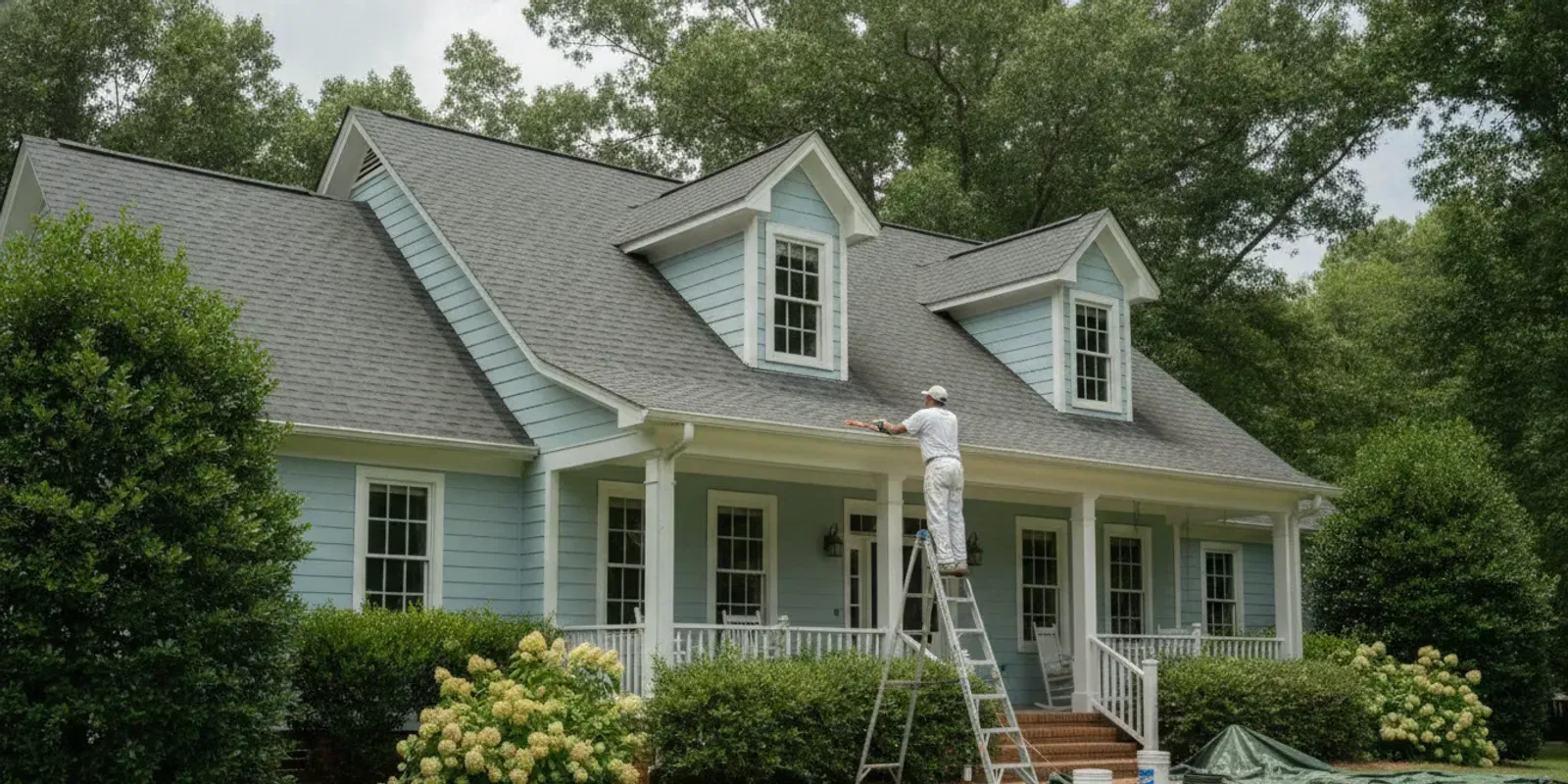
Before the crew starts, walk the property together. Note flower beds, AC lines, satellite cables, and the path to the dump trailer. Ask where tarps will go and whether plants along the eaves will be covered. A good crew protects siding and windows from falling debris and keeps a magnet roller for nails in the driveway and the grass.
Gutters deserve their own line in the scope. Tear-off fills them. If the gutters are already loose or undersized, this is the time to say so, not after the new roof sheds water into a sagging trough. Gutter installation and repair can be scheduled with the roof so the drainage is checked while the crew is still on site.
The last hour of the job should include a walk with you. Look at the driveway, the beds, the attic side of penetrations if access is safe, and the ground around downspouts. Take your own photos. A handshake and a "we will swing back" is weaker than a short punch list with a date.
Change Orders Need a Written Yes
A change order is not a trick. It is the form that records extra decking, extra flashing, a permit fee, or a vent the original bid did not include. The failure mode is a verbal approval on a noisy job site, followed by a bill that does not match what you thought you approved.
Set the rule before the start date. Extra work needs a short written note with the reason, the quantity, and the price. A text message or email is enough if both sides can read it later. Photos should be attached for hidden repairs. You should be able to say no, or to ask for a smaller repair, without the crew treating that pause as a conflict.
Price the likely extras in the original proposal so the change order is a confirmation, not a surprise. Deck sheets, chimney flashing, and pipe boots are common. Rare items, such as rotted fascia or a skylight that cannot be saved, can stay as allowances. An allowance with a number is still clearer than an open-ended note.
If the project is tied to an insurance claim, keep the carrier's paperwork separate from the construction change order. Coverage questions are not the same as "this board is soft." The guide to a roof inspection for an insurance claim covers documentation. This article only covers how the crew should ask you before the extra work begins.
A Pre-Project Checklist That Prevents Most Surprises
You do not need to learn roofing to run a calm project. You need a short list and the habit of getting answers before tear-off day. Use this order, and keep the replies with the proposal.
- Confirm the start date, the weather stop rule, and how the open roof will be dried in.
- Read the scope for tear-off, underlayment, flashing, ventilation, and daily cleanup.
- Ask for the deck-repair unit price and the photo rule before work starts.
- Point out known leaks, ceiling stains, skylights, and chimneys during the visit.
- Walk the yard and mark plants, cables, and vehicles that need protection.
- Agree that every extra cost needs a written yes with a quantity and a price.
- Schedule a final walk-through and ask when warranty papers will be handed over.
If you are still deciding whether the roof should be replaced at all, pause here and use a decision guide first. Roof repair versus replacement is a different question from "what can fail once replacement starts." Mixing the two leads to a scope that tries to do everything and specifies nothing.
Material choice can also create false confidence. A longer-lasting shingle does not erase a bad flashing detail. If you are comparing products, keep that research in the material conversation, then bring only the chosen product back to this checklist. The Georgia shingle price guide is the place for product cost, not for job-site risk.
Total Roof Solutions is a licensed, bonded, and insured contractor based in McDonough. Replacement work includes a deck look and attention to ventilation before the new roof goes on. That process still needs your questions. A careful company will welcome them.
How to Talk With the Crew on Work Day
Pick one person who can approve changes, and make sure the crew knows how to reach that person. A job goes sideways when the only adult who can say yes is in meetings and the crew is guessing. Share a mobile number and a backup, and agree on a time you can take a short call.
Ask for a midday update if tear-off will last more than a few hours. The update can be three sentences: what came off, what the deck looks like, and whether anything needs a decision. You do not need to climb the roof. You do need the chance to hear about soft wood before it is covered.
Keep pets and children inside, and tell the crew about alarm sensors or solar gear. Small facts prevent avoidable damage. If you work from home, expect noise and nail guns. Plan calls away from the rooms under the open roof.
At the end of each day, look at the ground and the dried-in areas if the roof is not finished. A protected house overnight is the standard, not a bonus. If something looks open, say so before the crew leaves. Morning is a poor time to discover a gap.
What a Finished Replacement Should Leave You
The end of the job is more than a clean driveway. You should leave with photos of the deck repairs, a list of flashing that was replaced, the ventilation notes, and the warranty papers. You should also know who to call if a nail shows up later or a ceiling stain appears after the first hard rain.
Manufacturer warranties and workmanship warranties are different. One covers the product under its own terms. The other covers how the roof was installed. Ask which papers you are receiving and what maintenance they expect from you. Clogged gutters and covered soffit vents are common homeowner tasks, not defects in the shingles.
If the first storm after the job finds a drip, treat it as a callback, not as proof the whole roof failed. Note the room, the time, and the weather, and send photos. A crew that documented the job can usually trace a drip to a flashing joint or a vent much faster than a crew that left no record.
If you want a written scope before tear-off day, contact Total Roof Solutions or call 678-752-8668.
Frequently Asked Questions
Can a roof replacement be done in the rain?
Tear-off should wait for a dry window long enough to cover the deck. If a storm builds after the roof is open, the crew should stop and dry the house in. A planned delay is safer than shingling through rain.
Who pays if the deck is rotten?
Hidden deck repair is usually an extra, because it cannot be fully measured before tear-off. The proposal should list a unit price and require your written approval after photos. Do not accept an open-ended "as needed" line with no number.
Should old flashing be reused?
Only when it is sound, complete, and still able to shed water. Rusted, loose, or painted-over flashing at chimneys, walls, and skylights should be replaced with the roof. Ask who makes that call and when you will be told.
How do I avoid a surprise bill?
Price likely extras up front and require a written change order for anything new. The note should include the reason, the quantity, the price, and a photo for hidden work. A text you can save is enough.
What should I check on the final walk-through?
Look for nails in the driveway and yard, debris in the gutters, and a clear note of deck and flashing work. Collect warranty papers before the crew leaves. Ask for a callback contact in case the first storm reveals a drip.