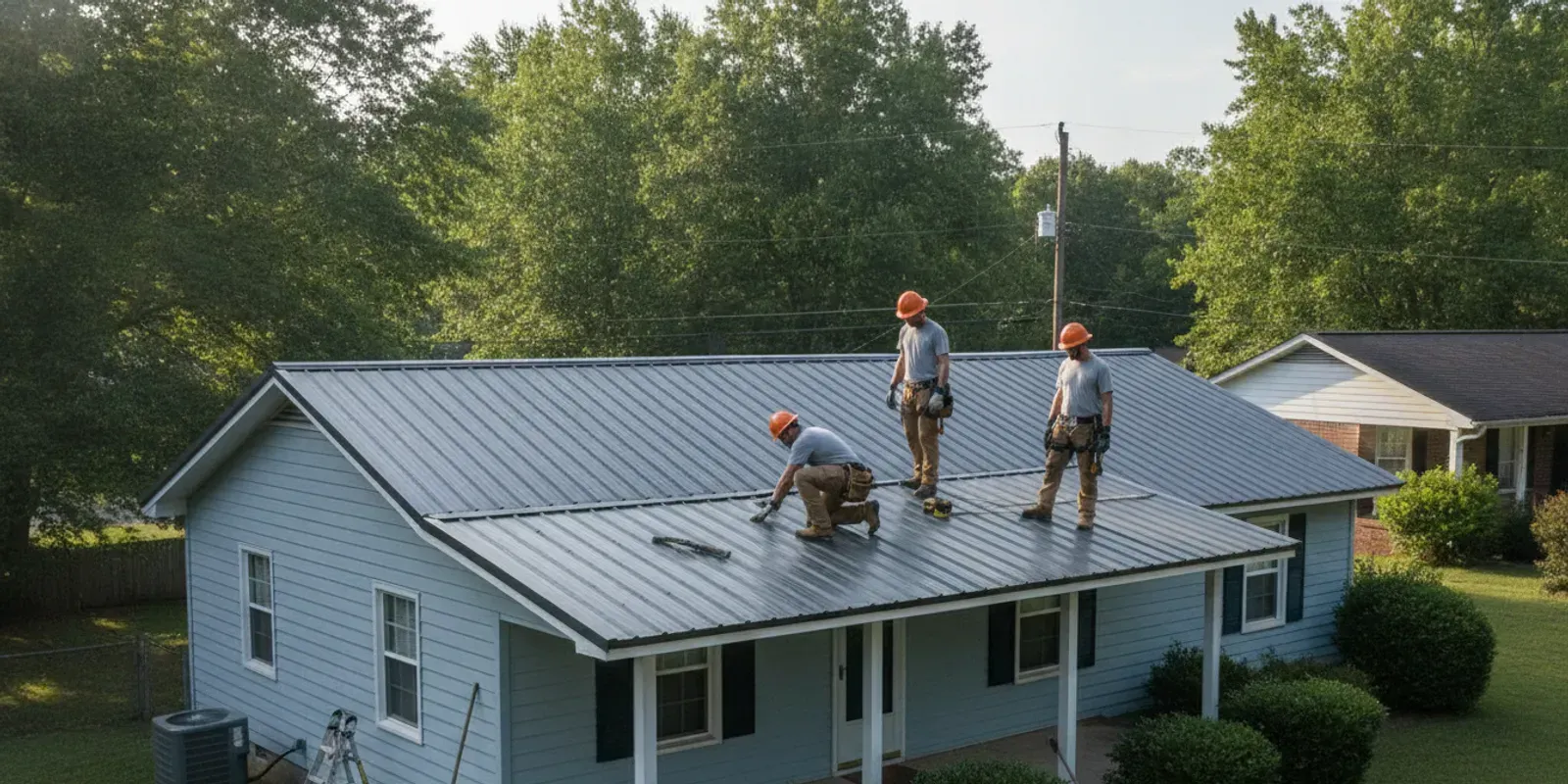
Roof Replacement in Newnan, GA: Local Planning Questions
MEGA MEGA • October 29, 2026
Planning a roof replacement in Newnan, GA? Learn how to compare written scopes, ask about permits, plan for weather, and prepare your home for work.

If you are planning a roof replacement in Newnan, GA, start by understanding the roof’s condition, the written work scope, and the local requirements that may apply. These details help you compare proposals, plan around disruption, and know what decisions may arise once old roofing is removed.
What should you check before planning a roof replacement in Newnan?
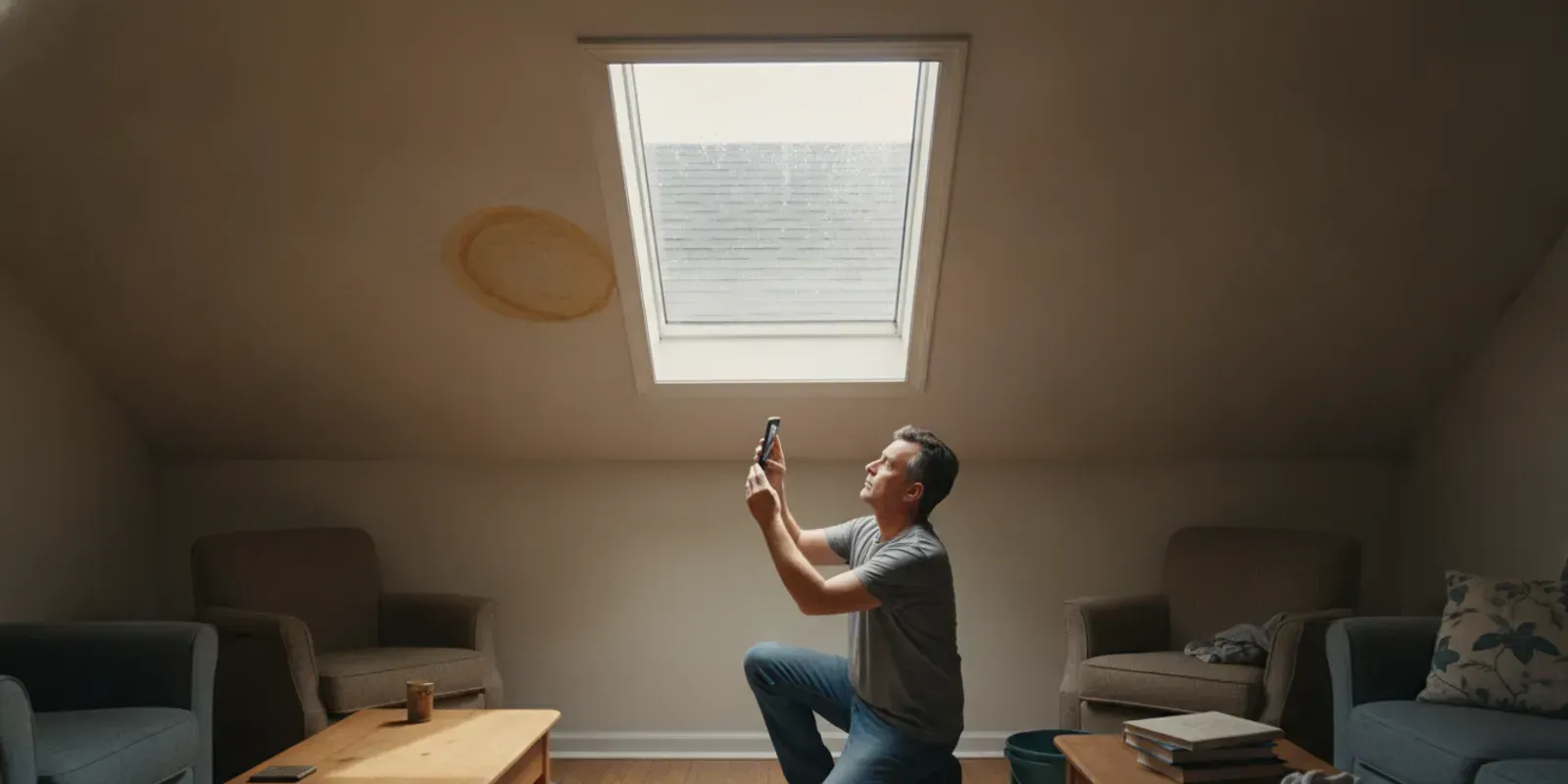
Begin with the reason you are considering replacement. Note the approximate age of the roof if you know it, recurring leaks, missing or damaged shingles, previous repairs, and interior signs such as ceiling stains. Ground-level photos can help you describe visible symptoms. Do not climb onto the roof to investigate; leave close inspection to a qualified roofing professional.
Visible symptoms do not always reveal the source or full extent of a problem. A leak may start around flashing, a vent, or another roof detail rather than across the whole roof. On the other hand, widespread wear or repeated failures may make another isolated patch a poor fit. Ask the roofer to explain what was observed, what evidence supports the recommendation, and why the proposed scope addresses the cause rather than only the symptom.
Collect relevant records before requesting proposals. These may include prior roofing invoices, product or workmanship warranty documents, notes about earlier leaks, and insurance correspondence if the project relates to a claim. Records do not decide the work, but they give a contractor useful context and help you avoid losing track of previous repairs.
Also make a short list of practical constraints. Note whether you have a narrow driveway, a gate that needs access, sensitive plantings near the house, or household routines affected by daytime noise. Mention those details when arranging an evaluation, not after materials have arrived.
How should you compare roof replacement proposals?
Ask each provider to price the same general scope. A headline total is hard to compare when one proposal includes different materials, tear-off, flashing, or cleanup than another. Request a written description and use the following sections to spot gaps before choosing.
Materials and installation details
Confirm the shingle type or product line and ask how the proposal addresses underlayment, flashing, roof edges, penetrations, and ventilation if that work is included. The document should say what is included and what is excluded. If you have a preferred color, ask when you must select it and whether availability could affect the schedule. Do not assume that two proposals are equivalent simply because both say “architectural shingles”; ask for enough product detail to understand the difference.
Removal and the roof deck
Ask whether existing roofing will be removed and how the exposed deck will be assessed. Deterioration beneath shingles may not be visible from the yard. Find out how the contractor will document an unexpected condition, explain the proposed repair, and obtain your approval before extra work proceeds. Ask what information you will receive about any cost or schedule change.
Protection, cleanup, and completion
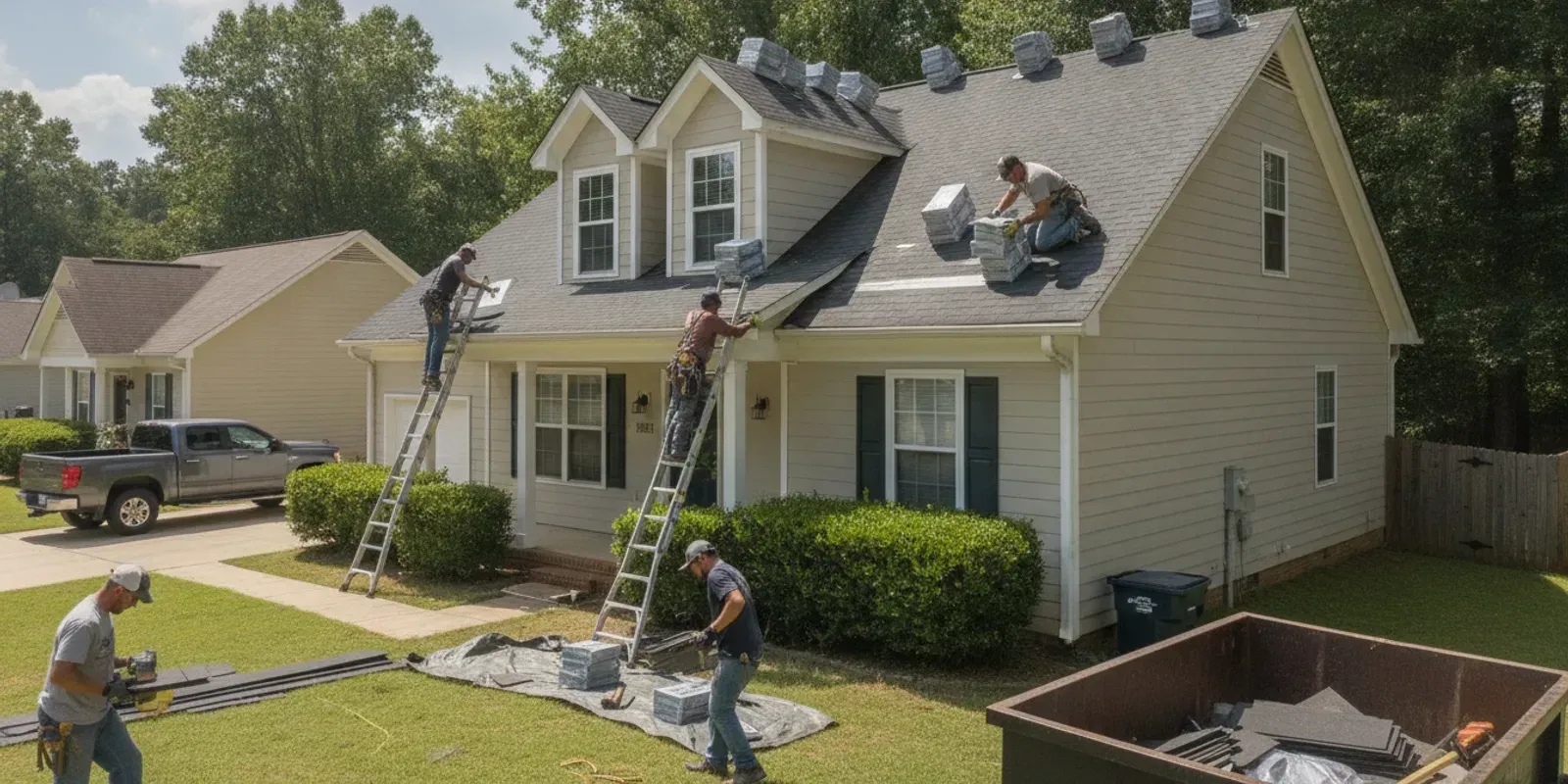
Ask how the crew will protect landscaping, outdoor equipment, walkways, and areas near the house. Clarify what cleanup includes and how roofing debris and nails will be collected. Ask who reviews the finished work, what paperwork you will receive, and how to report a concern after the crew leaves.
Use a checklist rather than relying on the proposal’s total alone:
- Scope: Does it identify removal, installation, flashing, ventilation, and included repairs?
- Materials: Are the product and relevant components described clearly?
- Unforeseen conditions: Is there a process for explaining and approving extra work?
- Schedule: Are the anticipated start, weather contingencies, and likely duration discussed?
- Property care: Have access, protection, debris, and cleanup been addressed?
- Documentation: Do you understand payment terms, warranty information, and the point of contact?
Consider the quality of the explanation, too. A useful proposal should let you understand why work is recommended, what alternatives may exist, and which decisions remain yours. If a phrase is unclear, ask for a plain-language explanation in writing. Keep the estimate and any later revisions together so you can see exactly what changed.
How can you compare two proposals fairly?
Imagine one bid lists tear-off, underlayment, new shingles, and cleanup, while another gives only a single line for “complete roof replacement.” The second total may look simpler, but it leaves open questions about flashing, disposal, deck repairs, and how the work will be approved if hidden damage appears. Ask the second provider to clarify those points before treating the prices as comparable.
Next, mark each item as included, excluded, or not yet specified. A blank is not a promise that the work is included. If one contractor proposes replacement and another suggests repair, ask each to explain the condition they found and the expected limits of their recommendation. You are not looking for identical language; you are looking for a clear basis for the decision.
Do you need to check permits or local requirements?
Permit and inspection requirements can depend on the project and the authority having jurisdiction. Do not assume the same rule applies to every address or every type of roofing work. Before signing, ask which permits or approvals may apply, who will obtain them, whether inspections are expected, and what documents you will receive afterward.
For a property in Newnan, check with the local building department for requirements tied to the address and proposed scope. If your property is outside the city limits, another local authority may have jurisdiction. Georgia building-code information is available through the Georgia Department of Community Affairs; contact the applicable local authority to confirm how its requirements apply to your project.
Keep permit applications, approvals, inspection records, the final agreement, and written change approvals with your home documents. If a contractor says a permit is not needed, ask what project detail or local rule supports that conclusion. When the answer is uncertain, verify it with the authority responsible for the property rather than relying on a general statement.
Questions to ask about permits
- Which local office has jurisdiction over this address?
- Does the proposed scope require a permit or inspection?
- Who submits the application and pays any applicable fees?
- Will work begin only after required approvals?
- Who schedules an inspection and shares the result?
- What records should I keep when the project is complete?
Write down the answers and the name or office you contacted. If the scope changes after work begins, ask whether the change affects the permit or inspection plan. A small written record now can make it easier to answer questions later, including during a future home sale or maintenance discussion.
How can you plan around weather and scheduling?
Roofing work is exposed to weather, so a planned start date is not an unconditional promise. Rain, wind, or unsafe conditions may delay tear-off or installation. Ask how the contractor monitors conditions, protects the roof if work is interrupted, and communicates a revised schedule. Confirm who will contact you and how quickly you should expect an update when the forecast changes.
Before work begins, confirm the expected sequence. Ask when materials will arrive, where they will be placed, whether you should move vehicles, and what access the crew needs. If you work from home or have household routines affected by noise, ask when the loudest work is likely to occur. Keep in mind that weather or concealed repairs can change the sequence and duration.
A residential replacement may take more than one day depending on roof size, complexity, weather, and conditions found after removal. Ask for a realistic estimate for your specific project and what might extend it. Clarify whether the contractor expects work on consecutive days and what happens if the site is left between work periods. A project-specific explanation is more useful than relying on a general duration that may not fit your home.
Build a practical schedule buffer
If you are coordinating other work, avoid scheduling deliveries or trades that depend on a guaranteed completion date unless the roofer confirms the sequence. For example, exterior painting, satellite equipment work, or a planned driveway delivery could conflict with material staging or crew access. Tell the contractor about those commitments early and ask which dates are firm and which are provisional.
Set aside a little flexibility for the unexpected. A weather delay may move the start, while a deck issue may add a step after tear-off. Ask how schedule changes affect material delivery and whether you need to be home for approvals. Keep the key contact number and a copy of the agreed schedule accessible on work days.
What should you do to prepare your home?
Preparation is mostly about clearing the work area, protecting belongings, and making access expectations clear. Use this list a few days before the scheduled start:
- Move vehicles away from the home and confirm where the crew may park.
- Relocate patio furniture, planters, grills, and other items near the exterior walls.
- Keep children and pets away from work areas and material drop locations.
- Move fragile items from shelves or walls if roof work may cause vibration.
- Tell the contractor about sensitive landscaping, gates, outdoor wiring, or access limits.
- Ask whether attic access, power, or a clear driveway will be needed.
- Secure or bring inside items that could be affected by dust or falling debris.
Do not put yourself at risk to move heavy items or inspect the roof. If you cannot move something, tell the contractor before the crew arrives and ask what arrangement is possible. Discuss how the team will reach the work area and where materials or disposal containers may be placed. For a sense of the company's typical work, review examples of completed roofing projects.
Prepare the inside, too
Roof work can create noise and vibration. Consider moving breakable objects from shelves, picture ledges, and wall-mounted displays near the upper floor. If you have a room where someone needs quiet, plan to use another space during the noisiest period if possible. Ask the contractor whether attic access is needed and whether stored items should be moved away from the access point.
Let household members know that the driveway or areas beside the house may be active work zones. Keep pets indoors or in a secure area away from doors that crews may use. If you have a delivery, appointment, or accessibility need on the scheduled day, raise it in advance so the access plan can account for it.
What happens during a typical replacement?
Every roof has its own details, but a residential replacement often follows a sequence like this:
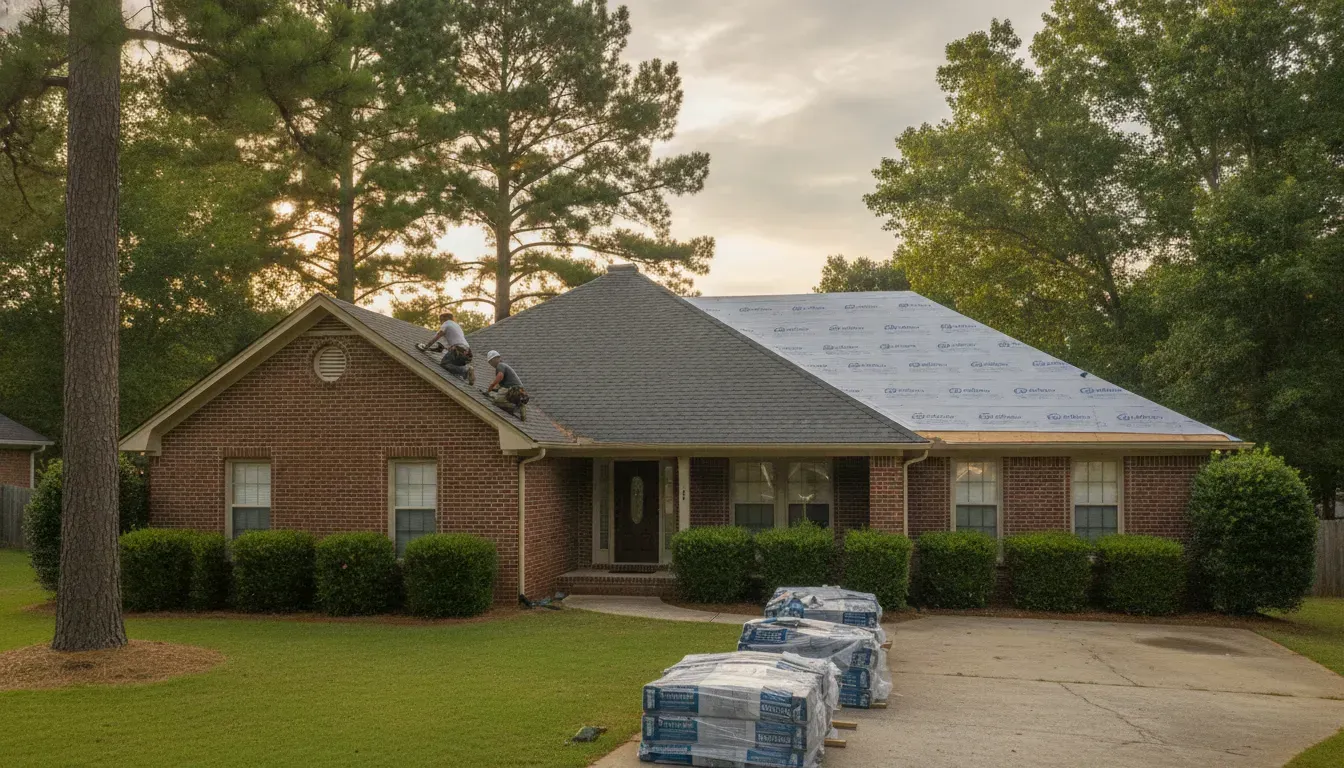
- Arrival and site setup: The crew confirms access and places materials and protection where planned.
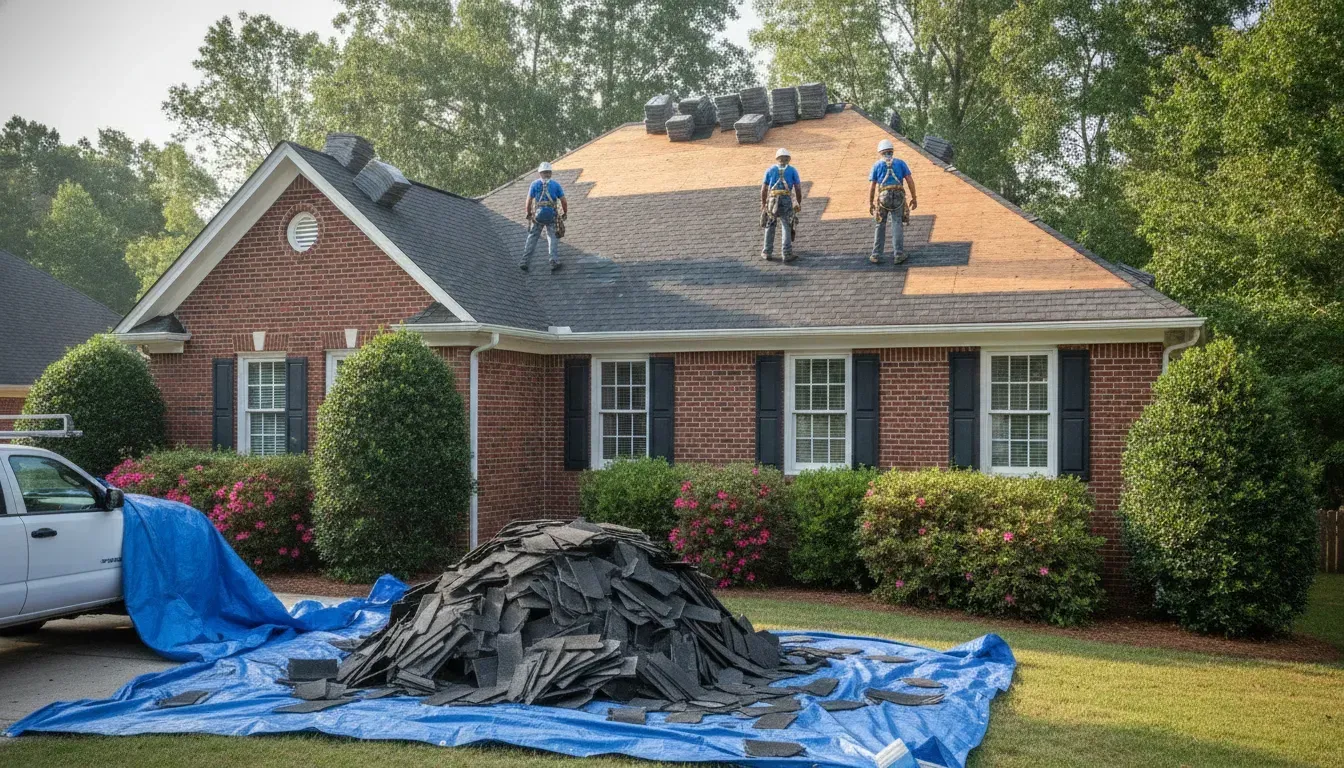
- Removal: Existing roofing is removed in the areas included in the agreement.
- Deck review: The exposed surface is checked. If concealed damage appears, the contractor should explain it and discuss next steps with you.
- Installation: Underlayment, flashing, and the selected roofing materials are installed according to the agreed scope.
- Cleanup and review: The crew removes project debris, and you confirm how to raise follow-up concerns.
Ask how communication will work on installation day. Know who can answer questions, how you will be contacted if an unexpected condition is found, and whether written approval is required for a scope change. Keep a copy of any approved change so there is a clear record of the work and any cost adjustment.
What if the deck needs repair?
Because the deck is under the old roofing, its condition may only become clear after removal. Before work begins, ask how the contractor handles this possibility. Will someone take photos? How will the needed repair be described? Who will explain whether the work is necessary and what the cost or schedule effect may be? Agree on how to reach you and whether the crew will pause in the affected area while waiting for authorization.
When you receive a proposed change, compare it with the original scope and ask what has changed in practical terms. Request a written description and cost before authorizing additional work. If you cannot be present, decide in advance how you will receive the information and give approval. This avoids relying on an unclear verbal exchange while the project is underway.
How do you assess the finished work?
When the work is complete, review the agreement and ask the contractor to walk you through the completed scope. Confirm that agreed materials and details were addressed, the work area was cleaned, and you received the paperwork promised in the contract. Ask for applicable warranty information, the final invoice, permit documentation, or inspection records.
Do not hesitate to raise a concern promptly. Describe its location and what you observed; take photos from a safe place if useful. Keep your messages and the contractor’s response with the project records. For questions about roof repair or replacement options, read about the residential roof repair and replacement service.
Make a simple closeout record
- Save the signed agreement, approved changes, invoices, and payment records.
- Keep product and workmanship warranty documents in the same folder.
- Store permits, inspection information, and completion records where you can find them.
- Write down the date the work was completed and the contact for follow-up questions.
- Note any concern you reported and the date it was addressed.
These records can help you understand what was installed and what was agreed if a question arises later. They are also useful when arranging future maintenance or sharing the home's history with a new owner.
What if the project follows storm damage?
If a storm prompted the replacement, separate immediate property protection from the longer-term replacement decision. Document visible damage from the ground and keep receipts for reasonable temporary measures. If you have an insurance claim, review your policy and communicate with your insurer about its process. A roofing contractor can explain observed roof conditions, but your insurer determines coverage under the policy. Do not authorize work based on an assumption that an insurer will pay for it.
For a leak, limit interior damage only when it is safe to do so. Do not enter an area with a sagging ceiling or electrical hazard. For more on leak response, read what to do first when a roof leaks in Georgia. If you are pursuing a claim, the hail damage and insurance claim guide can help you prepare questions for your roofing provider.
Keep the replacement planning process separate from coverage decisions. Ask the insurer what documentation it needs, how it wants estimates submitted, and whether it expects to inspect the property. Keep copies of messages and do not treat an estimate as a coverage decision. If the proposed work changes after a closer assessment, share the updated scope through the insurer's stated process before assuming it is included.
How can Newnan property owners choose a next step?
Start with a clear description of the concern and request an evaluation and written estimate. If the property is in Newnan, confirm that the provider serves the address and ask who will handle local permit questions. Compare the written scope, communication plan, materials, and process for hidden conditions—not only the total price.
Newnan is in Coweta County, and Total Roof Solutions lists roofing services for the area. You can review the company's roof repair and replacement information for Coweta, see roofing services across Georgia, or learn about requesting a free roof estimate. The estimate conversation is a chance to describe what you have noticed, ask what the evaluation will cover, and find out what information the contractor needs from you.
Frequently asked questions about roof replacement in Newnan
Should I stay home while the roof is being replaced?
Ask the contractor what access or decisions may require your presence. You may not need to remain at home throughout the job, but you should be reachable if a concealed condition or scope question arises. Agree on a reliable way to communicate before work begins.
Can I choose the shingle color after the project is scheduled?
Confirm the selection deadline with the contractor. Availability and delivery timing can affect the schedule, so make the choice before the point identified in your proposal or project plan.
What should I do if I find debris after cleanup?
Contact the contractor promptly, describe where you found it, and keep people and pets away from anything that could be hazardous. Ask how the crew will review the area and what cleanup follow-up is planned.
Does a roof replacement always require a permit in Newnan?
Requirements depend on the work and the authority responsible for the address. Ask the contractor and confirm with the local building department rather than assuming that every replacement has the same permit or inspection requirement.
Talk with the roofing team about your project
A roof replacement is easier to manage when the scope, local requirements, schedule, and communication plan are clear before work begins. Ask questions early and keep written answers with your project records.