Architectural Asphalt Shingles: A Homeowner's Guide

Stephen Griswell • March 18, 2026
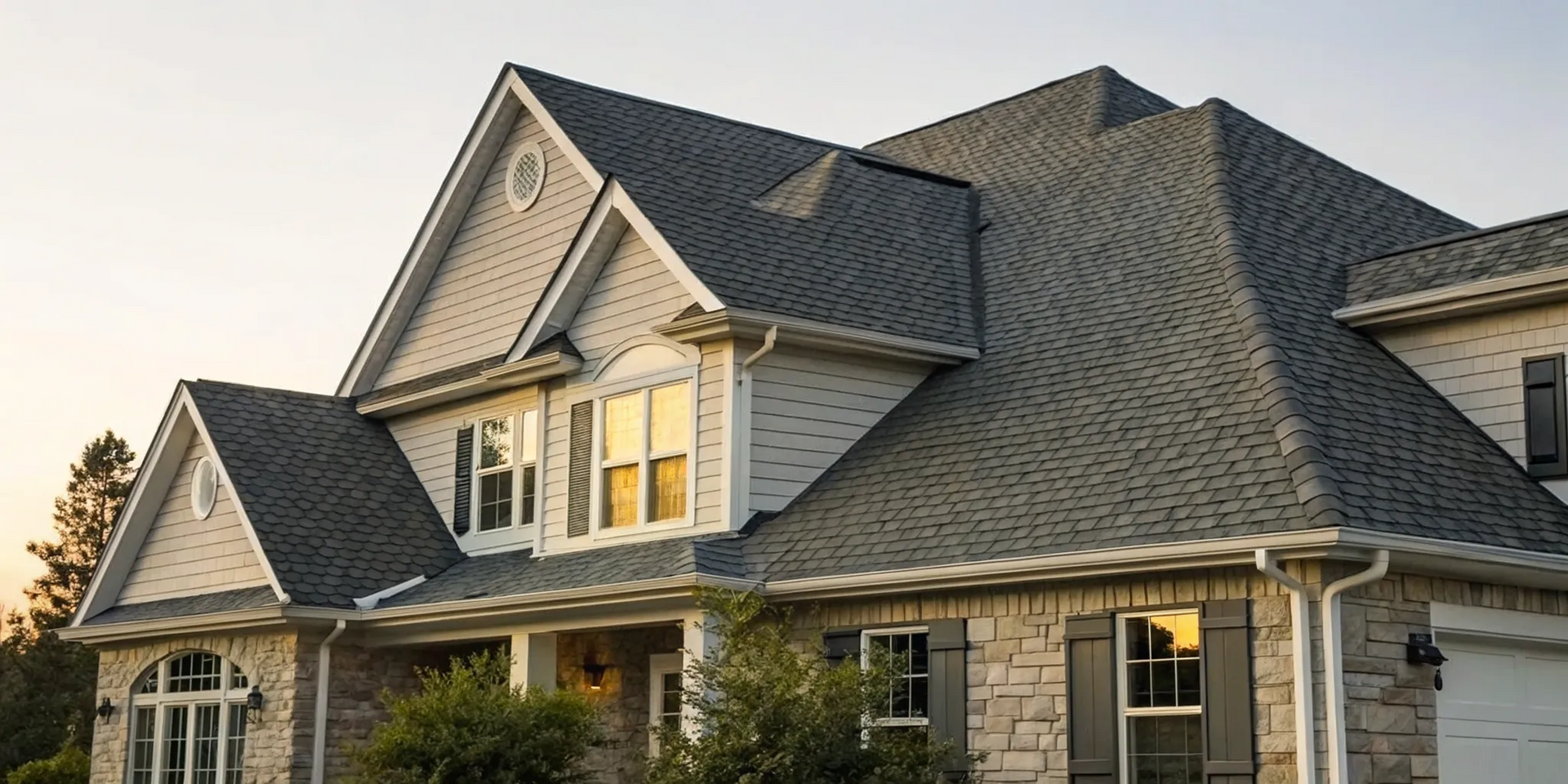
Your roof makes up a huge portion of your home’s exterior, and its appearance has a massive impact on your overall curb appeal. If you’re looking to make a significant visual upgrade, architectural shingles are an excellent choice. They are designed to mimic the look of premium roofing materials like natural slate or wood shakes, offering beautiful texture and rich color blends that create stunning shadow lines. This gives your home a custom, high-end look without the high cost and maintenance of those other materials. Let's explore how choosing the right asphalt shingles architectural style can completely transform your home's aesthetic.


CONTACT US


Key Takeaways

  • Architectural shingles offer superior performance and style: Their multi-layer construction provides better durability against Georgia's weather and creates a high-end, dimensional look that significantly improves your home's curb appeal.
  • Focus on long-term value, not just the initial price: Although they cost more upfront than 3-tab shingles, their much longer lifespan and lower maintenance needs make them a smarter financial decision in the long run.
  • Professional installation protects your investment: The quality of the installation directly impacts your roof's lifespan and warranty, so hiring a certified contractor is essential to ensure your shingles perform correctly and your warranty remains valid.

What Exactly Are Architectural Shingles?

If you've started looking into a new roof, you’ve probably heard the term "architectural shingles." Also known as dimensional or laminated shingles, they became a popular choice in the 1980s and have since become the go-to for homeowners wanting a durable, high-end look without the high-end price tag. They offer a significant upgrade from the traditional shingles you might be used to seeing. Understanding what makes them different is the first step in deciding if they’re the right fit for your home.

How They're Made

Unlike basic shingles, architectural shingles are made by bonding two or more layers of material together. The process starts with a strong fiberglass mat for a base, which is then coated in water-resistant asphalt. Finally, the top layer is embedded with ceramic-coated mineral granules that provide color and protection from UV rays. This laminated construction makes them thicker, heavier, and much more resilient than their single-layer counterparts. This multi-layer design is what gives them their signature dimensional look and superior strength for any residential roofing project.

Architectural vs. 3-Tab Shingles

The most common alternative to architectural shingles is the traditional 3-tab shingle. You can spot a 3-tab roof by its flat, uniform pattern. While they are a budget-friendly option, they are made from a single, thinner layer of material. Architectural shingles, with their multi-layered build, are significantly stronger and last much longer, typically 30 to 50 years compared to the 15 to 20-year lifespan of 3-tab shingles. The layered texture of architectural shingles also creates depth and shadow lines, adding a rich, upscale look to your home that a flat 3-tab shingle can’t replicate.

Standard vs. Designer Styles

Within the architectural category, you have a couple of options. Standard architectural shingles are the most popular choice, offering that beautiful dimensional look and excellent durability. For homeowners wanting to make an even bigger statement, there are designer styles, also called luxury or premium shingles. These are the thickest option, sometimes made with three or more bonded layers. Designer shingles are crafted to mimic the appearance of natural materials like slate or wood shakes, giving you a premium look without the high cost and maintenance. Choosing the right style can feel overwhelming, but an experienced team can help you find the perfect fit.

Why Choose Architectural Shingles for Your Home?

When it’s time for a new roof, the number of options can feel overwhelming. But if you’re looking for a material that perfectly balances durability, beauty, and long-term value, architectural shingles are a fantastic choice. They represent a significant step up from traditional 3-tab shingles, offering homeowners a range of benefits that are especially well-suited for our Georgia climate. From standing strong against summer storms to improving your home’s curb appeal, architectural shingles provide a reliable and stylish solution for protecting your biggest investment.

Durability for Georgia's Weather

Here in Georgia, our roofs have to endure a lot: blistering summer heat, heavy thunderstorms, high humidity, and even the occasional threat of hail or high winds. Architectural shingles are built for this challenge. Thanks to their laminated, multi-layer construction, they are thicker and heavier than standard shingles. This design makes them incredibly tough and resistant to damage. Many architectural shingles are rated to withstand winds of up to 110 miles per hour, giving you peace of mind when a storm rolls through. Their weight and durability make them a top choice for protecting your home from the elements year-round.

A Major Upgrade in Style and Curb Appeal

Architectural shingles do more than just protect your home; they transform its appearance. Unlike the flat, uniform look of 3-tab shingles, architectural shingles have a distinct, layered, three-dimensional look. This creates beautiful shadow lines and adds texture, mimicking the high-end appearance of natural materials like slate or wood shakes without the hefty price tag or maintenance. This dimensional quality instantly improves your home’s curb appeal, making it look more sophisticated and custom-built. With a wide variety of colors and styles available, you can find the perfect look to complement your home’s exterior, reflecting our commitment to detailed craftsmanship.

Potential Energy Savings

A new roof can also play a role in making your home more energy-efficient. Many modern architectural shingles are designed as "cool roofing" products. They are manufactured with special granules that reflect more of the sun's infrared radiation, preventing it from being absorbed into your home. By reducing heat buildup in your attic, these shingles help keep your entire house cooler during our long, hot summers. This means your air conditioning system doesn't have to work as hard to maintain a comfortable temperature, which can lead to noticeable savings on your monthly energy bills. It's a smart feature that benefits both your wallet and your comfort.

Increase Your Home's Resale Value

Investing in a new roof with architectural shingles is one of the smartest home improvement projects for increasing resale value. A durable, attractive roof is a huge selling point for potential buyers. When they see a high-quality architectural shingle roof, they see a well-cared-for home and are relieved they won’t have to face a costly roof replacement anytime soon. This upgrade not only makes your home more appealing on the market but can also allow you to ask for a higher price. It’s an investment that pays off, both in performance while you live there and in financial returns when it’s time to sell.

How Long Do Architectural Shingles Really Last?

When you invest in a new roof, one of the biggest questions on your mind is, "How long will it last?" It's a fair question. You're making a significant update to your home, and you want to know you're getting your money's worth. For architectural shingles, the answer isn't just a single number. While they are known for their longevity, their actual lifespan depends on a few key things: the manufacturer's warranty, our unique Georgia climate, and how well you maintain the roof over the years.

Understanding these factors will give you a much clearer picture of what to expect from your new roof. Think of the warranty as the baseline promise from the manufacturer, the local weather as the real-world test it has to endure, and regular maintenance as your way of helping it pass that test with flying colors. By looking at all three pieces together, you can get a realistic timeline and learn how to maximize the life of your shingles, ensuring your home stays protected for decades.

Lifespan vs. Warranty: What to Expect

You’ll often hear architectural shingles referred to as “30-year” or “50-year” shingles, but it's helpful to see these numbers as a measure of quality rather than a strict expiration date. In reality, you can expect a "30-year" shingle to last about 20 to 25 years. The warranty primarily covers manufacturing defects, not normal wear and tear from sun, rain, and storms. As an Owens Corning Platinum Preferred contractor, we can offer some of the strongest warranties available, giving you an extra layer of confidence in your investment and its long-term performance.

How Georgia's Climate Affects Your Roof

Here in Georgia, our roofs go through a lot. The intense summer sun and high humidity can be tough on any roofing material. Constant UV exposure can cause shingles to become brittle over time, while moisture can encourage algae and moss growth, which can trap water and damage the shingle surface. Then there are the severe thunderstorms that can bring high winds and hail, posing a direct threat to your roof's integrity. These local weather conditions are a major reason why a roof's actual lifespan might differ from its warranty period. Choosing high-quality residential roofing materials installed by experienced professionals is your best defense against our challenging climate.

Maintenance Tips for a Longer-Lasting Roof

A little proactive care can go a long way in extending the life of your architectural shingles. The most important step is to schedule regular professional inspections, especially after a major storm. An expert can spot subtle signs of damage you might miss from the ground. You should also keep an eye out for things like curling or missing shingles and dark streaks, which could indicate algae. One of the easiest and most effective maintenance tasks is keeping your gutters clean and clear of debris. Clogged gutters can cause water to back up under your shingles, leading to rot and leaks. Consistent maintenance helps you catch small problems before they become expensive ones.

How to Choose the Right Architectural Shingles

Once you’ve decided that architectural shingles are the right fit for your home, the next step is picking the perfect ones. This decision goes beyond just choosing a color. You’ll want to consider your local climate, your home’s aesthetic, and your budget to find a shingle that not only looks great but also provides lasting protection. Thinking through these key factors will help you make a confident choice you’ll be happy with for decades.

Factor in Georgia's Weather

Here in Georgia, our roofs put up with a lot: intense summer sun, high humidity, strong winds, and the occasional hailstorm. When choosing a shingle, you need to think about these local conditions. Look for shingles with features like algae resistance to prevent those unsightly black streaks caused by moisture. A high wind rating is also crucial to withstand our powerful thunderstorms. The right shingles for your residential roofing project will be designed to handle the specific challenges of our climate, ensuring your home stays protected year-round.

Find Your Perfect Color and Style

This is the fun part. Architectural shingles can completely transform your home’s curb appeal. They offer a high-quality, attractive option that can mimic the look of more expensive materials like cedar shakes or slate, but without the high cost and maintenance. With a huge range of colors and textures available, you can find the perfect match for your home’s siding, brick, and overall style. Take a drive around your neighborhood to see what others have chosen, and consider how different colors will complement your home’s exterior features.

Understand Impact Resistance Ratings

You might see some shingles advertised with a Class 4 Impact Resistance Rating. This is the highest rating available and means the shingle has been tested to withstand impacts from objects like hailstones. While not every home needs this level of protection, it can be a smart investment for peace of mind, especially in areas prone to severe weather. As a bonus, some insurance companies offer discounts on homeowner’s premiums for homes with a Class 4 roof. Our team of certified professionals can help you decide if this upgrade makes sense for your home.

Plan Your Budget and Financing

Architectural shingles do cost more upfront than basic 3-tab shingles, but it’s an investment that pays off. While they might have a higher initial price, their long life and low need for repairs mean you save money in the long run. A durable, high-quality roof is one of the best investments you can make in your home. We understand that a new roof is a significant expense, which is why we offer flexible financing options to help make your project more affordable. This allows you to get the best possible roof for your home without breaking your budget.

Breaking Down the Cost of Architectural Shingles

When you’re planning a new roof, the budget is always a top consideration. It’s easy to focus on the initial price tag, but the true cost of a roof involves much more than just the materials. Architectural shingles represent a balance of upfront investment and long-term value. Understanding the full financial picture, from installation to potential savings, helps you make a confident and informed decision for your home. Let’s look at the key factors that influence the overall cost of choosing architectural shingles for your residential roofing project.

Upfront Cost vs. Other Materials

Let's be direct: architectural shingles have a higher upfront cost than basic 3-tab shingles. You can generally expect to pay more per square foot for the premium materials and construction. While 3-tab shingles might seem like a bargain at first glance, it's important to remember that this initial price doesn't tell the whole story. The higher cost of architectural shingles buys you a thicker, more durable product that offers superior protection and a much longer lifespan. Think of it as the difference between a quick fix and a lasting solution for your home.

Long-Term Value and Return on Investment

This is where architectural shingles truly shine. Though the initial cost is higher, they deliver better long-term value because of their impressive durability and reduced maintenance needs. A roof that lasts decades longer than a cheaper alternative means you won't be facing another replacement project anytime soon. This makes them an excellent long-term investment, especially if you plan to live in your home for many years. You’re not just buying shingles; you’re investing in peace of mind and the lasting protection of your home against Georgia’s unpredictable weather.

Factoring in Installation Costs

The quality of your roof is only as good as its installation. To ensure your architectural shingles perform as they should and to keep your warranty valid, it's essential to have them installed by experts. The total project cost will always include professional labor, which is a critical component of a successful roof replacement. A certified and experienced team knows how to handle the specific requirements of these heavier, laminated shingles, ensuring every layer is perfectly placed for maximum protection and longevity. This professional touch is what guarantees your investment is well-protected.

Potential Insurance Savings

Here’s a financial perk you might not have considered: your new roof could save you money on homeowners insurance. Many high-quality architectural shingles come with a Class 4 Impact Resistance Rating, the highest rating available. This classification can help homeowners get a discount on their insurance premiums, depending on their provider and location. Similarly, the superior wind resistance of architectural shingles is another feature that insurance companies often reward. It’s always a great idea to call your insurance agent after your new roof is installed to see what savings you might qualify for.

Why Professional Installation is Crucial

Choosing architectural shingles is a great move for your home, but the shingles are only half the story. The quality of the installation is just as important. A professional job ensures your roof performs correctly for decades, while a poor one can lead to leaks and expensive repairs. Your roof is your home’s first line of defense, so having a qualified professional install it is the best way to protect your investment and gain peace of mind.

The Complexity of the Installation Process

Installing architectural shingles correctly is a detailed craft. The process involves precise layering, proper alignment for that dimensional look, and a specific nailing pattern to withstand high winds. It also requires a deep understanding of the entire residential roofing system, from underlayment to flashing and ventilation. To make sure your shingles last, it's essential to have them installed by experts who understand these complexities. A professional job ensures every component works together to keep your home safe and dry.

The Value of a Certified Contractor

When you hire a certified contractor, you're partnering with a proven expert. Companies with top-tier certifications, like an Owens Corning Platinum Preferred contractor, are thoroughly vetted by the manufacturer. This means they have the proper licensing, insurance, a history of quality work, and a commitment to ongoing training. A roofing expert can give you valuable advice to help you pick the best option for your home. Our certifications at Total Roof Solutions are a promise that we meet the highest industry standards.

How to Protect Your Warranty

Architectural shingles come with an excellent manufacturer warranty, but there's a catch: they must be installed exactly to the manufacturer's specifications. An improper installation, even with small mistakes, can completely void your warranty. This would leave you financially responsible for any future repairs. As manufacturers state, professional installation is key to keeping your warranty valid. Hiring a certified pro is the only way to guarantee the job is done by the book, ensuring your warranty remains intact and your investment is protected.

Related Articles


CONTACT US


Frequently Asked Questions

Are "architectural" and "dimensional" shingles the same thing? Yes, they are. You'll often hear the terms used interchangeably, along with "laminated" shingles. All three names refer to the same product: a shingle made from two or more layers bonded together. This multi-layer construction is what gives them their signature textured, three-dimensional appearance and makes them much stronger than traditional flat shingles.

How much more do architectural shingles really cost compared to 3-tab shingles? Architectural shingles are a premium product, so their upfront material cost is higher than basic 3-tab shingles. However, it's important to look at the bigger picture. Because they can last twice as long and require fewer repairs, their long-term value is significantly better. You are investing in a roof that you won't have to worry about replacing again in 15 years, which saves you a lot of money over time.

Will architectural shingles actually lower my energy bills? They certainly can. Many architectural shingles are available in "cool roof" colors that have special granules designed to reflect more sunlight. By reducing the amount of heat your attic absorbs, your air conditioning system doesn't have to work as hard to cool your home during our hot Georgia summers. While the savings vary, this energy-efficient feature can make a noticeable difference on your monthly utility bills.

What kind of maintenance is required for an architectural shingle roof? Architectural shingles are very low-maintenance, but a little care goes a long way. The most important thing you can do is keep your gutters clean to prevent water backup, which can damage the roof deck. It's also wise to have a professional inspection done periodically, especially after a major storm, to check for any subtle damage. This proactive approach helps you catch small issues before they become big problems.

Why is professional installation so important if these shingles are so durable? The durability of architectural shingles depends entirely on a correct installation. The process is more complex than it looks, requiring specific nailing patterns and techniques to ensure the shingles can withstand high winds and shed water properly. More importantly, manufacturers' warranties are very strict and can be voided by improper installation. Hiring a certified professional guarantees the job is done right, protecting both your home and your warranty.

By MEGA MEGA August 4, 2026
Schedule a free roof inspection. Get the 2026 metal roof installation cost Atlanta guide with material prices, labor costs, and ROI for Georgia homes.
By MEGA MEGA August 3, 2026
Schedule a free roof inspection in Georgia. Learn how to extend your asphalt shingle roof lifespan with proper ventilation, maintenance tips, and premium Owens Corning shingles.
By MEGA MEGA July 31, 2026
The body content of your post goes here. To edit this text, click on it and delete this default text and start typing your own or paste your own from a different source.
Commercial building with a flat roof under Atlanta sky, professional roofing technician inspecting t
By MEGA MEGA July 29, 2026
Schedule a free commercial roof inspection in Atlanta. Learn how commercial flat roof maintenance protects your building, extends system life, and prevents costly repairs.
A professional roofer installing architectural shingles on a residential home in McDonough Georgia on a sunny day
By MEGA MEGA July 27, 2026
The body content of your post goes here. To edit this text, click on it and delete this default text and start typing your own or paste your own from a different source.
A beautifully maintained Georgia home with a warm-toned asphalt shingle roof under a bright blue sky
July 24, 2026
Get a free roof inspection in McDonough. Learn what asphalt shingle roof lifespan Georgia homes expect, compare shingle types, and spot signs of wear.
By MEGA MEGA July 23, 2026
Schedule a free roof inspection in Atlanta to decide if roof repair vs replacement Atlanta is right for your home. Compare costs, warning signs, and local options.
Professional seamless aluminum gutter installation on an Atlanta home with gutter guard system
By MEGA MEGA July 21, 2026
Schedule a free gutter replacement Atlanta consultation today. Compare seamless aluminum gutters, 6-inch vs 5-inch sizing, costs, and lifespans for your home.
By MEGA MEGA July 17, 2026
Georgia storm seasons leave thousands of homeowners with hidden roof leaks and missing shingles each year. Failing to file your claim quickly can lead to expensive repairs that insurance will not cover later. Schedule a free roof inspection with Total Roof Solutions today. A storm damage roof insurance claim Georgia homeowners submit must prove that a recent weather event caused clear and direct harm to the home. Most standard policies in the state cover perils like wind, hail, and falling trees, but you must act fast to meet strict deadlines. While Georgia law often gives you 12 to 24 months to start a claim, filing within 60 days prevents many insurance claim denials. A professional roof inspection gives you the written proof needed to show that a storm caused the leaks or missing roof shingles. Working with a top contractor helps note every bit of damage. That way you get the full new roof value that your policy pays. It is vital to know which perils your policy protects before you start the filing process. Read on to learn what types of storm damage your homeowners insurance covers in Georgia and how to navigate the claims process. Storm Damage Roof Insurance Claim Georgia: What Types of Storm Damage Does Homeowners Insurance Cover in Georgia? Georgia storms bring high winds and large hail that can hurt your roof. Most home insurance plans in the state help pay for this kind of loss. This includes damage from wind, hail, and trees that fall during a storm. If you have a storm damage roof insurance claim in Georgia , you need to know what your plan covers. Sudden damage from lightning, fire, or the weight of ice and snow is also usually covered by standard plans. You should check your roof right after any large storm to find signs of loss. Common storm damage types Most Georgia plans cover a set of common storm events. These are often called perils in your plan papers. They include: High winds and windstorms Hail and falling ice Falling trees and debris Lightning and fire Weight of ice and snow Wind and hail are the top causes of roof loss for Georgia homes. A strong wind can lift or tear off your shingles. It can also blow large tree limbs onto your house. Hail can leave dents or cracks that let water into your home over time. Most plans cover these issues because they are sudden and happen by chance. You can find more details in our guide on how to get insurance to pay for roof replacement in Georgia . It is vital to act fast so you can fix these problems before they get worse. Georgia homeowners often have 12 to 24 months to file a claim after a storm hits. But it is best to file within the first 30 to 60 days. This makes it easier to prove that the storm caused the damage you see. You can read more about the insurance claim process for roof damage in Georgia to see the common steps. Filing fast helps you avoid more loss from leaks or mold that can grow in your attic. Items not covered by your policy Your insurance will not pay for every type of roof problem. Plans do not cover damage that happens slowly over many years. This includes normal wear and tear or a roof that has reached the end of its life. If your roof has rot or mold because you did not fix a small leak, the insurance company may deny your claim. Poor work from a past repair is also not covered by most plans. Keeping your roof in good shape helps you stay ready for any storm. You should have a pro look at your roof once a year to find small issues. Neglect is one of the main reasons a claim might be denied. Insurance is for sudden events, not for a roof that has been ignored for a long time. If the wood under your shingles is soft or rotten from years of leaks, the company will likely not pay to fix it. This is why a pro check is so helpful after a storm. It can show the difference between new storm damage and old wear. Knowing your cash value options When you file a claim, the insurance company will look at how they pay for the loss. There are two main ways they do this. FeatureReplacement Cost Value (RCV)Actual Cash Value (ACV)What it paysFull cost to replace your roof with new materialsDepreciated value based on roof age and wearBest forNewer roofs and homeowners who want full coverageBudget policies with lower premiumsOut-of-pocket costDeductible onlyDeductible plus depreciation amountCommon in GeorgiaPreferred by most homeownersOften used for older roofs or lower-cost plansClaim outcomeYou get a new roof of similar qualityYou pay the gap between depreciated value and actual cost Replacement Cost Value (RCV) pays the full cost to get a new roof of the same kind. You only have to pay your deductible. Actual Cash Value (ACV) is different. ACV takes away money for the age and wear of your old roof. This means you get less money if your roof is old. You will have to pay more out of your own pocket to get a new roof. You should also check your deductible for wind and hail. In Georgia, many plans use a part of your home's value for this cost. This is often between 1% and 5%. If your home is insured for $300,000 and you have a 2% deductible, you must pay $6,000 yourself. Knowing roofing insurance coverage in Georgia can help you plan for these costs before a storm hits. How to Document Storm Damage Before Filing Your Claim Taking the right steps after a storm can make the difference between a fast approval and a long dispute. The storm damage roof insurance claim Georgia process depends on clear proof. You should start collecting evidence as soon as the weather clears and it is safe to go outside. Proper records help your adjuster see the full scale of the loss and ensure you get the funds needed for repairs. Prioritize safety and ground inspection Safety is the most vital part of the process. The Georgia Office of Commissioner of Insurance advises owners to avoid risks while checking for damage. Do not climb on your roof to find leaks or missing shingles. Wet surfaces and loose materials can lead to falls. Instead, walk around your home at a safe distance and look for issues from the ground. Look for shingles in the yard or visible dents in your gutters and siding. If you see fallen trees or debris, take note of where they hit the structure. You can use a pair of binoculars to get a closer view of the ridge and eaves. This ground-level check keeps you safe while providing a clear list of visible issues for your agent. Capture clear photos and videos Visual proof is the backbone of your claim. Take high-quality photos and videos of all visible damage from many angles. Start with wide shots that show the entire house to give the adjuster context. Then, move closer to document specific spots like bruised shingles, cracked tiles, or dented metal vents. Do not forget to record the date and time of the storm. Local weather records can back up your claim, but your own photos are hard to dispute. Keep a digital folder of these files so you can share them quickly with your insurer. Having a visual timeline of the damage helps prove that the issues were caused by a single event. Check for interior signs of leaks Roof damage often shows up inside your home before you see it on the outside. Go into your attic with a bright light to search for damp insulation or water spots on the wood. Check the ceilings and walls in your top-floor rooms for new stains or bubbling paint. These interior signs are key evidence that the roof system has failed. Note any areas where water is dripping or where you smell musty odors. Take pictures of these spots just as you did for the exterior. Interior damage often signals that you need hail damage roof repair and insurance help right away. Documenting these leaks shows the insurer that the damage is urgent and affects the safety of your home. Get a professional roof inspection While your own photos are helpful, an official report from a pro is much stronger. A trained contractor can find hidden issues that a homeowner might miss. They will check for small cracks, compromised seals, and granule loss that lead to long-term leaks. This official report provides the technical details that insurers trust most. Call a local expert to schedule a full storm damage checkup. Walk with the pro to point out the interior leaks you found. Ask for a written summary that lists all damaged areas and parts. Request a repair estimate that uses current market rates for Georgia. Keep this report ready for when the insurance adjuster visits your site. A professional inspection significantly lowers the risk of a claim denial. In Georgia, most owners have 12 to 24 months to file a claim , but acting fast is best. A pro can also meet with the insurance adjuster to make sure all damage is seen. This step ensures your claim is based on facts rather than a quick glance. The Step-by-Step Roof Insurance Claim Timeline in Georgia Filing a storm damage roof insurance claim in Georgia is a set process with clear steps. Knowing what happens at each stage helps you stay ready and keeps the work on track. Most claims move from the first call to a full fix in just a few weeks if you have the right help. Total Roof Solutions offers hail damage roof repair and insurance support to guide you through this cycle. How the claim starts The path begins with a full check of your home after a storm. You should look for missing shingles or leaks, but a pro can find hidden hits that most people miss. Once you have proof of loss, you call your carrier to start the case. They will give you a claim number and set a time for their expert to visit. You should share any photos or notes you have of the storm at this stage to help your case. File your claim with the insurer. Call your carrier or use their app to report the loss. Give them the date of the storm and a brief list of the harm you found. They will assign an adjuster to look at the roof and see how much it will cost to fix. Meet with the insurance adjuster. The adjuster will walk your roof to find signs of storm hits. It is vital to have your roofing contractor there for this meeting. They make sure the adjuster sees all the damage so nothing gets left off the report. A documented inspection is the best way to prove your loss. Review the first estimate. Your carrier will send a list of what they will pay for. This often takes about a week to arrive. This estimate shows the cost of materials and labor for the job. Do not worry if the first offer seems low, as there are ways to fix gaps in the budget. Submit a supplement if needed. Many times, the first price from the carrier is not enough to cover the full work. Your contractor can file a supplement with the insurer to ask for more funds. This covers things like code updates or extra materials found once the old roof is off. This step ensures the job is done right. Start the roof repairs. Once the budget is set, you can pick your shingle color and set a date. Most roof jobs in Georgia take just one to three days to finish. Total Roof Solutions works fast to get your home back in top shape. The team cleans the yard and hauls away old junk when the work is done. Close out the claim. After the work is done, your contractor sends proof to the insurer. The carrier then sends the last payment. You will pay your part, which is the deductible, and the job is marked as done. Always keep your final bills for your home records. Working with the adjuster The meeting with the insurance adjuster is the most important part of the whole timeline. You want to make sure they see every hail hit and wind-torn shingle. Having a pro from Total Roof Solutions there helps keep things fair. We know what to look for and can speak the same language as the adjuster. This team effort helps to get your claim approved without long delays or missed spots. After the adjuster leaves, it may take a few days to get your first check. This check often covers the actual cash value of the roof now. You will get the rest of the funds once the new roof is on your home. This ensures the money goes toward the fix as planned. You can check the standard cost guides to see if your quote is in the right range for local rates. What Happens If Your Roof Insurance Claim Gets Denied? A denied storm damage roof insurance claim in Georgia can be stressful. Many homeowners feel stuck when they get a denial letter after a heavy storm. However, a denial is not always the final word on your roof repair. You have rights and steps you can take to get the coverage you need for your home. Common reasons for a claim denial Insurance firms in Georgia often deny claims for a few reasons. One common issue is the mix of old wear with new storm damage. If an adjuster thinks your roof was already weak due to age, they may not pay for the loss. Poor proof or missing the filing date can also lead to a quick denial. Old roof issues are another hurdle for many people. If you had leaks before the wind or hail hit, the firm might blame those older flaws. It is vital to show that the storm caused the new harm. You can learn more about roofing warranties and insurance differences to see how these two types of protection work for you. Steps to take after a denial If your claim is rejected, your first step should be to read the denial letter in full. This page lists the exact reasons why the firm will not pay. Once you know their stance, you can ask for a new check. You have the right to ask for a second look, mainly if you have new proof of damage. Getting a second opinion from a licensed expert is a smart move. A local pro can walk the roof with the adjuster to point out missed hail hits or torn shingles. If the firm offers a check that is too small, your pro can also file a supplement. As noted by industry experts, these filings help get the real cost of repairs when first bids fall short. Filing an appeal in Georgia You can file an official appeal with your insurance firm if you do not agree with their choice. During this task, you may need to give more photos, bids, or weather reports. Having a pro report from a local roof expert can help your case. This proof shows the firm that the storm was the main cause of the damage. Keep in mind that Georgia law has strict rules for these tasks. For example, state law prohibits roofing pros from waiving or rebating insurance deductibles for any homeowner. Always work with a team that follows these laws while helping you through the appeal. If you stay firm and gather the right facts, you can often turn a denial into a win. Why Choose Total Roof Solutions for Storm Damage Insurance Claims Total Roof is the best team to help with your storm damage roof insurance claim in Georgia. We have the skill and the tools to make sure your claim is right. Our team works hard to make the steps easy for you from start to finish. We help people in 16 plus counties from our office in McDonough. Expert Help with Your Claim We give a free roof check to find all signs of storm damage. Our reports are full of detail. They give the proof that insurance firms need to see. This helps you start your storm damage roof insurance claim in Georgia with trust. We do more than just find the damage. We also help you talk to your insurance agent. Our team can bill your insurance company. This means you do not have to handle the math or the files. We take the stress out of your roof claim. We know how the local laws and insurance rules work in Georgia. We also offer loans for those who need help to pay. If you need a new roof that costs more than 10,000 dollars, we can give you 500 dollars off. This helps you get a safe and strong roof for a fair price. Top Quality and Fast Work We are an Owens Corning Platinum Preferred Roofer. This is a top rank and only a few firms in Georgia have it. It means we use the best gear for every job. Our crew works fast to get your home back to normal. Most of our roof jobs finish in one to three days. You will not have to wait for weeks to get a safe roof. Our founder, Stephen Griswell, has a long family past in this trade. His dad and grand-dad were also builders. He has over 20 years of work in this field. He went to UGA and knows how to build roofs that stand up to our wind and hail. This local knowledge is key when you have a storm damage roof insurance claim in Georgia. We build every roof to last. Trusted and Local Team Our firm holds an A plus rating from the BBB. We are also TrustDALE proven. This shows we are a firm you can trust. We are licensed, bonded, and insured in Georgia. This keeps you and your home safe while we work. We treat every home like it is our own. You can count on us to be fair during the whole claim. Choosing a local team means we will be here for a long time. We know the towns we serve and we care about our neighbors. We have helped many people get the funds they need to fix their roofs. Let us show you why we are the top choice for storm damage work in Georgia. Frequently Asked Questions How long do I have to file a roof insurance claim in Georgia? Most often, Georgia homeowners have 12 to 24 months to file a claim after a storm. It is best to act fast and file within 30 to 60 days. As noted by industry experts, this helps show the damage is new. If you wait too long, the insurance firm might say the issues are from old age. Acting fast helps you get the money you need for repairs. Can a roofing contractor pay my insurance deductible in Georgia? No, Georgia law does not let roofers pay or waive your insurance deductible. This act is against the law and is seen as fraud. You must pay the out-of-pocket cost listed in your policy. Many Georgia policies use a deductible of 1% to 5% of the home's value for wind and hail. You can check your cost with your insurance agent to be sure. Should I call my insurance company or a roofing contractor first? You should call a local roofer for a free inspection before you call your insurance firm. A pro can find damage that you cannot see from the ground. They will give you photos and a report to use as proof. This step helps you avoid a claim if there is not enough damage for a payout. A pro inspection makes your claim stronger. What if the insurance estimate is lower than my roof repair cost? It is common for insurance firms to give a low first estimate for repairs. Your roofer can file a supplement to get more funds. This request covers the extra costs to fix the roof the right way. A good roofer will work with the adjuster to show these costs are fair. This process helps you get a safe and strong roof. Ready to schedule your free roof inspection in Georgia? If you do not file your claim soon, you might miss your chance to get help from your insurance firm before the time limit ends. Small holes from hail or wind that look tiny today can quickly turn into a major leak that rots the wood frame of your house. Waiting too long makes it hard to prove that the storm caused the damage which can lead to your claim being denied by the group. Setting up a visit with a pro to look at your roof now lets you find hidden problems and get your papers ready very early. Ready to schedule? Call (678) 752-8668 to schedule your free roof inspection and get expert help with your storm damage insurance claim today.
By MEGA MEGA July 14, 2026
 McDonough weather puts extreme stress on local roofs through four intense and clear seasons. These changing conditions test the strength of your shingles every month of the year. You might wonder how to start your own home care plan when the weather changes so often. To stay safe from rain and wind, you should look at the needs of each part of the year. The path begins with Spring Roof Maintenance in Georgia: Inspect and Prepare for Storm Season. Here is how. Roof Maintenance Tips: Spring Roof Maintenance in Georgia: Inspect and Prepare for Storm Season Spring in Georgia brings warm sun and green trees. But it also starts a rough time for your roof. From March through September, storms test how well your home stays dry. Taking a few small steps now can stop leaks before the next big rain. These roof maintenance tips help you stay ahead of the weather. Schedule a post-winter roof inspection The cold winter months can be hard on a home. Even in Georgia, ice and cold can cause roof parts to crack. To keep your home safe, you should schedule a roof inspection two times a year. Experts say the best times to check are in the spring and the fall. Regular checks help you find small leaks before they grow into big, costly problems. Checking your roof in the spring helps you find damage from winter winds. You should look for shingles that are loose, curled, or gone. Fixing these small spots now keeps your attic dry. It is cheaper to fix one shingle than to pay for a new roof after the wood rots. A quick check now saves you cash later. Clear your gutters for spring rain Georgia gets a lot of rain in the spring. If your gutters are full of old leaves, the water has no place to go. This can cause water to sit on the edge of your roof. It might also seep under the shingles and cause rot. Keeping your gutters clear is the best way to stop water from building up. Clogged drains often lead to mold growth in your attic space. Water that does not flow away can damage your walls and the base of your home. You should check your pipes to make sure they carry water away from the house. For more help, you can read our seasonal gutter maintenance tips for homeowners. Taking care of your drains is a vital part of keeping your home safe. Look for storm damage signs High winds can blow tree limbs onto your roof or tear shingles off. After a big storm hits, walk around your yard and look up. You do not need to get on a high ladder to see big problems. Look for these warning signs in your yard and home: Dark spots or stains on your attic ceiling. Piles of grit or sand from shingles in your gutters. Broken tree limbs resting on the roof surface. Bent or loose metal strips around the chimney. These are clear signs that you need a pro to look at your roof. A pro can find hidden cracks that you might miss from the ground. March and April are busy months for Georgia storms. Prepping your roof now gives you peace of mind when the sky turns gray. A clean roof and clear drains mean the water stays out of your home. By staying ahead of the clouds, you can make your roof last for a long time. Summer Roof Care: Heat, Humidity, and Algae Prevention The Georgia sun can be hard on your home. In Atlanta, summer heat often hits the mid-90s. With high humidity, the heat index can climb above 100 degrees Fahrenheit. These conditions test your roof every day. Without the right care, the hot sun can cause shingles to dry out or crack. Keeping up with roof maintenance tips helps your roof last longer during these hot months. Manage attic heat and airflow Your attic is the first line of defense against summer heat. When a roof lacks good airflow, attic heat can soar to 150 degrees Fahrenheit or more. This high heat bakes your shingles from the inside out. This can make the life of your roof much shorter. Good attic vents are vital for summer care. They help keep your attic cool and reduce the load on your AC unit. This is a key part of keeping your home safe. Make sure your vents are clear of dirt and nests. You should check that vents at the eaves and ridge are not blocked. Clean vents allow hot air to escape and fresh air to enter. According to North Carolina State University , home care is key to keeping your home value high. A cool attic prevents shingle damage and helps keep power bills low when the Georgia heat peaks. Stop algae and moss growth High humidity and rain create a place for algae and moss to grow. If you see dark streaks on your roof, it is likely a type of hardy algae. This algae feeds on the stone dust in shingles. The growth of moss or algae is a sign that a roof needs more care. Moss can trap water against the roof. This may lead to rot or leaks if you do not fix it fast. Keeping the roof clean is a simple way to avoid these issues. To prevent these problems, keep your roof clear of leaves and needles. Dirt holds water and helps algae grow. If you see growth now, you may need a pro to clean it. You might also need a roof life expectancy check to see if your roof is still in good shape. Clean roofs reflect more sun. This keeps the roof surface cooler during the hot parts of the day. Fall Roof Preparation: Getting Your Roof Ready for Winter Fall is the best time to check your roof before the Georgia winter starts. The mild weather in October and November makes it easy to find and fix small issues. Taking care of your home now can stop leaks and water damage when it gets cold. Following a few roof maintenance tips will keep your roof in good shape for many years. Clean Your Gutters and Downspouts Falling leaves quickly clog gutters and block water flow. When water stays in your gutters, it can seep under your shingles or rot your trim boards. Keeping your drains clear of clutter helps dispose of water quickly down the roof. You should also check for seasonal roof maintenance tips that include flushing your pipes to make sure they drain away from your home. Trim Tree Branches and Remove Debris Overhanging limbs pose a big risk during winter storms. Heavy ice or strong winds can snap branches and cause them to fall on your home. Such branches are at risk of falling on the roof, which can lead to big structural damage. Trimming these limbs back at least ten feet from your roof line is a key part of seasonal roof maintenance in Georgia. You should also clear away pine needles and twigs that trap wetness on your shingles. Check Your Seals and Flashing Cold air and ice can make small cracks in your roof seals much worse. Check the metal parts around your chimney, vents, and roof lights to make sure they are tight. If you find loose or missing shingles, fix them now to stop leaks. Proper roof maintenance and repair tips suggest that you should also look for signs of wear in your attic, such as water spots or damp filling. Catching these problems early can add years to the life of your roof. Winter Roof Monitoring: Preventing Cold-Weather Damage Georgia winters are often mild compared to northern states. But our local weather still puts a lot of stress on your home. The biggest risk in our area is the freeze-thaw cycle. During this time, the air gets cold at night and warms up during the day. Water gets into small cracks and turns to ice. As the ice grows, it pulls the roof parts apart. This can turn tiny gaps into major leaks in just one season. Following these roof maintenance tips in the cold months can save you from big repair bills later. Stop Ice Dams Before They Start Ice dams can be a major problem during a cold snap. They happen when snow or ice on the upper roof melts and runs down to the gutters. Since the edge of the roof is colder, the water freezes again. This forms a thick ridge of ice that traps more water behind it. This trapped water often seeps under your shingles and into your home. Once inside, it can soak your walls and stain your ceilings. You can stop this by making sure your attic stays cold. Good air flow is the best way to keep the roof surface at a steady heat. Monitor Attic Insulation and Heat Good insulation is a top tool to fight winter damage. It keeps heat in your rooms and out of the attic space. If heat leaks up, it warms the roof from below. This heat causes the snow to melt and starts the ice dam cycle. Check your attic to see if your insulation is dry and level. You should also look for blocked vents that stop air from moving. You can find more home care facts through the NC State Extension. Keeping your attic cool helps your roof stay strong for years. Visual Inspections After Winter Storms Our winter storms often bring high winds and cold rain. After a storm passes, take a few minutes to look at your roof. Stand back in the yard to get a clear view. Look for shingles that are loose, cracked, or missing. Check the spots near the chimney for branches or leaves. If you see a leak or a major flaw, you should call for emergency repairs right away. Do not try to walk on a roof that is wet or icy. A simple check from the ground is a safe way to catch issues before they grow. DIY Roof Maintenance vs. When to Call a Professional Roofer Your roof is the main shield for your home. Taking care of it can stop small flaws from turning into big problems. Finding leaks early helps you save money on work over time. While some jobs are easy to do, others are best left to pros. It is vital to know your own limits. Staying safe is always more vital than trying to fix a leak yourself. Safe tasks for you to do You can do some roof care from the ground or a ladder. Ground checks are a great way to find trouble without any risk. Use a scope or a pair of lenses to look for missing parts or bent metal. You should also check your attic for water stains or damp wood. These signs often show a leak that needs a quick fix. If you see light coming through the roof boards, call for help right away. Cleaning out gutters is one more vital task you can do. Trash and leaves in your gutters can block water flow. This leads to wood rot and basement leaks. Also, keep an eye on tree limbs. Trim back any branches that hang over your roof. This stops heavy wood from falling during a storm. If a branch is too big for a hand saw, hire a tree crew to handle it safely. When to call a pro Most roof work is unsafe for someone without the right gear. Walking on a steep slope takes special shoes and safety tools. If your roof is very high, you should never try to climb it. Pros have the tools to work safely at any height. They can also find small leaks that most people miss. A pro knows how to walk on shingles without causing new damage. Fixing metal trim and shingles always needs a skilled hand. The trim around vents and chimneys keeps water out. If it fails, water will get into your walls and cause mold. A professional roof repair keeps these spots sealed tight. Pros use the right parts to make sure the job lasts for years. They also know how to match the color of your old shingles for a clean look. Expert help after a storm Heavy rain and wind can cause damage you cannot see. It is wise to inspect your roof after any major storm in Georgia. High winds can lift shingles or crack the seals on your vents. Some of these issues are hard to spot from the ground. A trained eye can find these weak spots before the next rain starts. This keeps your home dry and safe from the rain. Total Roof Solutions offers a free check to help you find these issues. We can look at your roof and give you a full report on what we find. Our team has the training to spot signs of wear that others might miss. If your roof needs help, we can guide you through the next steps. We help you pick the best way to fix the problem without spending too much. Six Signs Your Roof Needs More Than Seasonal Maintenance Seasonal checks are a great way to keep your home safe. But even the best care has limits. Some issues show that a roof needs more than a quick fix. If you spot these signs, you may need a pro to look at the site. Finding these flaws early helps you avoid high costs later. Check the age of your roof Most roofs last about 20 years. If yours is 15 to 20 years old, it may be time for a change. You can check your roof life expectancy to see where your home stands. Old roofs may look fine from the street but can fail during a big storm. Watch for granule loss Check your gutters for small, sandy bits. These are shingle granules. They protect your roof from the hot sun. When shingles lose these bits, they get thin and weak. This is a sign of old age that regular roof maintenance tips cannot fix. Check the roof age. Most asphalt roofs reach their limit between 15 and 20 years of use. Look for granules in gutters. Excess sand in your downspouts shows your shingles are wearing out. Find curling shingles. Shingles that turn up at the edges or look wavy no longer shed water well. Inspect the attic for light. Go to your attic and look for sunlight coming through the roof deck. Check for sagging spots. A wavy roof line can mean you have trapped moisture or rot in the wood. Monitor energy bills. High cooling costs can mean your roof does not vent heat well. Inspect your attic for damage Your attic tells the story of your roof. Look for dark spots or damp wood on the deck. Expert tips from Oregon State University say you should check for cracks after a big storm. Light coming through the roof is a clear sign that water can get in too. Look at the roof line A straight roof line is a healthy roof line. If you see dips or curves, the wood under your shingles may be soft. This often happens from leaks that stayed wet for a long time. These soft spots need a pro to check if the roof is still safe. Frequently Asked Questions How often should you inspect your roof? You should check your roof at least twice each year. The best times to do this are in the spring and fall. You should also look for signs of damage after a big storm or high winds. Finding small leaks or missing shingles early helps you avoid large repair bills. As experts at Oregon State say, doing these checks helps your roof last a long time and protects your home. Why is roof venting key in Georgia summers? Georgia summers get very hot. Without good airflow, your attic can reach 150 degrees. This heat bakes your shingles from below and makes them break easily. Good attic airflow helps cool your house and lowers your power bill. It also stops heat from aging your roof too fast. Keeping your attic cool helps your shingles last longer. It also helps your AC unit work well when it is hot outside. This keeps your home safe and cool all summer long. How do I safely remove debris from my roof? Do not walk on your roof to clean it. Use a leaf blower from a safe ladder to clear away dry leaves. A long brush can also help you reach far spots without leaving the ladder. If you cannot reach the mess, it is best to call a local pro. Keeping your roof clear stops rot. It also stops water from going under your shingles when it rains. Clearing your gutters at the same time will help water flow away from your home and foundation. When should you call a professional for roof care? Call a pro if you see leaks, sagging, or dark spots on your ceiling. Experts have the right tools to fix metal flashing and seal pipes safely. If your roof is steep or has lots of moss, do not try to fix it yourself. A quick check by a pro can find small issues before they get worse. The team at Total Roof Solutions offers free checks to help you stay safe. Quick fixes now can save you a lot of money later. Ready to protect your Georgia home with a free roof check? Small roof leaks can quickly turn into large and costly repairs if you wait too long. A simple check now can save you thousands of dollars by finding issues before the next heavy storm hits. You will have peace of mind knowing your house is safe for the coming months. Our team helps you stay ahead of the weather and keeps your roof in top shape all year. Do not let minor wear lead to major water damage in your attic or walls. You can find more about our work on our roof repair page . Starting now means you avoid the rush when storm season arrives and keep your family dry. We have worked in Georgia since 2009 and know how to spot trouble early. Our pro team can see things that a homeowner might miss from the ground. Taking this step today protects your home and helps your roof last much longer. Ready to schedule? Call 470-333-7863 to schedule a free roof inspection.