PVC Roofing vs. TPO Roofing: Which Roofing Material Is Better?
Stephen Griswell • May 9, 2022
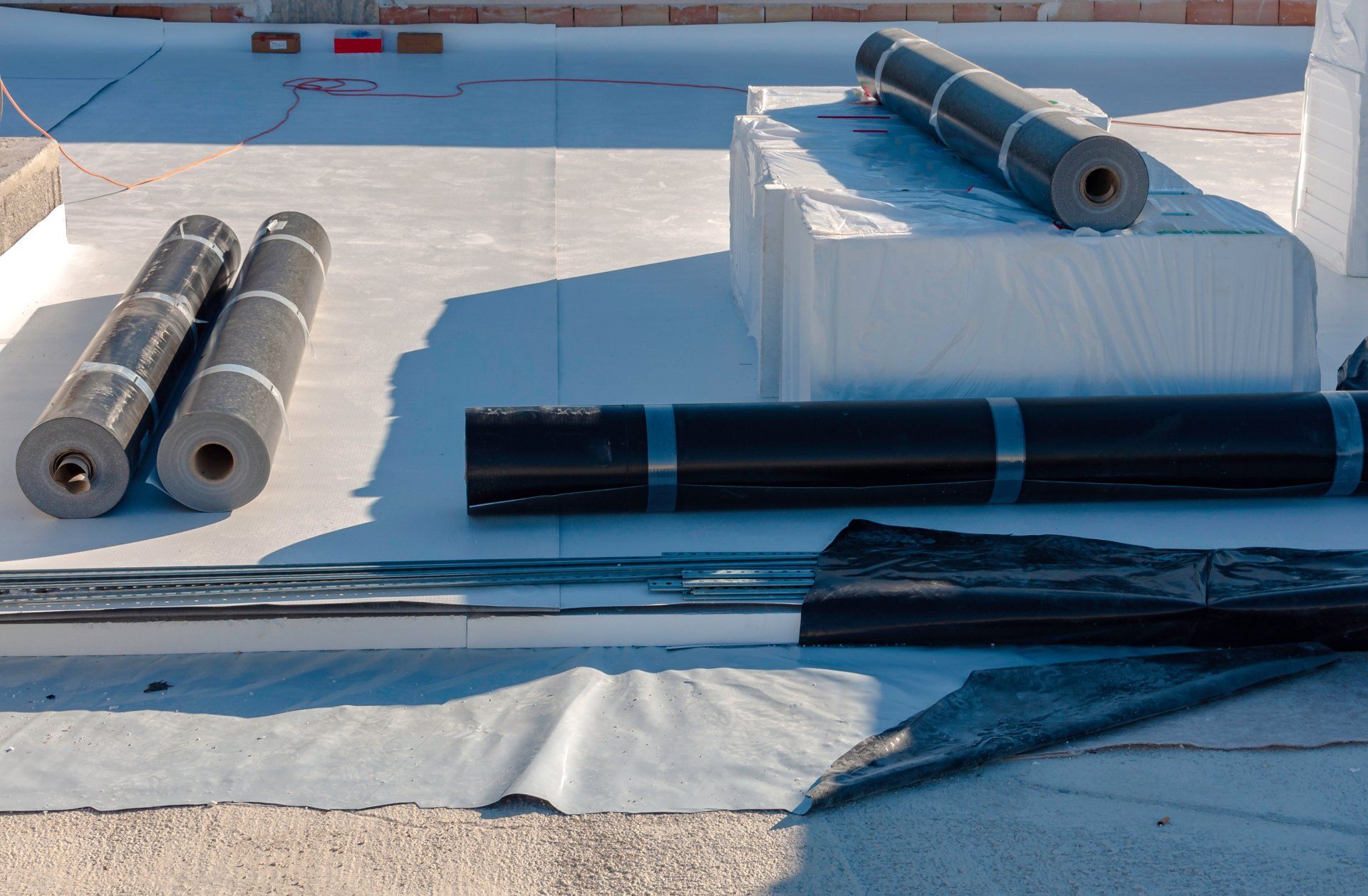
When it comes to commercial roofing, two of the most popular options are TPO roofing and PVC roofing. Both PVC and TPO can be effective roofing options for commercial property owners and businesses. Both can last for decades and potentially enhance energy efficiency.
TPO tends to be easier to install, which can lead to reduced costs. It’s also considered the more environmentally friendly option because it can be recycled. TPO also edges out PVC in its natural reflectivity, making it an ideal choice for businesses that would like to reduce their utilities.
What Is PVC Roofing?
PVC (Polyvinyl Chloride) is a widely used material that has many applications, including in commercial roofing. Surely you cannot go wrong by picking the type of roofing with that kind of longevity, right?
Possibly. Look at the facts and decide for yourself.
Should You Choose PVC Roofing?
Polyvinyl Chloride roofing has long been a reliable choice because it has a strong resistance to the chemicals found in oil, grease and fumes. PVC is also more flexible than TPO during installation thanks to the presence of plasticizers. Unfortunately, these plasticizers can leach out and break down over time, which will eventually result in rigidity and PVC failure.
Why Should You Avoid PVC Roofing?
PVC is a reliable choice, but it is also more expensive than TPO roofing. PVC contains chemicals like chlorine that are harmful to humans. The large volume of PVC materials that are disposed of every day play a major role in polluting the environment.
PVC roofing is not as weather-resistant as TPO roofing, at least not anymore. In the not-so-distant past it may have been fair to argue that PVC had the edge on TPO for weathering durability, but TPO formulation has improved significantly in recent years. It’s one of the reasons TPO has gained so much commercial roofing market share in the past decade.
The breakdown of plasticizers can also make it more likely for the PVC roofing to shrink, shatter and develop leaks more quickly than TPO roofing.
PVC roofing is not only more expensive than TPO roofing up front, but the repair costs can add up over time.
What Is TPO Roofing?
Thermoplastic Polyolefin (TPO) roofing is a newer type of roofing. Although it may have once been an upstart in the commercial roofing market, it has quickly become a mainstay and now represents a large percentage of commercial roofs.
Why Should You Choose TPO Roofing?
TPO roofing is more affordable than PVC roofing and may be between 20 and 30 percent cheaper per square foot than PVC. TPO roofing is a better option for the environment because it does not emit toxic fumes and is made from recyclable materials. PVC is notoriously difficult to recycle due to its high concentration of chlorine and other hazardous additives.
Superior formulations have also resulted in greater durability and weathering capacity compared to many PVC roofs. TPO does require higher temperatures for effective welding but both materials are equally weldable so long as installers are properly trained.
TPO is generally manufactured as a single white membrane, which makes it exceptionally reflective. It can bounce off a large portion of the sun’s UV radiation and can help maintain cool indoor air temperatures, reducing the load on your business’s HVAC.
Thermoplastic Polyolefin is a smarter long-term investment because the materials are cheaper and are better for the environment.
The Verdict
The experts at Total Roof Solutions believe TPO roofing is the clear winner if you want to get the most out of your commercial roofing investment. TPO roofing is more durable against the elements than PVC roofing and frequently offers superior energy efficiency.
Whether you require a new roof on your home or an estimate for a commercial roof replacement, our team can help. Contact our roofing experts today for a free estimate.