Roof Sealer for Shingles: When Is It Appropriate?
MEGA MEGA • August 31, 2026
Learn when roof sealer for shingles may help, what it cannot repair, and when Georgia homeowners should choose a professional roof inspection instead.

A roof coating can look like a simple way to protect aging shingles, especially after Georgia weather leaves a roof looking dry or worn. The important question is whether the product addresses the roof's actual condition or only changes its surface.
Request a free roof inspection
Roof sealer for shingles is not a universal repair. Asphalt Roofing Manufacturers Association guidance says manufacturers generally discourage field-applied coatings and rejuvenators, and reported concerns include curling, cupping, granule loss, trapped moisture, and warranty complications. A professional evaluation is safer before applying any product.
For homeowners in McDonough and metro Atlanta, that decision starts with understanding what a sealer can and cannot do. Looking at the roof system as a whole, including shingles, flashing, gutters, ventilation, and signs of moisture, helps separate routine maintenance from a repair that should not wait.
Does Roof Sealer for Shingles Actually Work?
Short answer: Roof sealer for shingles may provide a limited, product-specific surface treatment, but it is not a universal repair and should not be assumed to restore a failing roof. Its appropriateness depends on four things: the shingle manufacturer, the product instructions, the roof's condition, and local requirements.
Products marketed as shingle sealers, coatings, or rejuvenators are generally applied over an existing asphalt shingle roof. They may be presented as a way to refresh appearance or add a protective surface. That is different from repairing the components that keep water out, such as damaged shingles, flashing, penetrations, and underlayment.
Asphalt shingles are built from a mat saturated with asphalt and covered with mineral granules. Those layers work together as a roof covering. The USDA's roofing material guide describes this basic construction. Applying another material over the surface does not automatically correct a lifted shingle, exposed fastener, failed flashing detail, or moisture problem beneath the roof.
Manufacturer approval matters
The Asphalt Roofing Manufacturers Association strongly advises against field application of coatings or rejuvenators over installed asphalt shingles. ARMA also notes that many shingle manufacturers specifically do not recommend field treatments. Before considering any product, a homeowner should check the exact shingle documentation and warranty rather than relying on a general claim made in an advertisement. ARMA explains the concerns surrounding coatings applied after shingle installation.
Warranty language is especially important because some manufacturers state that field-applied treatments can affect coverage. A product that is technically designed for asphalt shingles is not necessarily approved for every shingle type, age, installation method, or climate. In Georgia, heat, heavy rain, humidity, and storm exposure make compatibility and moisture management important parts of the decision.
Why a sealer is not a guaranteed roof-life solution
Documentation supporting significant life extension from field-applied coatings is limited. ARMA reports concerns that some treatments can shrink and contribute to curling, cupping, or loosening granules. A non-permeable coating may also seal voids around and between shingles, contributing to moisture accumulation within the roofing system.
Some treatments require repeated applications to maintain a consistent appearance. That adds another maintenance obligation without proving that the underlying roof has been made sound. Reapplication can also compound compatibility and moisture concerns.
There may be situations where a manufacturer-approved product has a defined, limited use. That decision should follow a close inspection and written product guidance, not a one-size-fits-all promise. If shingles are visibly deteriorated, the roof has leaked, or the cause of a problem is unclear, identifying the defect comes before covering the surface. A professional inspection can help determine whether maintenance, a localized repair, or a broader roofing solution is appropriate.
What Problems Can Roof Sealer Not Fix?
Short answer: Roof sealer may cover or protect a surface, but it is not a substitute for repairing the roof assembly. It cannot reliably stop an active leak, replace missing shingles, correct damaged flashing, close a hole, remove standing water, clear blocked drainage, or solve a ventilation problem.
Those conditions affect how water enters, moves across, or leaves the roof. Applying a coating over them can hide the visible symptom while the underlying damage continues. The U.S. Department of Housing and Urban Development identifies gutters, downspouts, flashing, roof exhaust systems, and holes as important roof assembly components that require inspection and maintenance: HUD roof assembly guidance.
Active leaks and damaged shingles
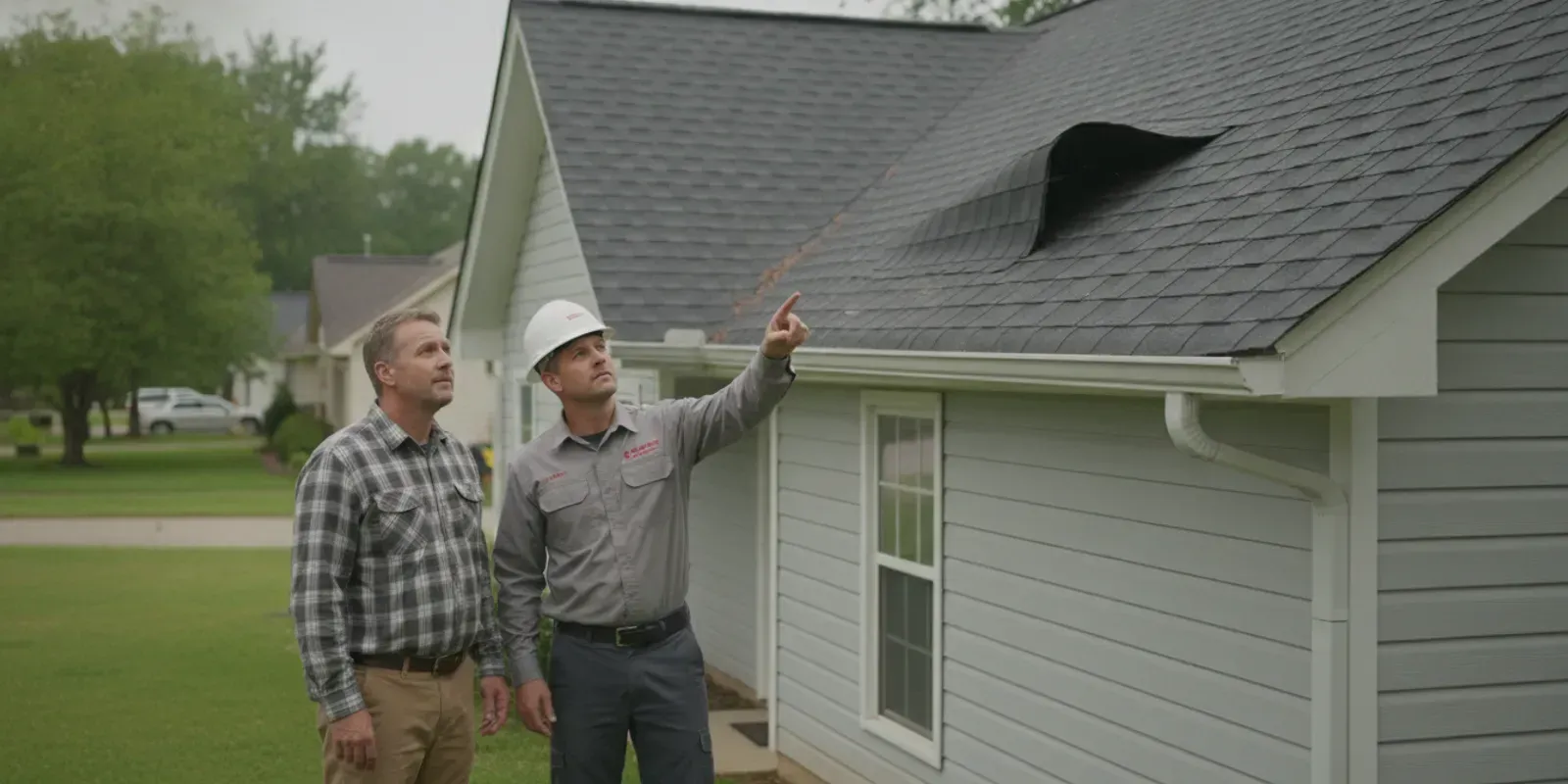
An active leak needs diagnosis before any product is applied. Water may be entering through a displaced or broken shingle, an exposed fastener, a seam, flashing, or a penetration higher on the roof. Because water can travel beneath the roof covering, the stain on a ceiling may not be directly below the entry point. A sealer applied around the visible stain does not identify or correct that path.
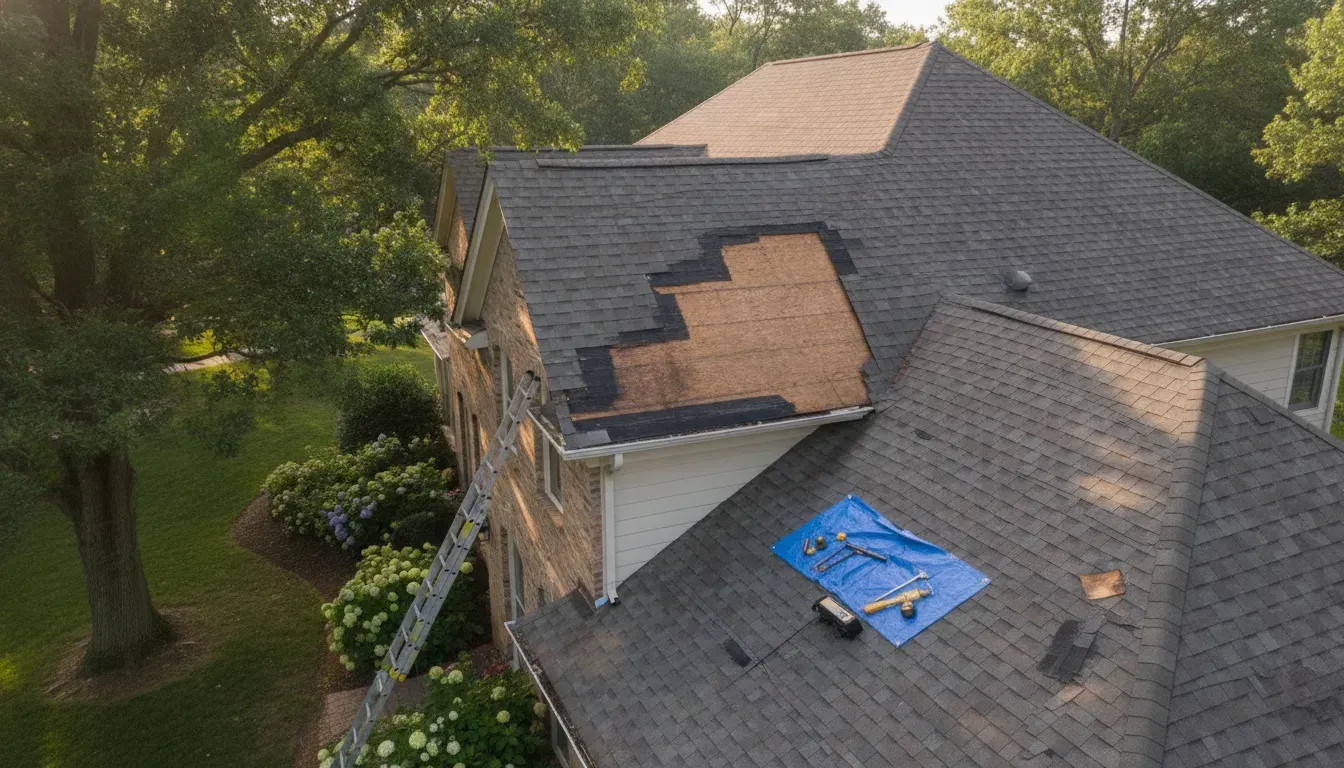
Sealer also cannot restore missing, cracked, lifted, or badly deteriorated shingles. Those components help shed rain and protect the layers below. When they are damaged, the appropriate repair may involve replacing individual shingles or addressing broader roof deterioration. For more context on finding the source of storm-related water intrusion, see our guide to leaky roof repair.
Flashing, penetrations, and holes
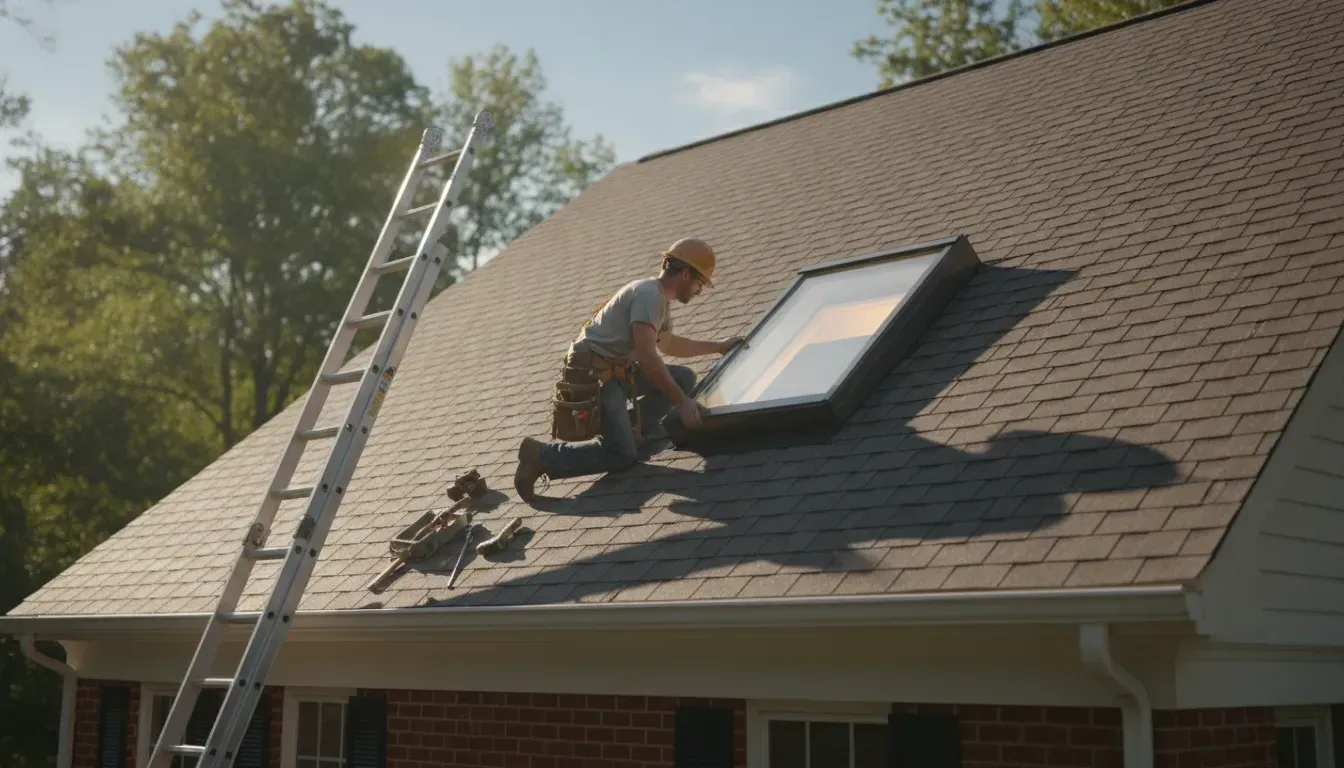
Flashing directs water around vulnerable transitions such as walls, chimneys, valleys, and roof edges. If flashing is loose, corroded, improperly installed, or separated from an adjacent surface, a coating does not restore the connection. The same principle applies around plumbing vent pipes, skylights, exhaust vents, and other roof penetrations. These areas need careful inspection and a repair that matches the roof system.
A roof assembly with a hole is a physical defect, not a surface-maintenance issue. Sealing over debris, an opening, or damaged decking can trap moisture and make later repairs harder. Homeowners should avoid walking on an uncertain roof and arrange an inspection instead, especially after a Georgia storm.
Ponding water, clogged drainage, and ventilation issues
Standing or ponding water points to a drainage or slope problem that must be corrected. A coating cannot clear leaves and soil from gutters or downspouts, restore a blocked drain, or redirect water that is collecting in a low area. Persistent moisture can also damage roofing materials and nearby structures.
Finally, sealer cannot replace a functioning ventilation or exhaust system. Blocking airflow or covering components without understanding the system may contribute to moisture accumulation in the roof assembly. The safer sequence is to inspect the roof, drainage, flashing, penetrations, and exhaust components, then repair the actual source before considering any maintenance product.
Roof sealer versus common roof concernsWhat you noticeMore appropriate next stepDry-looking surface with no visible damageCheck the manufacturer guidance and arrange an inspection before applying any product.Active leak, missing shingles, or damaged flashingProtect the interior safely and request diagnosis and roof repair.Granule loss, curling, or trapped moistureHave the roof system evaluated for deterioration, ventilation, repair, or replacement.
When Is a Shingle Roof Sealer a Poor Choice?
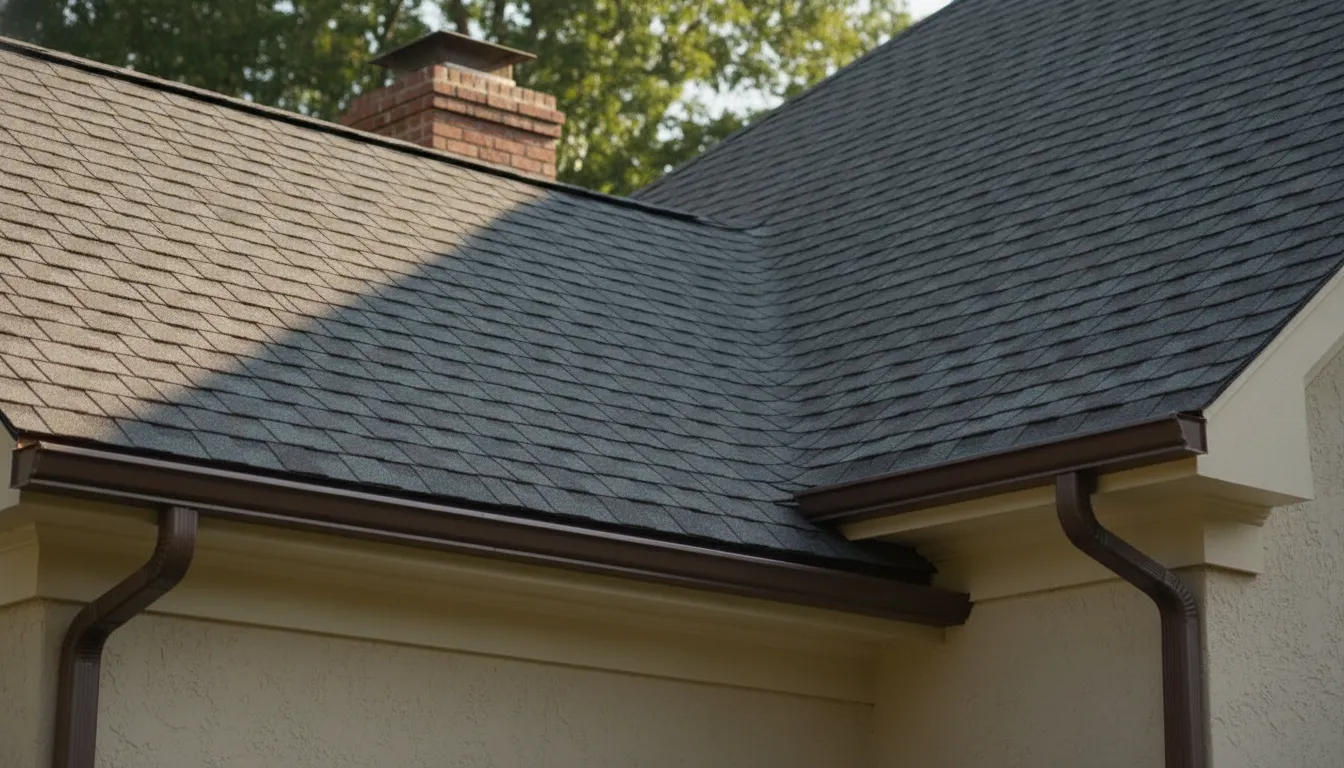
A shingle roof sealer is usually a poor choice when the roof is already curling. Losing granules, retaining moisture, leaking, or covered by a warranty that does not allow field-applied treatments. In those situations, sealing the surface can hide the cause, interfere with the roof system, or create a new maintenance and warranty problem.
The shingles are curling, cupping, or losing granules
Visible distortion is a warning sign that the shingles may be aging or damaged, not simply dry and in need of a coating. Asphalt shingles rely on a mat, asphalt, and mineral granules to form the roof covering. A field-applied treatment can shrink as it cures, and reported problems include curling, cupping, and loosening of the granule surface. Applying more material over those symptoms does not restore the shingle's original construction.
Granule loss also deserves attention because it changes the exposed surface and may indicate ongoing wear. If you see bare-looking areas, loose granules in gutters, or shingles that no longer lie flat, focus first on determining the condition and remaining serviceability of the roof. A professional can help distinguish normal weathering from damage that calls for repair or replacement. For broader planning guidance, see how to extend your asphalt shingle roof lifespan.
Moisture or ventilation problems have not been addressed
Sealer is a poor choice when the roof assembly is wet or the source of moisture is unknown. Some non-permeable coatings can seal the spaces around and between shingles, creating a vapor-retarding layer that contributes to moisture accumulation within the roofing system. That can compound problems rather than solve them.
Persistent attic dampness, interior staining, musty odors, or recurring condensation should prompt an evaluation of ventilation and the roof's other components. A coating cannot substitute for correcting an exhaust, flashing, drainage, or roof-covering issue. The roof's job is to protect the interior and direct precipitation away from the building, so trapped moisture is a system concern, not merely a surface appearance issue.
The manufacturer or warranty does not approve the treatment
Many asphalt shingle manufacturers discourage field-applied coatings and rejuvenators. Warranty language is specific, and improper maintenance or an unapproved sealant may limit or void coverage. Before applying any roof sealer for shingles, identify the shingle manufacturer and model. Read the current warranty terms, and ask the manufacturer whether that exact treatment is acceptable for that roof.
Do not assume that a product labeled for asphalt shingles is automatically compatible with every shingle, climate, or roof assembly. Also check local requirements. State or local building codes may restrict field-applied coatings if they could affect fire classification, algae resistance, impact resistance, or other performance characteristics. Treatments that need regular reapplication can add recurring work without providing well-documented life extension. In Georgia, a careful inspection and manufacturer-approved maintenance plan are safer than coating an aging roof simply to postpone a diagnosis.
How Can Homeowners Evaluate a Roof Safely?
Answer: Evaluate a shingle roof from the ground and from safe interior areas, then document what you see. Do not walk on the roof or climb a ladder to investigate damage, especially after a storm, during wet weather, or when the surface is unstable.
Start with a ground-level scan
- Walk around the property while staying on stable ground. Look for missing, lifted, cracked, or visibly damaged shingles, exposed underlayment, sagging roof lines, and debris from a recent storm. Use binoculars or your phone's zoom rather than approaching the roof edge. Take wide photos that show the roof area, followed by closer images from the same safe position.
Check the gutters and drainage path
- Look at gutters, downspouts, and areas where water leaves the roof. Leaves, soil, or other debris can restrict drainage, while overflowing or disconnected downspouts can send water against walls and foundations. Standing or ponding water is a condition that needs evaluation, not a reason to apply a coating. HUD identifies gutters, downspouts, and drainage as important parts of the roof assembly.
Inspect visible flashing and roof penetrations
- From the ground, note any visibly loose or displaced metal around chimneys, wall intersections, skylights, and other roof penetrations. Do not pull, press, or attempt to reseal these areas. Flashing and vent pipes are common places for water entry, and they require a closer inspection by someone equipped to work safely at height.
Look for interior evidence
- In the attic or upper rooms, look for water stains, damp insulation, musty odors, daylight through the roof assembly, peeling paint, or recurring ceiling discoloration. Use a flashlight and remain on a safe walking surface. Do not step between attic framing members or touch wet electrical components. A roof protects the interior from exterior elements, so interior evidence deserves prompt attention.
Review vents, timing, and records
- From the exterior, observe whether vent covers appear damaged or blocked. Inside, note unusual heat or moisture, but do not cover or alter a vent yourself. Record when symptoms appeared, including whether they followed wind or heavy rain. Gather the shingle brand, installation date, warranty, and manufacturer instructions. Those documents matter because manufacturers may restrict field-applied treatments and should be consulted before using a roof sealer for shingles.
Know when to stop
- Stop the evaluation if you see active water intrusion, sagging, exposed openings, storm debris, electrical hazards, or any condition that would require climbing. Avoid walking on a wet, icy, steep, or damaged roof, and never use a ladder in unsafe conditions. Share your photos and notes with a qualified roofer. For routine upkeep, review these maintenance tips for roof shingles, but treat suspected damage as an inspection question rather than a sealing project.
Should You Seal a Roof Leak or Repair It?
Use a sealant only as a short-term protective measure when appropriate, not as a substitute for finding and repairing the leak. A lasting solution depends on identifying whether the problem is a loose shingle tab, exposed nail head, damaged flashing, or broader roof-system failure.
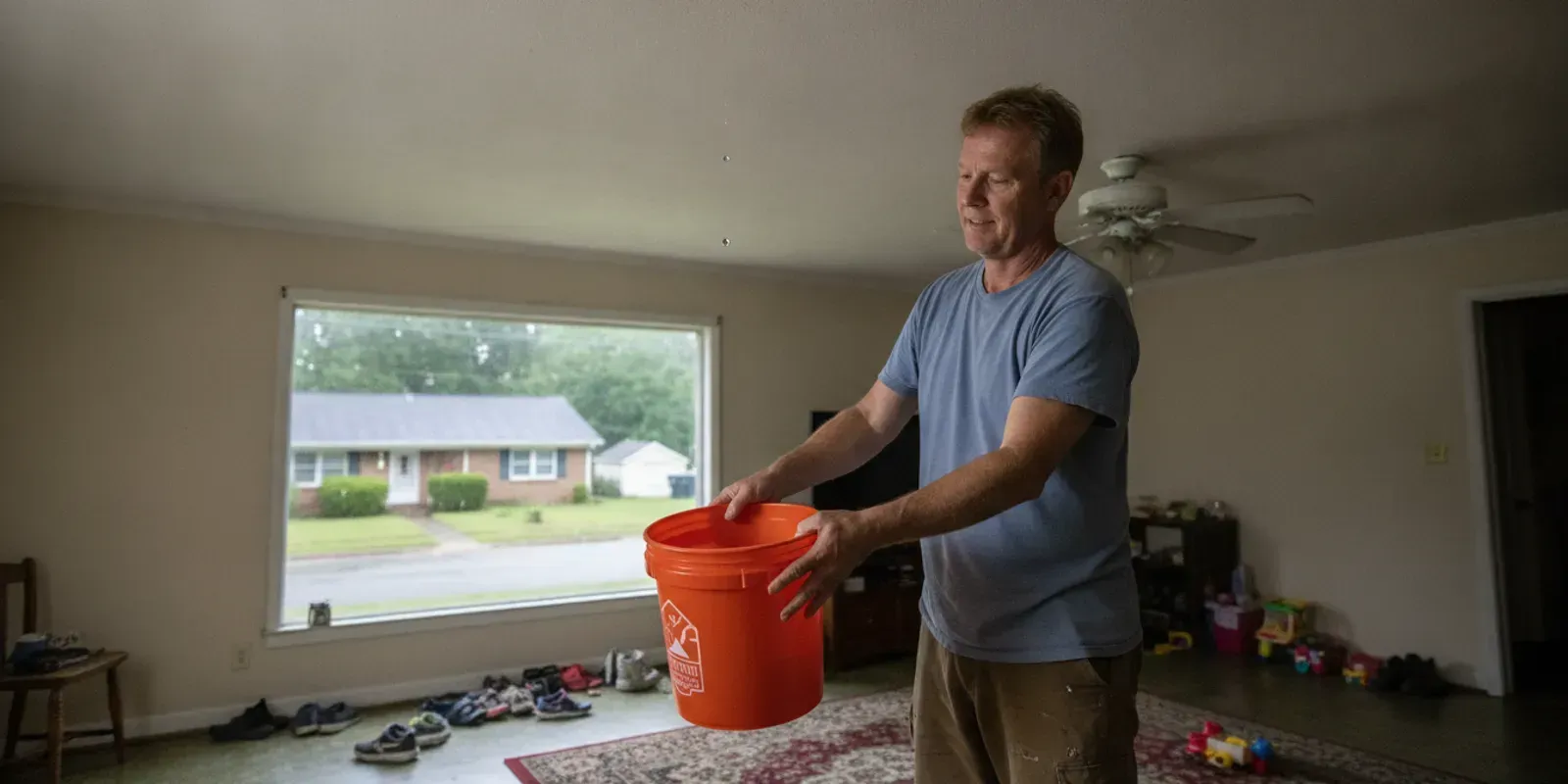
During active rain, the priority is protecting the interior. Place a container under a ceiling drip, move furnishings away from the area, and document visible damage. If water is near electrical fixtures, avoid contact and use the appropriate emergency safety steps. Do not climb onto a wet, steep, or storm-damaged roof to apply a product.
A temporary patch may help limit exposure until a qualified roofer can assess the roof. It should be treated as a stopgap, because water does not always enter directly above the stain or drip. Roofing components can redirect water beneath the shingles before it appears inside the home.
When a localized repair may be possible
A roof with one isolated defect can sometimes need a focused repair rather than a full replacement. For example, a loose shingle tab or an exposed nail head may create a small entry point. The correct repair still requires checking the surrounding shingles, underlayment, flashing, and roof deck. Covering the visible spot with roof sealer for shingles may hide the symptom without restoring the assembly.
The same caution applies around vents, chimneys, wall intersections, and other flashing transitions. These areas are recognized components of a roof assembly and common places for water-management problems. The U.S. Department of Housing and Urban Development identifies flashing, roof exhaust systems, gutters, downspouts, and holes as elements that should be evaluated as part of the assembly: HUD roof assembly guidance.
When sealing is not enough
Repeated leaks, multiple damaged or missing shingles, soft decking, widespread granule loss, sagging, or persistent moisture suggest a problem beyond a single surface defect. Blocked gutters, poor drainage, ponding water, or ventilation concerns can also continue causing damage after a sealer is applied. The roof assembly exists to protect the interior and redirect precipitation, so the inspection must consider the whole path water may take.
For suspected damage, a professional evaluation is safer and more useful than applying successive layers of product. Total Roof Solutions provides roof repair services for homeowners in McDonough and throughout Georgia, including assessment of repairs, storm damage, and insurance-related needs. An inspection can clarify whether the next step is a limited repair, additional maintenance, or a larger replacement decision.
What Should You Ask Before Applying a Roof Sealer?
Answer: Before applying any roof sealer, confirm that the product is compatible with your shingle system. It should not conflict with the manufacturer warranty or local requirements. It should also address a real maintenance need rather than conceal damage. If the roof has moisture, ventilation, leak, or age concerns, arrange an inspection first.
A sealer is not a neutral add-on to an asphalt shingle roof. Shingles use a mat saturated with asphalt and covered with mineral granules, so an added coating can affect the materials and the way the roof assembly manages moisture. The Asphalt Roofing Manufacturers Association advises caution with field-applied coatings and recommends checking with the shingle manufacturer before using a field treatment. Read ARMA's guidance on coatings applied after installation.
Is this roof a candidate for the application?
- What type of shingles are installed? Identify whether the roof uses asphalt, fiberglass, architectural, or another shingle type. Do not assume a product suitable for one material is suitable for another.
- How old is the roof? Age, granule loss, curling, cupping, brittle areas, and prior repairs may point to deterioration that a coating cannot correct. A sealer should not be used as a substitute for evaluating whether repair or replacement is appropriate.
- What is the surface condition? Ask whether there are missing or damaged shingles, exposed areas, loose granules, holes, flashing concerns, or active leaks. These conditions need diagnosis and repair, not simply a new surface layer.
Will it affect the roof's protection or paperwork?
- What does the manufacturer say? Request written confirmation that the specific treatment is acceptable for the exact shingle and roof system. Many manufacturers recommend against field-applied treatments, and improper maintenance can create warranty concerns.
- Does the product label match the roof? Review the label for approved substrates, preparation requirements, weather limits, application restrictions, and compatibility with existing materials. Never rely on a general claim that a product works on shingles.
- Does local code allow it? State or local building codes may restrict field-applied coatings if they affect characteristics such as fire, algae, or impact resistance. Verify requirements before work begins.
Could the real issue be moisture or ventilation?
Ask whether attic moisture, inadequate ventilation, blocked exhaust, trapped dampness, or drainage problems have been checked. A non-permeable coating may seal spaces around and between shingles and contribute to moisture accumulation. Also ask what cleaning, monitoring, and reapplication the treatment requires, because some field treatments need regular reapplication to maintain a consistent appearance. If the answers are unclear, pause the project and have a qualified roofer inspect the roof and attic before any application.
When Should You Schedule a Professional Roof Inspection?
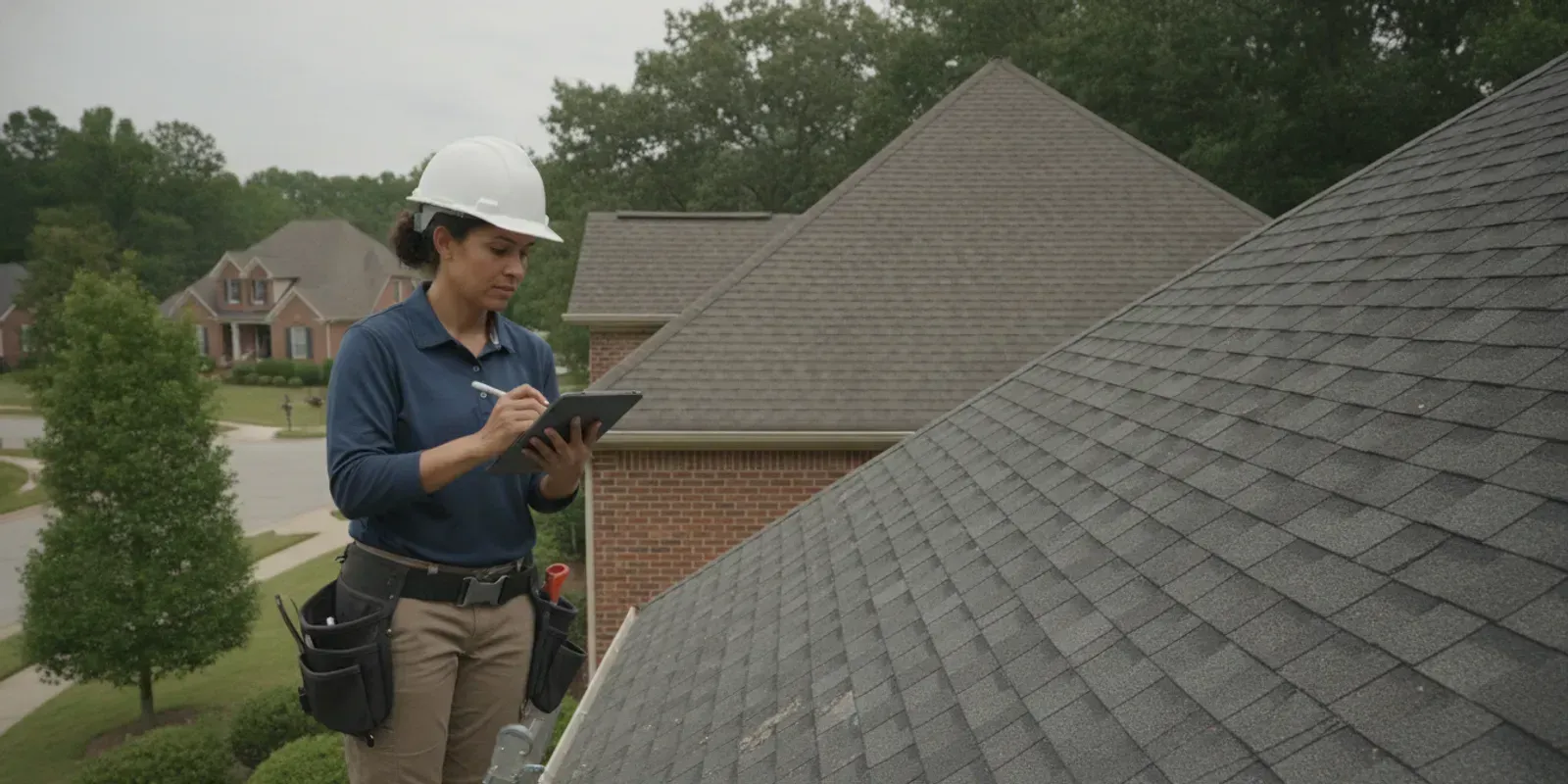
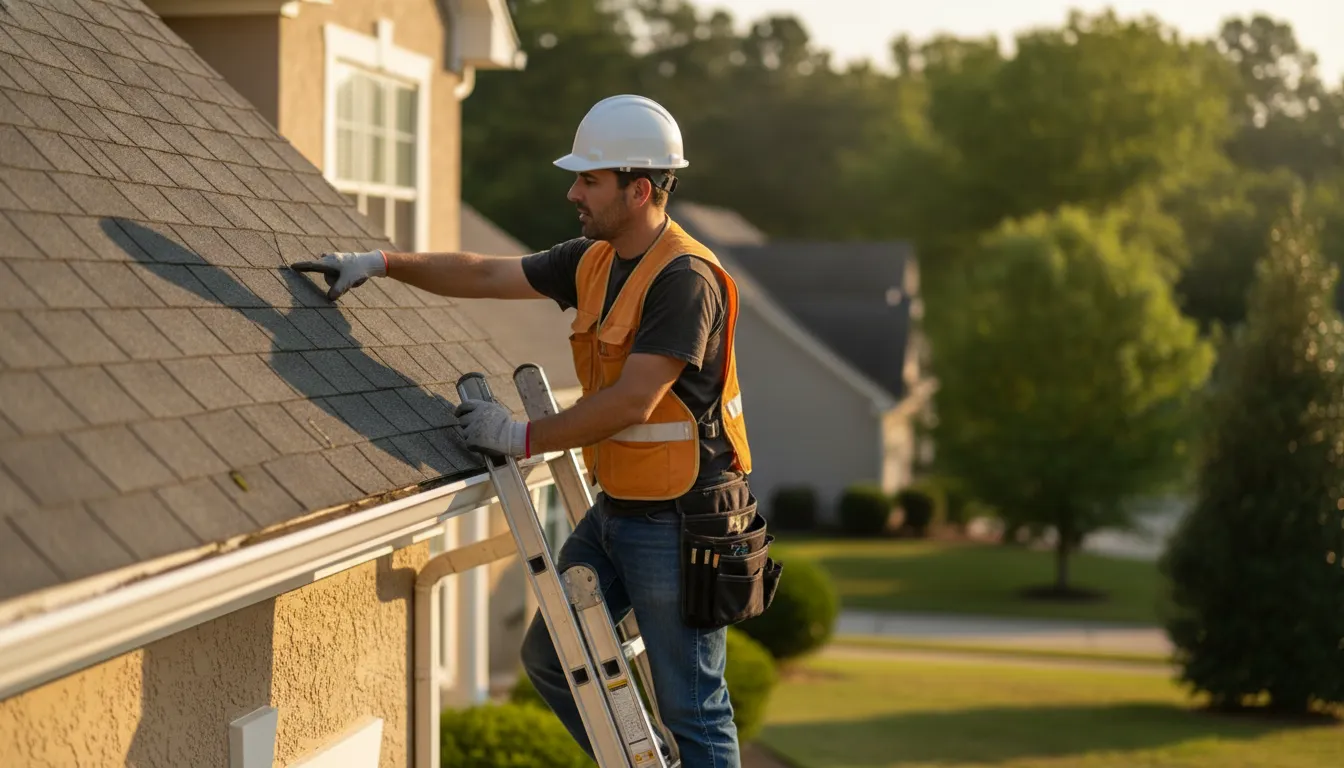
Schedule an inspection after a leak, storm, visible damage, persistent interior moisture, an uncertain roof age, or before applying a coating. A roof sealer for shingles cannot replace a careful diagnosis of the roof covering, flashing, ventilation, and underlying structure.
Water stains, damp attic insulation, or recurring moisture deserve attention even when the shingles look acceptable from the ground. Moisture can enter at a flashing detail, vent, chimney, or damaged section and appear inside the home far from the actual entry point. An inspection helps connect those clues to the condition of the roof assembly.
After leaks, storms, or visible damage
Call for an evaluation after heavy rain or a severe storm. Especially if you notice missing or lifted shingles, exposed underlayment, loose metal, damaged gutters, fallen branches, or new stains indoors. Do not climb onto a wet, steep, or visibly damaged roof to investigate. Photos taken safely from the ground, along with the date and location of interior staining, can help a roofing professional begin the assessment.
A prompt inspection is also sensible when a leak appears to stop. Roofing materials can dry while the source remains unresolved, allowing the next storm to expose the same weakness. Applying sealer over the visible symptom may hide the evidence without correcting the failed flashing, penetration, shingle, or drainage component.
Roof Age and Condition
If you do not know when the roof was installed, or you see widespread granule loss, curling, or uneven wear, get an inspection before choosing a maintenance product. The right recommendation depends on the roof's overall condition, not just one area that looks weathered.
Regular professional inspection is a practical way to identify issues early and determine whether repair, replacement, or routine maintenance is appropriate.
This is particularly useful for homeowners in McDonough and across Georgia, where a roof may face intense sun, wind, and heavy rain over time. Total Roof Solutions is a third-generation roofing contractor based in McDonough, serving residential and commercial property owners across Georgia. The team handles repairs, replacements, insurance claims, and emergency storm damage response, so an inspection can be matched to the problem rather than to a product.
Before applying any coating
Have the roof evaluated before applying a coating or sealer. Bring the shingle manufacturer, installation date if available, warranty documents, and product information to the conversation. The manufacturer should confirm that the treatment is acceptable for that specific shingle system. A professional can also look for moisture, ventilation concerns, and defects that a coating would not repair.
Request a free roof inspection
Frequently Asked Questions
What is the best roof sealer for shingles?
There is no universally best sealer for asphalt shingles. Before applying any coating, check the shingle manufacturer's guidance, warranty terms, and the product label. The Asphalt Roofing Manufacturers Association generally advises against field-applied coatings or rejuvenators unless the manufacturer specifically accepts the treatment: ARMA guidance.
Is spray coating for shingles a good maintenance option?
A spray coating may be marketed as maintenance, but it is not automatically appropriate for an installed shingle roof. Coatings can affect granules, moisture movement, appearance, warranty coverage, and future repair decisions. Routine inspections, clear gutters, and prompt repair of damaged components are safer maintenance priorities.
Can I apply roof sealer to shingles myself?
DIY application is risky because it can involve roof access, slippery surfaces, hidden moisture, and compatibility problems that are difficult to evaluate from the ground. Do not walk on the roof when conditions are unsafe. Start with ground-level observations and have a qualified professional assess the roof before considering any product.
Should I seal a roof leak or have it repaired?
Have the cause of an active leak diagnosed and repaired rather than covering it with sealer. Water may enter through damaged shingles, flashing, penetrations, or another part of the roof assembly, so a surface coating may hide symptoms while the underlying problem continues. Temporary protection during severe weather is not a permanent repair.
Does sealer extend the life of a shingle roof?
A sealer should not be treated as a guaranteed way to extend roof life. ARMA reports that documentation supporting significant life extension from field-applied treatments is limited, while potential risks remain: review the technical guidance. An inspection and appropriate maintenance plan provide a more reliable basis for deciding whether to repair, replace, or leave the shingles untreated.
Ready to Make the Right Roofing Decision?
If you are unsure whether roof sealer for shingles is appropriate, a professional inspection can help distinguish routine maintenance from repairs that need attention. Total Roof Solutions can assess your Georgia roof and help clarify whether it may need maintenance, repair, replacement, storm-damage assistance, or insurance-claim guidance.
Request a free roof inspection to get started.
The body content of your post goes here. To edit this text, click on it and delete this default text and start typing your own or paste your own from a different source.