How to Choose a Vinyl Siding Installation Contractor in Georgia
MEGA MEGA • August 26, 2026
Learn how to vet a vinyl siding installation contractor in Georgia by comparing credentials, materials, estimates, warranties, references, and local experience.

How to Choose a Vinyl Siding Installation Contractor in Georgia
New siding is a major exterior project, so the contractor you choose deserves as much attention as the product itself. A reliable vinyl siding installation contractor should explain the condition of your home, define the full scope, document the materials, and answer questions without pressure. Homeowners in McDonough, Henry County, and the Atlanta metro should compare more than the lowest bid.
Schedule a siding consultation
The right contractor can make the project easier to evaluate before any materials are ordered. Use the checklist below to compare credentials, preparation, installation methods, estimates, warranties, references, and communication. The goal is not to choose a contractor based on a polished sales pitch. It is to choose a team whose written plan makes sense for your home.
What Should You Verify Before Hiring a Vinyl Siding Installation Contractor?
Before hiring a vinyl siding installation contractor, verify licensing, insurance, references, written scope, payment terms, and the process for approving changes. The contractor should identify the business responsible for the work and explain how the proposed siding system will be installed on your home. Verifiable details matter more than a persuasive presentation.
Confirm licensing, bonding, and insurance
Ask whether the contractor is licensed, bonded, and insured, then request the information needed to verify those statements. The Federal Trade Commission's home improvement guidance recommends checking a contractor's license with the appropriate authority and asking for proof of insurance.
You do not need to interpret every insurance provision yourself. You should, however, receive current documentation and know who can answer questions about coverage. Ask whether the contractor uses employees, subcontractors, or both, and how the company handles responsibility for people working on your property.
The agreement should identify the business, contact information, project scope, price, estimated schedule, payment milestones, and change-order process. If an important promise appears only in a conversation, ask for it to be added to the written proposal.
Research reputation and comparable work
Look for reviews and project examples that relate to siding or exterior renovations, not only unrelated work. A single review cannot tell you everything, but repeated concerns about unfinished work, poor communication, unexplained charges, or property damage deserve a direct question.
Ask for references from projects similar to yours. When you speak with a reference, ask how the crew prepared the home, protected landscaping, handled weather, communicated schedule changes, and addressed concerns. Photos can help you assess appearance, but they do not replace a conversation about the working relationship.
Compare answers, not just promises
A dependable contractor should be willing to explain who will manage the job, how unexpected substrate damage will be documented, and when you will approve additional work. If a contractor pressures you to sign before reviewing the agreement, pause. Reasonable time for questions is part of a sound selection process.
How Can a Vinyl Siding Installation Contractor Show Installation Quality?
A vinyl siding installation contractor shows installation quality by presenting a complete material package and a preparation plan, not by naming vinyl alone. The proposal should address profiles, trim, insulation, moisture management, fastening, openings, transitions, cleanup, and inspection. Those details let a Georgia homeowner compare the actual work behind each price.
Identify the complete siding system
Ask each contractor to name the proposed siding profile, finish, color, product line, trim, and accessories. Trim is part of the finished system around windows, doors, corners, rooflines, and other edges. A proposal that says only "vinyl siding" can leave important components undefined.
Ask whether insulation is included and what role it is expected to play. Insulated siding may contribute to the overall wall assembly when properly selected and installed, but it should not be presented as a guarantee of a specific utility-bill reduction. The contractor should explain how the selected product fits the existing walls.
For background on comparing product options, read this guide to the best vinyl siding for a house. Then ask the contractor to identify the exact product and trim package in the estimate so you can compare equivalent scopes.
 Evaluate preparation and moisture management
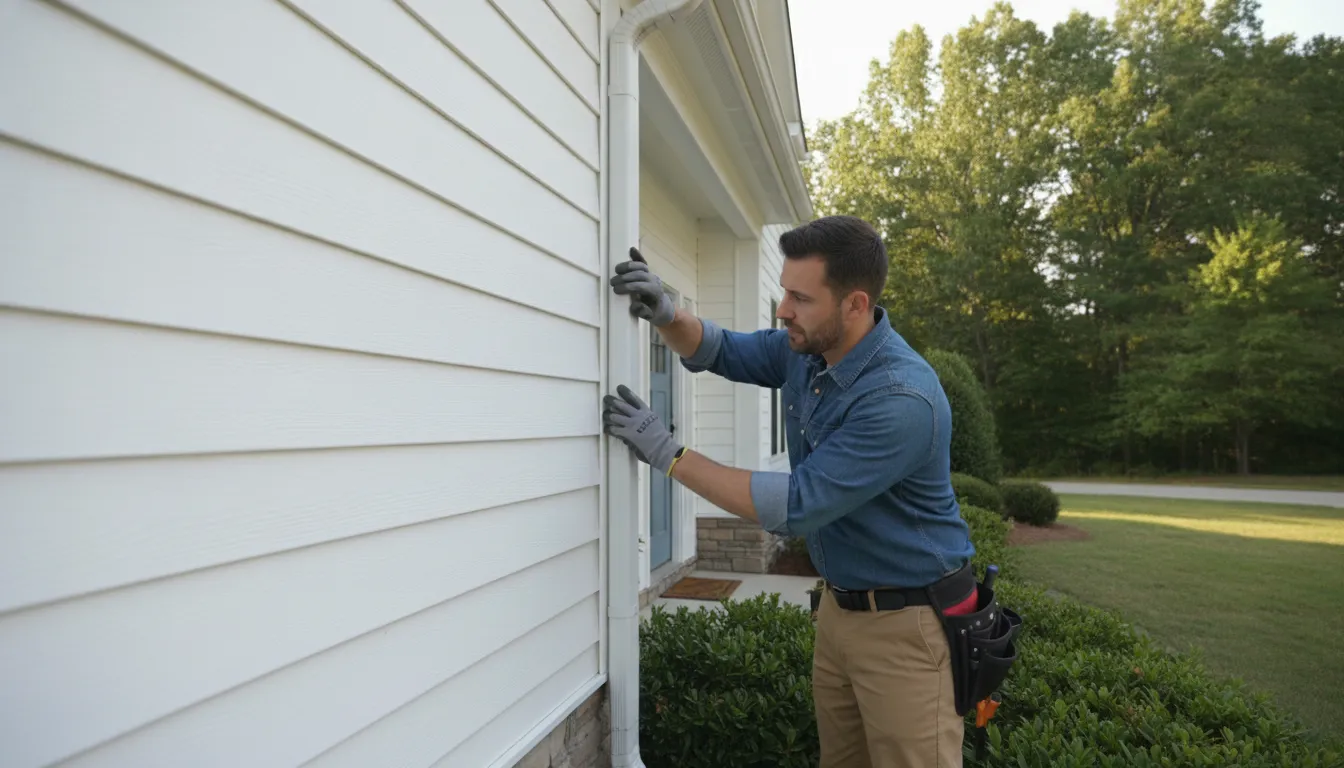
Preparation should be described before installation begins. Ask whether existing siding will be removed or retained and how the crew will examine the surface underneath. The plan should explain how damaged, uneven, or unsuitable areas will be addressed instead of leaving every decision until the crew is already on site.
Moisture management deserves equal attention. Ask what water-management layer will be used behind the cladding and how it will connect around windows, doors, corners, and other openings. Siding is not a substitute for a complete wall assembly. The contractor should explain how incidental water is directed away from the structure.
Ask how the siding will be fastened
Vinyl siding expands and contracts as temperatures change. Fastening should allow normal movement rather than locking panels tightly in place. Ask how fasteners will be positioned and how alignment will be maintained. Also ask how the crew will approach long walls, corners, openings, and transitions.
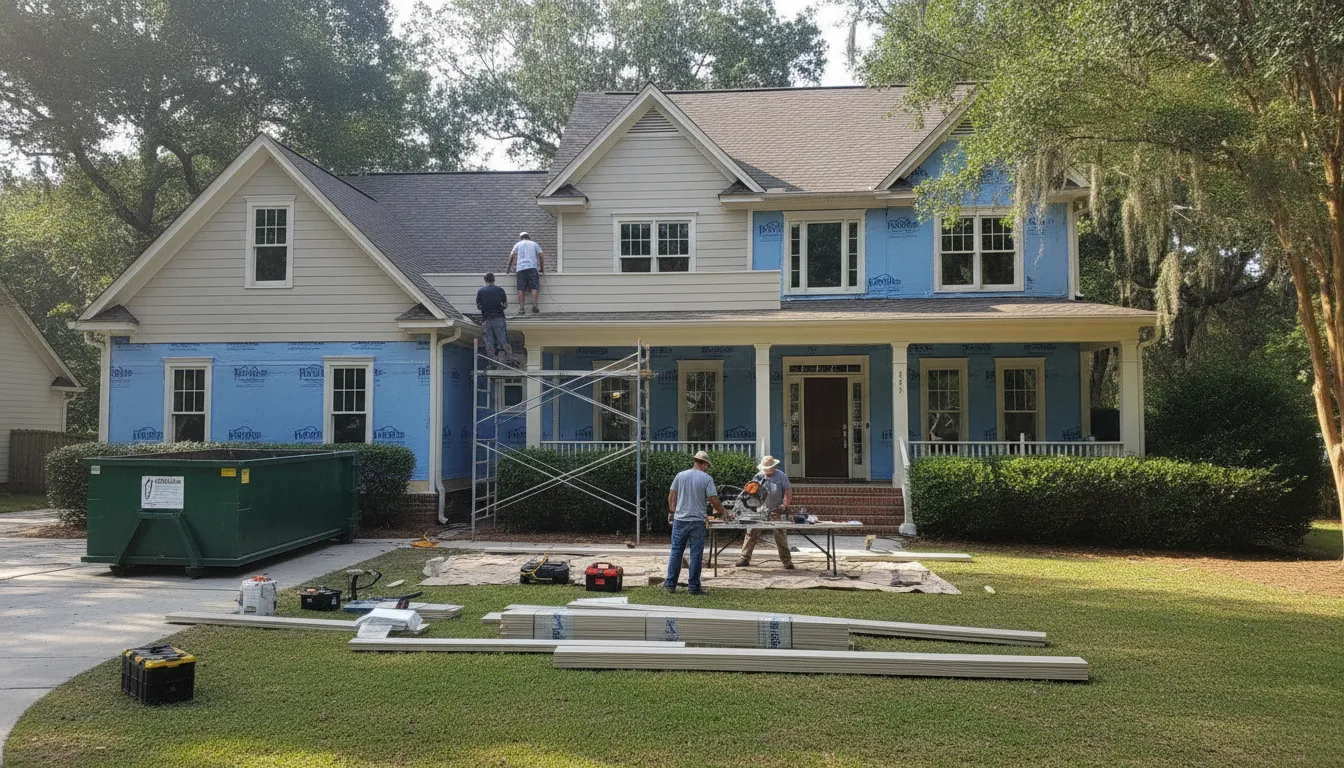 The useful comparison is not simply premium versus standard. It is a defined material package, a realistic preparation plan, and an installation method you can understand before work begins.
What Belongs in a Vinyl Siding Installation Contractor's Estimate?
A detailed estimate from a vinyl siding installation contractor should identify the areas being sided, preparation, materials, labor, removal, disposal, cleanup, schedule, payment terms, and warranty responsibilities. When two totals differ, compare their scopes before deciding which proposal offers better value for your McDonough or Atlanta-area home.
Ask the contractor to describe which areas of the home will be sided and whether the proposal includes removal of old siding. The estimate should also address substrate repairs, trim, flashing, protection of nearby property, debris removal, and final cleanup. If the work depends on conditions found after removal, the estimate should explain how the change will be priced, documented, and approved.
Detailed estimate versus vague estimateEstimate elementDetailed estimateVague estimateProject scopeNames the areas being sided, preparation, removal or retention, and cleanup.Uses broad language such as "install siding" without defining the work.MaterialsIdentifies the profile, finish, trim, accessories, and specified components.Lists vinyl siding without identifying the product or related pieces.PreparationExplains how the substrate will be assessed and unsuitable areas addressed.Assumes the existing surface is ready without describing an assessment.Labor and disposalClearly includes installation, tear-off when applicable, disposal, and cleanup.Leaves labor, disposal, or preparation costs unclear.Schedule and paymentStates estimated dates, payment milestones, and the change process.Requests a large upfront payment without a realistic schedule.Contract termsCarries scope, price, dates, identifying information, and warranty terms into the agreement.Relies on a verbal promise or short form with missing responsibilities.
Payment terms deserve a direct conversation. The FTC identifies total upfront payment and cash-only demands as warning signs. A clear proposal should show how payments relate to project progress. You should also know how a requested change will be approved before additional work is performed.
Do not treat an estimate as the final agreement unless the signed contract carries the important details forward. If you sign in your home, review the agreement and any applicable cancellation rights before work begins. For a broader look at the company's exterior work, visit Total Roof Solutions' siding and exterior renovation services.
Which Warranty and Reference Questions Should You Ask?
Separate the manufacturer's product warranty from the installer's workmanship warranty. Ask for both in writing, review exclusions and maintenance requirements, and confirm how a claim is submitted. References should also describe communication, property protection, schedule changes, and issue resolution. A warranty is useful only when its responsibilities are clear.
Understand the two types of warranty
The manufacturer warranty may address defects in the siding product. The workmanship warranty should explain how the installer handles concerns related to installation. One warranty may not cover an issue addressed by the other, so ask who evaluates a problem and who owns the next step.
- Which materials and installation work are covered?
- What exclusions or maintenance requirements apply?
- Who receives a claim, and what documentation is needed?
- Is coverage transferable if you sell the home?
- Are registration steps or deadlines required?
- How are disagreements about the source of a problem handled?
Do not rely on the phrase "lifetime warranty" without reading the specific document. Ask what that phrase means for the product and the installation, then keep the written terms with your project records.
Ask references about the working relationship
A useful reference can describe more than the finished appearance. Ask whether the contractor explained preparation, protected the property, kept the agreed schedule, communicated about weather, and resolved questions. Those answers help you assess the working relationship you are likely to have.
Also ask how changes were handled. A careful contractor should document additions or revisions instead of relying on an informal conversation that can be remembered differently later.
How Does Local Experience Matter in McDonough and the Atlanta Metro?
Local experience matters when it produces a site-specific plan. A contractor serving McDonough, Henry County, and the Atlanta metro should discuss the home's condition, moisture exposure, weather-related scheduling, project coordination, and communication process in practical terms. General familiarity with Georgia is less useful than a clear plan for your particular property.
Atlanta-area homes experience changing humidity, heavy rain, and periods of strong wind. Those conditions make installation details important. Ask how the proposed system addresses windows, doors, corners, roofline transitions, and places where water could collect.
Code familiarity can also matter, but homeowners should ask how applicable requirements affect their particular project. If a requirement changes the scope, it should appear in the written proposal. The contractor should be able to explain which parts of the plan depend on the home's location and construction.
Scheduling is another part of local fit. Ask who will coordinate the project, what happens if weather changes the schedule, and how questions will be handled during installation. The goal is not a guaranteed start date before the home is assessed. It is a realistic plan with a responsible point of contact.
Total Roof Solutions is based in McDonough and serves homeowners and businesses throughout the Metro Atlanta area and surrounding Georgia counties. The company describes itself as licensed, bonded, and insured, with third-generation construction experience and more than 20 years in the roofing industry. Review the company background and local service information, then use the same questions to evaluate any contractor you consider.
What Are the Red Flags of a Siding Contractor You Should Avoid?
Treat urgency, vague scope, missing documentation, unusual payment demands, and reluctance to answer questions as reasons to pause. One red flag does not prove a contractor is dishonest, but a pattern should prompt clarification or another estimate. Homeowners should have enough information to make a considered decision.
- Pressure to decide immediately. Take time to compare the proposed work, materials, and contract.
- A bid that is far lower without an explanation. Ask whether preparation, trim, disposal, labor, or warranty coverage was omitted.
- No proof of licensing or insurance. Request documentation and verify the information with the relevant authority or provider.
- A vague written scope. Do not authorize work when you cannot tell what will be installed, repaired, removed, protected, or cleaned up.
- A large total payment requested upfront. Ask for a reasonable payment schedule tied to project progress.
- Requests for cash only or unusual payment methods. Ask for a traceable payment process and ordinary documentation.
- Reluctance to provide references. Look for comparable project examples and ask specific questions about follow-through.
- Promises that are not written down. If a material, warranty, schedule, or repair matters to your decision, put it in the agreement.
If a contractor cannot answer basic questions, you do not need to argue or make a rushed decision. Pause the project, request a revised agreement, or seek another estimate. Clear documentation and time to review are reasonable expectations for a major exterior improvement.
Request a no-pressure siding consultation
Frequently Asked Questions
How do I verify a vinyl siding installation contractor in Georgia?
Ask for proof of licensing and insurance, then confirm the information with the appropriate state or local authority. Request comparable references, review the written scope, and search the company name with terms such as review or complaint. The FTC home improvement guidance provides additional consumer questions.
What should a siding installation estimate include?
Look for a written description of the work, proposed materials, total price, estimated dates, preparation, removal or disposal, trim, payment timing, change-order process, and warranty responsibilities. If bids differ sharply, ask what explains the difference instead of automatically choosing the lowest number.
Should I choose insulated vinyl siding?
It depends on the condition of the home, your goals, and the complete project design. Ask the contractor to explain the product, preparation, drainage approach, and how the selected system fits the existing walls. Do not assume that an insulation feature guarantees a specific change in utility costs.
What warranty questions should I ask before signing?
Ask which coverage comes from the manufacturer and which comes from the installer. Request the terms in writing, including exclusions, maintenance requirements, transferability, registration steps, and the process for submitting a claim.
Why does local experience matter in McDonough and the Atlanta metro?
A contractor familiar with the local area can assess the home's setting and explain how the proposed installation addresses moisture, weather exposure, scheduling, and project communication. Local experience is most useful when it produces a specific written plan rather than a general promise.
Ready to Talk Through Your Siding Plans?
Choosing a contractor is an important decision. A clear conversation can help you understand your options, project scope, and next steps. Total Roof Solutions can discuss siding and exterior renovation plans for your home in a straightforward way.