Skylight Cost and Installation: A Complete Georgia Guide
MEGA MEGA • August 18, 2026
Schedule a free skylight inspection in Georgia. Get a clear picture of skylight cost and installation, roof complexity, and energy benefits.

Georgia homes get plenty of bright sun, but many rooms still depend on electric lighting throughout the day. A well-planned skylight can make an interior feel more open while adding useful daylight. Yet the roof opening must be designed around the home's structure, roof type, and hot, humid climate.
Skylight cost and installation commonly range from about $300 to $5,000 or more. The final price depends on the unit, opening size, framing, roof access, interior finishing, and the flashing system that protects the roof from water intrusion.
Energy performance matters, too. Proper glazing and placement can reduce reliance on artificial lighting, while venting models may help release heat and humidity. Before comparing product prices, it helps to understand what a realistic Georgia project includes and why two homes can receive very different estimates.
Request a free skylight consultation to discuss your roof, goals, and installation options with our team.
What Does a Skylight Cost and Installation Project Typically Run in Georgia?
A practical planning range: A residential skylight project may cost roughly $300 to $5,000 or more once the unit and installation are included. That is a broad estimate, not a guaranteed quote. The final number depends on the skylight type and size, the roof's layout, the work required around the opening, and the amount of interior finishing needed.
For a general benchmark, national cost summaries commonly place the average all-in project near $1,800 to $1,900. Georgia homeowners in McDonough, Metro Atlanta, and Middle Georgia may see a different figure based on the roof system, access, and local labor. Whether the work is part of a replacement or a new installation also changes the total.
The skylight unit is only one part of the budget
Basic fixed models: A small fixed skylight unit can start at about $150 before labor and installation. Fixed units do not open, so they are primarily intended to bring daylight into a room. They can be a cost-conscious choice when ventilation is not a priority.
Larger or more capable models: Large, wood-framed, solar-powered, and venting skylights can cost $2,500 or more before labor. A venting model may be worthwhile in a hot, humid Georgia home because it can provide natural ventilation. But the added mechanism and controls can increase the initial investment. Tubular skylights are another option for smaller or darker spaces and often begin near $800, while traditional skylights commonly start closer to $2,500.
What can increase the installation estimate?
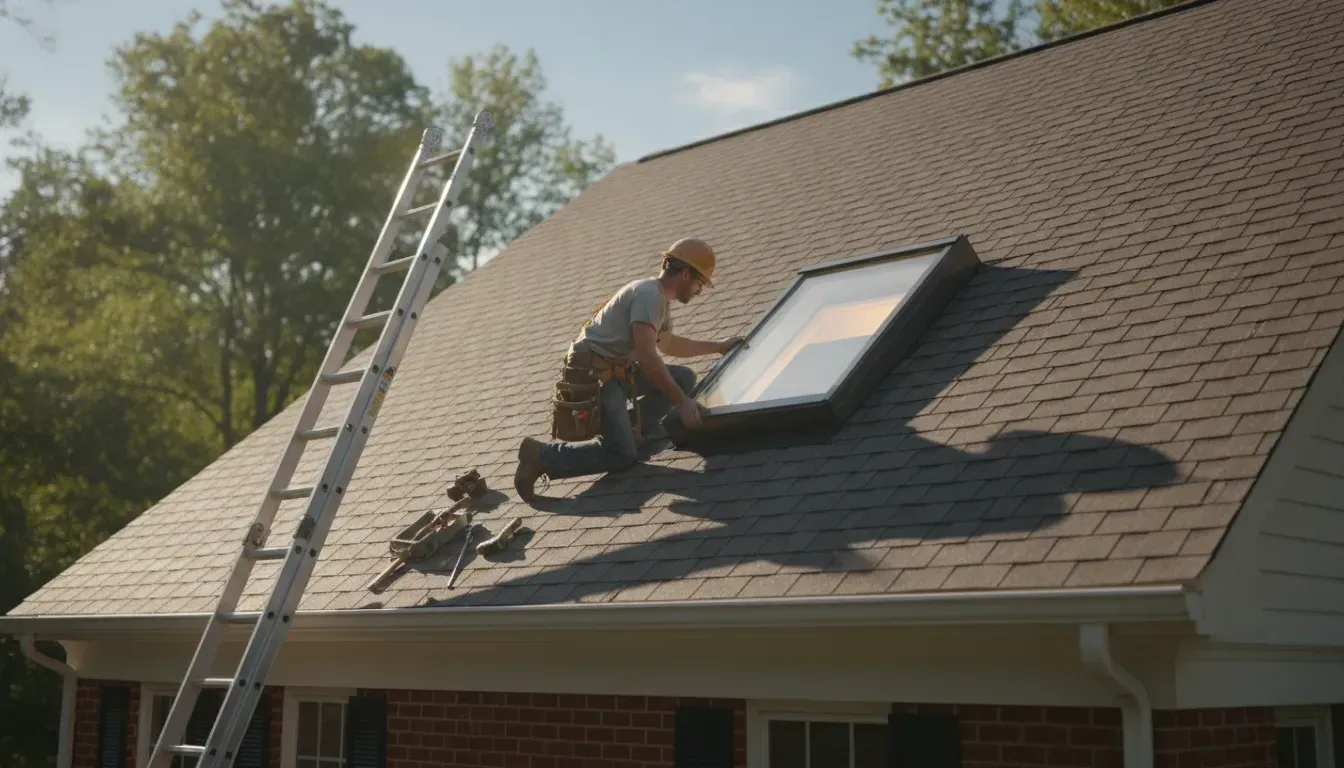
Roof complexity matters: Installing a skylight often means cutting into the roof, evaluating the framing, and creating adequate structural support. The U.S. Department of Energy explains that skylight installation requires careful planning of the roof opening and support structure. See the guidance on windows, doors, and skylights for additional technical context.
Labor can also vary based on roof pitch, access, roofing material, and the distance between the roof and the finished ceiling. A curb-mounted unit may be simpler to install than a fully integrated design, while a more involved design may require additional framing or roof work.
Do not overlook the finishing work: The estimate may include flashing, underlayment, waterproofing details, insulation, drywall, trim, and paint around the interior opening. Flashing and roof integration deserve particular attention because a low initial price does not provide much value if the installation allows water to enter later.
When comparing estimates, ask whether the quote includes the complete scope, not just the skylight itself. A clear estimate should identify the unit, removal or demolition if applicable, structural work, flashing, interior finish, cleanup, and any roof repairs discovered during the assessment. That makes it easier to compare options fairly and choose a system that fits both your home and your budget.
What Factors Drive the Final Skylight Price?
The skylight itself is only one part of the budget. The final skylight cost and installation plan depends on the unit, the roof opening, the roofing system, and the finish work below the roof. A careful evaluation helps you compare options based on long-term comfort and performance, not just the product price.
Unit type sets the starting point. Fixed skylights provide daylight without opening, so they are usually the simplest option. Venting models add hardware for manual, electric, or solar operation, which can increase the product and installation cost. Solar-powered venting units may reduce wiring requirements, but the added controls and operating features still affect the total.
Tubular skylights are often a more economical choice for a hallway, closet, bathroom, or other small space where a full-size skylight is unnecessary. Market comparisons commonly place tubular options starting around $800, while traditional skylights often start higher. Treat these figures as planning references, not guaranteed project prices.
Skylight TypeTypical Starting CostBest ForVentilationFixed skylightRoughly $150 to $800Adding daylight to a hallway, kitchen, or living areaNo openingVenting skylightOften $800 and upReleasing heat and humidity from an upper roomOpens for fresh airTubular skylightOften around $800Small or dark spaces like closets and bathroomsSome models ventSolar or traditional full-sizeOften $2,500 or moreLarge rooms wanting a bigger view or operable unitVaries by model
Size and glazing change both material and labor needs. A larger unit costs more and may require more extensive framing. Multi-pane glazing can improve insulation and safety, while low-e coatings help reflect infrared heat without blocking visible light. Those upgrades may be valuable in Georgia's hot summers, particularly where solar heat gain is a concern. The right size also matters because an oversized skylight can create glare or unwanted heat.
Frame material affects durability and efficiency. Aluminum, wood, and vinyl frames have different maintenance, insulation, and appearance characteristics. The best choice depends on the room, the roof system, and the performance goals for the home. Choosing a lower-cost frame without considering heat transfer or upkeep can reduce the value of the installation over time.
Roof complexity is a major labor factor. Creating a new roof opening requires structural planning and framing. A replacement may be more straightforward when the existing opening and unit dimensions are suitable, but damaged decking, outdated flashing, or changes in size can add work. Roof pitch, access, roofing material, and the location of rafters all influence how efficiently the crew can complete the installation.
Mounting design can affect installation difficulty. Curb-mounted models sit on a raised frame and can sometimes cost less to install than fully integrated designs. That does not make one style universally better. The mounting approach must be compatible with the roof and properly weatherproofed for dependable performance.
Flashing and interior finishing belong in the estimate. Flashing creates the water-shedding transition between the skylight and roof, so it should not be treated as an optional add-on. Interior work may include a light shaft, drywall, trim, insulation, and painting, especially for a new installation. Replacement projects may need less interior finishing, but hidden moisture or deteriorated materials can change the scope.
For a reliable comparison, ask whether each estimate includes the unit, structural work, flashing, roofing integration, disposal, and interior repairs. A professional assessment can show which features improve the room and which additions are unnecessary for your roof and budget.
How Does Roof Type and Installation Complexity Affect Cost?
The roof is part of the installation, not just the surface beneath the skylight. Labor can increase when the crew must work around unusual slopes, multiple roof layers, difficult access, or structural framing. A new opening also has to be planned as part of the roof system so the skylight remains secure and water can drain properly.
Cutting into a roof requires careful structural analysis and framing to support the unit and the loads around it. The exact work depends on the roof design and the location of the skylight. The U.S. Department of Energy notes that installation cost is influenced by roof construction, the model selected, and whether the project is a new installation or replacement. Review the installation guidance from the Department of Energy for additional context.
Sloped, flat, and tile roofs require different approaches
Asphalt shingle roofs are common in Georgia and are often more straightforward. When the roof has a practical slope and clear access, the installer can typically plan the opening. Integrate the flashing, and replace the surrounding shingles without as much additional adaptation.
Flat roofs call for a different water-management strategy because water does not naturally move away from the opening as quickly. A curb-mounted skylight uses a raised frame to elevate the unit above the roof plane, improving drainage and helping reduce the risk of water infiltration. The curb, membrane or flashing details, and surrounding roof condition all affect the labor involved. A detailed flat-roof installation article may be useful for homeowners whose project falls into that category. But the broader cost estimate should also account for the roof's age and construction.
Tile roofs can require extra care because individual tiles may need to be removed, cut, replaced, or matched around the opening. Older or brittle tile can make that work slower. Complex rooflines, steep pitches, and limited working space can also increase setup time and safety requirements.
What makes a new opening more involved?
- Structural framing: Rafters or trusses may need to be evaluated and framed around the opening rather than simply cut without a plan.
- Roof access: Multi-story homes, steep slopes, and obstructed areas can require additional equipment, staging, and time.
- Skylight design: Curb-mounted models can sometimes be simpler to install than fully integrated designs, while venting or solar-powered features may add product and installation considerations.
- Interior finishing: A new skylight may require a light shaft, drywall, trim, insulation, or paint work below the roofline.
Replacement work may be less involved when the new unit fits an existing opening and the surrounding roof is sound. However, an old opening can reveal damaged framing, deteriorated flashing, or prior water intrusion. Those conditions should be addressed rather than covered by the replacement.
For a clearer picture of the skylight installation process, ask the contractor to explain what will happen above and below the roof. A reliable estimate should separate the skylight, structural work, flashing or curb, access needs. And interior repairs so you can compare proposals based on the actual scope instead of a single low headline price.
Why Flashing and Leak Prevention Matter for Skylights
Flashing is the first line of defense around a skylight. In fact, flashing problems are the number one cause of skylight leaks. A skylight can be high quality and correctly sized, but poor flashing can still allow water to enter the roof assembly. The result may be stained ceilings, damp insulation, damaged framing, or more extensive roof repairs.
Professional installation protects the skylight and the surrounding roof by treating the unit as part of the roofing system, not as an opening simply placed through the shingles. The U.S. Department of Energy explains that effective flashing is essential for a watertight skylight installation and helps prevent leaks around the perimeter. Proper flashing and skylight installation guidance should be part of every planning conversation.
How does proper flashing keep water out?
Step flashing directs water around the skylight. Each piece is integrated with the roofing materials so water flows down the roof instead of collecting at the sides or upper edge of the unit. Integrated flashing systems add another layer of protection by combining the skylight and flashing components into a design intended to work together.
Sealants can support the installation, but they should not be treated as the only waterproofing method. Sealant can age, shrink, or lose adhesion after repeated exposure to heat, rain, and temperature changes. A durable installation relies on correctly layered flashing, underlayment, roofing materials, and carefully applied seals.
The curb matters, too. A skylight curb is the raised frame that lifts the unit above the roof surface. When properly constructed, it improves drainage and helps prevent water from infiltrating at the skylight opening. The Department of Energy identifies a properly built curb as an important part of elevating the skylight above the roof plane and supporting water runoff. Learn more about skylight curbs and water drainage.
Why is leak-resistant installation especially important in Georgia?
Georgia roofs face intense summer heat, high humidity, heavy rain, and storm activity throughout the year. Those conditions put repeated stress on flashing, seals, shingles, and other roof components. Wind-driven rain can test weak points that might remain unnoticed during mild weather, while humidity can contribute to condensation and moisture concerns inside the home.
That is why our team evaluates the roof area around the planned skylight, not just the skylight unit itself. We look for the best placement, sound roof decking, appropriate flashing details, and drainage paths that will continue working after the next major storm. Professional installation also helps protect existing roof warranties and reduces the risk of compromising the roof's structural integrity.
How can homeowners maintain the seal over time?
Regular inspections help catch small problems before they become interior damage. Have the flashing and seals checked for lifted edges, cracked or deteriorated sealant, loose roofing materials, rust, or signs of water staining. Exterior glass and surrounding roof materials should also be kept clear of debris so water can drain freely.
If you notice a ceiling stain, bubbling paint, or moisture near a skylight, do not assume the glass itself is the source. Water can travel beneath roofing materials before appearing indoors. Our guide to skylight leak prevention explains common warning signs and next steps. Addressing the flashing early can preserve the roof, protect the interior, and help your skylight deliver dependable daylight for years.
Do Skylights Save Energy in Georgia Homes?
They can, but the energy result depends on choosing the right skylight for Georgia's climate and installing it correctly. A well-planned unit can bring useful daylight into a hallway, bathroom, kitchen, or finished attic, reducing the need to switch on electric lights during the day. The wrong glazing or an oversized skylight, however, can add unwanted solar heat during a long Georgia summer.
Use daylight without inviting in excess heat
Natural light can lower lighting demand. The U.S. Department of Energy explains that daylighting can significantly reduce reliance on artificial lighting and improve energy efficiency. That benefit is most practical when the skylight is sized for the room, positioned thoughtfully, and paired with shading when glare or direct sun becomes uncomfortable. Read more about the natural daylighting benefits of bringing controlled sunlight indoors.
Georgia homeowners also need to think beyond brightness. In warm, humid parts of the Southeast, low solar-heat-gain glazing helps limit the amount of summer heat entering through the roof. This is especially important for a skylight on a roof plane that receives strong afternoon sun. A professional assessment can account for roof orientation, room use, existing insulation, and the home's cooling needs before a size and glazing package are selected.
Choose glazing for thermal performance
Glass specifications affect year-round comfort. Low-emissivity, or low-e, coatings reflect infrared heat while allowing visible light to pass through. That can help the skylight provide daylight without transferring as much heat through the glazing. A low U-factor is also valuable because it indicates better resistance to heat transfer. Multi-pane glazing can further improve insulation and safety compared with a basic single-pane design.
These upgrades may increase the initial skylight cost and installation price, but comparing only the unit price can overlook long-term performance. The better question is whether the selected skylight fits the room, roof, and cooling strategy. Fixed models primarily provide light, while tubular skylights can deliver daylight to smaller or darker spaces where a full-size unit may not be practical. Review the different types of skylights before deciding which design best fits your home.
Venting can help with heat and moisture
Operable skylights add ventilation as well as light. When conditions are suitable, a venting model can release rising hot air and help move moisture and stale air out of upper rooms. That feature can be useful in Georgia, where outdoor humidity and summer heat place extra demands on indoor comfort. It is not a substitute for a properly designed HVAC or ventilation system, and the unit should be closed during rain or severe weather.
Some energy-efficient skylights, including certain tubular models, may qualify for a federal energy tax credit of up to 30%. Eligibility, product requirements, installation rules, and credit limits can change. So homeowners should confirm current requirements with the IRS or a qualified tax professional before including a credit in their project budget.
Energy savings are not automatic. Proper sizing, low solar-heat-gain glazing, low-e coatings, a low U-factor, sound flashing, and professional installation all contribute to the final result. Together, they help a skylight provide natural light and ventilation without creating a new source of heat gain, condensation, or roof problems.
How to Get an Accurate Skylight Estimate
A useful estimate is more than a price for the skylight itself. It should account for the roof, framing, flashing, interior finish, and the way you want the room to function. A little preparation helps your roofer recommend an option that fits both your home and your budget, rather than quoting a number that changes after work begins.
Use these steps to prepare for a clear, itemized conversation with a professional:
- Confirm the room and your natural-light goal. Start with the space you want to improve and describe what you want the skylight to do. Are you trying to brighten a dark hallway, add daylight to a kitchen, make a bedroom feel more open, or bring fresh air into an upstairs room? Note the approximate room dimensions, the location of existing windows, and whether privacy, ventilation, or reduced artificial lighting matters most. A smaller tubular unit may suit a compact space, while a larger fixed or venting skylight may better serve a room where daylight and visual impact are priorities.
- Assess the roof type, slope, and framing access. The roof determines how the unit can be installed and how much preparation may be needed. Your roofer will consider the slope, roofing material, age and condition of the roof, and whether rafters or other framing members affect placement. Access from the attic also matters because the installer needs to evaluate the opening and protect the surrounding structure. A roof with limited access, complicated intersections, or existing wear may require more labor and waterproofing detail than a straightforward installation. Proper planning is especially important in Georgia, where storms and heavy humidity make dependable flashing and water management essential.
- Choose the unit type, size, and glazing. Compare fixed, venting, tubular, and solar options based on how you will use the room. Fixed units provide daylight without an opening mechanism. Venting models can help release heat and humidity, which may be useful in an upper-level Georgia room. Tubular skylights can deliver daylight to smaller areas where a conventional unit would not fit. Glazing, coatings, frame materials, and controls also affect the estimate. If you are still comparing options, review this overview of the different types of skylights before your consultation.
- Request a professional inspection and itemized quote. An on-site inspection gives the roofer a chance to verify measurements, inspect the roof and framing, identify potential obstacles, and recommend the right flashing system. Ask the estimate to separate the skylight, installation labor, flashing and waterproofing, interior shaft or drywall work, electrical controls, and any necessary roof repairs. Professional installation helps protect structural integrity and may help preserve applicable roof warranties. Total Roof Solutions offers free inspections and estimates, so homeowners can request an evaluation without committing to a particular unit. You can request a free inspection through the contact page, or learn more about the skylight installation process.
With these details documented, you can compare estimates on the work included, not just the bottom-line number. That makes it easier to choose a skylight that delivers the daylight, comfort, and long-term roof protection you expect.
Request a free skylight estimate today
Frequently Asked Questions
What is the average cost of installing a skylight?
There is no single price for every Georgia home. A quote typically accounts for the skylight type and size, roof pitch, access, framing. Flashing, interior drywall work, and whether the project is a replacement or a new opening. A simple replacement may be much less involved than cutting and framing a new opening. So an on-site roof assessment is the best way to establish a useful estimate.
How much do traditional skylights cost versus tubular skylights?
Traditional skylights provide a larger view and can offer ventilation when an operable model is selected, but they may require more roof and interior work. Tubular skylights use a smaller roof opening and direct daylight through a reflective tube, making them a practical option for closets, hallways, bathrooms, and other compact spaces. The right choice depends on the room, available roof area, desired light level, and installation conditions.
What factors influence the total skylight installation cost?
The largest variables are the unit itself, roof complexity, structural framing, labor access, flashing design, insulation, and interior finishing. A steep or difficult-to-access roof can increase labor, while a new opening may require more preparation than a replacement. In Georgia, proper waterproofing and storm-ready flashing should be treated as essential parts of the project, not optional add-ons.
Can skylights improve energy efficiency in a Georgia home?
They can. Well-planned daylighting can reduce the need for artificial lighting during the day, while venting models may help release heat and humidity. The glazing, orientation, size, and shading still matter, especially during Georgia summers. The U.S. Department of Energy recommends considering solar heat gain and thermal performance when selecting skylights: DOE daylighting guidance.
Ready to Get a Free Skylight Estimate in Georgia?
Adding a skylight can brighten your home, cut down on daytime lighting, and make your living space feel more open. Our team takes the time to understand your goals, inspect your roof. And recommend a skylight solution that fits your budget and protects your home for years to come.
Every project starts the same way for us: with a free inspection and estimate. We proudly serve homeowners across Metro Atlanta and Middle Georgia, including McDonough and 16+ counties. And we would be glad to help you plan a skylight that is done right the first time.
Schedule a free skylight consultation todayThe body content of your post goes here. To edit this text, click on it and delete this default text and start typing your own or paste your own from a different source.