Roof Inspection Cost: Is a Professional Check Worth It?
MEGA MEGA • August 18, 2026
Schedule a free roof inspection in Georgia. Learn what a professional roof inspection cost covers, when one is needed, and how free beats pricey surprises.

Roof questions rarely arrive at a convenient time. A storm may leave you wondering whether that loose shingle matters, or an upcoming sale may make the roof's condition part of a larger decision. A professional inspection gives you clear information before a small concern becomes an expensive surprise.
Schedule a free roof inspection with Total Roof Solutions.
In Georgia, roof inspection cost depends on factors such as roof size, pitch, materials, and accessibility. Professional inspections commonly fall within a market range of about $150 to $600, although some roofing companies offer a free inspection when evaluating repair or replacement needs. More important than the fee is what you receive: an honest assessment of shingles, flashing, drainage, ventilation, and visible water damage, along with practical next steps.
Understanding the inspection process makes it easier to compare estimates and recognize a thorough evaluation. First, it helps to know exactly what a qualified professional should examine from the roof surface through the attic and supporting details.
What Is a Roof Inspection and What Does It Cover?
A professional roof inspection is a structured review of the roof system and the areas that support it. An inspector looks for visible damage, weak points, drainage problems, ventilation concerns, and signs that water has entered the home. Then explains what those findings may mean for repair timing and remaining roof life.
The goal is not simply to label a roof as good or bad. A careful inspection gives you useful information before a small issue becomes a larger repair. And it can provide peace of mind when you are buying, maintaining, or planning work on a Georgia home. For additional context on what homeowners may pay for this service, see this guide to roof inspection.
Roof surfaces and shingles
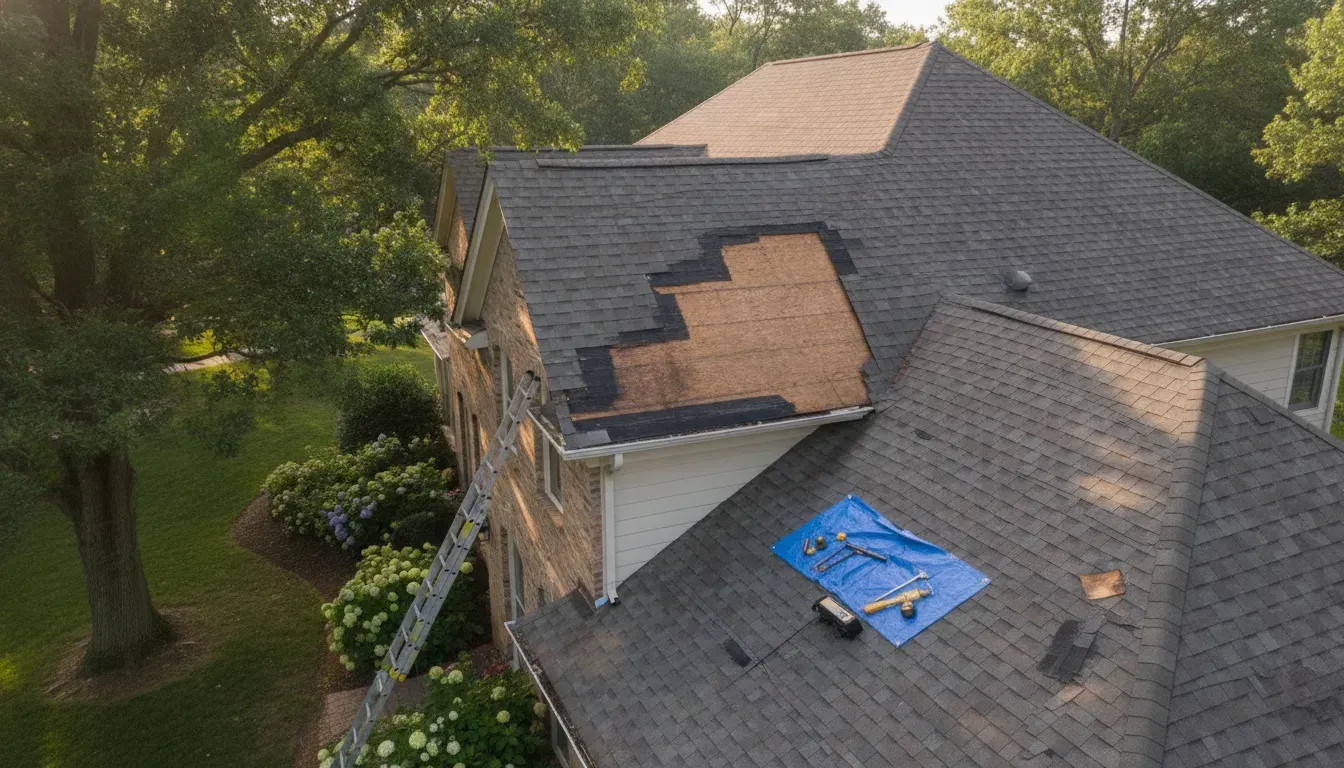
The inspection typically begins with the roof covering. The inspector checks for loose, missing, cracked, or visibly deteriorated shingles, along with areas where the surface may have been affected by wind, falling branches, or age. These observations help identify whether the roof needs routine maintenance, targeted repair, or a more detailed evaluation.
Flashing, chimneys, and penetrations
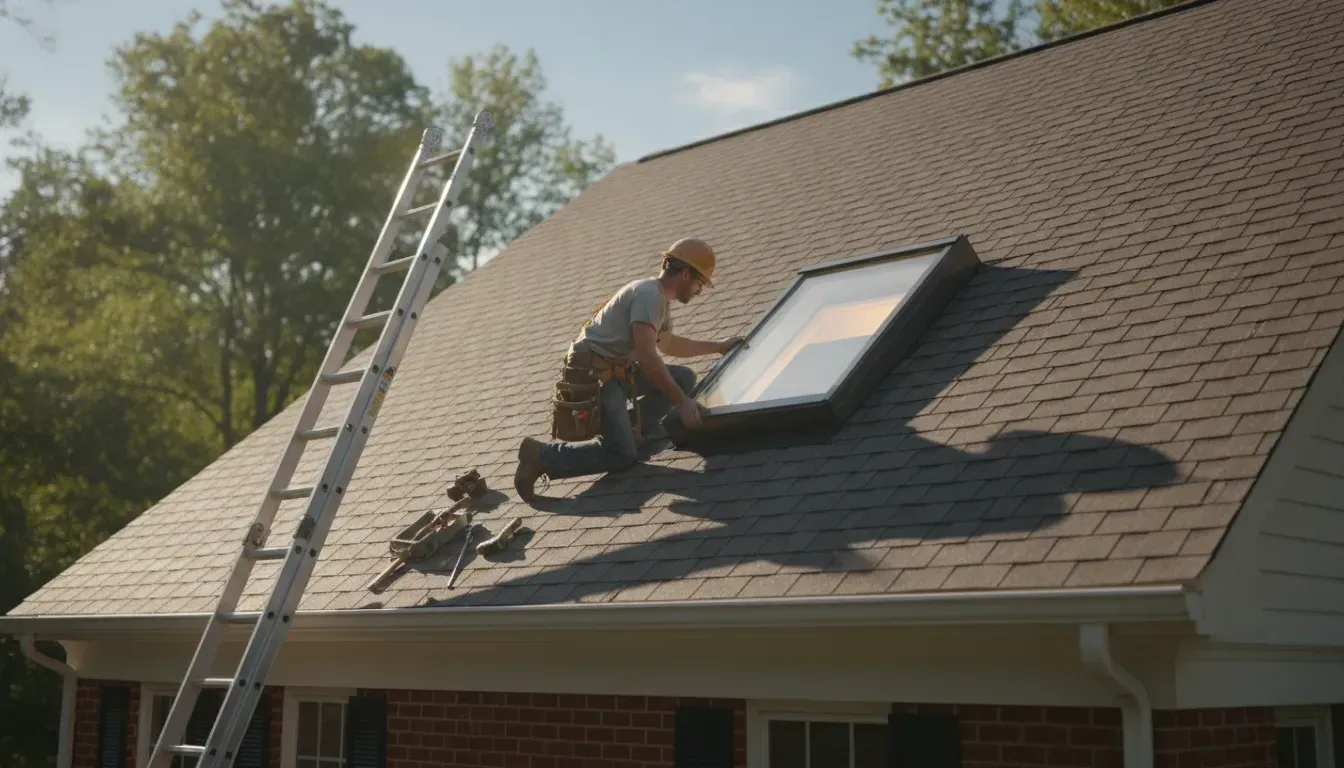
Flashing is the material used to help seal transitions and openings around features such as skylights, vents, walls, and chimneys. Defects around skylights and vents are common sources of concern during inspections, so these areas deserve close attention. The inspector may also look for cracks or damaged mortar around the chimney, where deterioration can allow moisture into adjacent roof and wall assemblies. These issues are among the potential roofing problems identified in guidance from the University of Georgia Cooperative Extension.
Attic ventilation and water-damage signs
A roof inspection should not stop at the shingles. Where accessible, the inspector reviews the attic for inadequate ventilation, moisture, staining, damp insulation, or other evidence of water intrusion. Proper attic ventilation supports roof health, while inadequate ventilation can contribute to premature roofing failure, according to building research published by the Massachusetts Institute of Technology.
Water damage may appear as dark staining, soft materials, peeling finishes, or a musty odor inside the attic or upper rooms. Tracing the source can require judgment because the visible interior mark may be some distance from the roof entry point.
Drainage and the overall roof system
Finally, the inspection considers how water leaves the roof. Gutters, downspouts, valleys, scuppers, and other drainage paths should move water away rather than allowing it to collect. Proper drainage helps prevent ponding and supports the long-term performance of the roofing system. The finished inspection report should distinguish observed conditions from recommendations, giving you a clearer basis for deciding what to address first.
How Much Does a Roof Inspection Cost in Georgia?
In Georgia, a professional roof inspection commonly falls in the range of about $150 to $600, although many roofing companies waive or bundle the fee. The final price depends on the home's roof size, pitch, materials, accessibility, and the level of detail requested. A standard inspection often takes about one to three hours.
That range is a general market benchmark, not a guaranteed Georgia price. Regional labor rates, travel distance, roof condition, and the scope of the inspection can all change the quote. Ask what the inspection includes before comparing prices, especially if one provider offers only a quick visual review and another includes attic access, documentation, or a written report.
What factors affect the price?
A smaller, simple asphalt-shingle roof is usually faster to assess than a large roof with multiple levels, steep slopes, dormers, skylights, or several roofing materials. A steep or difficult-to-access roof may require additional safety precautions and equipment. Older roofs or roofs with visible concerns can also take longer because the inspector may need to examine more areas closely.
The reason for the inspection matters, too. A routine condition check may have a different scope from an inspection prepared after storm damage. Before buying or selling a home, or as part of a repair decision. Clarify whether the quote covers the roof surface only or includes related areas such as flashing, drainage, ventilation, and the attic.
For broader context, our guide to roofing cost factors explains why roofing prices vary across a project. If the inspection identifies a concern, you can also review what to expect from residential roof repair cost before deciding how to proceed.
Is a free inspection really free?
Often, yes, but it is worth asking how the company handles the visit. Many roofing professionals offer a no-cost inspection as the first step in a potential repair or replacement relationship. In those cases, the company may waive the inspection fee because the assessment helps determine whether work is needed and what that work should involve. A free inspection should not obligate you to approve a proposal.
Total Roof Solutions offers free roof inspections for Georgia homeowners. Our team can review the roof's condition, explain what we find, and help you understand whether the next step is maintenance, repair, or simply continued monitoring. You should receive clear information rather than pressure to make an immediate decision.
Free vs. Paid Roof Inspections at a Glance
- Upfront fee: A typical paid inspection runs about $150 to $600; a Total Roof Solutions inspection is free, with no inspection fee.
- Obligation: No obligation to approve work with either option.
- Scope: Shingles, flashing, chimneys, vents, and water-damage signs — the same thorough roof review.
- Guidance: Clear, plain-language recommendations before you make any decision.
Are Roof Inspections Worth the Cost?
Yes, a roof inspection is worth it because it can identify small problems before they become expensive repairs. Clarify how much useful life remains, and help you make decisions with confidence. For Total Roof Solutions customers, the question is even simpler: our roof inspections are free. So you can get a professional assessment without adding an inspection fee to your maintenance budget.
A roof does not have to be visibly leaking before an inspection provides value. Loose materials, early wear, or a developing weakness may be easier and less expensive to address when found early. The University of Georgia Extension notes that professional inspections can help homeowners avoid costly repairs by identifying minor issues before they escalate. Learn more about what home inspections can reveal.
Early information can protect your budget
Roof repairs often become more involved when a small issue is left unattended. A timely inspection gives you a clearer picture of what needs attention now, what can be monitored, and what may require planning later. That distinction matters. It lets you prioritize maintenance instead of reacting to a larger problem at an inconvenient time.
An inspection can also help assess the remaining useful life of the roof system. If the roof is performing well, you may simply need a maintenance plan and periodic monitoring. If replacement is likely in the future, an honest assessment gives you time to consider materials, warranties, and financing options without making a rushed decision.
Peace of mind has practical value
Knowing the actual condition of your roof can make homeownership easier. You have information to use when budgeting, selling a home, completing other projects, or deciding whether a repair is urgent. A professional inspection can provide peace of mind because the recommendation is based on observed conditions rather than guesswork.
After a severe storm, inspection documentation may also support an insurance claim by recording the roof's condition and any storm-related damage. Documentation does not guarantee coverage, but it gives you a clearer record to share with your insurer and helps separate existing wear from a recent event.
Routine inspections support a longer service life
Inspections are not only useful after a storm or when a leak appears. A routine schedule helps catch changing conditions and supports maintenance that can extend the roof's service life. For Georgia homeowners, that is a straightforward way to stay ahead of seasonal weather while preserving the investment already overhead.
With a free inspection from Total Roof Solutions, there is little reason to postpone finding out where your roof stands. Our team can explain the findings in plain language and help you choose the next step that fits your home and priorities.
When Should You Schedule a Roof Inspection?
Schedule a roof inspection at least once a year, and sooner after severe weather. Before a home sale or purchase, or when your roof reaches an important age milestone. In Georgia, a spring or fall inspection can help you address small concerns before the next demanding storm season. A professional review also gives you a clearer basis for deciding whether a repair, maintenance, or replacement is appropriate.
- In spring and fall: Seasonal inspections are useful after winter wear and before periods of heavy rain, wind, and storms. They can identify loose shingles, damaged flashing, or drainage concerns while problems are still manageable.
- After a major storm: Schedule an inspection after high winds, hail, or falling branches, even if damage is not visible from the ground. Inspection documentation can help establish the roof's condition when discussing a storm-related insurance claim. The University of Georgia notes that inspection findings support informed decisions about roofing conditions.
- Before buying or selling: A roof inspection before closing can uncover issues that affect negotiations, budgeting, or the timing of a sale. Homebuyers are strongly encouraged to include a home inspection so potential roofing problems are identified before they commit to the property. UGA Extension recommends not overlooking the home inspection when buying.
- When the roof is 20 years old or more: Age does not automatically mean replacement is necessary, but it does make condition and remaining service life more important. A professional inspection can assess how the system is performing and help you plan responsibly instead of reacting to an emergency.
- After roofing work: If a repair or replacement has recently been completed. A follow-up review can confirm that the work addressed the original concern and that drainage, flashing, and other details are performing as intended.
What can you check before calling a professional?
A basic ground-level scan is a sensible first step. Look for missing or visibly lifted shingles, sagging areas, dark water stains on exterior surfaces, damaged gutters, and debris near roof drainage paths. Do not climb onto the roof or use an unstable ladder. Roof work and inspections involve real fall hazards, so leave elevated areas to trained professionals.
Ground-level observations are helpful, but they cannot reveal every issue. Problems may be hidden around flashing, chimneys, vents, or in the attic. If you notice a concern, or simply do not know the roof's history, scheduling an inspection is usually more useful than waiting for a leak. It can give you documented information about current condition and help you make a measured decision about next steps.
How to Choose a Roof Inspector You Can Trust
The right roof inspector is licensed, bonded, insured, experienced in your local area, and willing to explain findings without pressure. Before discussing roof inspection cost, verify the company's credentials, reputation, and approach so you know the recommendations are based on your roof's condition, not a sales quota.
A trustworthy professional should make it easy for you to confirm the basics:
- Licensing and bonding: Ask for current credentials and verify them through the appropriate state or local agency. Homeowners should also verify the licensing and insurance of any roofing professional they hire, as recommended in Michigan State University's homeownership guidance: questions to ask your home inspector.
- Insurance coverage: Confirm that the company carries appropriate general liability and workers' compensation coverage. Do not rely on a verbal assurance alone. Ask for documentation before anyone begins work around your home.
- Local reputation: Look for reviews from homeowners in your community, not just a temporary online presence created after a major storm. A local company should be able to provide references and explain how it serves nearby Georgia neighborhoods.
- Relevant credentials: Manufacturer certifications, such as Owens Corning Platinum Preferred Contractor status, can show that a company has met defined requirements for training, installation practices, and customer service. Ask what the certification means and whether it applies to the work being recommended.
- Documented experience: A third-generation roofing team brings perspective that can help with older homes, recurring leaks, and repairs that require careful diagnosis. Experience matters most when the inspector can explain what was observed and support it with clear photos or notes.
Watch for storm-chasing red flags
After a severe storm, out-of-town crews may arrive quickly and offer a cheap or immediate inspection. The Connecticut Department of Consumer Protection warns that scammers target homeowners after storms while posing as roofing companies and offering quick, low-cost services: read the storm-scam warning.
Be cautious if someone demands an immediate decision, asks for a large deposit before documenting damage. Refuses to provide credentials, or claims that every roof on your street needs replacement. A professional inspector will let you review the findings, seek a second opinion, and decide on next steps without intimidation. That calm, transparent process is worth more than the lowest advertised roof inspection cost.
Why Total Roof Solutions Offers Free Roof Inspections for Georgia Homeowners
A free roof inspection is a low-risk first step toward understanding your roof's condition, with no inspection fee and no obligation to move forward. Instead of asking you to guess whether a concern is urgent. Our team provides an honest assessment so you can make a practical decision for your home and budget.
That clarity matters in Georgia, where intense sun, heavy rain, wind, and seasonal storms can gradually affect roofing materials. Some issues are visible from the ground, while others require a closer look around shingles, flashing, vents, chimneys, and other vulnerable areas. An inspection can help distinguish normal wear from conditions that deserve attention.
A clear picture before you make a decision
Our goal is not to create pressure. It is to explain what we find, what may need attention, and what can reasonably wait. If your roof is performing well, you should hear that clearly. If we identify a concern, we can explain the issue in plain language and discuss possible next steps without assuming that replacement is the answer.
A no-cost inspection can also help you plan ahead. You may be comparing average roofing prices, preparing for a sale, reviewing storm-related damage, or simply trying to understand the condition of an older roof. Having an informed starting point makes those conversations more productive and helps you avoid decisions based on a vague estimate or a high-pressure sales visit.
Local experience backed by trusted standards
Total Roof Solutions serves homeowners in McDonough and more than 16 surrounding Georgia counties. We are licensed and bonded, and our company is third-generation family owned and led by Stephen Griswell. That long-term, local perspective shapes how we approach every inspection: with attention to the property's needs, respect for the homeowner, and a focus on durable workmanship.
We are also an Owens Corning Platinum Preferred contractor. That designation reflects a commitment to professional standards and manufacturer-backed roofing expertise, but the inspection itself remains straightforward. You receive information you can use, whether the right next step is a repair, continued maintenance, or a future replacement plan.
Choosing a free inspection does not commit you to a project. It gives you a clearer view of your roof and a knowledgeable local team to consult when you are ready.
Request a free roof inspection for your Georgia home.
Frequently Asked Questions
How much does a roof inspection cost in Georgia?
The roof inspection cost in Georgia depends on the home's size, roof design, accessibility, and the inspection's scope. Some companies charge a separate fee, while roofing contractors may offer a free inspection as the first step toward an estimate or repair plan. Ask what the inspection includes and whether you will receive photos or a written summary before scheduling.
What is included in a professional roof inspection?
A professional inspection typically reviews shingles or other roof coverings, flashing, chimneys, vents, and visible signs of water damage. The inspector may also look at attic ventilation and drainage because moisture and ponding can shorten a roof system's useful life. The University of Georgia Extension identifies loose shingles, chimney concerns, flashing defects, and water-related problems as issues worth checking. University of Georgia Extension
Are roof inspections worth the cost?
Usually, yes, especially when an inspection catches a small issue before it becomes interior water damage or a larger repair. It can also give you a clearer view of remaining roof life, help prioritize maintenance, and document conditions after a storm. For a homeowner in Georgia, that information can support a calm repair decision instead of an emergency response.
How often should I get a roof inspection?
Schedule an inspection at least periodically, and consider one after a significant storm, before listing your home, or when you notice leaks, missing shingles, or unusual attic moisture. A pre-purchase inspection is also a sensible step before closing on a home. Local requirements can vary when roofing work is performed, so confirm applicable building-code and permit rules with your municipality.
Ready to Learn the True Condition of Your Roof?
A professional roof inspection is a small step that can save you from larger surprises, and it should never feel like a risk. When you choose a licensed, bonded, locally experienced team that treats every home like its own, the real cost of the inspection often drops away entirely.
Total Roof Solutions offers a free roof inspection to homeowners across McDonough and more than 16 surrounding Georgia counties. You receive an honest, plain-language assessment of your roof's shingles, flashing, drainage, ventilation, and any visible water damage, plus clear guidance on what, if anything, needs attention next.
There is no inspection fee, no obligation, and no pressure to approve a project. You simply get the clarity you need to make a confident decision for your home and your budget.