Why Hire a Certified Roof Inspector? 4 Key Benefits
Stephen Griswell • April 15, 2026
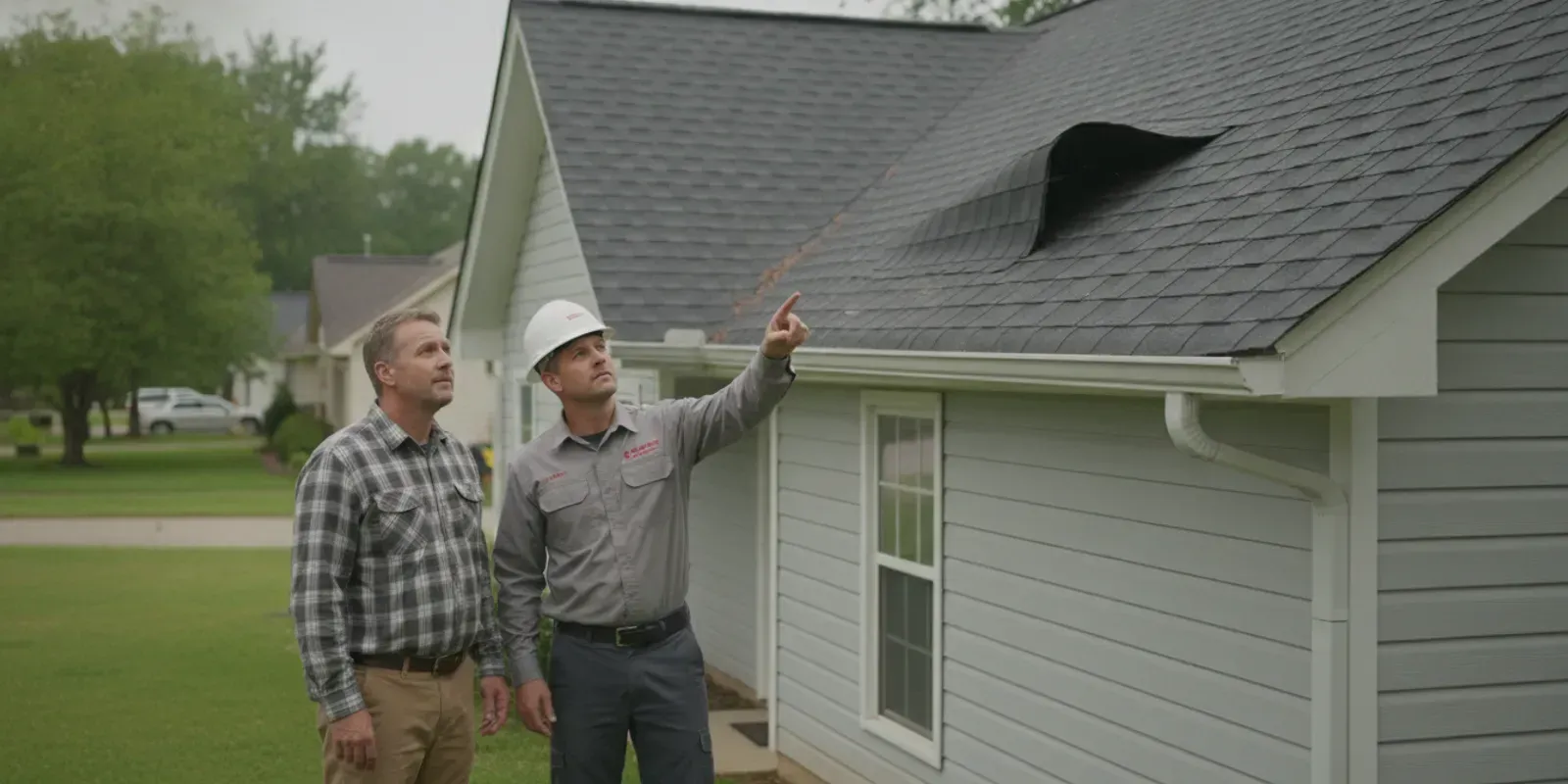
When you need an honest opinion about your roof, who do you call? A roofer might see a potential job, but a certified roof inspector sees only the facts. Their role isn't to sell you a new roof; it's to provide a completely unbiased, expert assessment of its current condition. Think of them as a neutral third party, trained to spot everything from minor issues to significant structural vulnerabilities that an untrained eye might miss. This detailed evaluation gives you the power to make informed decisions, whether you're dealing with an insurance claim, buying a new home, or simply planning for future maintenance.
Key Takeaways
- Get a Sales-Free Assessment: A certified roof inspector offers a completely unbiased evaluation of your roof's condition. Their purpose is to give you accurate information, not to sell you on repairs, so you can plan your next steps with confidence.
- Protect Your Investment and Your Wallet : Regular inspections help you find small problems before they turn into costly repairs, extending your roof's lifespan. The official report is also essential for validating insurance claims and satisfying requirements for real estate sales.
- Verify Credentials and Avoid Conflicts of Interest: Always hire an inspector with certifications from reputable organizations like NRCIA or Haag. Ensure they have proper insurance and avoid anyone who also offers to perform the repairs, as this is a significant conflict of interest.
What Is a Certified Roof Inspector?
Think of a certified roof inspector as a neutral expert for your roof. Their job isn’t to sell you on repairs or a replacement; it’s to give you a completely unbiased and accurate assessment of your roof's condition. Using standardized methods, they conduct a detailed evaluation to identify any existing issues, potential vulnerabilities, and the overall health of your roofing system. This is especially important whether you're buying a new home, filing an insurance claim, or simply want to understand the true state of your current residential roof.
A certified inspector provides a professional opinion based on specialized training and experience. They look at everything from the materials and structure to the quality of the installation, giving you a clear picture of what’s going on overhead. This detailed report empowers you to make informed decisions without any sales pressure. It’s all about getting the facts so you can plan your next steps, whether that involves simple maintenance, necessary repairs, or budgeting for a future replacement. Their goal is to provide clarity and peace of mind, removing the conflict of interest that can arise when the person inspecting the roof also profits from finding problems.
Their Qualifications and Training
Becoming a certified roof inspector isn't a simple weekend course. These professionals undergo extensive training to earn their credentials. Most programs require a foundation of hands-on experience, often through an apprenticeship, before they can even begin the certification process. Their training covers a wide range of topics, including how to read building plans, understand local building codes, and identify the characteristics of various roofing materials.
To achieve certification, candidates must pass demanding written and practical exams that test their knowledge and skills. But it doesn't stop there. The roofing industry is always evolving, so inspectors are required to complete continuing education credits to maintain their certification. This ensures they stay current on the latest materials, installation techniques, and inspection standards, so you can trust their assessment is based on up-to-date expertise.
Key Certifications to Look For
When you’re looking to hire an inspector, you’ll want to see credentials from reputable organizations. One of the most recognized is the National Roof Certification and Inspection Association (NRCIA), which is well-regarded in the real estate industry. Another is the International Association of Certified Home Inspectors (InterNACHI), which offers a broader home inspection certification that includes roofing.
For storm damage assessments, a certification from Haag Engineering is the gold standard. Haag-Certified Inspectors are specially trained to evaluate damage from wind and hail, which is invaluable for insurance claims. At Total Roof Solutions, we pride ourselves on our team's expertise and credentials, including being an Owens Corning Platinum Preferred contractor, which speaks to our commitment to quality and ongoing training.
Certified Inspector vs. General Contractor: What's the Difference?
While a general contractor might offer to look at your roof, their expertise is typically much broader. A certified roof inspector, on the other hand, is a specialist. Their training is focused entirely on the complexities of commercial and residential roofing systems. They know exactly what to look for, from subtle signs of water intrusion to structural weaknesses that a generalist might miss.
This specialization is why many insurance companies and mortgage lenders prefer or even require a report from a certified inspector. While certification isn't always a legal requirement for an inspection, it serves as a mark of professionalism and deep knowledge. A certified inspector provides a more thorough, detailed, and informed assessment, ensuring you have the most accurate information possible about your roof’s condition.
What Does a Certified Roof Inspector Do?
A certified roof inspector acts as a neutral expert for your roof. Their job isn't to sell you anything, but to give you a clear, unbiased picture of its current condition. They follow a detailed process to find hidden issues, check the quality of past work, and document their findings. This gives you the factual information you need to make smart decisions about your property, whether you're buying, selling, or filing an insurance claim.
Conduct a Thorough Roof Assessment
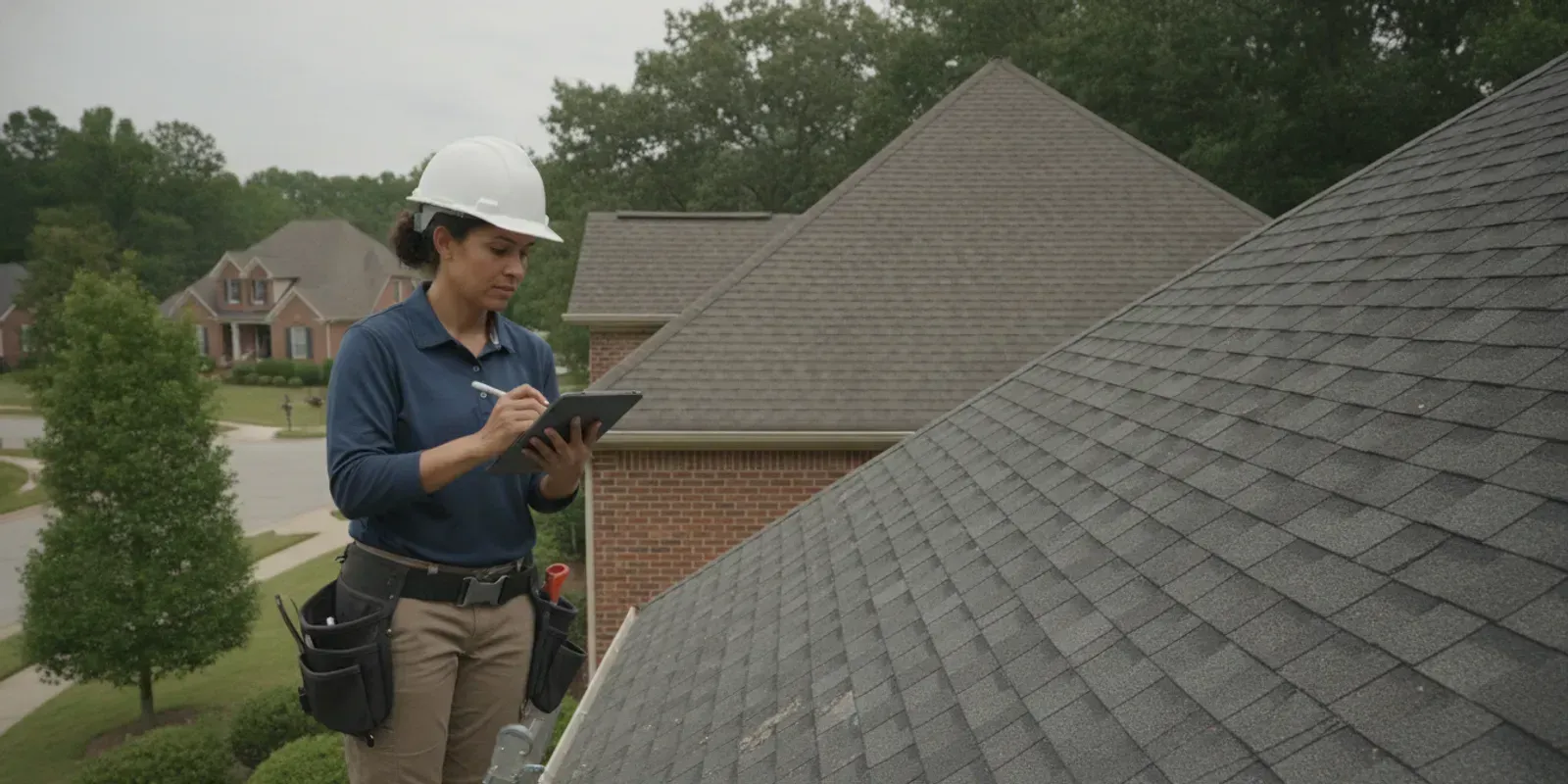
An inspector performs a top-to-bottom check of your entire roofing system. They look beyond the shingles to examine underlayment, flashing around chimneys, and the condition of your gutters. They’re trained to spot subtle signs of water damage, structural weaknesses, and material decay that an untrained eye might miss. As a neutral expert, their only goal is to report your roof's true condition, providing an honest evaluation without any pressure to buy repair services. This detailed assessment gives you a complete understanding of your roof's health.
Provide Detailed Reports and Documentation
After the inspection, you’ll receive a detailed written report. This document includes photographs, descriptions of any problems, and specific recommendations for fixes. For example, the report might list minor repairs, like sealing a few loose tiles, that are needed before a certification can be issued. This official documentation is incredibly valuable for insurance purposes, real estate transactions, or simply for your own records. It serves as a professional record of your roof's condition at a specific point in time, which can be a huge asset down the road.
Verify Local Building Code Compliance
Certified inspectors are well-versed in local building codes. Part of their job is to confirm that your roof meets all current safety and construction standards, which is crucial for avoiding issues when you sell your property. Because inspectors receive training on local rules, they can identify any work that wasn't done to code, protecting you from future liabilities. Our team is also committed to the highest standards, as you can see from our own certifications. This verification ensures your roof is not just functional but also fully compliant.
Offer Unbiased Evaluations for Insurance Claims
When filing an insurance claim for storm damage, an inspector’s unbiased report is a powerful tool. Because they don't profit from repairs, their assessment is a credible, third-party evaluation of the damage. They will document the extent of the issues, helping to validate your claim with the insurance company. This official report provides the evidence needed to get the coverage you deserve for your commercial or residential property. It removes the guesswork and strengthens your position during the claims process.
Why Hire a Certified Roof Inspector?
When you think about home maintenance, your roof might not be the first thing that comes to mind, but it’s your home’s primary shield against the elements. Hiring a certified roof inspector is one of the smartest decisions you can make as a property owner. It’s about more than just a quick look; it’s a detailed, professional evaluation that provides peace of mind and tangible benefits for your wallet, your property’s value, and your long-term planning. Let’s explore the four key reasons why this service is an essential investment.
Catch Problems Early and Save Money
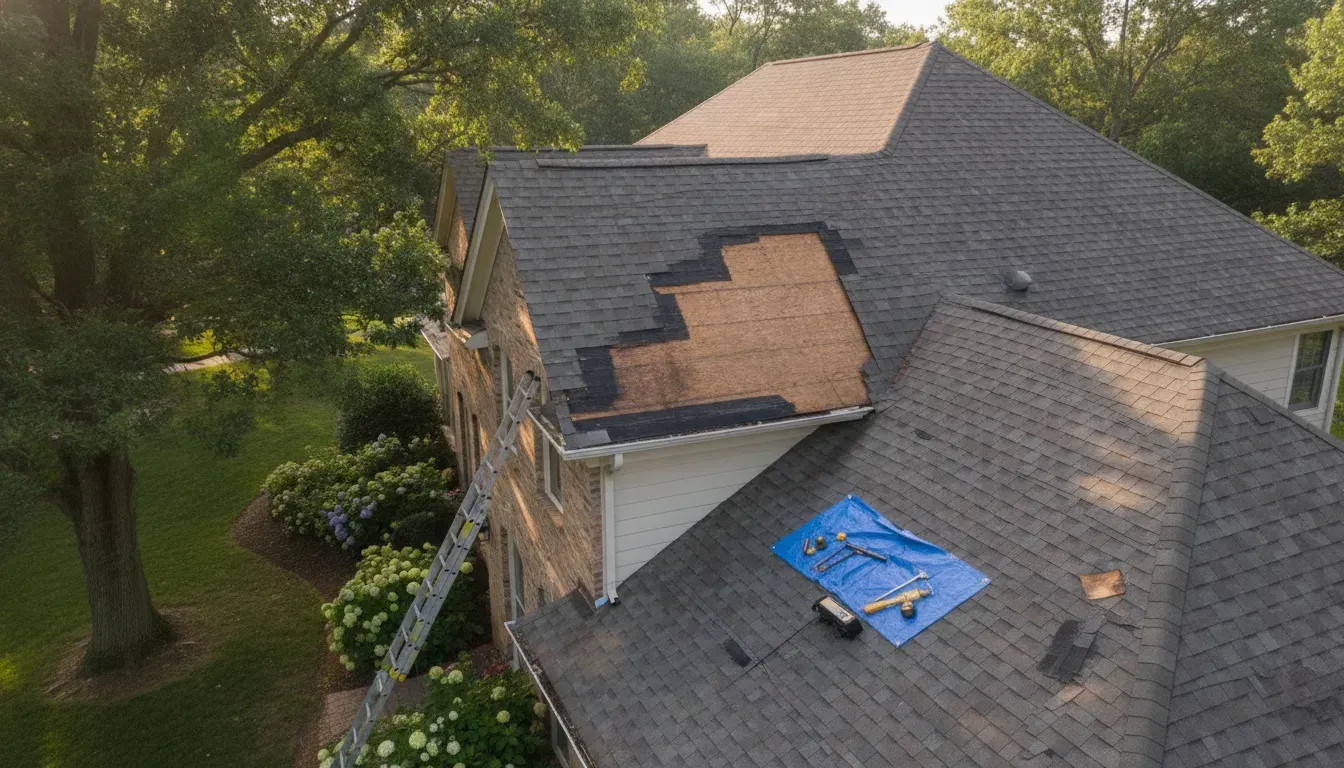
A small leak or a few missing shingles can seem like minor issues, but they can quickly lead to major damage like rot, mold, and structural problems. A certified roof inspector has the trained eye to spot these subtle signs of trouble before they escalate. Think of it as a preventative health checkup for your roof. By identifying potential vulnerabilities early, you can address them with simple roof repairs instead of facing a costly, full-scale replacement down the road. This proactive approach can save you thousands of dollars and a lot of future headaches, protecting both your home and your budget.
Get the Right Paperwork for Insurance or a Sale
If you're selling your property or filing an insurance claim, official documentation is everything. A certified roof inspector provides a formal document called a roof certification. This report confirms your roof is in good condition and estimates its remaining lifespan, typically for two to five years. For home sales, many lenders and buyers require this certification, especially for older homes, as it provides confidence in the property's integrity. For insurance purposes, an inspector’s unbiased report can be crucial for validating a claim after a storm, ensuring you get the coverage you deserve.
Extend Your Roof's Lifespan
Your roof is a significant investment, and you want it to last as long as possible. Regular professional inspections are key to maximizing its lifespan. An inspector can identify and address minor issues like clogged gutters, failing flashing, or sun-damaged shingles that, if left alone, could shorten your roof's life. By following their recommendations for routine care and maintenance, you can add years to your residential roof's service life. This consistent attention ensures your roof performs optimally year after year, protecting your property and delaying the expense of a premature replacement.
Receive an Honest, Sales-Free Assessment
One of the biggest advantages of hiring a certified inspector is their neutrality. Unlike a contractor who might be looking for a repair or replacement job, a certified inspector’s sole purpose is to provide an accurate and unbiased assessment of your roof's condition. They follow standardized procedures to give you the unvarnished truth. This means you get an honest evaluation without any sales pressure. You can trust their findings to make informed decisions, whether you’re a homeowner, a business owner managing a commercial property, or a realtor facilitating a transaction.
How Much Does a Certified Roof Inspection Cost?
When you’re thinking about scheduling a roof inspection, one of the first questions that comes to mind is, "What's this going to cost me?" It’s a fair question. Understanding the potential cost helps you budget and see the value in the service. While prices can vary, a professional inspection is one of the most affordable ways to protect your property. The final price tag depends on a few key details about your specific roof, but the investment pays for itself in peace of mind and long-term savings.
Average Costs for Homes and Businesses
Nationally, a professional roof inspection typically costs between $125 and $375, with the average homeowner paying around $280. For a standard-sized home with a straightforward roof design, you can expect to land somewhere in this range. The cost covers a certified inspector’s time and expertise to thoroughly evaluate your entire roofing system, from the shingles and flashing down to the gutters and ventilation. Whether you own a home or a commercial property, getting a precise quote from a trusted local company is the best way to know exactly what to expect for your specific residential or commercial roofing needs.
What Factors Influence the Price?
Several factors can influence the final cost of your roof inspection. The size of your roof is a major one; a larger roof simply takes more time to inspect. The material also plays a role, as certain types like slate or tile require more specialized care and knowledge than standard asphalt shingles. Accessibility and slope are also key considerations. A very steep or hard-to-reach roof might require extra safety equipment and time, which can affect the price. Finally, the type of inspection matters. A basic visual check will cost less than a more intensive inspection that uses tools like infrared cameras to detect hidden moisture.
Why an Inspection Is a Smart Investment
Think of a roof inspection as preventative care for your home or business. The relatively small cost upfront can save you thousands of dollars down the road. Catching a small issue like a cracked shingle or failing sealant early on prevents it from turning into a major leak that causes water damage, mold, and structural problems. An inspection provides a clear, unbiased picture of your roof's health, giving you the information you need to plan for future maintenance or repairs. It’s a proactive step that protects your property’s value and helps you avoid expensive, stressful emergencies. Partnering with a company you trust makes all the difference, ensuring you get an honest assessment from a team that values community and craftsmanship.
How to Choose the Right Certified Roof Inspector
Finding a qualified roof inspector is just as important as finding a great roofer. The right inspector gives you a clear, unbiased picture of your roof's health, which is essential for making smart decisions about maintenance, repairs, or even a home purchase. But with so many options out there, how do you pick the best one? It comes down to checking their credentials, asking the right questions, and knowing what red flags to watch for.
Check for These Credentials and Certifications
A certification isn't just a piece of paper; it's proof that an inspector has met rigorous industry standards and is committed to ongoing education. When you're vetting inspectors, look for credentials from respected organizations. Some of the top names include the National Roof Certification and Inspection Association (NRCIA), which is known for its LeakFREE® certifications often used in real estate transactions. Another is InterNACHI, the International Association of Certified Home Inspectors, which covers all home systems. For storm damage assessments, a Haag Certified Inspector is the gold standard, as they are specially trained to identify wind and hail damage. An inspector with these qualifications has the proven expertise to give you an accurate assessment.
Key Questions to Ask Before You Hire
Before you hire anyone, a few direct questions can save you a lot of headaches. First, ask for their certification number and verify that it's current by checking the organization's online directory. Next, request a sample inspection report. This will show you exactly what kind of detail and documentation you can expect. A thorough report should include clear photos and specific notes, not just vague statements. Finally, and most importantly, confirm they carry both general liability and errors and omissions (E&O) insurance. This protects you in the rare case that they miss something significant. A professional inspector will have no problem providing this information; we certainly believe in full transparency about our company credentials.
Warning Signs of an Unqualified Inspector
Knowing what to avoid is half the battle. The biggest red flag is an inspector who immediately tries to sell you repair services. An inspector's role is to provide an objective, third-party evaluation of your roof's condition, not to line up their next job. This creates a major conflict of interest. Be wary of anyone who uses high-pressure tactics or offers a "free" inspection that feels more like a sales pitch. Other warning signs include an unwillingness to provide proof of certification or insurance, or delivering a report that is vague and lacks photographic evidence. Your goal is to get an honest assessment, which you can then use to get quotes for any necessary roof repairs from a trusted contractor.
Related Articles
- Different types of roof shingles | Total Roof Solutions
- Choosing the Right Roofing Materials for Lasting Quality
- Roof Repair vs Roof Replacement: A Clear Guide for Homeowners
- What to Know Before Replacing Your Roof: A Comprehensive Guide
- Beyond the Curb Appeal: How a New Roof Can Supercharge Your Home's Value
Frequently Asked Questions
What’s the difference between a free estimate from a roofer and a paid inspection? A free estimate is a price quote for a specific job, like a repair or replacement. Its main purpose is to sell you a service. A paid inspection, on the other hand, is a comprehensive evaluation of your entire roofing system. You receive a detailed, unbiased report on your roof's condition from a neutral expert whose only job is to give you the facts, not to sell you on a project.
How often should I have my roof professionally inspected? A good rule of thumb is to have your roof inspected every one to three years. It's also smart to schedule an inspection after any major weather event, like a severe hailstorm or high winds. Regular checkups allow you to catch small issues before they become expensive problems, helping your roof last as long as possible.
What happens if the inspector finds problems with my roof? If an inspector identifies issues, they will document them with photos and detailed descriptions in their final report. This report is yours to keep. You can then use this unbiased, professional assessment to get accurate and competitive quotes from qualified roofing contractors for the specific repairs that are needed.
Is a roof certification the same thing as a warranty? No, they are two different things. A warranty typically covers defects in roofing materials or installation errors for a specific period. A roof certification is a document from an inspector stating that your roof is in good functional condition at a particular moment in time and estimates its remaining useful life.
My roof isn't leaking. Do I still need an inspection? Yes, it's still a great idea. Many serious roof problems, like underlayment decay, poor ventilation, or minor flashing failures, don't cause visible leaks right away. A certified inspector is trained to spot these hidden vulnerabilities, allowing you to address them proactively and prevent major water damage down the road.