Commercial Flat Roof Construction: An Expert Guide
Stephen Griswell • April 16, 2026
When you think about your business's most critical assets, you probably list inventory, equipment, or even your team. But what about the roof over your head? A commercial roof is more than just a cover; it's the first line of defense protecting everything your business values. Choosing the right system is one of the most significant long-term investments you can make. A failing roof can lead to costly operational downtime, damaged assets, and structural issues that spiral into major expenses. This guide is designed to help you make a smart, informed decision by breaking down the essentials of commercial flat roof construction, from materials to maintenance.
Key Takeaways
- Match the material to your building's needs: Modern flat roofing materials like TPO, EPDM, and PVC each offer distinct advantages, from energy efficiency to chemical resistance. Selecting the right one for your specific business use and Atlanta's climate is the first step to a successful roofing system.
- Proactive maintenance is your best defense : A flat roof's longevity depends on consistent care. Simple actions like scheduling annual inspections and keeping your drainage system clear of debris will prevent pooling water and help you address small issues before they become expensive problems.
- Your contractor's expertise is crucial: Even the highest quality materials can fail if installed incorrectly. Always partner with a licensed, insured, and certified commercial roofing contractor who has proven experience with flat roofs to ensure your investment is protected for decades.
What Is Commercial Flat Roof Construction?
When you picture a large commercial building, like a warehouse, school, or retail center, you probably imagine a flat roof. And you’d be right. But here’s a little industry secret: commercial flat roofs aren’t actually flat. They have a very slight slope, or pitch, to allow for water drainage. This design is often called a low-slope roof.
So, what is commercial flat roof construction? It’s a roofing system designed specifically for buildings with large, continuous roof surfaces. Unlike the steep, pitched roofs you see on most houses, flat roofs are built to be a practical, cost-effective solution for covering expansive areas. They are constructed in layers, creating a durable, waterproof membrane that protects the building and everything inside it. This layered approach allows for a great deal of customization depending on the building’s needs, the local climate, and the business owner’s budget.
The efficiency of this design is a major reason for its popularity. It maximizes the usable space inside the building without the need for complex truss systems that pitched roofs require. For business owners and property managers in the Atlanta area, understanding the basics of commercial roofing is the first step toward making a smart investment in their property’s longevity and protection. From installation to maintenance, every detail matters in creating a roof that stands up to Georgia’s weather and serves your business for decades.
What Are the Key Components of a Flat Roof?
Think of a flat roof as a multi-layered system where each component has a specific job. It all starts with the structural deck, which is the foundation of the roof, typically made of steel, concrete, or wood. On top of that, a vapor retarder is often installed. This thin sheet is crucial for preventing moisture from inside the building from seeping into the insulation, which can reduce its effectiveness and lead to damage.
Next comes the insulation. This layer is essential for energy efficiency, as it helps keep the building cool in the summer and warm in the winter, saving you money on energy bills. Polyisocyanurate (Polyiso) is a very common and effective type of insulation used in commercial roofing. Finally, the system is topped with a waterproof membrane, the part of the roof you actually see. This is the primary barrier against rain, sun, and wind.
Why Do Businesses Choose Flat Roofs?
Business owners and property managers choose flat roofs for several practical reasons, with cost being a major one. Generally, flat roofs are less expensive to install than sloped roofs because they require fewer materials and less complex construction. This initial savings can make a big difference for both new construction projects and roof replacements. Beyond the initial cost, they are also easier and safer for maintenance crews to access, which can lower the cost of repairs and inspections over time.
Another huge advantage is space. A flat roof provides a perfect platform for housing bulky HVAC equipment, satellite dishes, or even solar panels, keeping them out of sight and freeing up valuable ground space. Of course, a key to a successful flat roof is proper drainage to prevent water from pooling. A well-designed system of gutters and drains is essential to protect the building from leaks and structural damage.
What Are the Main Types of Commercial Flat Roofs?
When it comes to commercial roofing, you have several excellent options, each with its own unique strengths. The best choice for your building depends on your budget, Atlanta's climate, and how you use your space. Think of these materials as the first line of defense for your business, so understanding the basics is a great first step. Let's walk through the four main types of flat roofing systems you'll encounter. From modern single-ply membranes to time-tested built-up roofs, there’s a solution that fits every need and ensures your property stays protected for years to come.
Single-Ply Membranes (TPO, EPDM, PVC)
Single-ply membranes are a popular, modern choice for flat roofs. These are flexible sheets of synthetic material that are manufactured in a factory, which helps ensure consistent quality. You'll typically hear about three main types. EPDM is a thermoset membrane, essentially a durable rubber sheet that does a fantastic job resisting sunlight and chemicals. TPO and PVC are thermoplastic membranes, meaning their seams can be heat-welded together to create a strong, waterproof bond. This welding technique makes them highly resistant to leaks and punctures, offering a reliable and streamlined roofing solution for many commercial buildings.
Modified Bitumen
Modified Bitumen, or "Mod Bit," is like a modern update to traditional asphalt roofing. It comes in factory-made rolls of asphalt that have been reinforced with rubber or plastic polymers to add flexibility and strength. This enhancement helps the roof expand and contract with temperature changes without cracking. Installers can apply it in a few different ways, including using hot asphalt or heat-welding the seams with a torch. Because it's a cost-effective and relatively quick system to install, it’s a go-to choice for many business owners looking for a durable, multi-layered roof without a hefty price tag.
Built-Up Roofing (BUR)
Built-Up Roofing, often called BUR, is the classic, time-tested flat roofing system. It’s constructed right on your roof with multiple layers of asphalt alternated with reinforcing fabrics known as felts. The simple rule here is that more layers (or plies) equal more protection. This layered construction creates a thick, seamless barrier that is incredibly tough. BUR systems are known for their excellent resistance to foot traffic, extreme temperatures, and punctures. They also offer great fire resistance, making them one of the most reliable and durable roofing systems available for commercial properties.
Metal Roofs
While often associated with sloped roofs, metal is also an outstanding option for flat or low-slope commercial buildings. Metal roofing systems are prized for their exceptional durability and longevity. They stand up incredibly well to high winds, heat, and impacts. A standing seam metal roof is particularly effective for flat applications because the raised, interlocking seams do an excellent job of channeling water away and preventing leaks. Although the initial investment for a metal roof can be higher than other systems, its long lifespan and minimal maintenance needs often make it a smart financial choice in the long run.
Comparing Flat Roof Materials: Pros and Cons
Choosing the right material for your commercial flat roof is one of the most important decisions you’ll make for your property. The best option depends on your building’s specific needs, your budget, and the Atlanta climate. Each material offers a unique set of benefits, from energy efficiency to chemical resistance. Let's break down the most common choices so you can feel confident in your decision.
TPO: Durable and Energy-Efficient
TPO (Thermoplastic Polyolefin) is a hugely popular choice for a reason. As a single-ply membrane, it’s known for being incredibly durable and resistant to punctures. Its biggest selling point, especially here in Georgia, is its energy efficiency. The white, reflective surface bounces sunlight away, helping to keep your building cooler and potentially lowering your energy bills during those hot summer months. TPO is a fantastic, modern solution for many businesses looking for a balance of performance and value in their commercial roofing systems.
EPDM: The Reliable Rubber Roof
EPDM (Ethylene Propylene Diene Monomer) is a synthetic rubber roofing membrane that has been a trusted choice for decades. It’s known for its exceptional durability and resistance to UV rays and extreme weather, giving it a long and reliable service life. Because it’s a rubber-based material, it handles temperature fluctuations well without cracking. EPDM is a cost-effective and dependable option, making it the second most popular material for both new construction and re-roofing projects. Its proven track record makes it a go-to for property owners who prioritize longevity.
PVC: Chemical-Resistant and Long-Lasting
If your business is exposed to chemicals, grease, or other harsh substances, PVC (Polyvinyl Chloride) roofing is an excellent choice. This material is recognized for its superior resistance to chemicals, making it ideal for restaurants, manufacturing plants, and airports. Beyond its chemical resistance, PVC is also very strong, durable, and resistant to fire and wind. The seams are heat-welded to create a watertight, monolithic bond across the entire roof, providing fantastic protection against leaks. It’s a premium option that delivers long-lasting, specialized performance.
Modified Bitumen: Traditional Strength
Modified Bitumen is a modern evolution of traditional asphalt roofing. It’s made of asphalt that has been modified with polymers to create a tough, rubber-like membrane. This material is known for its exceptional strength and tear resistance, which is why it’s often installed in multiple layers for added durability. Modified Bitumen performs well in high-traffic areas and stands up to harsh weather conditions. For business owners who want a robust, time-tested roofing system, this traditional yet effective choice offers incredible toughness and waterproofing reliability.
How to Choose the Right Flat Roof for Your Business
Picking the right flat roof for your commercial property involves more than just choosing a material. It’s about finding a complete system that fits your building’s specific needs, your budget, and our local Atlanta climate. There's a common myth that flat roofs are inherently high-maintenance and have short lifespans, but that reputation usually comes from a poor match between the roof and its environment, or from improper installation. When you make an informed choice and work with an experienced team, a flat roof is an incredibly durable and reliable asset for your business.
To find the best fit, you need to consider a few key factors that will influence both performance and longevity. Think about how you use your building, the structural demands of the property, and the specific weather it will face year after year here in Georgia. Balancing the initial cost with the long-term value is also crucial for making a smart investment that pays off. A well-chosen and properly installed flat roof can last for decades with routine care. Let’s walk through the essential questions to ask so you can select a commercial roofing system that protects your property for years to come.
Consider Atlanta's Climate
Here in the Atlanta area, our roofs have to withstand a lot: intense summer heat, high humidity, and heavy downpours. The right roofing material will handle these conditions without breaking a sweat. For example, light-colored, reflective materials like TPO are fantastic for deflecting the sun's rays, which can help lower your cooling costs during our hot summers. Other materials are better suited for handling frequent rain and resisting moisture damage. Choosing a system designed for our specific climate is the first step toward a long-lasting, low-maintenance roof that protects your investment.
Factor in Building Use and Foot Traffic
How will you use your roof space? The answer dramatically influences your material choice. If your roof will only ever see a maintenance worker, your options are broad. But if you plan to install heavy equipment like large HVAC units, solar panels, or even a rooftop patio, you need a much tougher surface. Materials like PVC or multi-ply systems offer superior puncture resistance to handle regular foot traffic and the weight of equipment. Always think about future plans, too, so your roof is ready for what’s next.
Assess Your Building's Structure and Drainage
Water is the number one enemy of any flat roof. Unlike sloped roofs that shed water naturally, flat roofs require a carefully designed drainage system to prevent water from pooling. Even a slight accumulation of water, known as ponding, can add immense weight and stress to your building’s structure, eventually leading to leaks and serious damage. Before installation, a professional should assess your building’s structural capacity and design a drainage plan with the right slope and placement of drains or scuppers. Proper gutters and drainage are non-negotiable for a healthy flat roof.
Balance Your Budget with Long-Term ROI
While the upfront cost is always a factor, it shouldn’t be the only one. The cheapest material might save you money today, but it could lead to frequent repairs and an earlier replacement, costing you more in the long run. Think of your new roof as a long-term investment. A high-quality material installed by a certified professional may have a higher initial price tag, but its durability, energy efficiency, and strong warranty deliver a much better return over time. Most common flat roof problems stem from poor installation, so investing in quality craftsmanship from a team you trust is always worth it.
Solving Common Flat Roof Problems
Even the best commercial flat roofs can face challenges over time, but the good news is that most issues are entirely preventable. Understanding the common culprits behind flat roof problems helps you stay ahead of potential damage and protect your investment. From standing water to the stress of changing seasons, being aware of these factors is the first step toward a durable, long-lasting roofing system.
The key isn't just reacting to problems as they appear; it's about implementing a smart strategy from day one. This starts with a quality installation and continues with consistent, proactive maintenance. When you know what to look for, you can work with your roofing contractor to address small concerns before they escalate into costly repairs. A well-maintained commercial roofing system is one of the most valuable assets for your building, safeguarding everything underneath it. Let's look at some of the most frequent issues and how to solve them effectively.
Prevent Pooling Water and Drainage Problems
One of the most common concerns for flat roofs is "ponding," which is just another term for standing or pooling water. While a little water after a storm is normal, any puddle that remains for more than 48 hours is a red flag. The excess weight can stress your building’s structure, and the constant moisture can accelerate the deterioration of roofing materials.
The solution lies in effective drainage. A properly designed flat roof isn't perfectly flat; it has a subtle slope that directs water toward drains or scuppers. Keeping these drainage pathways clear of leaves, dirt, and other debris is essential for preventing backups. Regular maintenance of your roof and gutters ensures water can flow freely off the roof, protecting your property from water damage.
Manage Thermal Expansion and Contraction
Atlanta's weather can swing from hot, humid summers to chilly winters, and your roof feels every change. Roofing materials naturally expand in the heat and contract in the cold. This constant movement, known as thermal expansion and contraction, can put significant stress on seams, flashing, and fasteners over time. If not managed correctly, this process can lead to separated seams or cracks, creating entry points for water.
A professional installation is your best defense. Experienced roofers select materials suited for the local climate and use techniques that allow for this natural movement without compromising the roof's integrity. The slight pitch designed for drainage also plays a role in helping the system manage these thermal shifts, ensuring your roof remains secure through every season.
Ensure Proper Insulation for Energy Efficiency
Proper insulation is a critical component of any flat roof system, and it does more than just keep your building comfortable. Good insulation is essential for energy efficiency. It acts as a thermal barrier, preventing conditioned air from escaping and stopping outside temperatures from penetrating the building. This helps maintain a consistent indoor climate, which can significantly reduce your heating and cooling costs throughout the year.
Without adequate insulation, your HVAC system has to work much harder, leading to higher utility bills and unnecessary wear and tear on the equipment. When planning a roof replacement or repair, it's the perfect time to assess your insulation. Upgrading it can provide a fantastic return on investment by lowering your energy consumption and improving the overall comfort of your commercial space.
Debunking Common Myths About Flat Roofs
Flat roofs sometimes get a bad reputation, but most of it is based on outdated information. One common myth is that they are more prone to leaks than pitched roofs. The truth is, a modern flat roof installed with high-quality materials and expert craftsmanship is incredibly water-resistant. Leaks are almost always the result of poor installation, deferred maintenance, or damage, not a flaw in the design itself.
Another misconception is that flat roofs aren't durable. Thanks to major advancements in roofing technology, materials like TPO, EPDM, and PVC are engineered to withstand harsh weather and last for decades. When you partner with a certified contractor who uses proven materials, you can trust that your flat roof will be a reliable, long-term asset for your building.
How to Extend the Life of Your Flat Roof
A commercial flat roof is a major investment, and with the right care, it can protect your building for decades. The key is shifting from a reactive mindset, where you only call a roofer when there’s a leak, to a proactive one. Consistent, simple maintenance can prevent small issues from turning into costly emergencies, saving you money and stress down the road. By staying ahead of potential problems, you ensure your roof performs its best year after year, safeguarding your assets and giving you peace of mind.
Schedule Regular Inspections
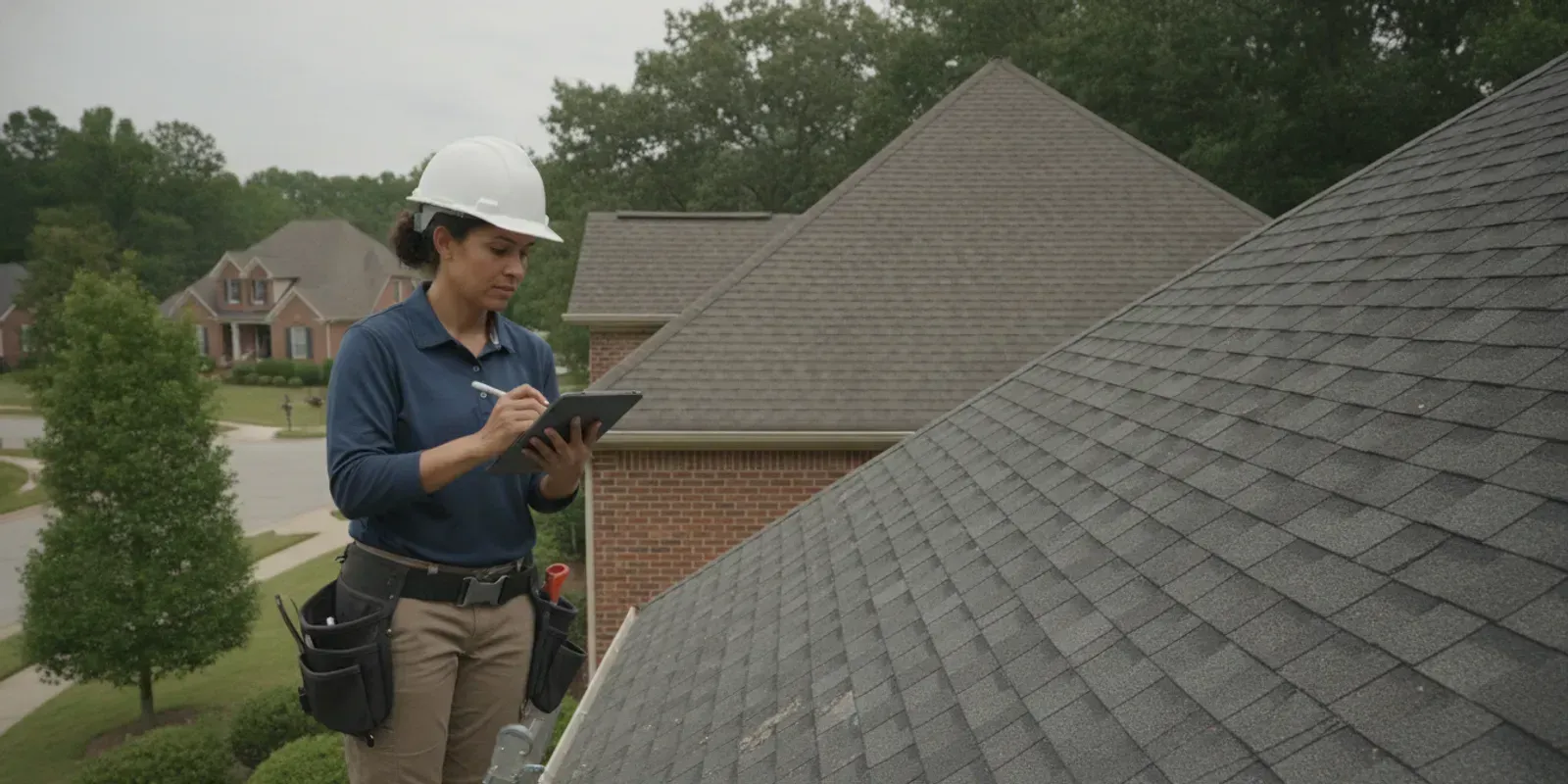
Think of a roof inspection like a routine check-up for your building. It’s recommended to have a roofing expert inspect your roof at least once a year, and always after a significant storm rolls through the Atlanta area. A professional can spot subtle signs of wear and tear that might go unnoticed, like failing seals, membrane punctures, or early signs of blistering. Working with licensed commercial roofing contractors ensures you get an accurate assessment, allowing you to make informed decisions about maintenance and repairs before minor issues escalate.
Adopt a Proactive Repair Strategy
Many common flat roof problems start small. A tiny crack, a loose seam, or a bit of flashing pulling away from the edge might not seem like a big deal, but they create an opening for water to get in. When your roof shows signs of wear, it doesn’t always mean you need a complete replacement. Addressing these issues early with targeted repairs is a cost-effective way to extend your roof’s lifespan. This proactive approach prevents water damage from spreading to the underlying structure, which can lead to much more extensive and expensive problems.
Maintain Your Drainage System
Effective drainage is critical for any flat roof. While they look flat, they are designed with a slight slope to guide water toward drains, scuppers, or gutters. If this system gets clogged with leaves, dirt, or other debris, water will start to pool. Standing water is one of a flat roof’s biggest enemies, as it adds significant weight and can accelerate the deterioration of the roofing membrane, eventually causing leaks. Regularly checking and clearing your gutters and drains is a simple but essential task that protects your roof from serious water damage.
How to Choose the Right Commercial Roofing Contractor
Selecting the right materials for your flat roof is only half the battle. The success and longevity of your investment heavily depend on the team you hire to install it. A flawless installation prevents leaks, maximizes energy efficiency, and ensures your roof lasts for decades. But finding a trustworthy partner can feel overwhelming. When you’re vetting potential contractors for your commercial roofing project, you’ll want to focus on a few key areas to ensure you’re hiring a true professional.
Choosing an experienced and reputable Atlanta commercial roofing contractor is crucial to avoid future issues down the road. A great contractor not only does the job right but also serves as a long-term partner in maintaining your property. They should be able to guide you through material selection, explain the installation process clearly, and stand behind their work with solid guarantees. To find the best fit for your business, you’ll need to look closely at their qualifications, their specific experience with flat roofs, and the warranties they offer. Taking the time to do this research upfront will save you from costly headaches later.
Verify Credentials and Certifications
Before you even discuss project details, your first step should be to verify a contractor's credentials. At a minimum, any roofer you consider should be fully licensed, bonded, and insured in the state of Georgia. This isn't just red tape; it protects your business from liability in case of accidents on your property. Ask for proof of general liability insurance and workers' compensation.
Beyond the basics, look for specific manufacturer certifications. For example, being an Owens Corning Platinum Preferred or Mule Hide Certified Contractor means the team has received specialized training and is authorized to offer the best warranties on those products. These certifications are a clear sign that a company is committed to quality and stays current with industry standards.
Evaluate Their Flat Roof Experience
Commercial flat roofing is a specialized skill. It’s very different from working on the sloped roofs you see on most homes, and many common flat roof problems stem from poor installation or neglected maintenance. You need a contractor who understands the unique challenges of flat roof systems, from ensuring proper drainage to managing thermal expansion.
Don’t be afraid to ask direct questions about their experience. Ask to see a portfolio of their completed commercial flat roof projects in the Atlanta area. Inquire about the specific types of flat roofing materials they work with, whether it's TPO, EPDM, or Modified Bitumen. A seasoned commercial roofer will be able to confidently discuss past projects and explain how they’ve handled challenges similar to yours.
Understand the Warranty and Service Guarantees
A warranty is your safety net, and it’s important to understand exactly what it covers. Typically, you’ll receive two types of warranties: one from the material manufacturer and one from the contractor. The manufacturer’s warranty covers defects in the roofing material itself, while the contractor’s warranty covers the quality of the installation and workmanship. A strong workmanship warranty is a testament to a contractor's confidence in their skills.
A great contractor’s commitment doesn’t end when the project is finished. Since preventive maintenance is one of the most effective ways to avoid major commercial roof problems, ask if they offer ongoing service or maintenance plans. A proactive partner who helps you care for your roof over the long term is invaluable.
Related Articles
- Commercial Roof Replacement in Atlanta, GA | Total Roof Solutions
- Selecting the Ideal Flat Roof System for Atlanta Businesses
- Commercial Roofing Options in Atlanta: A Comprehensive Guide
- Benefits of Choosing Commercial Metal Roofs in Atlanta
- Are Gutter Guards Worth the Cost? A Homeowner's Guide
Frequently Asked Questions
How long can I expect a new commercial flat roof to last? The lifespan of a commercial flat roof really depends on the material you choose and how well it's maintained. For example, modern single-ply membranes like TPO and EPDM can often last 20 to 30 years or even longer. However, the most important factors are the quality of the installation and your commitment to routine care. A professionally installed roof that gets regular inspections will always outlast one that is neglected, regardless of the material.
My current flat roof has a leak. Does that mean I need a full replacement? Not necessarily. A single leak is often a sign that a specific component, like a seam or the flashing around a vent, has failed. In many cases, a targeted, professional repair can solve the problem effectively and extend the life of your existing roof. The key is to have an expert assess the situation to determine if the leak is an isolated issue or a symptom of a more widespread failure of the roofing system.
Can you install a new flat roof system over an existing one? Sometimes, yes. This process is often called a roof recover, and it can be a cost-effective option if the existing roof structure is in good shape. However, it's not always possible or advisable. Building codes limit the number of roof layers a building can have, and covering an old roof prevents a thorough inspection of the underlying structural deck. A professional contractor can help you weigh the pros and cons to decide if a recover or a full tear-off is the right choice for your property.
Why is professional installation so critical for a flat roof? Unlike sloped roofs that use gravity to shed water easily, flat roofs rely on a perfectly integrated system of subtle slopes, sealed seams, and effective drainage. Even a small mistake during installation, like an improperly welded seam or incorrect flashing detail, can create a pathway for water to get in. Most major flat roof problems, from chronic leaks to pooling water, can be traced back to installation errors, which is why hiring a certified and experienced team is the best investment you can make.
How often should I have my commercial roof inspected? A good rule of thumb is to schedule a professional inspection at least once a year, ideally in the spring or fall. It's also smart to have it checked after any major weather event, like a severe hailstorm or high winds. During an inspection, a professional will look for things you might miss, such as clogged drains, small punctures in the membrane, and signs of wear on the seams, allowing you to address small issues before they become big problems.