5 Steps to Hire a Commercial Roof Replacement Contractor
Stephen Griswell • April 21, 2026
When your commercial roof needs attention, you’re not just looking for a quick fix; you’re looking for a long-term solution. The best contractors understand this. They don’t see your project as a one-time transaction but as the beginning of a partnership built on trust and reliability. A true professional is there for the entire lifecycle of your roof, from the initial inspection and installation to ongoing maintenance and emergency repairs. This comprehensive approach is what separates a basic installer from a dedicated partner. Let's explore what it means to find a commercial roof replacement contractor who is committed to protecting your investment for the long haul.
Key Takeaways
- Choose a full-service partner, not just an installer: A top contractor provides a complete range of services, including maintenance plans, detailed inspections, and emergency repairs, to protect your investment long-term.
- Do your homework before you hire: Always confirm a contractor's license, insurance, and certifications. Make sure to check their references and online reviews to verify their experience and reputation.
- Prioritize value over the lowest price: A cheap bid can signal future problems. Protect your investment by demanding a detailed, itemized contract and understanding all warranty coverages before signing.
What Services Should a Commercial Roofing Contractor Offer?
When you're looking for a commercial roofing contractor, you need more than just someone who can install a new roof. The best contractors act as long-term partners, offering a full range of services to protect your building, your assets, and your peace of mind. A truly professional company won’t just show up for a replacement; they’ll be there to handle everything from unexpected storm damage to routine check-ups that keep your roof in top condition for years to come. This level of service is what separates a basic installer from a true roofing professional.
Understanding the scope of services a top-tier contractor provides helps you vet potential partners and choose one who can truly meet your needs. A comprehensive approach ensures your investment is protected from every angle. Look for a company that offers a complete package, including full replacements, ongoing maintenance, detailed inspections, and solutions designed specifically for your property. This holistic approach is the difference between a simple transaction and a valuable partnership that supports your business for the long haul.
Full Roof System Replacements
The most fundamental service any commercial roofer offers is a full roof replacement. A reputable contractor should be equipped to handle all kinds of commercial roofing jobs, whether it’s a complete tear-off and replacement or a new installation on a new construction project. They should have proven experience with various roofing systems, like TPO, EPDM, and modified bitumen, and be able to recommend the right material for your building’s specific needs and budget. A great contractor manages the entire project from start to finish, ensuring the work is done efficiently and with minimal disruption to your daily operations.
Emergency Repairs and Maintenance Plans
Your roof works 24/7, and so should your contractor’s support. Look for a company that offers emergency roof service for those unexpected leaks or storm damage situations that can’t wait. Beyond reactive repairs, a proactive contractor will also provide preventative maintenance plans. These regular check-ups are designed to catch small issues before they become major, expensive problems. A solid maintenance plan is one of the best ways to extend the life of your commercial roof and protect your investment, saving you from costly surprises down the road.
In-Depth Roof Inspections and Assessments
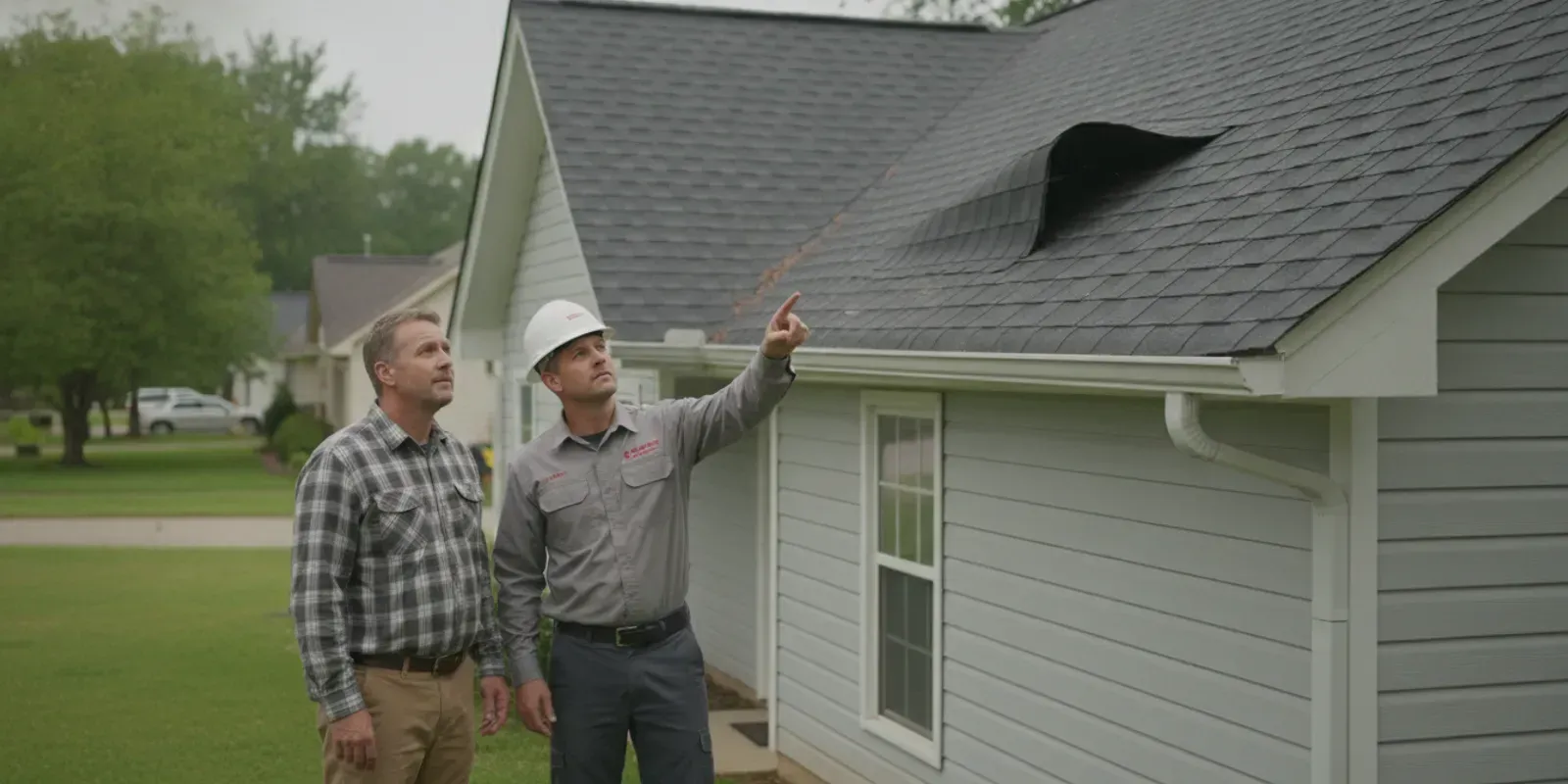
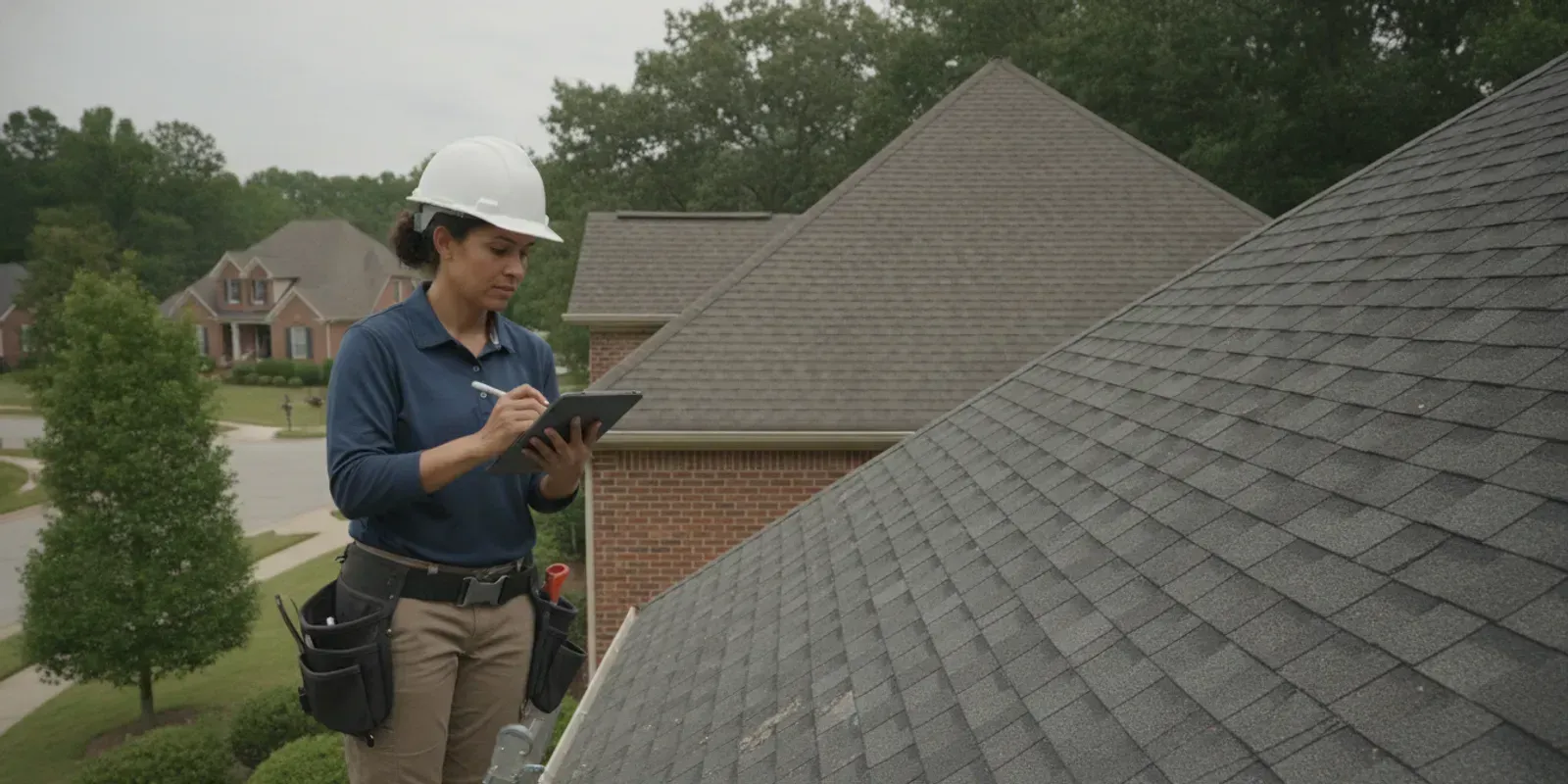
Every roofing project, whether it's a repair or a full replacement, should begin with a thorough inspection. A detailed roof evaluation is crucial because it provides a clear picture of your roof's current condition and uncovers any underlying issues. A qualified inspector will examine every component, from the roof membrane and flashing to the drainage systems and structural integrity. This diagnostic step ensures that the proposed solution actually solves your problem. It’s a sign of a contractor who prioritizes quality work and long-term performance over a quick fix.
Custom Roofing Solutions
No two commercial buildings are exactly alike, so a one-size-fits-all approach to roofing just doesn’t work. An ideal contractor will offer custom roofing solutions tailored to your building’s unique requirements. They should take the time to understand your business operations, budget, energy efficiency goals, and the specific challenges of your property. By considering these factors, they can recommend a system that not only keeps your building dry but also adds value. This consultative approach shows they are committed to protecting your property and your employees with the best possible solution.
How to Choose the Right Commercial Roofing Contractor
Choosing a contractor for your commercial property is a major decision. The right partner will protect your investment for decades, while the wrong one can lead to costly repairs and business disruptions. Your goal is to find a team that combines technical skill with professionalism and reliability. It’s not just about finding someone who can install a roof; it’s about finding a partner who understands the unique demands of commercial roofing projects, from managing complex logistics and adhering to strict building codes to maintaining stringent safety standards on an active property. A commercial roof is a complex system, and its performance directly impacts your building's integrity and your bottom line.
To make a confident choice, you need a clear process for vetting potential contractors. This means looking beyond the initial quote and digging into their credentials, experience, and reputation. A low bid can be tempting, but it often hides a lack of experience or subpar materials that will cost you more in the long run. By following a few straightforward steps, you can identify a trustworthy contractor who will deliver quality results and give you peace of mind. Let’s walk through what you should look for to ensure your project is in capable hands from start to finish.
Verify Their Licensing, Insurance, and Certifications
Before you even discuss project details, make sure any potential contractor is properly licensed and insured. This is the absolute baseline for a professional operation. A valid state license proves they meet local requirements, while insurance protects your business from liability in case of accidents or property damage. Ask for proof of both general liability insurance and workers' compensation. A reputable contractor will provide this documentation without hesitation. Also, look for manufacturer certifications. For example, being an Owens Corning Platinum Preferred contractor shows a commitment to high standards and ongoing training, which often translates to superior workmanship and better warranty options. You can usually find these credentials on a company's About Us page.
Review Their Experience and Manufacturer Partnerships
Experience matters, especially with the complexities of commercial buildings. Look for a contractor with a proven track record of handling projects similar to yours in size and scope. Ask how long they’ve been in business and how many commercial roofs they’ve completed in the Atlanta area. A long history suggests stability and a deep understanding of local building codes and weather patterns. Strong manufacturer partnerships are another great sign. These relationships indicate that the contractor is trusted by leading brands to install their products correctly. This not only ensures a quality installation but can also give you access to the best materials and the most robust warranties available.
Check References and Online Reputation
What past clients say is one of the best indicators of what your experience will be like. Ask every potential contractor for a list of references from previous commercial projects, and take the time to call them. Ask about their experience with communication, timeliness, and the quality of the final product. Were they happy with the process and the result? Beyond formal references, do some online digging. Check reviews on Google, the Better Business Bureau, and other third-party sites. Look for consistent themes in the feedback. A strong online reputation built on positive client experiences is a clear sign that you’re dealing with a reliable and professional company.
Confirm Their Safety Standards
A professional commercial roofing contractor prioritizes safety above all else. A safe job site protects their crew, your employees, and your property. Ask about their safety program and what specific protocols they follow to prevent accidents. Do they hold regular safety meetings? Is their team equipped with the proper personal protective equipment (PPE)? A contractor who can clearly articulate their commitment to safety is one who takes their professional responsibilities seriously. This focus on detail and procedure often carries over into the quality of their workmanship, ensuring every aspect of the job is handled with care and precision.
Key Questions to Ask Before You Hire
Once you’ve narrowed down your options, it’s time to get specific. Having a list of key questions ready will help you compare contractors and make an informed final decision.
Here are a few essential questions to ask:
- Can you provide a detailed, itemized quote for the entire project?
- Who will be my main point of contact, and how will you communicate updates?
- What is the estimated timeline for starting and completing the project?
- What warranties do you offer on both materials and your workmanship?
- How do you handle unexpected issues or changes during the project?
The answers to these questions will reveal a lot about a contractor’s professionalism, transparency, and approach to customer service.
What to Expect from Costs and Warranties
Talking about money can feel tricky, but it’s one of the most important parts of any major property investment. A new roof is a significant expense, so you need to know exactly what you’re paying for and what protections you have. A trustworthy contractor will be upfront about all costs and warranties, ensuring you feel confident in your decision. Let’s walk through what you should expect when you get a quote for your commercial roof.
What Factors Influence Replacement Costs?
The final price tag for a commercial roof replacement depends on several key factors. The size, slope, and complexity of your roof are the biggest drivers, along with the materials you choose. Labor is another major component, often making up a large portion of the total bill. Your building’s location can also play a role. It’s always a good idea to have a little extra room in your budget for the unexpected. Sometimes, once the old roof is removed, we might find hidden damage to the underlying structure that needs to be addressed before the new roof can be installed. A good contractor will prepare you for this possibility from the start.
How Roofing Materials Affect the Price
The type of roofing material you select will have a direct impact on your project's cost and its long-term performance. High-end options like metal or slate have a higher initial price but can last for 50 years or more, adding significant value and durability to your property. On the other hand, materials like asphalt shingles or TPO are more budget-friendly upfront but typically have a shorter lifespan of around 15 to 30 years. It’s a balance between your immediate budget and your long-term goals. We can help you compare the pros and cons of each option to find the perfect fit for your building’s needs and your financial plans.
Understand Your Warranty Coverage
A warranty is your peace of mind, so make sure you understand exactly what it covers. There are typically two types: the manufacturer’s warranty, which covers defects in the roofing material itself, and the contractor’s workmanship warranty, which covers installation errors. As certified contractors with leading manufacturers like Owens Corning, we can offer enhanced, long-term warranties that you wouldn’t get otherwise. This is because manufacturers trust that we’ve been specially trained to install their products correctly. Before signing anything, ask your contractor to walk you through the warranty details so you know what’s protected and for how long.
How to Get a Clear Estimate and Avoid Hidden Fees
Transparency is everything when it comes to project costs. You should always receive a clear, detailed, and itemized estimate that breaks down every part of the job. This includes the cost of materials, labor, permits, and debris removal. A thorough estimate leaves no room for confusion and helps you understand exactly where your money is going. Don’t hesitate to ask questions about any line item you don’t understand. Discussing all potential costs upfront is the best way to avoid surprises down the road. A contractor who is open and honest from the beginning is one you can trust to handle your project with integrity.
Red Flags to Look for in a Quote
When you’re comparing quotes, the lowest price isn’t always the best deal. Be cautious of any contractor who can’t or won’t provide proof of their license and insurance. This is non-negotiable, as it protects you from liability. Another red flag is a vague or incomplete estimate that doesn’t detail the scope of work or the materials to be used. A reputable professional will be proud to share their credentials, show you examples of their past work, and provide you with solid references. Taking the time to properly vet your contractor is one of the most important steps you can take to ensure a successful project.
Common Mistakes to Avoid When Hiring a Contractor
Hiring a commercial roofing contractor is a major decision for your business. The right partner can protect your investment for decades, while the wrong one can lead to costly repairs, operational disruptions, and endless headaches. It’s easy to get overwhelmed by quotes and promises, but knowing what to watch out for can make all the difference. By sidestepping a few common missteps, you can ensure your project is handled professionally from start to finish, giving you peace of mind and a durable, long-lasting roof.
Many property owners fall into the same traps when they need a new roof. They might get lured by a surprisingly low price, fail to do their homework on a contractor's background, or sign a vague contract that leaves them unprotected. These mistakes can result in poor workmanship, unexpected costs that blow the budget, and a roof that fails long before it should. A faulty roof can lead to water damage, inventory loss, and an unsafe environment for employees and customers. To help you hire with confidence, let’s walk through the most frequent errors business owners make and how you can avoid them to secure a high-quality roof for your property.
Choosing a Contractor Based on Price Alone
It’s tempting to jump on the lowest bid, especially when you have a budget to stick to. But when it comes to your roof, the cheapest option is rarely the best one. An unusually low price can be a red flag for subpar materials, inexperienced labor, or a contractor who cuts corners on safety and installation. These shortcuts can lead to leaks, structural damage, and the need for a premature replacement, costing you far more in the long run.
Instead of focusing only on the initial price, consider the overall value. A quality contractor invests in durable materials and skilled craftsmanship to ensure your roof lasts. Think of it as an investment in your property’s long-term health and performance.
Skipping the Research and Vetting Process
In the rush to get a project started, some business owners don't take the time to thoroughly research potential contractors. But this is one of the most important steps. Not all roofing companies have the same level of expertise, and hiring a team that doesn't specialize in commercial roofing can lead to significant problems. Commercial projects often involve different materials, techniques, and safety regulations than residential jobs.
Take time to review a contractor’s portfolio, read online reviews, and ask for local references. A reputable company will be happy to share examples of their past work and connect you with satisfied customers. This due diligence helps confirm they have the experience to handle your specific project correctly.
Forgetting to Verify Insurance and Licensing
Never assume a contractor has the proper credentials. Before signing anything, ask for proof of their state license and insurance coverage, including general liability and workers' compensation. This documentation protects you from liability if an accident happens on your property. Without it, you could be held financially responsible for injuries or damages.
A professional and trustworthy contractor will readily provide these documents. Companies that are transparent about their qualifications, like our team at Total Roof Solutions, demonstrate a commitment to professionalism and accountability. If a contractor is hesitant to share this information, consider it a major warning sign and move on.
Accepting a Vague Contract or Estimate
A handshake and a verbal promise aren’t enough to protect your investment. A common mistake is accepting a contract or estimate that lacks detail. Your contract is a legally binding document that should outline every aspect of the project to prevent misunderstandings down the road. It should clearly specify the full scope of work, the exact materials to be used, a projected timeline, a detailed payment schedule, and complete warranty information.
Be wary of any agreement that feels incomplete or leaves room for interpretation. A thorough, written contract ensures both you and the contractor are on the same page and provides a clear plan for a successful project.
Overlooking Long-Term Value and Performance
A new roof is more than just a line item in your budget; it’s a crucial component of your building’s infrastructure. Focusing solely on the upfront cost means overlooking the long-term value that comes from superior materials and expert installation. A well-built roof offers better energy efficiency, requires fewer repairs, and has a much longer lifespan, providing a greater return on your investment over time.
Choosing a contractor with strong manufacturer partnerships and certifications is a great way to ensure quality. These credentials indicate that the team is trained to install materials according to the highest standards, which is often a requirement for the best warranties.
Related Articles
- Key Factors in a Commercial Roof Replacement
- 24 Hour Emergency Roof Repair: What to Do First
- 5 Types of Roofing System: A Complete Comparison
Frequently Asked Questions
How do I know if my roof needs a full replacement or just a repair? The best way to know for sure is to have a professional conduct a thorough inspection. Generally, if you have a minor leak or damage in one specific area, a targeted repair might be all you need. However, if your roof is nearing the end of its expected lifespan, has widespread damage, or has already been repaired multiple times, a full replacement is often the more cost-effective solution in the long run. An honest contractor will provide a detailed assessment and explain your options clearly.
Why is it so important to hire a contractor who specializes in commercial roofing? Commercial roofing is a completely different field than residential work. Commercial properties often have flat or low-slope roofs that require specialized materials like TPO or EPDM, along with complex drainage systems and rooftop equipment like HVAC units. A commercial specialist understands the unique building codes, safety protocols, and installation techniques needed to ensure a durable, watertight system that protects your business assets.
Is a preventative maintenance plan really worth the cost? Absolutely. Think of it as proactive care for one of your most critical assets. A maintenance plan helps you catch small issues, like clogged drains, minor punctures, or degrading sealant, before they turn into major leaks and cause expensive water damage. Regular inspections and upkeep extend the life of your roof, prevent unexpected disruptions to your business, and save you significant money over time by avoiding emergency repairs.
What does a manufacturer certification, like being 'Platinum Preferred,' actually mean for my project? A manufacturer certification is a sign of a contractor's quality and reliability. It means the manufacturer has thoroughly vetted the company for financial stability, insurance, and a proven track record of excellent workmanship. More importantly, certified contractors receive ongoing, specialized training on how to install the manufacturer's products correctly. This expertise often gives you access to the best and longest-lasting warranties, which you wouldn't be able to get otherwise.
How long will a commercial roof replacement disrupt my business operations? A professional contractor's goal is to minimize disruption as much as possible. While a full replacement is a major construction project, an experienced team will work with you to create a detailed plan and a clear timeline. They will establish safe work zones, manage debris, and communicate with you every step of the way to ensure your business can continue to operate as smoothly as possible. The exact timeline depends on the size and complexity of your roof, but a good contractor will always prioritize your operational needs.