Roof Inspection for an Insurance Claim: A Georgia Homeowner Guide
MEGA MEGA • October 5, 2026
Schedule a roof inspection for an insurance claim in Georgia. Learn what to document after storm damage and how to prepare for next steps.

After a storm, a roof inspection for an insurance claim can help you document visible conditions and understand what may need attention. A clear record of the roof, related interior signs, and the timing of what you noticed can support a useful conversation with your insurer, but an inspection cannot determine what your policy will cover.
Request a roof inspection and discuss your next steps
What does a roof inspection for an insurance claim accomplish?
A roof inspection records observable damage and helps distinguish what needs prompt attention from what requires further review. It can give you organized information to share with your insurance company without promising that a claim will be approved.
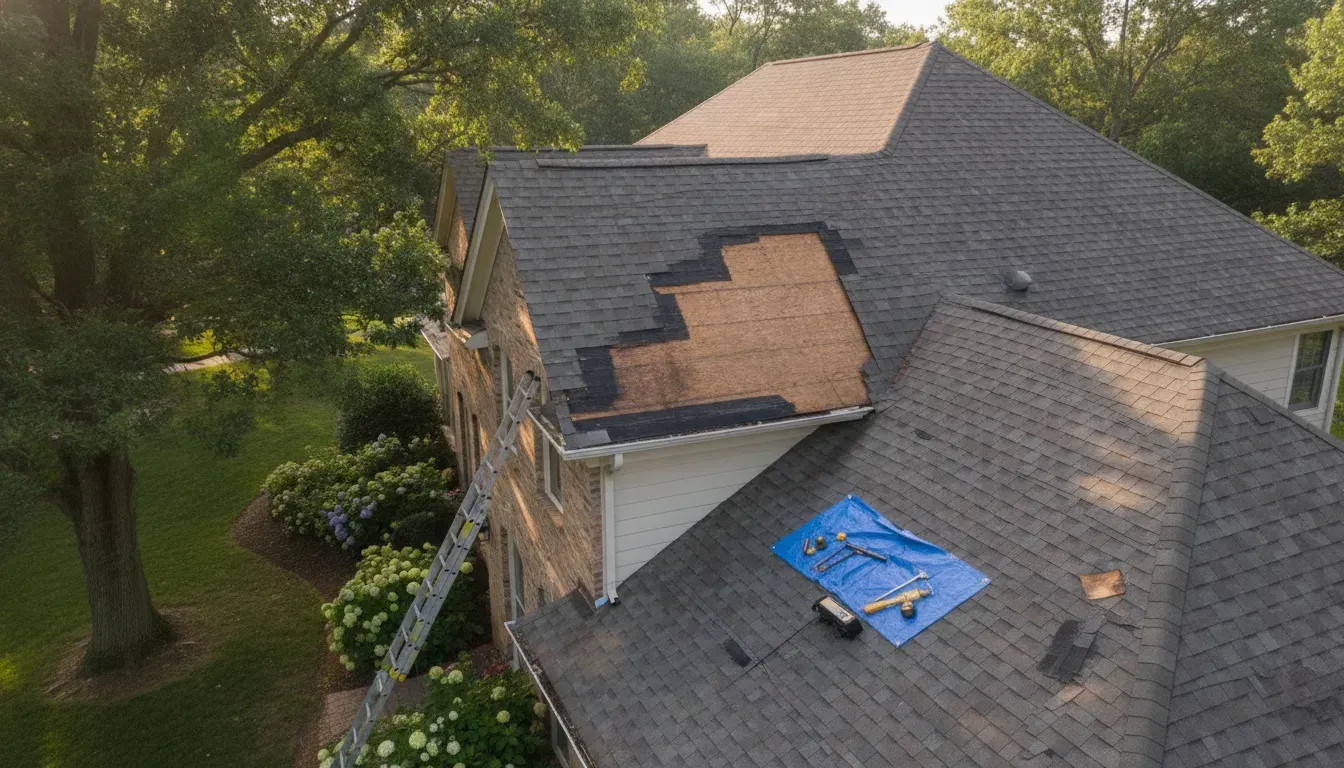
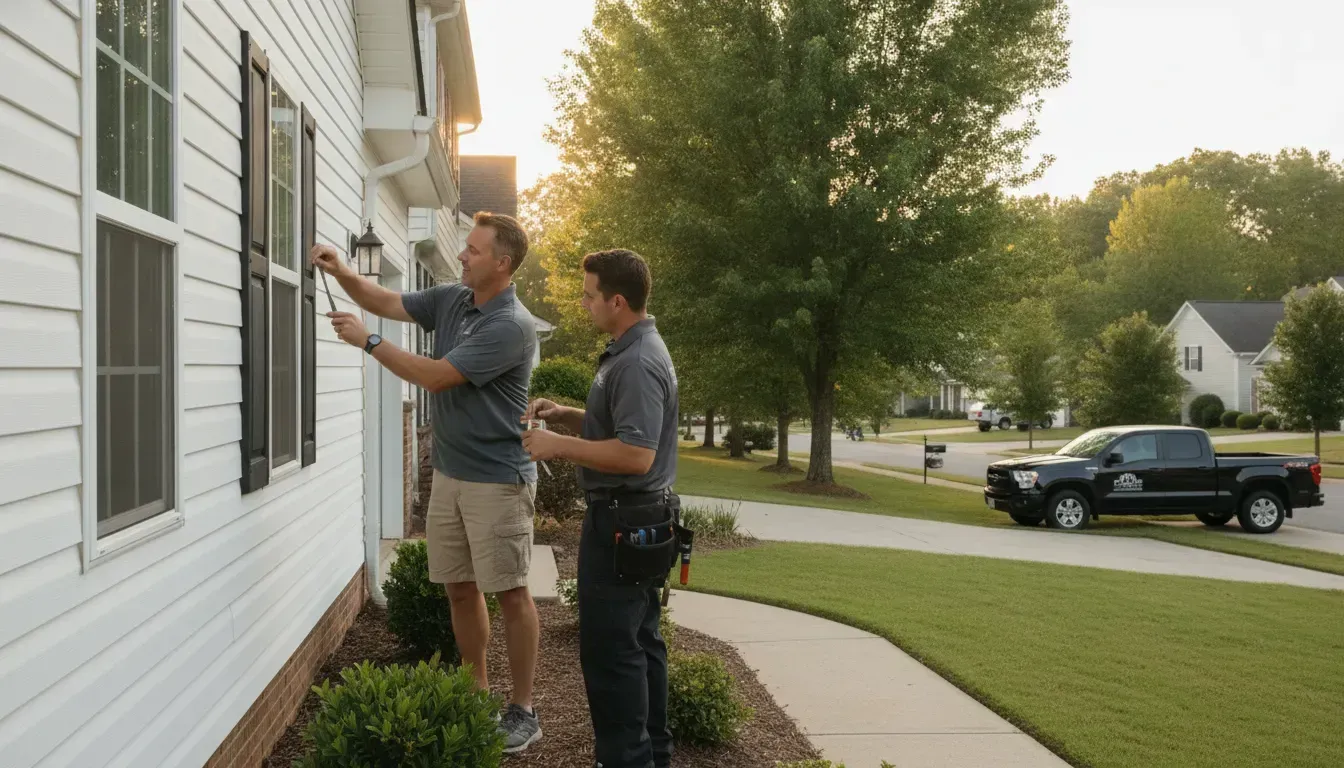
After hail, wind, or heavy rain, damage may not be obvious from the ground. A professional roofer can assess accessible roof areas and note conditions that may need repair. The findings can help you describe what you see and prepare questions for your insurer or adjuster.
An inspection may include:
- Photos of observed conditions: Images can show where a concern appears and how it relates to roof features.
- Written observations: Notes can identify the roof area, visible material condition, and any limitations on what could be inspected.
- Signs inside the home: If you report a ceiling stain or attic moisture, those observations can be documented separately from the roof condition.
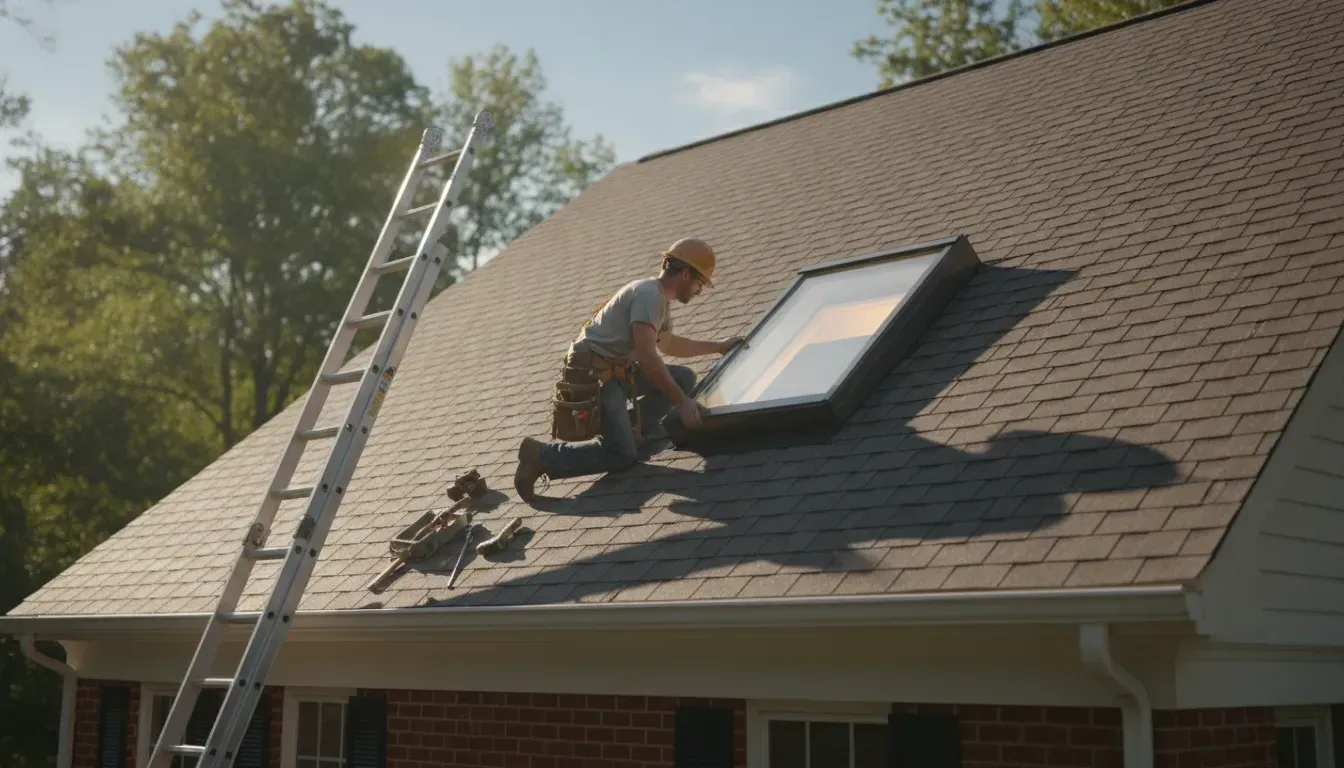
- Repair recommendations: A roofer may explain what work appears appropriate based on visible conditions, subject to further investigation where needed.
This information is different from an insurance coverage decision. Your insurer reviews the policy, reported circumstances, and claim documentation. A contractor can help you understand the roof findings and provide repair information, but should not promise a particular insurance outcome.
For an overview of residential roofing services, see our residential roofing information. If the roof needs repair, you can also read about roof repair in the Atlanta area.
Think of the inspection as one part of your information-gathering process, not as a claim decision or a substitute for your policy. For example, a roofer may note that shingles are missing on one slope and that a ceiling stain is visible in an upstairs room. Those observations help identify conditions and areas to discuss, while the insurer considers the policy and information available through its claim process.
What should you do before anyone inspects the roof?
Start by protecting people and preventing avoidable damage from inside the home. Do not climb onto a wet, steep, or storm-damaged roof to take pictures; document what you can safely see from the ground or indoors.
- Check for immediate hazards. If a tree or power line is down, or the building appears unsafe, keep clear and contact the appropriate emergency or utility service.
- Look for active water entry. Note dripping, damp materials, or a growing ceiling stain. Move belongings away if you can do so safely.
- Take photos from safe locations. Photograph interior staining, water near the home, and visible exterior conditions from the ground. Do not enter an unstable area.
- Write down when you noticed the issue. Record the date of the storm if known and when you first saw damage or a leak. Separate what you directly observed from what you suspect.
- Keep temporary-protection records. Save receipts and take pictures of reasonable emergency measures, such as moving belongings or arranging temporary protection. Ask your insurer what documentation it needs.
- Review your policy and contact your insurer. Ask about the claim-reporting process, deadlines, and what information to gather. Policy terms and requirements differ.
Do not make permanent repairs before documenting the condition if it is safe and practical to wait. But do not leave an active leak or exposed opening unaddressed simply to preserve evidence. Ask your insurer how to proceed, and keep records of any temporary work and related communication.
Ready.gov offers disaster preparedness and recovery information for people responding to emergencies. Use local emergency guidance when there is an immediate safety concern, and contact your insurer promptly for claim-specific instructions.
If you are in Henry County, our roofing service information for Henry County explains the local repair and replacement help available. Homeowners elsewhere in the region can review our Georgia roofing services.
Make a small folder on your phone or computer before the appointment. Give files clear names such as “north slope from ground” or “bedroom ceiling stain, October 3,” and keep the original image files. Avoid adding a guessed storm date or cause to a photo caption. If you later take another picture from the same safe location, the pair may help show whether a visible condition has changed.
For indoor water, note the room and approximate location rather than just writing “leak.” A stain under an attic access, around a chimney, or near a skylight may guide further inspection, but the point where water appears inside is not necessarily the exact place where it entered the roof. Keep access to wet or damaged areas limited if there is a risk from electrical systems, weakened ceilings, or falling debris.
What documentation should a roof inspection include?
Useful documentation connects each observation to a location and records what was visible at the time. Photos and notes should be specific, legible, and factual rather than making assumptions about the cause or insurance coverage.
For claim discussions, a photo is most useful when it is paired with a note that identifies the roof area and describes the visible condition without assuming its cause.
When possible, ask for an inspection record that organizes information such as:
- Inspection date and property location. This helps distinguish the inspection from earlier or later visits.
- Areas observed. Roof slopes, edges, penetrations, flashing, and other accessible features can be identified by location.
- Photographs with context. A wide view can show which section is pictured; a closer view can show the condition being described.
- Written descriptions. Notes should say what was seen, where it was found, and whether the area was accessible.
- Interior observations. Ceiling marks or attic conditions should be recorded as observations, not automatically attributed to a particular roof event.
- Limitations. Weather, access, coverings, or other obstacles can limit what an inspector can verify.
- Recommended next steps. The report can identify whether further evaluation, temporary protection, repair, or replacement discussion may be appropriate.
Clear records help you have a more organized discussion, but they do not establish when every condition began. For example, a photograph of a lifted shingle may show its current condition without proving which storm caused it. Keep original photos when possible and avoid editing out relevant context.
Ask who prepared the inspection notes, what parts of the roof were viewed, and whether any areas could not be accessed. If the cause is uncertain, the report should say so rather than state an unsupported conclusion.
When you receive the notes, read them alongside the photographs rather than relying on a single close-up image. A photo of a shingle, flashing detail, or roof edge is easier to understand when the report identifies which slope or feature it shows. If a photo is unclear, ask for the location to be labeled or explained. Do not alter the original image; if you make a copy with a label for your own records, retain the original as well.
It is also useful to separate three types of information in your file:
- Direct observations: What the inspector or homeowner could actually see, such as a displaced shingle or a water stain.
- Possible explanations: A cause that may need further review, especially if age, prior repairs, or more than one weather event could be relevant.
- Decisions and next steps: Repairs proposed by the roofer, requests made by the insurer, and questions that still need an answer.
Keeping those categories distinct avoids turning an early observation into a claim about when or why a condition occurred. If a report uses a technical term you do not recognize, ask for a plain-language explanation and which photo or roof area supports it. If you believe a section was missed, point to the location and ask whether it can be reviewed safely. A follow-up visit may be appropriate when weather or access prevented a complete look, but the report should make those limits clear.
Do not edit or discard records that seem to conflict. Put both documents in your file, note when you received each one, and ask the relevant person to clarify the difference. Your insurer can tell you whether it needs additional photographs, a contractor estimate, or other information for its process. A roofer can explain the work scope or roof condition, but not substitute for your insurer's policy-specific guidance.
A useful way to check whether the inspection record is easy to follow is to imagine handing it to someone who has not seen the house. Can that person tell which roof area each photo shows, what the observed condition is, and what remains unknown? If not, ask for a clearer caption, a broader view, or an explanation of a limitation. A sequence of one context photo and one detail photo can be more informative than several unlabelled close-ups.
Keep estimates and inspection notes separate if they serve different purposes. An estimate describes proposed work and may contain quantities or materials; an inspection record describes conditions and areas reviewed. If a document includes both, ask the preparer to distinguish observations from recommendations. This makes it easier to discuss a specific repair item without treating an estimate as proof of coverage or cause.
For additional background on the role of a qualified roof inspector, see our overview of why homeowners may hire a certified roof inspector. The important point is to understand what the person actually inspected and what the resulting notes do and do not establish.
How do a roofer and an insurance adjuster differ?
A roofer evaluates roof conditions and repair needs; an insurance adjuster investigates the claim for the insurer. Their roles are different, and neither role alone changes the coverage written in your policy.
The roofer may inspect roof components, document visible conditions, and explain repair options. An adjuster may review reported damage, inspect the property, and evaluate the claim under the insurer's process. Your insurer makes coverage decisions based on the policy and its claim review.
You can ask your insurer whether it is helpful to have a roofing professional present when an adjuster visits. If you arrange a joint visit, keep the discussion factual: identify what each person observes, ask questions, and make a note of any follow-up items. Do not assume that a contractor's estimate and the insurer's evaluation will use the same scope or arrive at the same result.
Prepare a short list of questions for a joint or separate visit. You might ask the roofer to identify the slope or component shown in a photo, and ask the adjuster how to submit a document or request clarification on a specific item. If the people use different terms, ask them to point to the location they mean. A calm, location-specific question is more useful than a broad disagreement about whether “the roof” is damaged.
Keep notes of who attended, the date, and any promised follow-up. After the visit, write a brief factual recap while details are fresh. If someone asks you to provide additional records, confirm where and how to send them through the insurer's process. Save a copy of what you submit and the date it was sent.
For storm-related issues, Total Roof Solutions provides hail damage roof repair and insurance-claim assistance. This information can help you understand the roofing side of the process; your insurer remains the source for policy-specific questions.
How should you coordinate the inspection with your claim?
Keep communication organized and make sure the roofer understands whether you are seeking an inspection, repair, or help documenting a reported loss. Share relevant information without asking anyone to guess about coverage or the cause of damage.
A practical sequence is:
- Report the issue to your insurer. Follow the insurer's instructions about opening a claim, required forms, and inspection scheduling.
- Arrange a roof inspection. Explain what happened, when you noticed it, and whether there is active leaking. Ask what areas the inspector expects to review.
- Collect the written findings. Request copies of relevant photos, notes, and any estimate prepared for repair work.
- Compare information carefully. If an adjuster report and contractor observations differ, ask each party to clarify the specific item or roof area in question.
- Ask the insurer about unresolved items. Use the claim contact or process the insurer provides. Keep copies of messages and responses.
- Decide on repairs with full information. Understand the proposed work, timing, and payment responsibilities before authorizing a project.
Use a simple record to keep the process straight:
For a broader look at what can happen after a hail event, see our guide to storm-related roof damage and repairs. The exact steps for a claim depend on your insurer and policy, so use the guide as general roofing information rather than a substitute for claim instructions.
Before an inspection appointment, put the essentials together in one place: your timeline, photos of visible damage, notes about leaks, and any claim instructions you have received. You do not need to create a long narrative or decide what caused the damage. A concise timeline with dates and direct observations gives the inspector and insurer a clearer starting point.
After each call or message, add the date and a short note about the subject, the information requested, and the next action. For example, record that you sent a roof photo set on a particular date or that the insurer asked you to wait for an inspection before authorizing non-emergency work. Keep the actual email or message, not just your summary. If instructions are unclear, ask the insurer to confirm them in writing.
Be cautious about unexpected pressure after a storm. The Federal Trade Commission offers consumer information on avoiding scams; use care with anyone who asks you to sign immediately, guarantees an insurance result, or will not explain the proposed work. Verify who you are dealing with and take time to read agreements before you authorize work.
What should you ask before hiring someone to inspect the roof?
Ask practical questions about the inspection process, documentation, and any proposed work before you agree to a project. A straightforward explanation is more useful than a promise about claim approval.
- Which parts of the roof and property will you inspect?
- Will I receive photos and written notes describing the observed conditions?
- Will the report identify areas that were inaccessible or could not be confirmed?
- Will you explain the difference between an observation and a conclusion about cause?
- What work, if any, do you recommend now, and why?
- Can I review the work scope and estimate before deciding?
- How do you coordinate questions or scheduling with my insurer or adjuster?
- Are there costs for the inspection, report, or any additional service?
It is reasonable to ask what the inspection includes before scheduling: whether the review is limited to visible roof surfaces, whether the attic or interior is part of the visit, and how findings will be shared. Ask about any applicable terms or costs before booking. Total Roof Solutions offers roof inspections and insurance claim assistance as part of its roofing services, and we can discuss the scope with you. You can learn about requesting a roofing estimate or contact our team with questions about your property.
When reviewing a proposal, ask for the work to be described in a way you can understand. Which roof section is involved? Is the recommendation to repair a specific area or discuss broader replacement? What conditions would require additional investigation? Ask how temporary protection, permanent repair, and any follow-up visit differ. These questions do not require you to reach a coverage conclusion; they help you understand the roofing work being proposed.
If you have been told that repair or replacement may be appropriate, our guide to comparing roof repair and replacement can help you organize questions about the work scope. The right option depends on the roof's observed condition and the details of the project, not on a general rule that applies to every home.
What mistakes should homeowners avoid during a roof claim?
Careful records and realistic expectations can help prevent confusion. Avoid risky inspections, unsupported statements about cause, and decisions based on a claim outcome someone cannot guarantee.
- Do not climb onto the roof to take evidence. A damaged or wet surface can be dangerous. Use ground-level views and professional help.
- Do not assume every roof problem came from the recent storm. Record what you know and let the insurer review the claim and policy.
- Do not assume an inspection means coverage is approved. A roof assessment and an insurer's coverage decision are separate.
- Do not ignore active water entry while waiting. Ask your insurer about temporary protection and take reasonable steps to prevent further damage when safe.
- Do not discard records. Save photos, estimates, receipts, and claim communications in one place.
- Do not sign a scope you do not understand. Ask for a plain-language explanation of the work, payment terms, and anything that remains uncertain.
Another source of confusion is treating an estimate as though it is the same thing as an insurer's decision. A contractor's proposal describes work that may be recommended; it does not tell you what your policy covers. Likewise, an insurer's claim communication may address coverage or payment but may not explain every repair method in the detail you need to plan the work. Ask the appropriate party to explain the document they prepared.
Keep a copy of anything you sign and note whether it authorizes an inspection, temporary work, or a larger repair project. Read the scope, cancellation terms, payment terms, and any contingency language before signing. If a section is unclear, pause and ask for an explanation. Do not rely on a verbal promise that a claim will cover the cost; confirm coverage questions with the insurer.
Georgia homeowners may face different roof conditions depending on the storm and the home. Whether you are in McDonough, Henry County, or another community in the service area, the inspection should focus on observable conditions and clear next steps, not pressure.
Contact Total Roof Solutions to arrange a roof inspection
Frequently Asked Questions
These answers cover common questions about inspection records and claim coordination. Your insurer and policy determine the requirements for your individual claim.
Does a roof inspection guarantee my insurance claim will be approved?
No. An inspection can document visible conditions and repair needs, but the insurer determines coverage based on the policy and claim review. Ask your insurer about any specific requirements or next steps.
Should I wait for the adjuster before arranging repairs?
Ask your insurer how it wants you to proceed. If there is active water entry or an unsafe opening, discuss temporary protection promptly rather than leaving the home exposed. Keep photos, notes, and receipts for any work.
What if the roofer and adjuster describe the roof differently?
Ask each person to identify the specific roof area and condition they are discussing. Share relevant reports and photos through the insurer's claim process, and ask what additional documentation may help resolve the difference.
Can I inspect the roof myself?
You can take pictures of visible conditions from a safe location, but do not climb onto a roof that may be wet or damaged. A qualified professional can assess roof areas that are not safely visible from the ground.
What should I bring to a roof inspection appointment?
Share the date of the storm if known, when you noticed the issue, photos of interior or exterior signs, and any instructions or claim information from your insurer. You do not need to decide coverage questions before the inspection.
A clear roof inspection record can help you understand observed damage and prepare organized questions for your insurer. Keep safety first, save the documentation, and confirm policy-specific requirements directly with your insurance company.