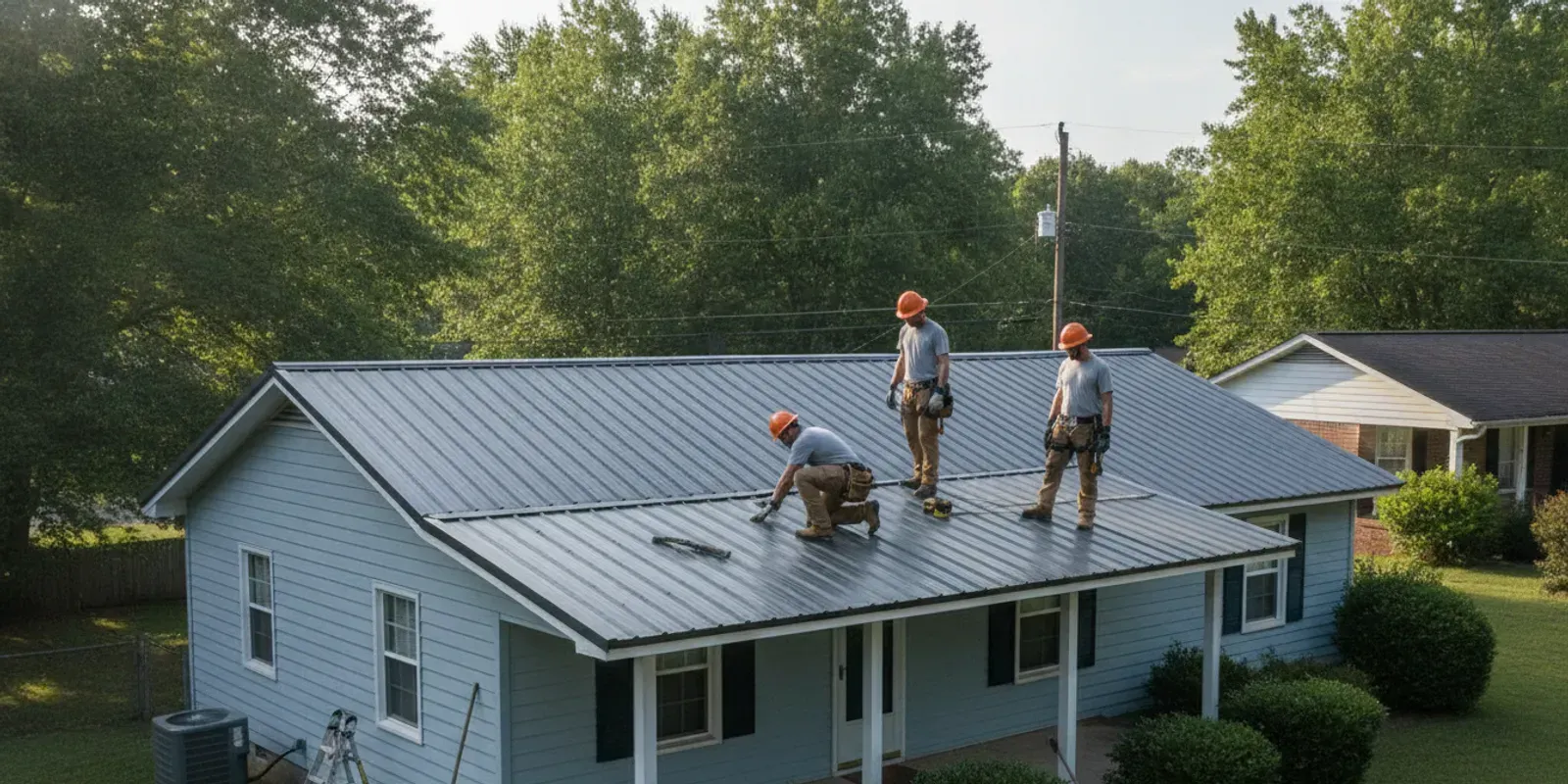
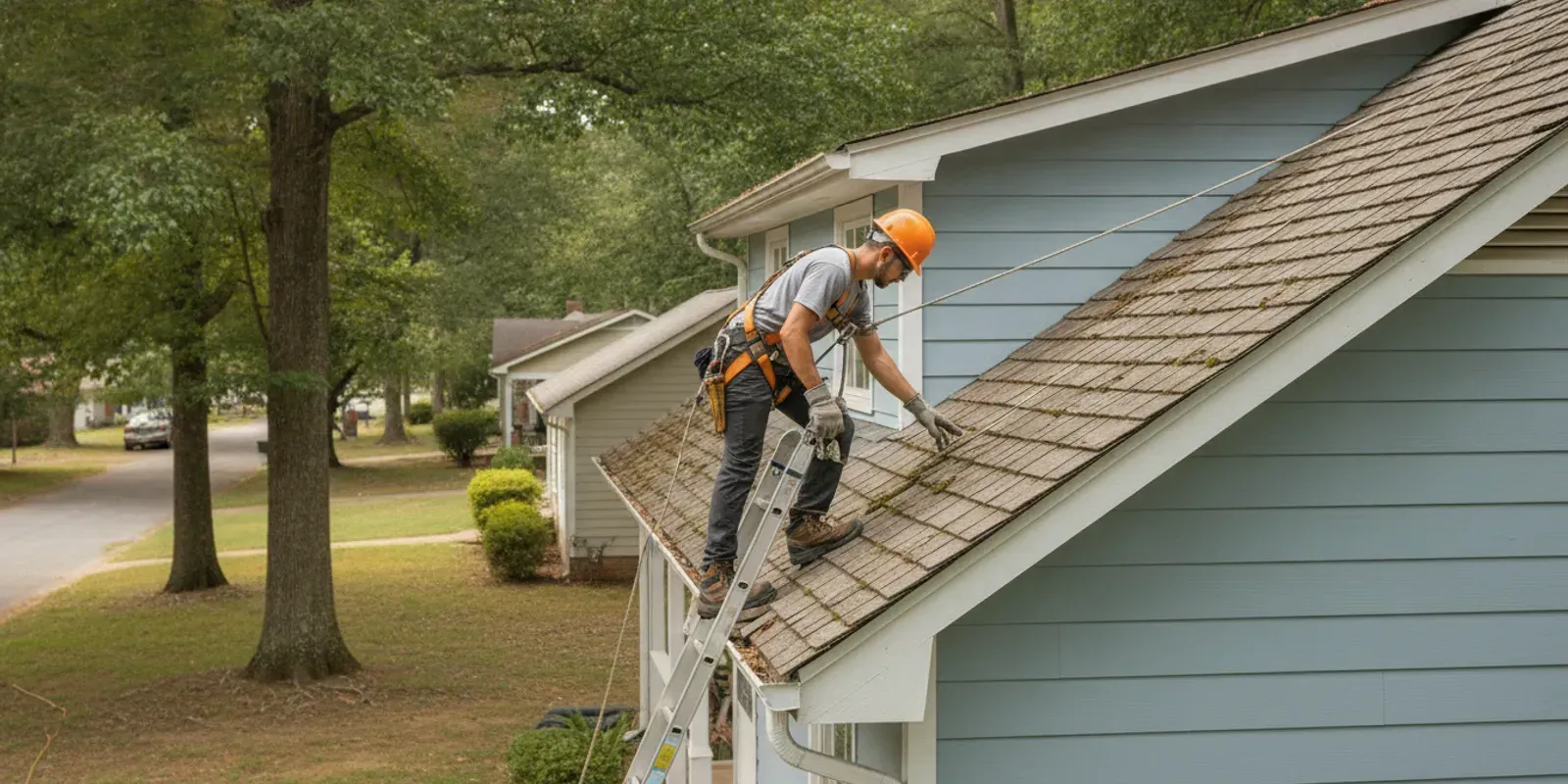
Standing Seam Metal Roof Installers: How to Choose a Qualified Team
MEGA MEGA • October 19, 2026
Learn how to compare standing seam metal roof installers in Georgia. Review system details, flashing, warranties, and questions before requesting a quote.

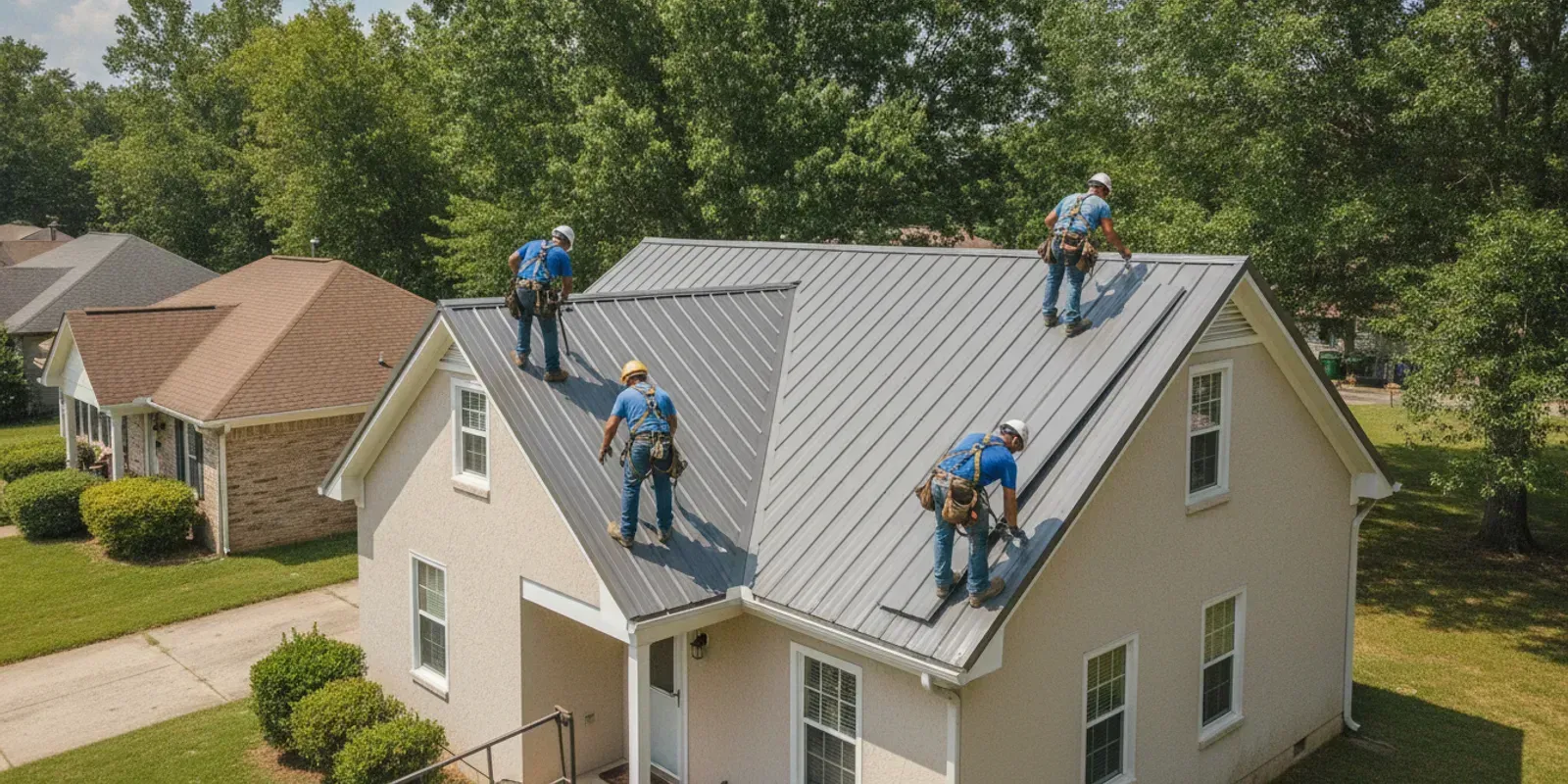
Choosing standing seam metal roof installers takes more than comparing a few estimates. The right team should explain the roof system, show how details like clips and flashing will be handled, and provide a clear written scope for your Georgia property.
Discuss your roofing project with our team
What Should You Look For in Standing Seam Metal Roof Installers?
Start with relevant project experience, a clear installation plan, and a written proposal. A contractor should be able to explain the system they are proposing and how its details suit your roof, rather than relying on a general promise that metal roofing is durable.
Standing seam describes a family of metal roof systems with raised seams joining adjacent panels. Products and installation requirements vary. Ask a prospective installer to identify the panel profile, metal and finish, attachment method, and manufacturer instructions that apply to your project. For a general overview of metal roof options and homeowner considerations, see our Georgia homeowner guide to metal roofing.
Look for answers that are specific to your home or building. A useful conversation should cover roof shape, existing conditions, underlayment, transitions, penetrations, ventilation where applicable, and how the crew will protect the property. If the roof is commercial, ask how the proposed system works with the building’s low-slope areas, drainage, and operating needs.
Experience is most meaningful when the contractor can describe comparable work and explain what made those jobs similar. A steep residential roof with several valleys is not the same installation challenge as a simple roof plane or a broad commercial structure. Ask for examples of comparable projects and, if available, photos of details as well as finished roofs.
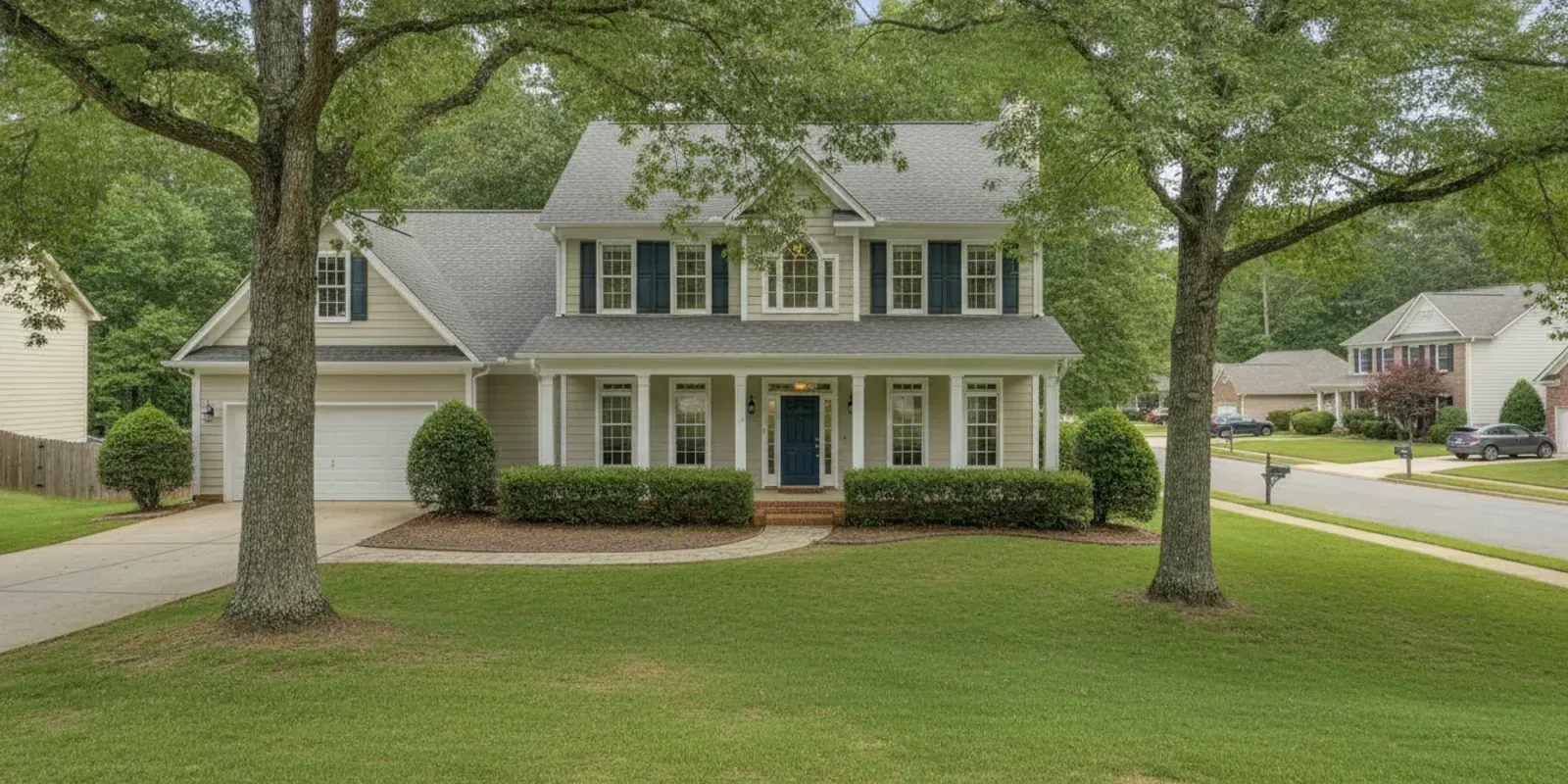
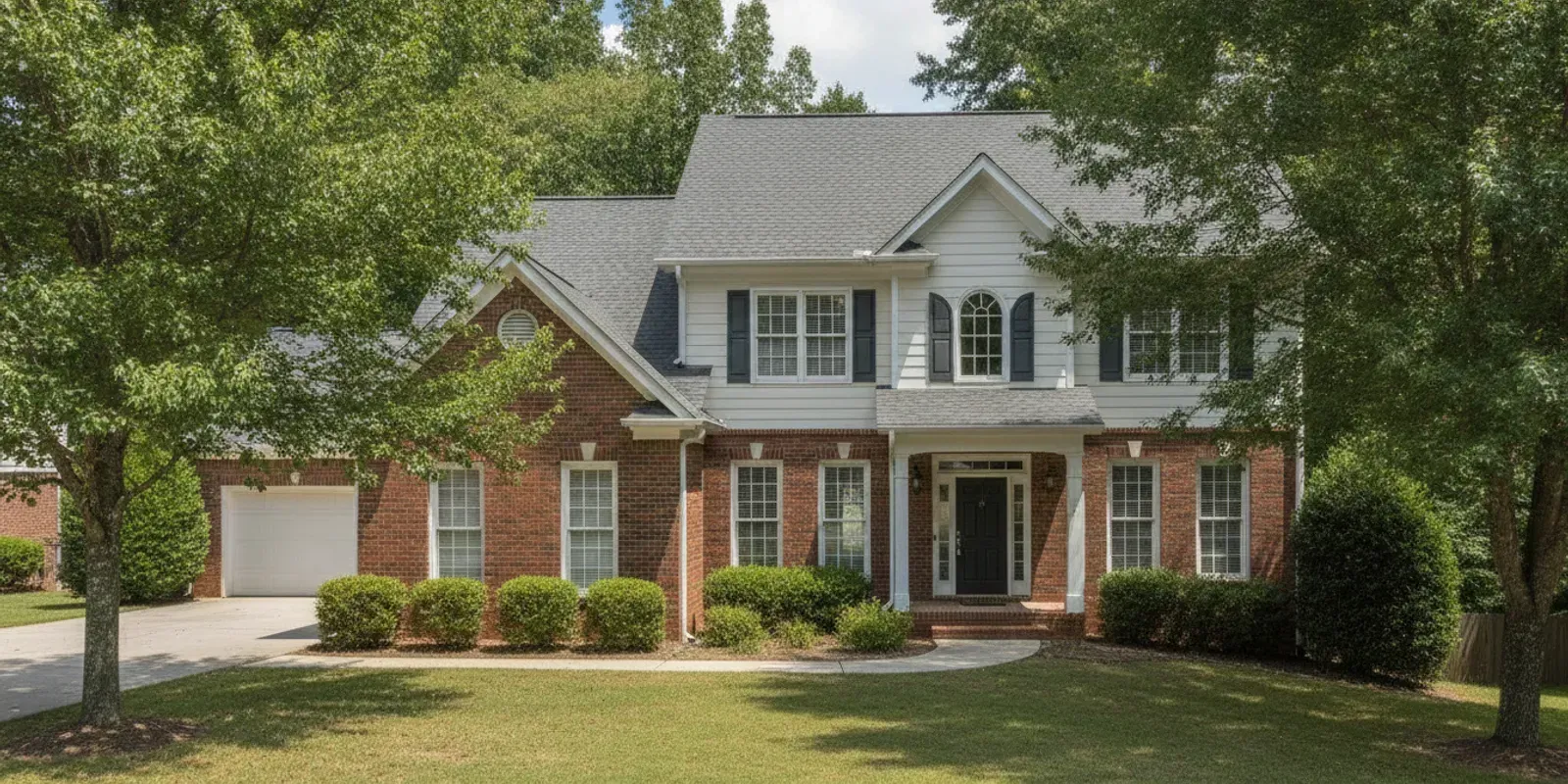
Look beyond the finished roof photo. A broad exterior image can show the overall appearance, but it may not reveal the quality of the transitions, panel alignment, or edge details. If a contractor shares project photos, ask whether they can show close views of a ridge, eave, valley, or penetration on a comparable project. The goal is not to judge technical work from a photograph alone; it is to understand whether the installer can explain how the details were planned and completed.
How Can You Confirm an Installer Understands the Roof System?
Ask the installer to connect the product specifications to the actual roof plan. A qualified team should explain how panels are attached, how movement is accommodated, and which product-specific instructions govern the work.
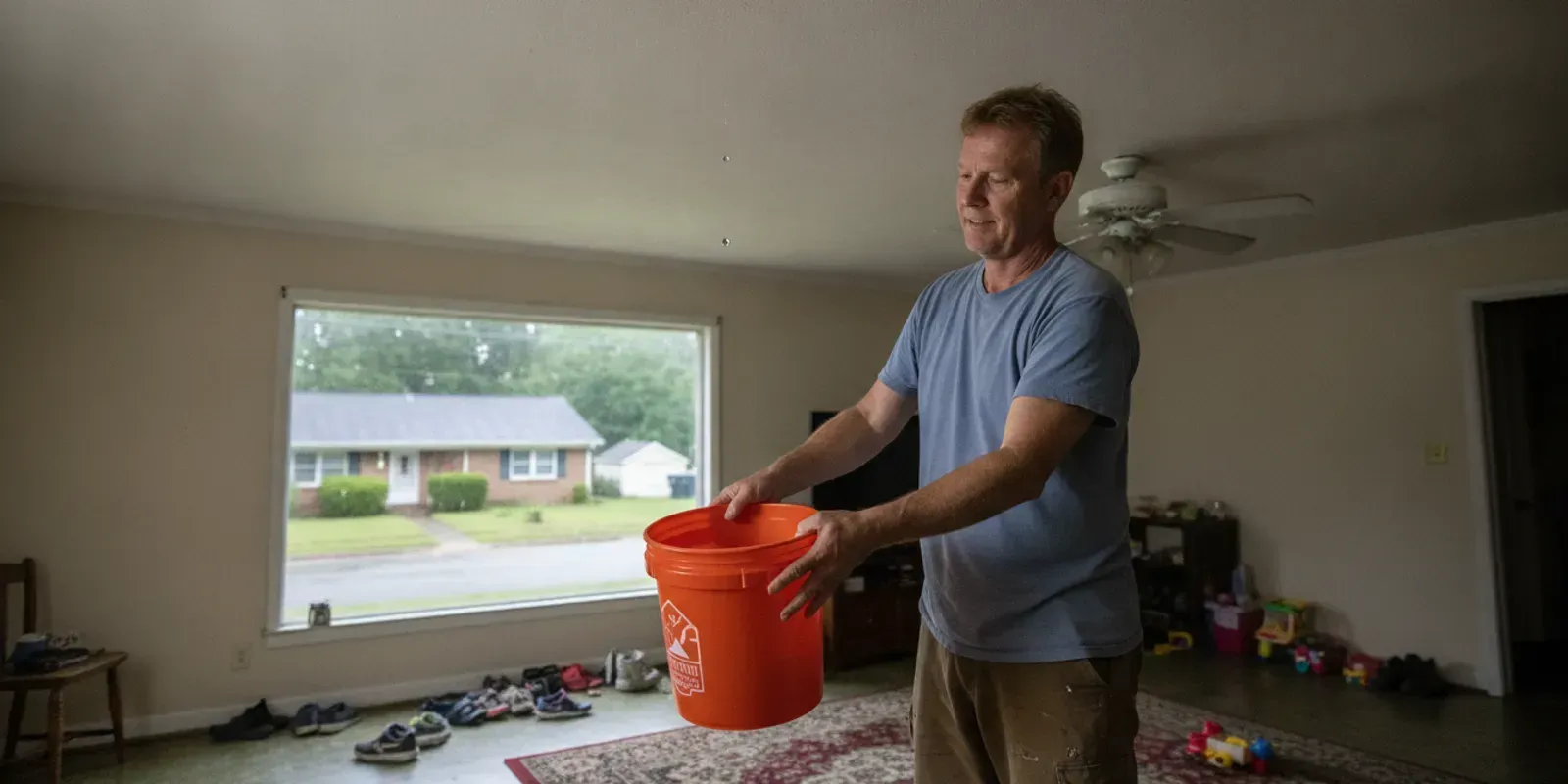
Before meeting contractors, gather basic information about the property: approximate roof age if known, any active leaks, previous repairs, and the locations of skylights, chimneys, or rooftop equipment. You do not need to diagnose the roof or climb onto it. A simple list of concerns helps each estimator understand what you want addressed and makes the resulting proposals easier to compare.
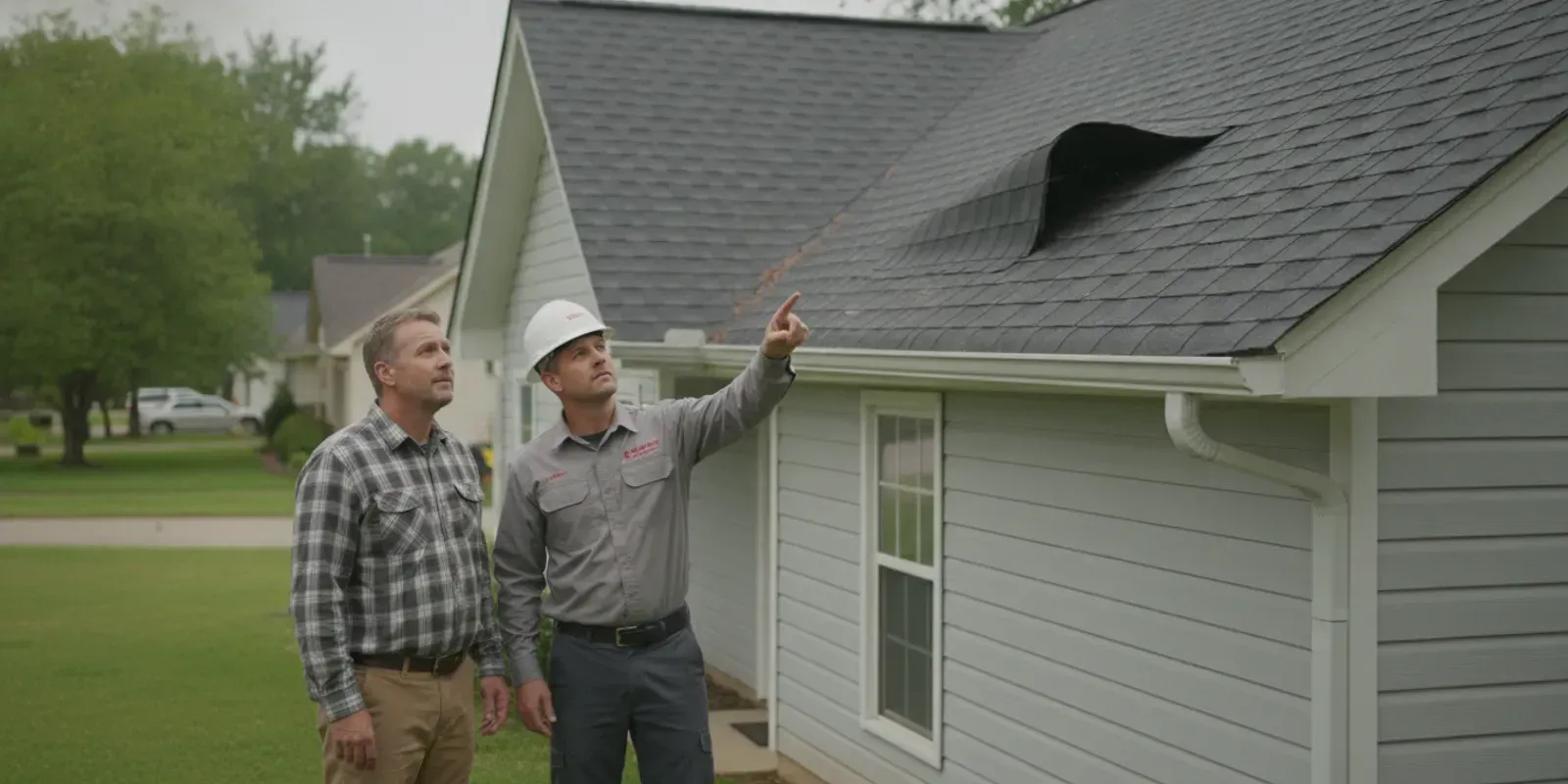
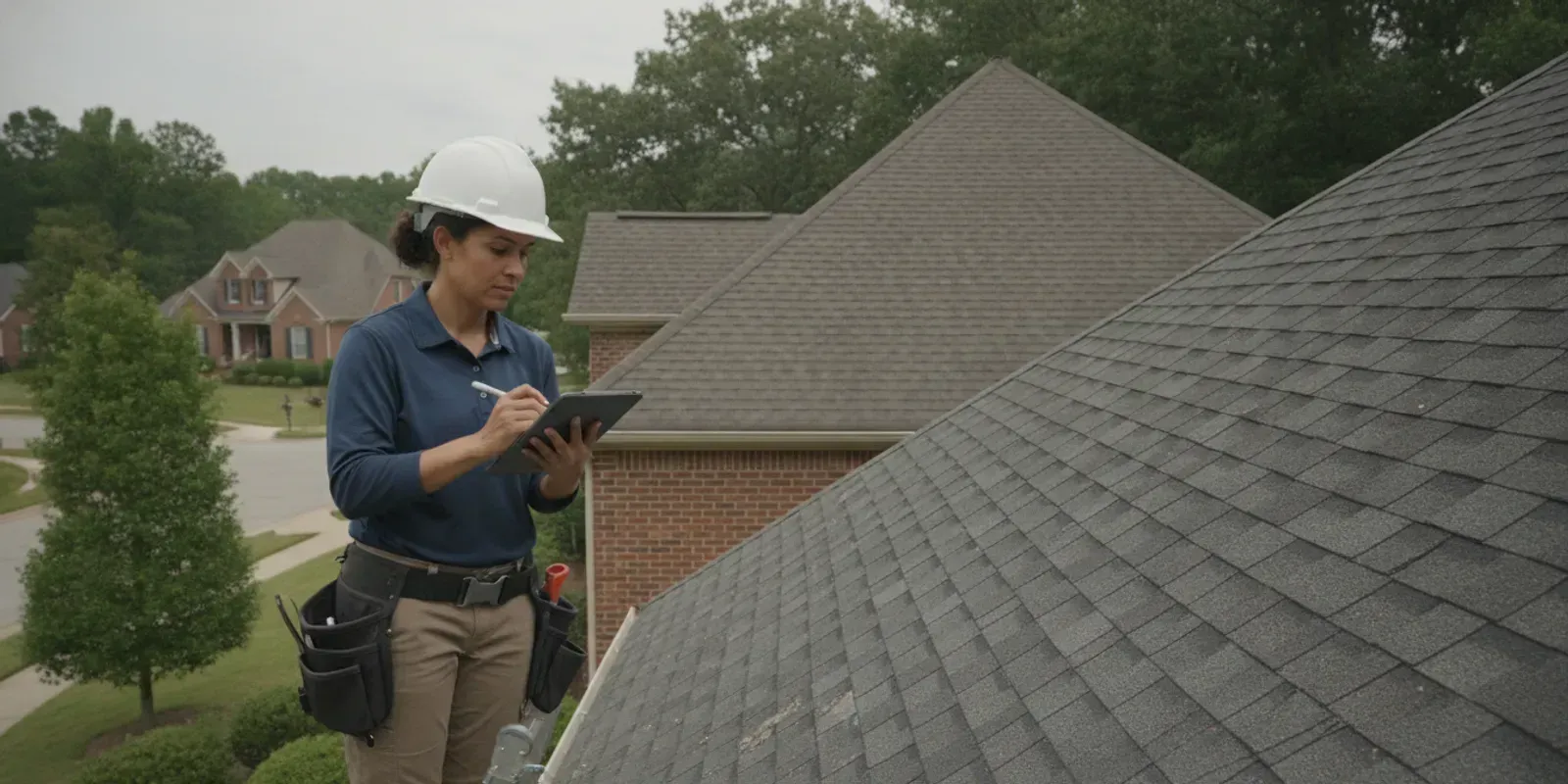
During a site visit, notice whether the person taking measurements asks about the building and its history. They should look at the whole roof, not just the visible field of panels. Questions about prior repairs, attic or interior signs of water, drainage, and access can reveal whether the estimate is based on the project as it exists or on assumptions.
Ask the contractor to explain any assumptions in the estimate. For example, the scope may assume a particular number of roof layers or that the existing deck is suitable. Assumptions are not automatically a problem, but they should be stated clearly, along with the process for resolving a difference between the assumption and what the crew finds.
When reviewing background and examples, focus on evidence that relates to your project rather than broad claims. A contractor may describe how the team handled a similar roof, which product they used, and how they planned the transitions. You can ask for references or project examples when available, while remembering that photos and conversations are supplementary to a clear scope and applicable written documents.
Standing seam panels may use concealed clips or other attachment arrangements. The fastening approach is not a minor finishing choice: it must match the selected panel system and the roof design. A technical guide from the Metal Construction Association on standing seam roof clips notes that many panel installations use specific fastening techniques to allow thermal expansion and contraction. Ask the contractor to describe the method for the exact product in the proposal.
Useful follow-up questions include:
- What panel profile and material are you proposing, and why does it fit this roof?
- How will panels be attached, and what product documentation supports that approach?
- What underlayment and substrate preparation are included?
- How will the installation address the roof slope, eaves, ridges, valleys, and edges?
- Are there existing roof layers or conditions that may change the work after removal?
- Who will be responsible for resolving questions if field conditions differ from the estimate?
Listen for a reasoned explanation, not just a product name. A proposal that says only “install metal roof” leaves important decisions unclear. The installer should be able to point out which items are specified by the manufacturer and which are project-specific details determined by the roof’s geometry and existing construction.
Do not assume that every standing seam product uses interchangeable parts or the same installation sequence. Profiles, panel lengths, substrates, and attachment designs differ. Keep the product name and relevant system documentation with the proposal so you can compare like with like.
Ask how the contractor checks measurements and panel layout. Long panels and irregular roof shapes call for a plan that accounts for the roof’s dimensions and features before materials are installed. Ask how the layout will handle hips, valleys, dormers, or changes in roof direction, and whether the installer expects any field adjustments. The answer should make clear who will resolve a measurement discrepancy and how the owner will hear about a scope change.
It can also help to ask what information you will receive about the selected metal and finish. A proposal should identify the product clearly enough that you can distinguish it from a different panel profile, material, or finish offered in another estimate. Request the relevant product information instead of relying on a general label such as “metal roof.”
Why Do Flashing and Roof Transitions Matter?
Edges, penetrations, and changes in roof plane need a deliberate detail plan. Ask the installer how water will be directed around each transition and which components are included in the scope.
Large, uninterrupted panels are only part of a roof. Water management also depends on transitions at eaves and ridges, valleys, hips, walls, chimneys, plumbing vents, skylights, and other penetrations. Existing gutters, fascia, and adjacent roof sections may affect the work. These locations should be reviewed before signing, not left as a vague promise to “finish as needed.”
Ask for the proposal or a marked roof sketch to identify the major details. You do not need to design the flashing yourself. You do need to know that the contractor has noticed the transitions and can explain the intended scope in plain language.
- Roof edges: Confirm how the eaves, rakes, and ridge will be finished and how water will discharge.
- Walls and roof intersections: Ask how the metal roof will connect to siding, masonry, or a lower roof section.
- Penetrations: Identify chimneys, vents, skylights, and equipment that need compatible flashing.
- Valleys and changes in direction: Ask how these areas will be laid out and whether existing conditions affect the detail.
- Drainage: For a low-slope or commercial roof, ask how the system fits the roof’s drainage design and any existing equipment.
Ask who supplies the flashing components and whether they are part of the specified roofing system. If a penetration or concealed condition requires a change, the contractor should explain the issue, document the proposed adjustment, and obtain agreement before proceeding with added work.
For example, a home with a chimney, two skylights, and a wall where a porch roof meets the main roof has several different transitions to review. Ask the estimator to name each one and confirm whether related trim, removal, or replacement work is included. This simple check can make two proposals easier to compare: one may list these details individually, while another may leave them unclear. Ask for a written clarification rather than assuming that a broad line item covers every feature.
Commercial property owners should also consider how the installation will coordinate with rooftop units, access routes, and normal building operations. A roofing plan may need to account for deliveries, occupied areas, and protecting equipment. Our commercial flat roofing guide discusses broader planning considerations for business properties; the appropriate details still depend on the building and selected system.
What Should a Standing Seam Metal Roof Proposal Include?
A useful proposal makes scope, materials, exclusions, and changes understandable before work begins. Compare the written details rather than choosing solely by the bottom-line figure.
Two estimates may use different panel systems or include different preparation and flashing work. If those differences are hidden, the numbers do not represent the same project. Ask each contractor to clarify the details below and provide revisions in writing.
Proposal item | What to look for | Question to ask
Roof system | Panel profile, material, finish, and product identification | Which exact system is included?
Preparation | Removal or overlay assumptions, substrate work, underlayment, and disposal | What happens if concealed damage is found?
Attachment | Specified fastening or clip approach tied to the selected system | Which product instructions govern the attachment?
Flashing and trim | Named roof edges, valleys, walls, and penetrations included in the scope | Which existing features are included or excluded?
Project logistics | Expected sequence, site protection, cleanup, and communication contact | How will we receive updates and approve changes?
Warranty documents | Separate written terms for products and contractor workmanship, if offered | Who issues each warranty, and what conditions apply?
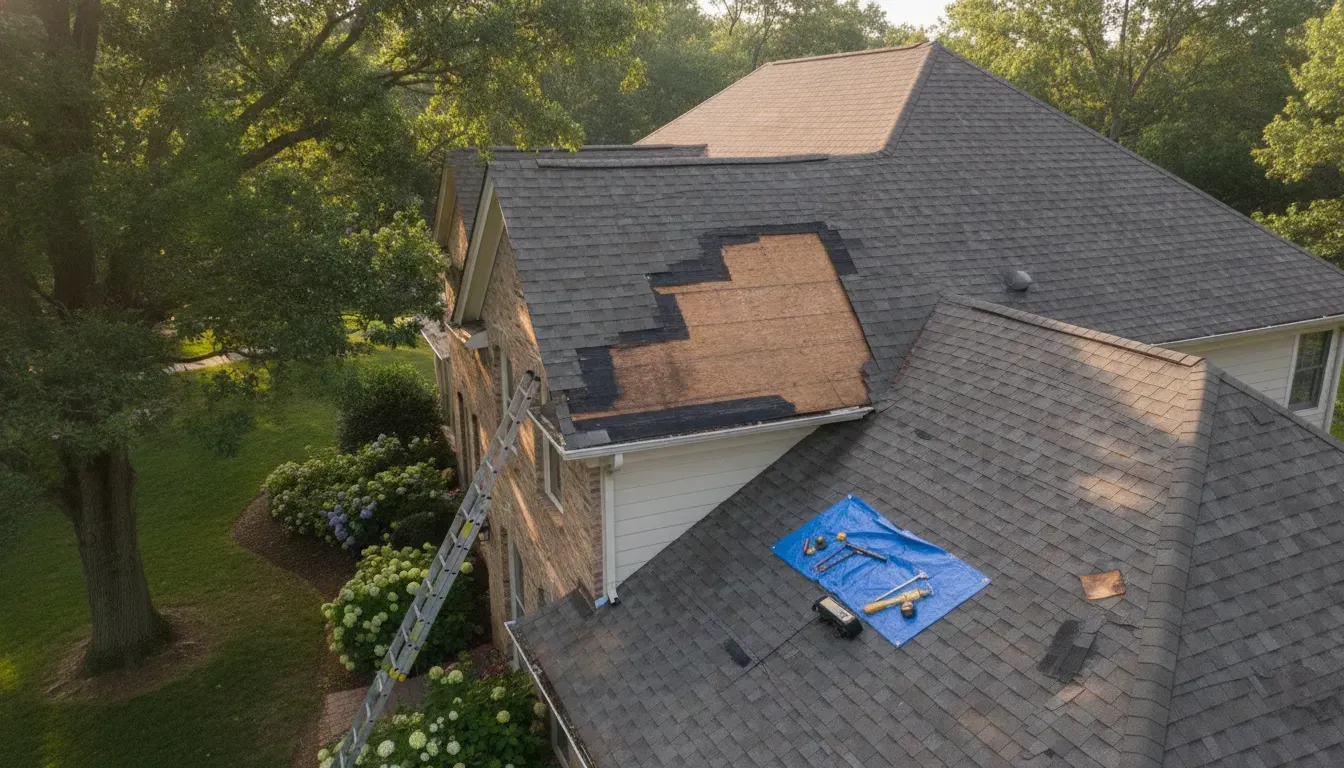
Also confirm how the contractor handles a change in scope. For example, removing existing material may reveal a damaged roof deck or an unexpected transition. Ask how the condition will be documented, how added work will be priced, and who must approve it before the crew continues.
A practical way to compare bids is to make a short checklist with one row for each important part of the project. Mark whether each proposal identifies the panel system, existing roof removal, substrate assumptions, underlayment, details, cleanup, and warranties. Then write down the questions that remain. This keeps the conversation focused on actual differences rather than on trying to remember what each estimator said.
For instance, imagine one estimate identifies a panel system and separately lists chimney flashing, but says nothing about deck repairs. A second estimate includes deck repairs only if needed, but does not identify a panel profile. Neither can be judged by its total alone. Ask each contractor to clarify the missing information and explain what would happen if the hidden condition occurs. Once the scopes are clearer, you can make a more meaningful comparison.
Also separate included work from optional work. A contractor may identify an item that is recommended but not necessary for the stated scope. Ask what the item does, whether it affects the roof installation, and whether it changes the project total. Written distinctions help you understand what is required, what is proposed as an option, and what is outside the agreement.
If the home needs a full replacement, the material and installation choices should be considered alongside the overall roof project. Our article on weighing roof repair against replacement can help frame that decision, while the roof replacement cost guide explains why project scope and roof characteristics matter when comparing budgets. Neither replaces a property-specific written estimate.
How Should You Compare Warranties and Long-Term Expectations?
Read the actual warranty documents and separate material coverage from workmanship coverage. Ask who provides each one, what must be done to keep it in force, and what conditions are excluded.
Warranty terms vary by product and installer. A verbal statement that a roof is “covered” does not tell you what event is covered, who handles a claim, or what maintenance and documentation are required. Request the applicable documents before signing, and ask the contractor to explain any terms that are unclear.
Clarify whether the proposal includes a product warranty, a finish warranty, an installer’s workmanship commitment, or some combination. Ask whether coverage depends on using particular components or following specific installation instructions. Keep copies of the final proposal, product information, completion records, and warranty documents together.
Be cautious of promises about a guaranteed number of years of trouble-free performance. Service life depends on the product, the roof design, exposure, installation, maintenance, and other conditions. A Metal Construction Association report on service life assessment for low-slope metal roof systems describes its findings in the context of a particular like-in-kind roof system; it should not be treated as a blanket lifespan promise for every metal roof.
If you are comparing metal with asphalt shingles, consider the whole project and your priorities rather than treating one material as universally best. The comparison of asphalt and architectural shingles is one resource for understanding another common residential option. For metal-specific budget factors, see our metal roof budgeting guide.
Read exclusions and owner responsibilities, not just the coverage heading. The documents may identify maintenance, product registration, approved components, or other conditions. Ask who is expected to complete each required step and whether you will receive confirmation after the work. If a warranty uses terms you do not understand, ask the issuer or installer to explain them before you sign; do not rely on a spoken summary as a substitute for the written terms.
What Questions Should You Ask Before Hiring a Roofing Team?
Use a short, consistent question list with each candidate. The goal is to understand the scope and communication process, not to quiz a contractor on technical terms.
- Who will manage the job? Get the name or role of your primary contact and ask how questions will be handled while work is underway.
- Who performs the installation? Ask whether the work is done by the contractor’s crew or another team, and who is accountable for the finished work.
- What similar roofs have you completed? Ask for examples with comparable roof shape, system, or building use. Photos can help you understand the scope, but they do not replace a written plan.
- How will the property be protected? Discuss landscaping, exterior surfaces, driveways, stored materials, and cleanup at the end of each workday.
- What is the expected work sequence? Ask when material delivery, removal, installation, and cleanup are expected, and what could change that schedule.
- How will changes be approved? Confirm that unexpected conditions will be explained and documented before additional work proceeds.
- What documents will I receive? Confirm that you will receive the final scope, product details, change approvals, and applicable warranty information.
Compare the quality of the answers as well as the answers themselves. Clear, direct explanations make it easier to understand what you are purchasing. If an important detail is missing, request clarification in writing rather than relying on an informal conversation.
You can organize the answers in a simple three-column note: question, contractor response, and follow-up needed. For example, if one installer says the crew will “take care of the flashing,” ask which roof features that includes and request the answer in the scope. If another says the schedule depends on delivery, ask when you will receive an update if the delivery date changes. Recording these points helps keep the decision based on comparable information.
For property owners who are considering financing as part of a larger roofing project, review the options and terms directly. Total Roof Solutions provides information about roofing financing; availability and suitability depend on the details presented for the project.
How Can Georgia Property Owners Plan for Installation?
Prepare the site and agree on communication before the crew arrives. A written plan helps residents, tenants, and building managers know what to expect without turning the installation into a guessing game.
For a home, move vehicles away from work and delivery areas, secure items near the house, and let the contractor know about access restrictions or sensitive landscaping. Ask whether pets and household members should avoid particular areas while materials are moved or work is underway. Confirm where deliveries will be placed and how the team will handle debris and cleanup.
For a business, identify building hours, tenant needs, loading areas, roof access rules, and equipment that should remain accessible. Decide in advance who can approve a change in scope. If the property has multiple decision-makers, share the proposal and contact plan with everyone who needs to respond.
Before work begins, review the final scope together. Confirm the specified system, the areas included, planned site protection, the communication contact, and how concealed conditions will be addressed. Keep a copy of any written changes so the owner and contractor are working from the same plan.
Ask how materials will be delivered and stored, and whether the site needs to be clear on particular days. For a residential property, discuss where the crew will stage materials and how the driveway or walkways may be affected. For a commercial building, make sure building staff know about access needs and any planned interruptions. The contractor can explain the project-specific plan, while you can flag scheduling constraints before they become a day-of-work problem.
Weather can affect the sequence of exterior work. Ask how the team will communicate a delay and how the property will be protected if work stops before the roof is complete. This is a practical planning question, not a reason to assume a problem will occur. Knowing whom to contact and what updates to expect gives owners and building managers a straightforward way to handle schedule changes.
After completion, request a walkthrough or closeout conversation. Review the agreed scope, ask about any changes made during the project, and collect the documentation. If you have a concern, raise it promptly with the contractor and refer to the written scope and project records.
Our roofing project gallery offers examples of local work, and property owners can learn more about our residential roofing services or contact Total Roof Solutions to discuss what their roof may require.
Talk with our team about your roof’s needs
Frequently Asked Questions About Standing Seam Metal Roof Installers
Compare system knowledge, clear scope, and responsive communication. These answers cover common questions to ask before choosing an installer.
Does every standing seam metal roof use the same clips?
No. Attachment details depend on the specific panel system and project requirements. Ask the installer to identify the proposed method and the product documentation that applies to your roof.
Should I choose an installer based only on the lowest estimate?
No. First check that estimates describe comparable materials, preparation, flashing, site protection, and warranty terms. Ask for clarification if one proposal is much less detailed or omits work included by another.
What if the installer finds damage after removing the old roof?
Ask in advance how concealed conditions will be documented and priced. The contractor should explain the condition and proposed change, then obtain the required approval before proceeding with additional work.
Can a standing seam system be used on a commercial property?
Some metal systems are designed for particular commercial applications, but suitability depends on the building, roof design, product, and project requirements. Have an experienced roofing professional review the property and explain the system’s fit.
What should I keep after the project is complete?
Keep the final proposal, approved changes, product and finish details, completion records, and applicable warranty documents. These records make it easier to understand the work performed and follow any care or warranty requirements.
Taking time to compare the written details helps you choose a roofing team with a plan that fits your property. For a residential roof in McDonough or a commercial project elsewhere in Georgia, start with clear questions and a scope you can understand before work begins.